 EN
EN
 AR
AR
 CS
CS
 FR
FR
 DE
DE
 IT
IT
 JA
JA
 KO
KO
 PT
PT
 RU
RU
 ES
ES
 ID
ID
 VI
VI
 TH
TH
 TR
TR
 MS
MS

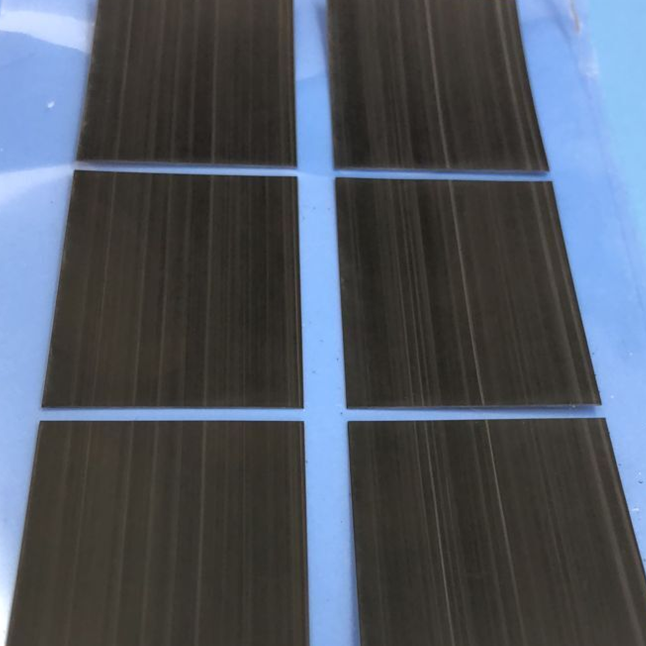
Speakers operating in wet environments face a fundamental challenge: maintaining pristine audio quality while protecting sensitive internal components from moisture damage. Traditional speaker designs often compromise between water resistance and acoustic performance, leading to muffled sound or complete audio degradation when exposed to humidity, rain, or other moisture sources. This trade-off has long plagued industries requiring reliable audio equipment in challenging environmental conditions.
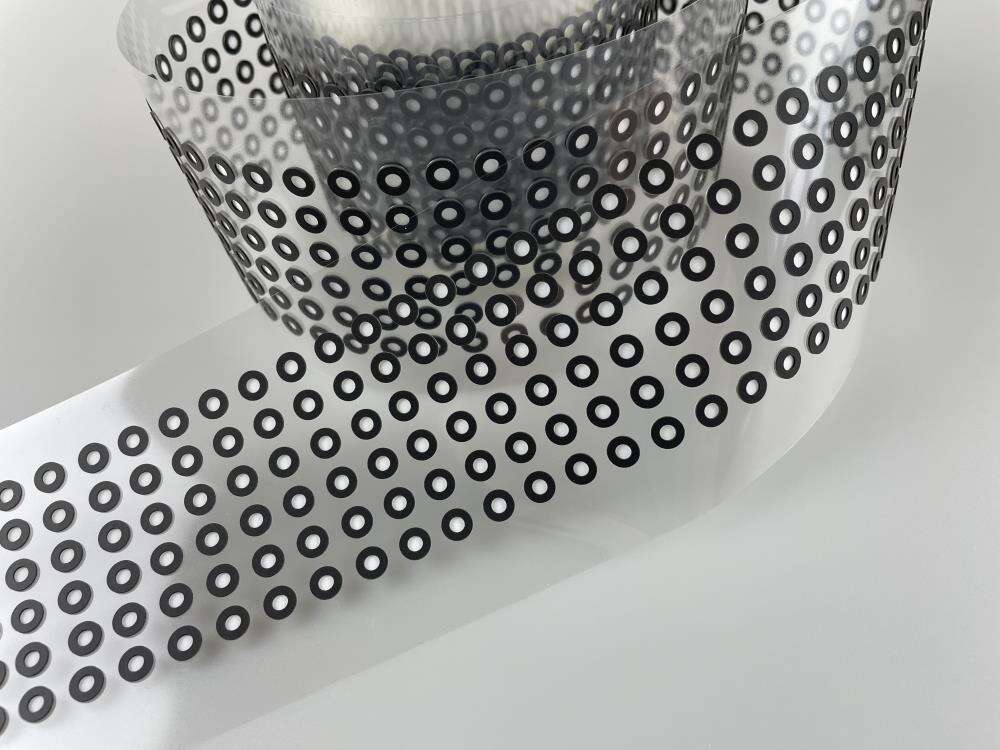
MicroVent® acoustic membrane technology represents a breakthrough solution that eliminates this compromise entirely. By incorporating advanced membrane engineering into speaker design, manufacturers can now deliver both exceptional water protection and uncompromised high-fidelity audio performance. This innovative acoustic membrane maintains the precise acoustic characteristics essential for professional audio applications while providing robust moisture barrier protection that extends speaker lifespan and reliability in demanding environments.
Understanding Acoustic Membrane Technology in Speaker Protection
Fundamental Principles of Acoustic Membrane Design
An acoustic membrane functions as a selective barrier that allows sound waves to pass through with minimal distortion while blocking moisture, dust, and contaminants from entering the speaker enclosure. The membrane material must exhibit specific acoustic properties, including controlled porosity, precise thickness specifications, and optimized surface tension characteristics that preserve sound wave transmission across the full frequency spectrum.
The acoustic membrane operates on advanced microporous technology that creates thousands of microscopic pathways for air and sound movement while maintaining molecular-level barriers against liquid water penetration. This dual functionality requires precise engineering of pore size distribution, membrane density, and surface treatment to achieve optimal acoustic transparency without compromising protective capabilities.
Critical design parameters for effective acoustic membrane performance include frequency response linearity, phase coherence maintenance, and minimal insertion loss across the operational bandwidth. These technical specifications ensure that the protective membrane enhances rather than degrades the speaker's acoustic output, particularly in applications requiring precise audio reproduction and consistent performance standards.
Material Properties and Performance Characteristics
High-performance acoustic membrane materials typically utilize specialized polymer compositions that provide exceptional durability while maintaining acoustic transparency. The membrane structure incorporates hydrophobic surface treatments that actively repel moisture while allowing unrestricted air movement necessary for proper speaker diaphragm operation and pressure equalization.
Temperature stability represents another crucial characteristic of professional-grade acoustic membrane solutions. The membrane material must maintain consistent acoustic properties across wide temperature ranges, ensuring reliable performance in outdoor installations, automotive applications, and industrial environments where temperature fluctuations are common.
Advanced acoustic membrane formulations also provide resistance to chemical degradation, UV exposure, and mechanical stress that can occur during speaker operation or environmental exposure. This comprehensive protection ensures long-term acoustic performance stability and reduces maintenance requirements in critical audio applications.
High-Fidelity Audio Preservation in Challenging Environments
Frequency Response Optimization
Maintaining accurate frequency response across the entire audio spectrum requires careful consideration of how the acoustic membrane interacts with speaker driver characteristics. The membrane must preserve both low-frequency bass response and high-frequency detail reproduction without introducing resonances or acoustic coloration that could compromise audio quality.
Professional audio applications demand that the acoustic membrane provides consistent acoustic performance regardless of environmental humidity levels or moisture exposure. This consistency ensures that audio engineers and sound professionals can rely on accurate sound reproduction even when equipment operates in challenging outdoor or marine environments where moisture exposure is inevitable.
The acoustic membrane design also addresses phase relationships between different frequency components, ensuring that stereo imaging, soundstage depth, and timing accuracy remain intact. This preservation of spatial audio characteristics is particularly important in professional monitoring applications and high-end consumer audio systems where acoustic precision is paramount.
Dynamic Range and Distortion Control
High-fidelity audio reproduction requires the acoustic membrane to handle wide dynamic ranges without introducing compression or distortion artifacts. The membrane material must respond linearly to varying acoustic pressures while maintaining consistent protective properties across different volume levels and audio content types.
Advanced acoustic membrane technology addresses nonlinear distortion that can occur when traditional protective materials interact with high-amplitude audio signals. By optimizing membrane compliance and mechanical properties, designers can ensure that even peak audio levels pass through the protective barrier without degradation or unwanted harmonic generation.
The membrane's ability to maintain acoustic transparency during transient audio events, such as percussion strikes or sudden volume changes, directly impacts the speaker's ability to reproduce music and speech with natural dynamics and emotional impact that listeners expect from high-quality audio systems.
Moisture Protection Mechanisms and Environmental Durability
Water Resistance Technology
The acoustic membrane provides comprehensive moisture protection through multiple barrier mechanisms that prevent water ingress while maintaining acoustic performance. Hydrophobic surface treatments create molecular-level water repulsion that causes moisture to bead and flow away from the membrane surface rather than penetrating the protective barrier.
Breathable membrane technology allows internal air circulation necessary for proper speaker operation while blocking liquid water penetration. This breathability prevents pressure buildup that could damage speaker components or affect diaphragm movement, ensuring consistent acoustic performance even during extended operation in humid conditions.
The membrane structure also provides protection against condensation formation inside speaker enclosures, which can cause corrosion, electrical shorts, or acoustic degradation over time. By managing moisture vapor transmission rates, the acoustic membrane maintains optimal internal humidity levels that protect sensitive electronic components while preserving audio quality.
Long-Term Environmental Resistance
Professional-grade acoustic membrane solutions provide years of reliable protection against environmental stressors including salt spray, chemical exposure, and extreme weather conditions. This durability ensures consistent audio performance throughout the speaker's operational lifetime without requiring membrane replacement or maintenance.
UV resistance properties prevent membrane degradation that could compromise both protective and acoustic functions over time. This stability is particularly important for outdoor audio installations where direct sunlight exposure could otherwise cause material breakdown and performance deterioration.
The acoustic membrane also maintains its protective properties during freeze-thaw cycles, ensuring reliable operation in climates with significant temperature variations. This thermal stability prevents membrane cracking or delamination that could create moisture ingress points and subsequent audio quality degradation.
Application-Specific Performance Benefits
Professional Audio and Broadcasting Applications
Broadcasting and professional audio environments demand reliable speaker performance regardless of environmental conditions. The acoustic membrane enables consistent audio quality for outdoor concerts, sports venues, and broadcast installations where weather protection cannot compromise audio fidelity requirements.
Studio monitor applications benefit from acoustic membrane protection in controlled environments where humidity variations could affect critical listening accuracy. The membrane ensures that mixing and mastering decisions remain consistent by eliminating humidity-related acoustic variations that could influence audio production quality.
Live sound reinforcement systems require speakers that maintain consistent performance throughout extended outdoor events. The acoustic membrane provides reliable moisture protection that allows audio professionals to focus on sound quality rather than equipment protection during performances in unpredictable weather conditions.
Consumer Electronics and Automotive Integration
Automotive audio systems benefit significantly from acoustic membrane technology, particularly in convertible vehicles or installations where speakers may be exposed to weather elements. The membrane ensures that high-fidelity audio performance remains consistent regardless of top-down driving conditions or environmental exposure.
Marine audio applications represent another critical use case where acoustic membrane protection enables reliable speaker operation in high-moisture environments. Boat and yacht installations require speakers that maintain audio quality despite constant humidity exposure and occasional direct water contact.
Portable speaker designs incorporate acoustic membrane technology to provide weather resistance without sacrificing audio quality or requiring bulky protective enclosures. This combination of protection and performance makes portable audio systems more versatile and reliable for outdoor recreational activities.
Implementation Considerations and Design Integration
Speaker System Design Optimization
Integrating acoustic membrane technology requires careful consideration of speaker enclosure design to maximize both protective and acoustic benefits. The membrane placement and mounting method must ensure proper sealing while maintaining acoustic coupling between the driver and external environment.
Acoustic membrane selection must match specific speaker driver characteristics and intended application requirements. Different membrane specifications optimize performance for various frequency ranges, power handling capabilities, and environmental protection levels required by specific audio applications.
System designers must also consider the acoustic membrane's impact on overall speaker sensitivity and power requirements. Proper membrane selection can actually enhance speaker efficiency while providing environmental protection, resulting in improved overall system performance rather than compromised audio output.
Installation and Maintenance Best Practices
Proper acoustic membrane installation ensures optimal performance and longevity of both protective and acoustic functions. Installation procedures must maintain membrane integrity while ensuring complete sealing around speaker openings to prevent moisture bypass paths that could compromise protection effectiveness.
Regular inspection protocols help maintain acoustic membrane performance over time, though high-quality membrane materials typically require minimal maintenance when properly installed. Visual inspection can identify any physical damage or contamination that might affect protective or acoustic performance.
Replacement scheduling for acoustic membrane components should align with speaker maintenance intervals to ensure continued protection and performance. Proactive membrane replacement prevents moisture damage that could require expensive speaker repair or replacement in critical audio applications.
FAQ
How does an acoustic membrane affect speaker sound quality?
A properly designed acoustic membrane has minimal impact on sound quality when engineered for specific speaker applications. High-quality acoustic membrane materials maintain frequency response accuracy, preserve dynamic range, and ensure phase coherence across the audio spectrum. Advanced membrane technology can actually improve overall speaker performance by providing controlled acoustic damping and eliminating unwanted resonances while protecting internal components from environmental damage.
Can acoustic membranes handle high-power audio applications?
Professional-grade acoustic membranes are specifically designed to handle high-power audio applications without distortion or mechanical failure. The membrane materials must withstand significant acoustic pressure variations while maintaining linear response characteristics. Proper membrane selection based on power handling requirements and frequency range ensures reliable performance even in demanding professional audio applications where high sound pressure levels are common.
What maintenance is required for speakers with acoustic membrane protection?
Speakers equipped with high-quality acoustic membrane protection typically require minimal maintenance beyond standard cleaning and inspection procedures. The membrane should be periodically checked for physical damage, contamination, or degradation that could affect protective or acoustic performance. Most professional acoustic membrane materials provide years of reliable service without replacement when properly installed and maintained according to manufacturer specifications.
Are acoustic membranes suitable for all speaker types and sizes?
Acoustic membranes can be engineered for virtually any speaker type and size, from small portable devices to large professional sound reinforcement systems. The membrane specifications must be matched to specific driver characteristics, enclosure design, and application requirements. Custom membrane solutions can address unique acoustic or environmental protection needs for specialized audio applications where standard membrane options may not provide optimal performance.
