 EN
EN
 AR
AR
 CS
CS
 FR
FR
 DE
DE
 IT
IT
 JA
JA
 KO
KO
 PT
PT
 RU
RU
 ES
ES
 ID
ID
 VI
VI
 TH
TH
 TR
TR
 MS
MS

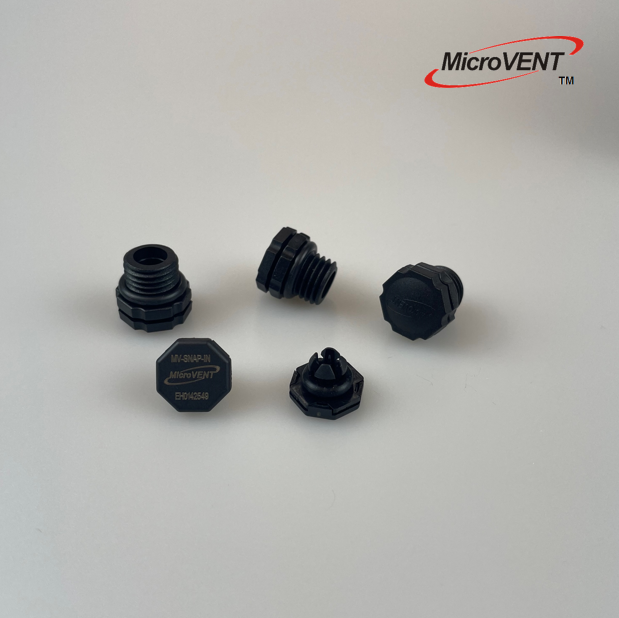
Internal condensation in lighting fixtures presents a persistent challenge that can compromise performance, reduce lifespan, and create safety hazards in both indoor and outdoor applications. When moisture accumulates inside sealed lighting enclosures, it can damage sensitive electronic components, reduce light output efficiency, and create conditions for corrosion and electrical failures. The MicroVent® ePTFE membrane technology provides a proven solution that effectively eliminates these condensation issues while maintaining the protective integrity of lighting systems.
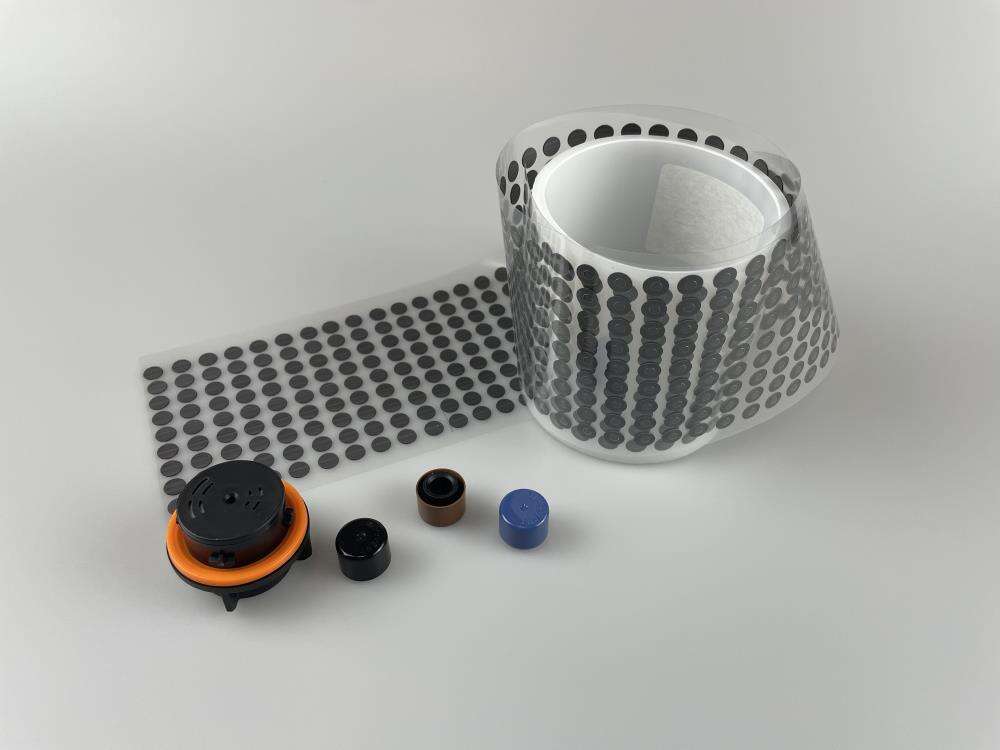
The effectiveness of MicroVent® ePTFE membrane in eliminating internal condensation stems from its unique microporous structure that enables bidirectional vapor transmission while blocking liquid water and contaminants. This advanced membrane technology creates an optimal balance between protection and breathability, allowing trapped moisture to escape while preventing external water ingress. Understanding how this ePTFE membrane technology works and its specific benefits for lighting applications helps engineers and designers select the most appropriate venting solutions for their projects.
Understanding Condensation Formation in Lighting Systems
Temperature Differential Effects
Condensation formation in lighting fixtures occurs when warm, humid air inside the enclosure encounters cooler surfaces, causing water vapor to condense into liquid droplets. This process is particularly pronounced in outdoor lighting applications where temperature variations between day and night can be significant. The ePTFE membrane technology addresses this issue by allowing continuous vapor exchange that equalizes humidity levels inside and outside the fixture.
Traditional sealed lighting enclosures trap air during manufacturing, creating a closed system where temperature changes lead to pressure variations and moisture accumulation. When the fixture heats up during operation, any moisture present vaporizes and then condenses on cooler internal surfaces when the light is turned off. The ePTFE membrane prevents this cycle by maintaining pressure equilibrium and allowing moisture vapor to escape continuously.
Humidity and Air Pressure Dynamics
The relationship between humidity levels and air pressure changes significantly impacts condensation formation in lighting systems. As temperatures fluctuate, sealed enclosures experience pressure changes that can draw moisture-laden air through microscopic gaps or create conditions where existing moisture cannot escape. ePTFE membrane technology solves this problem by providing controlled breathability that accommodates pressure variations while maintaining protective barriers.
Modern lighting fixtures often contain electronic components that generate heat during operation, creating temperature gradients within the enclosure. These gradients can establish convection currents that concentrate moisture in specific areas, leading to localized condensation problems. The strategic placement of ePTFE membrane vents enables uniform moisture management throughout the fixture, preventing these localized accumulation issues.
MicroVent® ePTFE Membrane Technology Fundamentals
Microporous Structure Characteristics
The effectiveness of MicroVent® ePTFE membrane lies in its precisely engineered microporous structure, featuring billions of microscopic pores that are significantly smaller than water droplets but larger than water vapor molecules. This unique architecture allows the ePTFE membrane to selectively permit vapor transmission while blocking liquid water, dust, and other contaminants that could compromise lighting system performance.
Each square centimeter of ePTFE membrane contains millions of interconnected pores with diameters typically ranging from 0.1 to 1.0 micrometers. This pore size distribution ensures optimal vapor transmission rates while maintaining excellent liquid water resistance. The three-dimensional network structure of the ePTFE membrane provides multiple pathways for vapor movement, creating reliable performance even under challenging environmental conditions.
Bidirectional Vapor Transmission Properties
Unlike traditional one-way venting solutions, MicroVent® ePTFE membrane enables bidirectional vapor transmission that adapts to changing pressure and humidity conditions. This capability ensures that moisture can move in either direction across the membrane barrier, preventing vapor accumulation regardless of whether internal or external humidity levels are higher. The ePTFE membrane responds dynamically to pressure differentials, automatically adjusting vapor flow rates to maintain optimal internal conditions.
The bidirectional nature of ePTFE membrane technology is particularly important in lighting applications where heat cycling creates complex vapor pressure dynamics. During heating phases, internal vapor pressure increases and moisture moves outward through the membrane. During cooling phases, the process can reverse if external humidity is high, but the ePTFE membrane continues to regulate moisture transfer to prevent condensation formation.
Condensation Elimination Mechanisms
Continuous Moisture Vapor Escape
The primary mechanism by which MicroVent® ePTFE membrane eliminates condensation is through continuous moisture vapor escape that prevents humidity buildup within lighting enclosures. Unlike passive venting solutions that rely on large openings, the ePTFE membrane provides controlled vapor transmission that operates continuously regardless of wind conditions or external pressure variations.
This continuous operation ensures that moisture generated by temperature changes, component outgassing, or minor seal imperfections can escape before reaching saturation levels that would cause condensation. The ePTFE membrane maintains this vapor transmission capability even in dusty or contaminated environments where traditional vents might become blocked or compromised.
Pressure Equalization Benefits
Effective condensation elimination requires maintaining pressure equilibrium between the interior and exterior of lighting fixtures. MicroVent® ePTFE membrane technology achieves this through its air permeability characteristics that allow gradual pressure equalization without compromising protective barriers. This prevents the suction effects that can draw moisture-laden air into enclosures through imperfect seals.
The pressure equalization provided by ePTFE membrane technology also reduces mechanical stress on fixture housings and sealing systems. By eliminating pressure differentials that can cause seal failure or housing deformation, the membrane contributes to overall system reliability and longevity. This is particularly important in large outdoor lighting fixtures where pressure changes due to temperature variations can be substantial.
Performance Advantages in Lighting Applications
Enhanced Component Protection
The condensation elimination capabilities of MicroVent® ePTFE membrane technology provide significant protection for sensitive electronic components commonly found in modern lighting systems. LED drivers, control circuits, and sensor modules are particularly vulnerable to moisture damage, corrosion, and electrical failures when exposed to condensation. The ePTFE membrane creates an optimal internal environment that prevents these moisture-related problems.
Beyond preventing direct moisture contact, the controlled environment created by ePTFE membrane technology also reduces humidity-related aging effects on components. Lower humidity levels slow down oxidation processes, reduce electrolytic corrosion, and maintain better electrical insulation properties. These benefits extend component lifespans and improve overall lighting system reliability.
Optical Performance Maintenance
Condensation on internal optical surfaces can significantly reduce light output and alter beam patterns in lighting fixtures. MicroVent® ePTFE membrane technology prevents this performance degradation by maintaining clear optical surfaces throughout the fixture's operating life. This is particularly critical in precision lighting applications where beam quality and light distribution patterns must remain consistent.
The vapor transmission properties of ePTFE membrane technology ensure that lenses, reflectors, and other optical components remain free from moisture accumulation that could scatter light or create hot spots. This maintenance of optical clarity directly translates to sustained lighting performance and energy efficiency throughout the fixture's service life.
Installation and Integration Considerations
Membrane Placement Optimization
Effective integration of MicroVent® ePTFE membrane technology requires careful consideration of placement locations within lighting fixture designs. Optimal positioning typically involves locations that experience moderate temperature variations and minimal direct exposure to high-velocity airflow or mechanical stress. The ePTFE membrane should be positioned to facilitate natural convection currents while avoiding areas where water accumulation might occur.
The size and number of ePTFE membrane vents required depend on factors including fixture volume, internal heat generation, and expected temperature cycling patterns. Larger fixtures or those with significant heat sources may require multiple membrane vents to ensure adequate vapor transmission capacity. The design should also consider accessibility for maintenance while maintaining the protective characteristics of the overall enclosure.
Compatibility with Existing Designs
MicroVent® ePTFE membrane technology can be integrated into both new lighting designs and existing fixtures through retrofit applications. The membrane mounting systems are designed to work with standard threaded fittings, adhesive attachments, or custom housings that maintain the integrity of the fixture enclosure. This flexibility allows designers to incorporate ePTFE membrane benefits without major design modifications.
Integration considerations must also account for the interaction between ePTFE membrane venting and other fixture features such as gaskets, cable entries, and mounting systems. Proper system design ensures that the membrane provides the intended vapor transmission benefits while maintaining overall enclosure protection ratings required for specific applications.
FAQ
How does ePTFE membrane technology prevent condensation without allowing water ingress?
The ePTFE membrane features microscopic pores that are smaller than water droplets but larger than water vapor molecules. This size-selective barrier allows water vapor to pass through freely while blocking liquid water, effectively preventing condensation buildup inside lighting fixtures without compromising weather protection.
What maintenance requirements are associated with MicroVent® ePTFE membrane systems?
MicroVent® ePTFE membrane technology typically requires minimal maintenance under normal operating conditions. The membrane's non-stick surface resists contamination buildup, and most accumulated particles can be removed through gentle cleaning with appropriate solvents. Regular inspection ensures continued performance, but replacement intervals are typically measured in years rather than months.
Can ePTFE membrane technology work in extreme temperature environments?
Yes, ePTFE membrane materials maintain their vapor transmission and barrier properties across a wide temperature range, typically from -40°C to +125°C. This temperature stability makes the technology suitable for outdoor lighting applications in harsh climates as well as industrial environments with elevated operating temperatures.
How quickly does the ePTFE membrane eliminate existing condensation in lighting fixtures?
The rate of condensation elimination depends on factors including temperature, humidity differentials, and membrane surface area. Under typical conditions, ePTFE membrane technology can eliminate visible condensation within hours of installation, with complete moisture equilibration typically achieved within 24-48 hours of normal temperature cycling.
Table of Contents
- Understanding Condensation Formation in Lighting Systems
- MicroVent® ePTFE Membrane Technology Fundamentals
- Condensation Elimination Mechanisms
- Performance Advantages in Lighting Applications
- Installation and Integration Considerations
-
FAQ
- How does ePTFE membrane technology prevent condensation without allowing water ingress?
- What maintenance requirements are associated with MicroVent® ePTFE membrane systems?
- Can ePTFE membrane technology work in extreme temperature environments?
- How quickly does the ePTFE membrane eliminate existing condensation in lighting fixtures?
