 EN
EN
 AR
AR
 CS
CS
 FR
FR
 DE
DE
 IT
IT
 JA
JA
 KO
KO
 PT
PT
 RU
RU
 ES
ES
 ID
ID
 VI
VI
 TH
TH
 TR
TR
 MS
MS

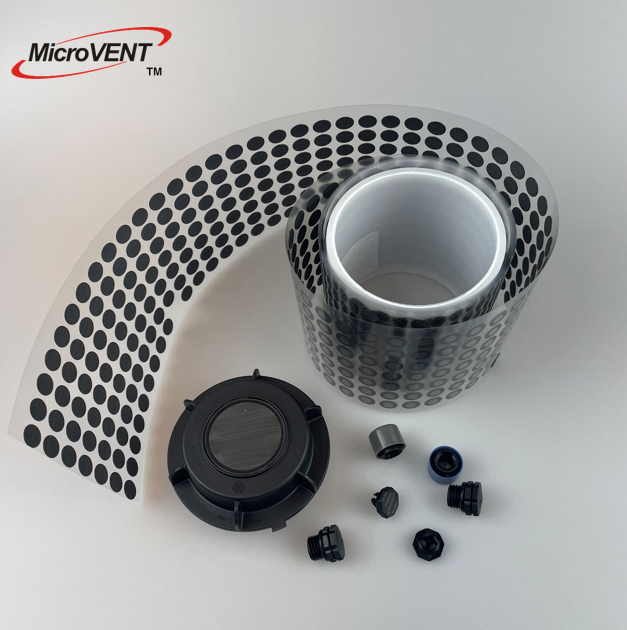
Marine electronics face one of the harshest operating environments on Earth, where salt spray corrosion can destroy sensitive components within months of deployment. The combination of saltwater exposure, temperature fluctuations, and humidity creates a perfect storm for electronic failure, making traditional protective enclosures inadequate for long-term reliability. Understanding how specialized electronics membrane technologies can prevent salt spray damage is crucial for marine technology manufacturers seeking to extend equipment lifespan and reduce maintenance costs.
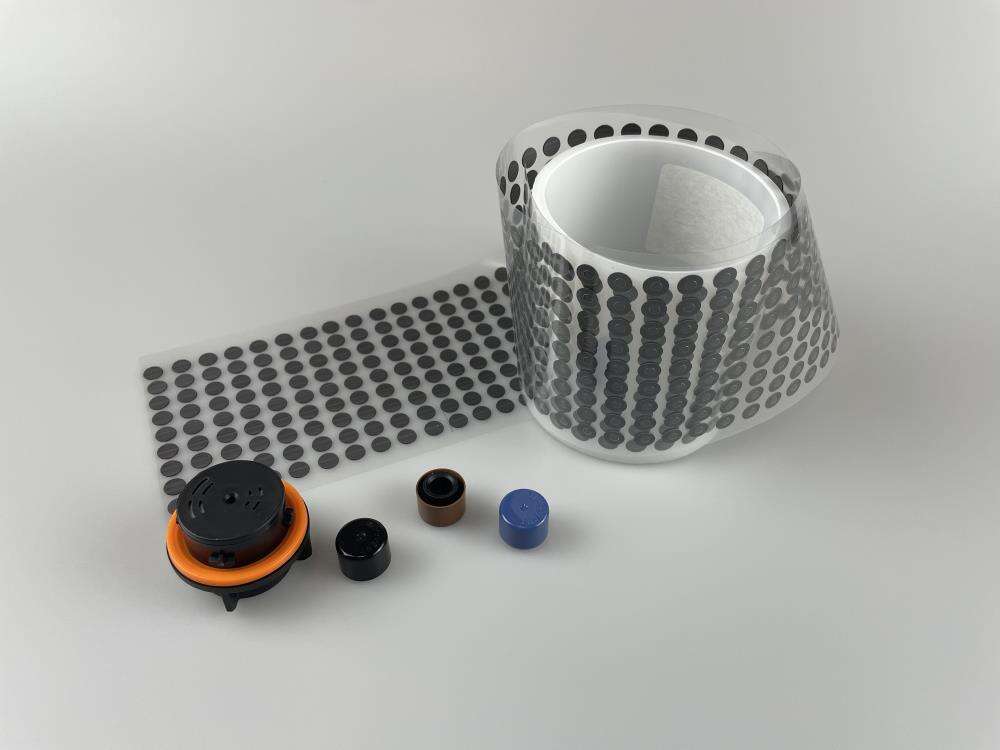
MicroVent® membrane solutions address this challenge through a sophisticated barrier technology that allows necessary pressure equalization while blocking salt particles and moisture ingress. This innovative approach transforms how marine electronics manufacturers approach environmental protection, moving beyond simple sealing to create intelligent membrane barriers that actively manage the internal environment of electronic enclosures while maintaining optimal performance parameters.
Understanding Salt Spray Corrosion Mechanisms in Marine Electronics
Chemical Processes Behind Marine Corrosion
Salt spray corrosion occurs when chloride ions from seawater penetrate electronic enclosures and react with metal components, creating galvanic cells that accelerate oxidation processes. The presence of sodium chloride in marine environments creates an electrolytic solution that conducts electricity between dissimilar metals, leading to rapid deterioration of circuit boards, connectors, and housing materials. This electrochemical reaction is particularly aggressive because saltwater maintains high ionic conductivity even in small quantities.
Temperature cycling in marine environments exacerbates corrosion by creating condensation inside sealed enclosures, where trapped moisture combines with salt deposits to form highly corrosive brines. These concentrated salt solutions can be significantly more damaging than seawater itself, as the increased ionic concentration accelerates the electrochemical reactions that drive corrosion. The combination of thermal stress and chemical attack creates a synergistic effect that can cause catastrophic failure in unprotected electronics.
Vulnerability Points in Marine Electronic Systems
Electronic enclosures in marine applications face multiple ingress points where salt spray can penetrate traditional sealing methods. Cable entry points, connector interfaces, and housing joints represent the most common failure modes, where standard O-rings and gaskets may allow microscopic salt particles to accumulate over time. Even hermetically sealed enclosures can experience problems when pressure differentials cause seal degradation or when thermal expansion creates micro-gaps in protective barriers.
Circuit board assemblies within marine electronics are particularly susceptible to salt spray damage because modern electronic components operate at increasingly smaller geometries and lower voltages. Microscopic salt deposits can create conductive paths between circuit traces, causing short circuits, signal interference, and component degradation. The miniaturization trend in electronics has made traditional conformal coating approaches less effective, as coating thickness limitations cannot provide adequate protection without interfering with component functionality.
MicroVent® Membrane Technology Principles
Selective Permeability Characteristics
MicroVent® electronics membrane technology operates on the principle of molecular size discrimination, allowing water vapor molecules to pass through while blocking larger salt particles and liquid water droplets. The membrane structure consists of microporous materials with precisely controlled pore sizes that permit gas exchange while maintaining a barrier against particulate contamination. This selective permeability ensures that pressure equalization occurs without compromising the integrity of the electronic enclosure's protective environment.
The membrane material composition incorporates hydrophobic treatments that repel liquid water while allowing vapor transmission, creating a one-way moisture management system that prevents condensation buildup inside enclosures. This vapor transmission capability is critical for preventing the formation of corrosive brines that would otherwise accumulate from temperature cycling. The electronics membrane maintains consistent performance across the wide temperature and humidity ranges encountered in marine applications.
Pressure Equalization Without Contamination
Traditional marine electronics rely on pressure relief valves or breather holes that can become contamination pathways, but MicroVent® membranes provide continuous pressure equalization without creating ingress points for salt spray. The membrane allows rapid air exchange during temperature changes while maintaining a complete barrier against particulate matter larger than individual gas molecules. This approach eliminates the pressure buildup that can stress seals and gaskets in conventional sealed enclosures.
The pressure equalization function becomes particularly important in marine electronics that experience rapid temperature changes, such as radar systems, navigation equipment, and communication arrays exposed to direct sunlight and sea spray. Without proper pressure management, thermal expansion can create differential pressures that compromise traditional sealing systems. Electronics membrane solutions maintain atmospheric pressure equilibrium while preserving the protective environment necessary for sensitive electronic components.
Implementation Strategies for Marine Electronics Protection
Integration with Existing Enclosure Designs
Implementing MicroVent® membrane solutions requires careful consideration of enclosure design principles to maximize protection effectiveness while maintaining equipment functionality. The membrane installation typically involves replacing traditional breather holes or pressure relief systems with membrane assemblies that provide superior environmental protection. Design engineers must consider factors such as membrane placement, surface area requirements, and integration with existing sealing systems to achieve optimal performance.
Electronics membrane integration often involves modifying enclosure ventilation strategies to work synergistically with membrane technology. Rather than relying solely on sealed designs that trap moisture and create pressure differentials, the membrane approach allows controlled environmental management that prevents both salt ingress and internal condensation. This integration strategy requires understanding how air circulation patterns within the enclosure interact with membrane placement to ensure effective moisture management.
Multi-Layer Protection Systems
Advanced marine electronics protection strategies combine electronics membrane technology with complementary protective measures to create comprehensive salt spray resistance. These multi-layer approaches may include conformal coatings for circuit boards, specialized gasket materials for removable panels, and membrane assemblies for pressure equalization points. The layered protection concept recognizes that no single technology can address all potential failure modes in harsh marine environments.
The most effective protection systems incorporate electronics membrane solutions as the primary environmental barrier while maintaining traditional sealing methods for mechanical protection. This redundant approach ensures that even if one protective layer experiences degradation, the overall system maintains its protective integrity. Marine electronics manufacturers increasingly adopt this philosophy to meet extended warranty requirements and reduce field service costs associated with corrosion-related failures.
Performance Benefits in Marine Applications
Extended Equipment Lifespan
MicroVent® membrane implementation can extend marine electronics lifespan by preventing the accumulation of corrosive compounds that would otherwise cause premature component failure. Field studies demonstrate that properly implemented electronics membrane systems can reduce corrosion-related failures by up to 85% compared to traditional sealing methods. This improvement translates directly into reduced replacement costs and increased operational reliability for mission-critical marine systems.
The longevity benefits become particularly apparent in applications where equipment replacement involves significant downtime or accessibility challenges, such as offshore monitoring systems, buoy-mounted sensors, and autonomous vessel electronics. Electronics membrane protection eliminates the gradual degradation typically associated with salt spray exposure, allowing equipment to maintain performance specifications throughout extended deployment periods without requiring preventive replacement of vulnerable components.
Reduced Maintenance Requirements
Traditional marine electronics protection often requires frequent inspection and replacement of seals, gaskets, and protective coatings that degrade under salt spray exposure. Electronics membrane systems significantly reduce these maintenance requirements by providing passive protection that does not degrade over time when properly implemented. The membrane maintains its protective properties without requiring periodic replacement or adjustment, reducing both scheduled and unscheduled maintenance activities.
Maintenance cost reduction becomes especially significant for remote marine installations where service access requires specialized vessels or personnel. The ability to deploy electronics membrane-protected equipment with confidence in extended service intervals allows operators to optimize maintenance scheduling and reduce operational costs. This benefit extends beyond direct maintenance savings to include reduced insurance costs and improved system availability metrics.
Application-Specific Considerations
Navigation and Communication Systems
Marine navigation and communication equipment represents one of the most critical applications for electronics membrane protection, as these systems cannot tolerate performance degradation due to salt spray corrosion. GPS receivers, radar displays, and radio transceivers contain sensitive RF components that can experience signal degradation when exposed to salt contamination. Electronics membrane solutions prevent this contamination while maintaining the environmental conditions necessary for optimal electronic performance.
The implementation of membrane protection in navigation systems requires special attention to electromagnetic interference considerations, as the protective membrane must not attenuate or distort radio frequency signals. Modern electronics membrane materials are engineered to be RF-transparent while maintaining their protective properties, ensuring that communication performance is not compromised by the protection system itself. This balance between protection and performance makes membrane solutions ideal for critical navigation applications.
Monitoring and Sensor Equipment
Environmental monitoring equipment and marine sensors face unique challenges because they often require direct exposure to marine conditions while protecting sensitive measurement electronics. Electronics membrane technology enables the design of sensor housings that maintain measurement accuracy while preventing salt spray damage to internal components. This capability is essential for oceanographic instruments, water quality monitors, and meteorological sensors deployed in marine environments.
Sensor applications benefit from the pressure equalization properties of electronics membrane systems, which prevent measurement errors caused by pressure differentials across sensor housings. Traditional sealed sensor enclosures can experience calibration drift when internal pressure changes affect sensitive measurement components. Membrane-protected sensor systems maintain consistent internal pressure while preventing contamination that could affect measurement accuracy or component reliability.
FAQ
How long do MicroVent® electronics membranes last in marine environments?
MicroVent® electronics membranes are designed for extended service life in marine applications, typically maintaining their protective properties for 10-15 years under normal operating conditions. The membrane material resists UV degradation, chemical attack from salt spray, and mechanical stress from pressure cycling. Actual service life depends on specific environmental conditions, but field experience demonstrates that properly installed membranes often outlast the electronic equipment they protect.
Can electronics membranes be retrofitted to existing marine equipment?
Yes, electronics membrane solutions can often be retrofitted to existing marine equipment through modification of existing ventilation or pressure relief systems. Retrofit applications typically involve replacing breather holes, pressure valves, or vent caps with membrane assemblies designed for the specific enclosure. The retrofit process requires evaluation of the existing sealing system to ensure compatibility with membrane protection principles, but most marine electronics can benefit from membrane upgrades without major design changes.
Do electronics membranes affect the internal temperature of marine equipment?
Electronics membranes actually help regulate internal temperature by preventing moisture accumulation that can affect heat transfer and by allowing thermal expansion gases to escape freely. The pressure equalization function reduces thermal stress on sealing systems while the moisture management properties prevent condensation that could interfere with heat dissipation. In most applications, membrane implementation improves rather than hinders thermal management of marine electronics.
What maintenance is required for electronics membrane systems?
Electronics membrane systems require minimal maintenance beyond periodic visual inspection to ensure the membrane surface remains clean and undamaged. Unlike traditional sealing systems that require regular replacement, membranes maintain their protective properties without degradation. The primary maintenance consideration is keeping the membrane surface free from debris or coatings that could block gas transmission, which typically only requires occasional cleaning with appropriate solvents during routine equipment maintenance.
