 EN
EN
 AR
AR
 CS
CS
 FR
FR
 DE
DE
 IT
IT
 JA
JA
 KO
KO
 PT
PT
 RU
RU
 ES
ES
 ID
ID
 VI
VI
 TH
TH
 TR
TR
 MS
MS

Temperature fluctuations during product transportation present significant challenges for packaging integrity, particularly when dealing with sensitive products that require precise pressure management. Modern logistics networks expose packaged goods to extreme temperature variations, from freezing warehouse conditions to scorching delivery trucks, creating internal pressure changes that can compromise product quality and package durability. Understanding how specialized venting solutions respond to these thermal stresses is crucial for manufacturers seeking reliable packaging performance across diverse shipping environments.
Understanding Temperature-Induced Pressure Dynamics in Packaging
The Science Behind Thermal Expansion in Sealed Containers
When packaged products experience temperature changes, the air and gases inside containers expand or contract according to fundamental gas laws. Higher temperatures cause internal gases to expand, creating positive pressure that pushes against package walls and seals. Conversely, rapid cooling creates negative pressure or vacuum conditions that can cause packages to collapse inward. These pressure differentials become particularly problematic in rigid containers where volume cannot adjust to accommodate gas expansion or contraction.
The magnitude of pressure change depends on several factors including the initial temperature, the extent of temperature variation, the internal air volume, and the package's ability to flex or deform. Products shipped in temperature-controlled environments may still experience significant thermal cycling during loading, unloading, and storage transitions. Even moderate temperature swings of 20-30 degrees Fahrenheit can generate enough pressure differential to stress package seals and compromise product integrity.
Critical Temperature Ranges in Global Shipping Networks
International shipping exposes packages to extreme temperature ranges that vary dramatically based on geographic regions, seasonal conditions, and transportation modes. Arctic shipping routes may subject packages to temperatures as low as minus 40 degrees Fahrenheit, while desert crossings and tropical ports can reach temperatures exceeding 120 degrees Fahrenheit. Air freight compounds these challenges with rapid altitude changes that create additional pressure variations beyond thermal effects.
Ocean freight containers often experience the most severe temperature cycling, spending weeks transitioning between climate zones while maintaining minimal environmental control. Ground transportation through continental routes encounters daily temperature swings that create repetitive pressure cycling within packages. These cumulative thermal stresses test packaging systems far beyond laboratory conditions, making robust pressure management essential for product protection throughout the supply chain.
Mechanical Response of Pressure Relief Systems
Valve Membrane Behavior Under Thermal Stress
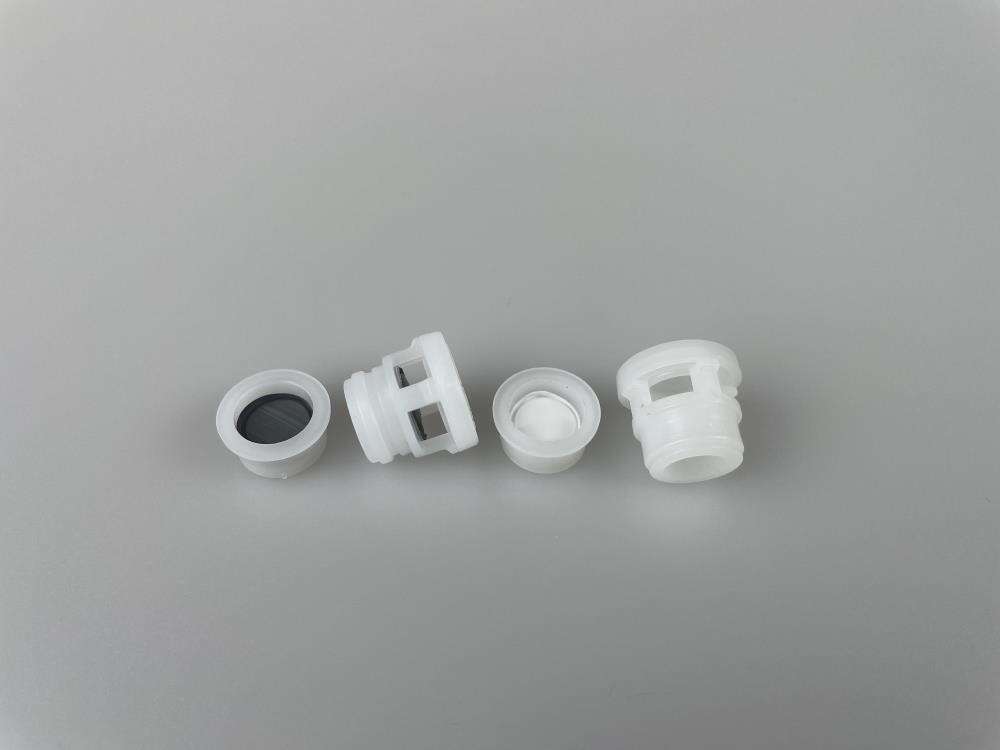
Advanced pressure relief systems utilize specialized membranes designed to respond predictably to temperature-induced pressure changes while maintaining barrier properties. These membranes must balance flexibility with durability, allowing controlled gas exchange when internal pressures exceed safe thresholds without compromising package sterility or allowing contamination ingress. Material selection becomes critical as different polymer compositions exhibit varying responses to temperature extremes.
High-quality valve membranes maintain their sealing properties across wide temperature ranges while providing consistent pressure relief performance. The membrane's elasticity and permeability characteristics can change with temperature, potentially affecting response times and pressure thresholds. Premium valve designs incorporate materials engineered to minimize temperature-dependent property changes, ensuring reliable performance whether packages encounter arctic cold or tropical heat during transit.
Activation Thresholds and Response Times
Effective pressure relief valves must activate quickly enough to prevent package damage while avoiding unnecessary activation from minor pressure fluctuations. Temperature shock scenarios can create rapid pressure changes that challenge valve response times, particularly when packages transition quickly between extreme temperature environments. The valve's ability to respond to both gradual temperature changes and sudden thermal shocks determines its effectiveness in real-world shipping conditions.
Optimal valve design incorporates predictable activation thresholds that account for typical shipping temperature ranges while providing safety margins for extreme conditions. Response time becomes crucial during rapid temperature changes, such as when frozen products are moved to ambient temperature loading docks or when ambient temperature packages enter refrigerated storage. A vent packaging valve must balance sensitivity with stability to provide reliable pressure management across diverse thermal environments.
Material Durability and Long-Term Performance
Polymer Degradation Under Thermal Cycling
Repeated temperature cycling creates cumulative stress on valve materials that can lead to gradual performance degradation over time. Polymer components may experience thermal fatigue, where repeated expansion and contraction cycles weaken molecular bonds and reduce material integrity. This degradation process accelerates when temperature ranges exceed the material's optimal operating conditions, potentially causing premature valve failure or compromised sealing performance.
Premium valve materials undergo extensive thermal cycling testing to verify long-term durability under realistic shipping conditions. Advanced polymer formulations incorporate thermal stabilizers and flexibility enhancers that resist degradation even under extreme temperature variations. Understanding material limitations helps manufacturers select appropriate valve specifications for products expected to encounter severe thermal environments during distribution.
Adhesive and Seal Integrity Maintenance
Temperature extremes challenge not only valve membranes but also the adhesive systems that attach valves to packaging surfaces. Adhesive performance can vary significantly with temperature, potentially losing bond strength in extreme cold or becoming overly aggressive in high heat conditions. Thermal cycling can create repeated stress on adhesive bonds as different materials expand and contract at different rates.
Successful valve applications require adhesive systems specifically formulated for temperature stability across expected shipping ranges. The bond between valve and package must maintain integrity throughout the product's distribution lifecycle while allowing proper valve function. Advanced adhesive technologies provide consistent performance across temperature ranges while maintaining removability when required for recycling or disposal purposes.
Real-World Performance Testing and Validation
Accelerated Aging Protocols for Temperature Exposure
Comprehensive testing protocols simulate years of real-world temperature exposure through accelerated aging techniques that compress thermal stress into shorter timeframes. These tests subject valve systems to extreme temperature cycles that exceed typical shipping conditions to identify potential failure modes and validate long-term performance predictions. Accelerated testing reveals how materials and assemblies respond to cumulative thermal stress over extended periods.
Effective testing protocols incorporate realistic temperature profiles based on actual shipping data rather than simple high-low cycling. Multi-zone testing simulates the complex temperature patterns encountered in global distribution networks, including gradual changes, rapid shocks, and sustained extreme conditions. This comprehensive approach provides confidence that valve systems will perform reliably throughout their intended service life regardless of shipping route or seasonal conditions.
Field Performance Monitoring and Data Collection
Real-world validation requires extensive field testing where instrumented packages track actual temperature and pressure conditions throughout distribution networks. This data collection reveals the true thermal environments encountered in commercial shipping while documenting valve performance under authentic conditions. Field testing identifies discrepancies between laboratory predictions and actual performance that inform design improvements.
Continuous monitoring programs track valve performance across different shipping routes, carriers, and seasonal conditions to build comprehensive performance databases. This information enables manufacturers to optimize valve specifications for specific applications and shipping requirements. Long-term field data also validates the effectiveness of accelerated testing protocols by comparing predicted performance with actual field results over extended periods.
Application-Specific Considerations and Best Practices
Product-Specific Thermal Requirements
Different product categories present unique thermal challenges that influence valve selection and application strategies. Food products may require temperature-controlled shipping but still experience significant thermal variations during loading and distribution. Pharmaceutical products often have strict temperature requirements but may encounter extreme conditions during emergency shipping or in regions with limited cold chain infrastructure.
Industrial products may intentionally encounter extreme temperatures as part of their application but require package protection during shipping and storage. Electronics and sensitive components require protection from both temperature extremes and the pressure changes that accompany thermal variations. Understanding specific product requirements enables optimal valve selection and application design for each unique shipping scenario.
Packaging Design Integration Strategies
Successful pressure management requires integrating valve systems into overall package design rather than treating them as standalone components. Package geometry, material selection, and structural design all influence internal pressure dynamics and valve performance requirements. Optimal integration considers the package's entire thermal response rather than focusing solely on valve specifications.
Advanced packaging designs incorporate multiple pressure management strategies that work together to maintain package integrity across temperature ranges. These systems may combine flexible packaging materials, strategic valve placement, and thermal insulation to minimize pressure variations while providing reliable relief when needed. Comprehensive design approaches ensure robust performance even when individual components encounter conditions beyond their optimal operating ranges.
FAQ
How do temperature shocks affect valve performance differently than gradual temperature changes
Temperature shocks create rapid pressure changes that challenge valve response times and may stress membrane materials differently than gradual temperature transitions. Sudden temperature changes can cause faster pressure buildup that requires immediate valve response, while gradual changes allow more time for pressure equalization. Shock conditions may also cause temporary material property changes that affect valve sensitivity and sealing performance until thermal equilibrium is restored.
What temperature range should packaging valves be designed to handle for global shipping
Global shipping environments typically require valve systems capable of operating reliably from minus 40 degrees Fahrenheit to plus 140 degrees Fahrenheit to accommodate extreme shipping conditions worldwide. This range covers arctic shipping routes, desert crossings, and tropical storage facilities while providing safety margins for unexpected temperature excursions. Premium applications may require even wider temperature ranges depending on specific shipping requirements and destination climates.
Can repeated temperature cycling cause permanent damage to pressure relief valves
Repeated temperature cycling can cause cumulative material fatigue that gradually degrades valve performance over time, particularly when temperature ranges exceed material design limits. However, high-quality valves engineered for shipping applications incorporate materials and designs specifically developed to resist thermal cycling damage. Proper material selection and conservative design margins ensure reliable performance throughout the product's expected distribution lifecycle even under severe thermal stress conditions.
How can manufacturers test valve temperature performance before full-scale implementation
Manufacturers should implement comprehensive testing protocols that include accelerated thermal cycling, shock temperature testing, and extended field trials with instrumented packages. Laboratory testing should simulate realistic temperature profiles based on actual shipping data rather than simple high-low cycles. Field validation with temperature and pressure monitoring provides essential real-world performance verification that confirms laboratory predictions and identifies potential issues before full-scale deployment.
Table of Contents
- Understanding Temperature-Induced Pressure Dynamics in Packaging
- Mechanical Response of Pressure Relief Systems
- Material Durability and Long-Term Performance
- Real-World Performance Testing and Validation
- Application-Specific Considerations and Best Practices
-
FAQ
- How do temperature shocks affect valve performance differently than gradual temperature changes
- What temperature range should packaging valves be designed to handle for global shipping
- Can repeated temperature cycling cause permanent damage to pressure relief valves
- How can manufacturers test valve temperature performance before full-scale implementation
