 EN
EN
 AR
AR
 CS
CS
 FR
FR
 DE
DE
 IT
IT
 JA
JA
 KO
KO
 PT
PT
 RU
RU
 ES
ES
 ID
ID
 VI
VI
 TH
TH
 TR
TR
 MS
MS

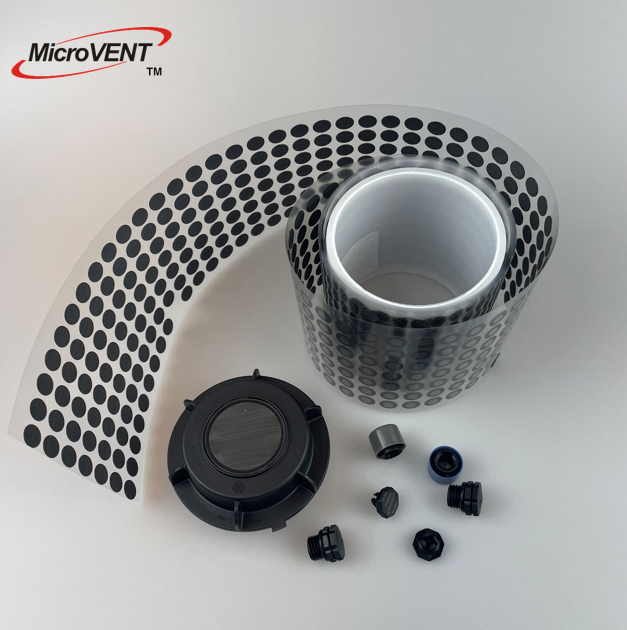
Package bloating during high-altitude shipping represents a significant challenge for manufacturers and distributors across various industries. As packages ascend to higher altitudes, the reduced atmospheric pressure causes trapped air inside sealed packaging to expand, leading to unsightly bloating, potential product damage, and compromised brand presentation. A vent packaging valve serves as an engineered solution to this pervasive problem by allowing controlled air release while maintaining package integrity and product protection throughout the entire shipping process.
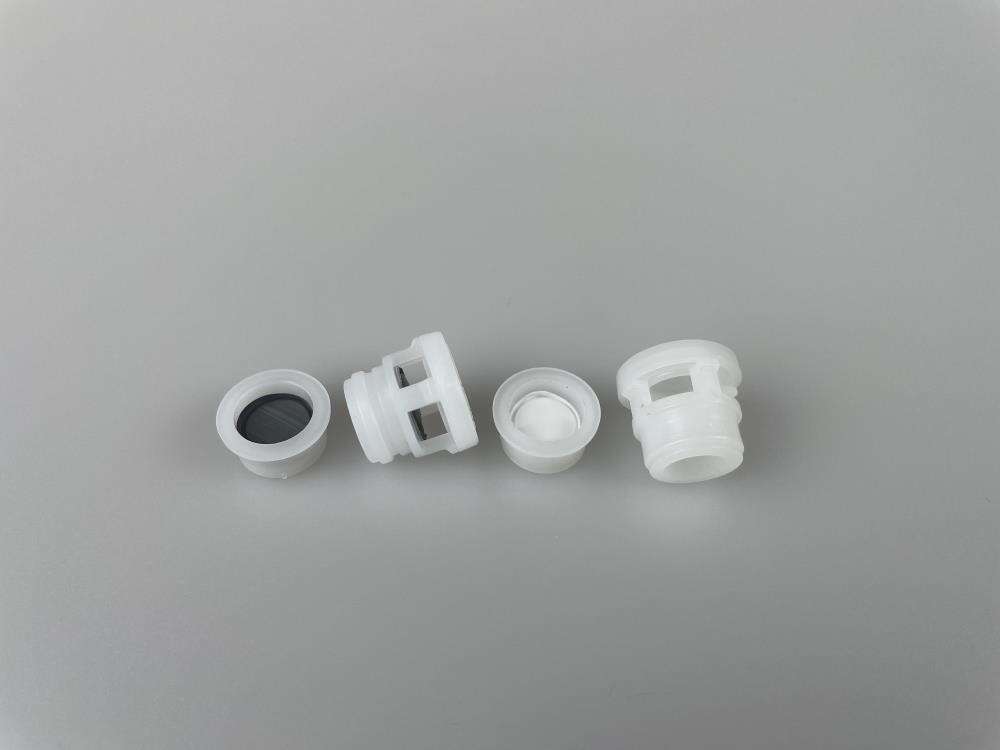
The physics behind altitude-related package bloating stems from Boyle's Law, which states that gas volume increases as pressure decreases when temperature remains constant. Commercial aircraft cargo holds typically maintain pressurized environments equivalent to altitudes between 6,000 and 8,000 feet, significantly lower than sea level pressure. This pressure differential can cause sealed packages containing even small amounts of trapped air to expand dramatically, resulting in distorted packaging that affects product presentation and potentially damages contents through excessive internal pressure.
Understanding the mechanisms of pressure equalization becomes crucial for packaging engineers seeking to maintain product integrity during transportation. Modern logistics networks routinely involve altitude changes that create challenging conditions for traditional sealed packaging systems. The implementation of specialized venting solutions addresses these challenges by providing controlled pathways for air exchange while preventing contamination and maintaining protective barriers around sensitive products.
Pressure Dynamics in High-Altitude Shipping
Atmospheric Pressure Variations
Atmospheric pressure decreases predictably with altitude, dropping approximately 12% for every 1,000 meters of elevation gain. At commercial aviation cruising altitudes, cabin pressure typically equals that found at 6,000 to 8,000 feet above sea level, representing a pressure reduction of 20-25% compared to sea level conditions. This substantial pressure differential creates significant expansion forces within sealed packages, often exceeding the structural limits of conventional flexible packaging materials.
The relationship between altitude and pressure follows established atmospheric models that packaging engineers can utilize to predict expansion rates and design appropriate venting solutions. Temperature variations during flight can compound these effects, as cargo hold temperatures may fluctuate significantly during ascent, cruise, and descent phases. These combined environmental stresses necessitate robust packaging solutions capable of managing both pressure and temperature-related volume changes without compromising product protection or package integrity.
Package Expansion Mechanics
When packages containing trapped air encounter reduced atmospheric pressure, the internal air expands according to gas laws, creating internal pressure that exceeds external atmospheric pressure. This pressure differential forces package walls outward, resulting in the characteristic bloating effect that can damage products, compromise seals, and create unprofessional appearance issues. The expansion rate depends on initial air volume, pressure differential magnitude, and package material flexibility characteristics.
Different packaging materials respond variably to internal pressure increases, with flexible films showing immediate expansion while rigid containers may experience stress concentration at weak points such as seams or corners. Understanding these material-specific responses enables packaging designers to optimize vent packaging valve placement and sizing for maximum effectiveness across diverse packaging formats and applications.
MicroVENT Technology and Design Principles
Valve Construction and Materials
MicroVENT packaging valves incorporate advanced materials science to create reliable, one-way venting systems that respond precisely to pressure differentials while maintaining barrier properties against external contaminants. The valve construction typically features multiple layers of specialized films or membranes engineered to open at predetermined pressure thresholds, allowing controlled air release without permitting reverse flow or contamination ingress.
High-performance polymer materials used in these valves resist degradation from temperature cycling, humidity variations, and mechanical stress encountered during shipping and handling. The valve design incorporates fail-safe mechanisms that ensure reliable operation across wide temperature ranges while maintaining structural integrity under repeated pressure cycling conditions typical of multi-leg shipping itineraries involving multiple altitude changes.
Pressure Activation Mechanisms
The activation mechanism within a vent packaging valve relies on precisely calibrated pressure differentials that trigger valve opening when internal package pressure exceeds external atmospheric pressure by predetermined amounts. This threshold-based operation ensures that valves remain closed under normal handling conditions while providing reliable venting during altitude-related pressure reductions.
Advanced valve designs incorporate multiple activation stages, allowing graduated response to varying pressure differentials. This multi-stage approach prevents excessive air loss during minor pressure variations while ensuring adequate venting capacity during significant altitude changes. The precision engineering required for these activation mechanisms demonstrates the sophisticated technology underlying effective packaging valve solutions.
Implementation and Application Strategies
Optimal Valve Placement
Strategic placement of vent packaging valve systems requires careful consideration of package geometry, air pocket locations, and handling orientations throughout the shipping process. Valves positioned at package high points ensure efficient air removal regardless of package orientation, while avoiding placement near product contact areas prevents potential contamination pathways.
The number of valves required depends on package volume, internal air space distribution, and expected pressure differential magnitudes. Large packages may require multiple valves to ensure uniform pressure relief across the entire package volume, while smaller packages typically achieve adequate venting with single valve installations strategically positioned for maximum effectiveness.
Integration with Existing Packaging Lines
Incorporating vent packaging valve technology into established packaging operations requires minimal modifications to existing equipment and processes. Most valve systems feature self-adhesive backing or heat-sealable attachments that integrate seamlessly with standard packaging machinery, enabling rapid implementation without significant capital investment or production line downtime.
Quality control procedures for valve installation focus on proper placement verification, adhesion strength testing, and activation pressure validation to ensure consistent performance across production runs. Automated inspection systems can verify valve presence and positioning, while sampling protocols confirm activation pressure settings meet specification requirements for specific shipping conditions and altitude profiles.
Industry Applications and Case Studies
Food and Beverage Packaging
Food packaging applications benefit significantly from vent packaging valve technology, particularly for products shipped in flexible pouches or bags containing residual air spaces. Coffee packaging represents a prime example, where freshly roasted beans release carbon dioxide that can cause package bloating even without altitude changes, making valve integration essential for maintaining package appearance and preventing burst failures during shipping.
Snack food manufacturers utilize venting solutions to prevent chip bag bloating during high-altitude transportation, ensuring that products reach consumers with optimal package appearance and protection. The valve technology maintains package integrity while preventing the unsightly bloating that can negatively impact consumer perception and shelf appeal in retail environments.
Pharmaceutical and Medical Applications
Pharmaceutical packaging requires stringent contamination control while addressing altitude-related expansion challenges, making specialized vent packaging valve systems essential for maintaining product sterility and package integrity. Medical device packaging often incorporates venting solutions to prevent sterile barrier system damage during shipping, ensuring that products remain sterile and functional upon arrival at healthcare facilities.
Temperature-sensitive pharmaceutical products benefit from venting systems that prevent package damage during temperature-controlled shipping, where altitude changes combined with thermal cycling can create challenging packaging conditions. The valve technology ensures that protective packaging remains intact while allowing necessary pressure equalization to prevent package failure.
Performance Benefits and Optimization
Quality Preservation Advantages
Implementing vent packaging valve technology delivers measurable improvements in product quality preservation by preventing package damage that can compromise product protection. Eliminating package bloating reduces stress on package seals and joints, preventing micro-leaks that could allow contamination or moisture ingress over extended storage periods.
The controlled venting action maintains optimal internal package conditions while preventing the pressure-related damage that can affect product presentation and integrity. This quality preservation translates directly into reduced return rates, improved customer satisfaction, and enhanced brand reputation in competitive markets where package appearance significantly influences purchasing decisions.
Cost-Effectiveness Analysis
The economic benefits of vent packaging valve implementation extend beyond immediate package protection to encompass reduced damage claims, decreased return processing costs, and improved supply chain efficiency. The relatively low cost of valve systems compared to potential damage and return expenses makes implementation financially attractive across most packaging applications.
Long-term cost savings include reduced packaging material waste from damaged packages, decreased labor costs associated with return processing, and improved inventory turnover rates resulting from enhanced package reliability. These cumulative benefits often exceed initial implementation costs within the first year of adoption, particularly for high-volume shipping operations involving regular altitude changes.
FAQ
What pressure differential triggers a vent packaging valve to activate
Most vent packaging valves activate when internal package pressure exceeds external atmospheric pressure by 0.1 to 0.3 psi, depending on valve design specifications and intended application requirements. This activation threshold ensures reliable operation during typical altitude changes while preventing unnecessary venting during minor pressure fluctuations encountered in normal handling and storage conditions.
How does valve placement affect venting performance in flexible packages
Valve placement significantly impacts venting effectiveness, with optimal positioning typically at package high points or corners where air naturally accumulates during pressure changes. Proper placement ensures efficient air evacuation regardless of package orientation during shipping and handling, while avoiding areas where valve operation might be impeded by product contact or package deformation.
Can vent packaging valves be used with vacuum-sealed packages
Vent packaging valves are not suitable for vacuum-sealed packages as they would allow air ingress and compromise the vacuum seal integrity. These valves are specifically designed for packages containing residual air that require pressure equalization rather than vacuum maintenance, making them ideal for modified atmosphere packaging but incompatible with vacuum packaging applications.
What maintenance or inspection requirements exist for installed packaging valves
Vent packaging valves require no maintenance once properly installed, as they are designed as single-use components integral to the package structure. Quality control procedures should verify proper valve placement and adhesion during packaging operations, while periodic activation pressure testing ensures that valve specifications remain within acceptable ranges for intended shipping conditions and altitude profiles.
