 EN
EN
 AR
AR
 CS
CS
 FR
FR
 DE
DE
 IT
IT
 JA
JA
 KO
KO
 PT
PT
 RU
RU
 ES
ES
 ID
ID
 VI
VI
 TH
TH
 TR
TR
 MS
MS

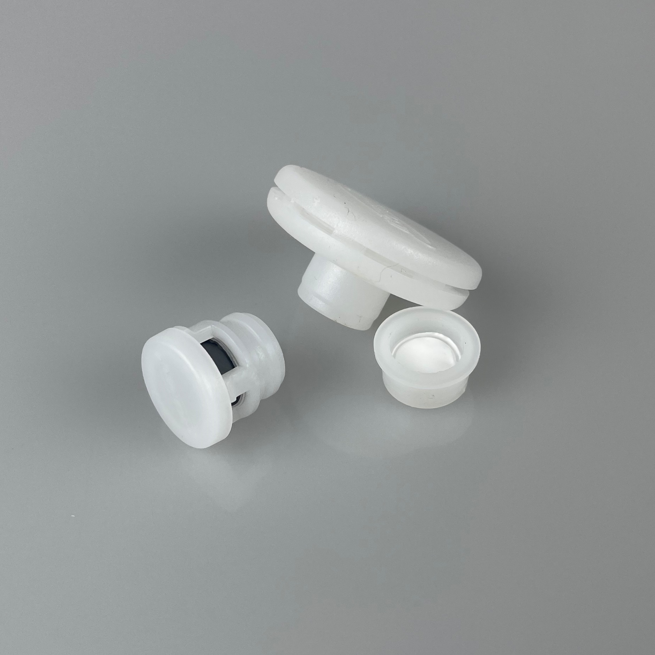
Modern packaging technology has revolutionized how we preserve product freshness and extend shelf life across various industries. Among the most innovative solutions emerging in recent years is the implementation of specialized venting systems that maintain optimal internal pressure while preventing contamination. These advanced packaging components have become essential for manufacturers seeking to balance product protection with extended storage capabilities, particularly in applications where pressure equalization is critical for maintaining product integrity.
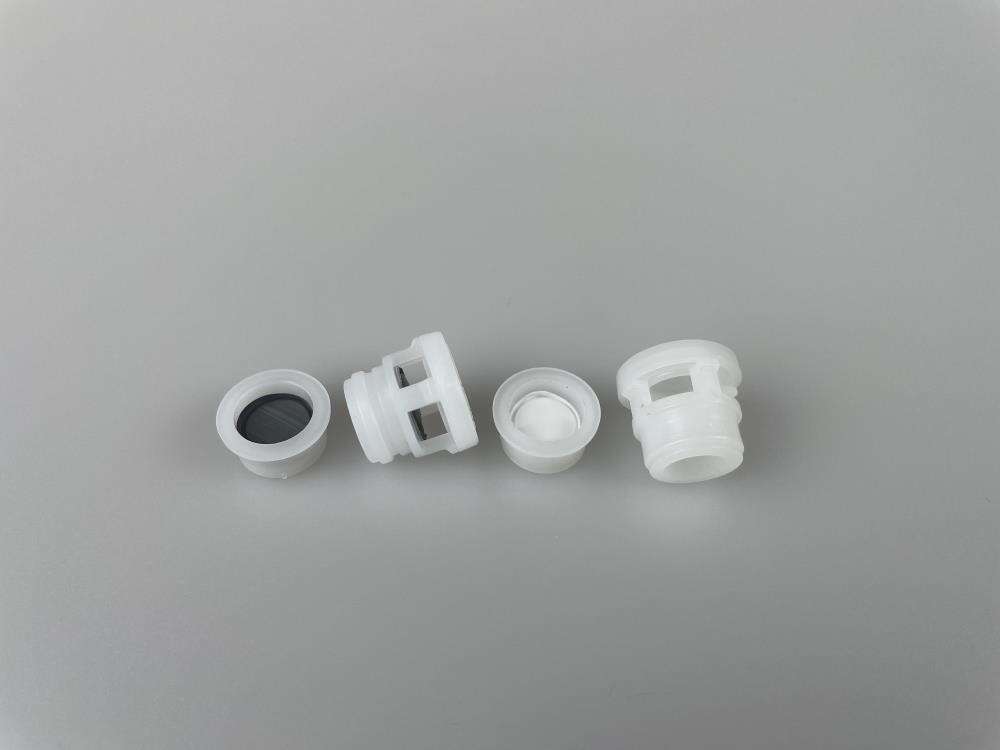
The relationship between internal packaging pressure and product longevity represents a complex interplay of environmental factors, material science, and engineering precision. Traditional packaging methods often struggle to address the dynamic pressure changes that occur during temperature fluctuations, altitude variations, and extended storage periods. This challenge has led to the development of sophisticated venting technologies that actively manage internal atmospheres while maintaining sterile barriers against external contamination sources.
Understanding Pressure Dynamics in Sealed Packaging
Impact of Temperature Variations on Internal Pressure
Temperature fluctuations create significant pressure changes within sealed containers, often leading to package deformation, seal failure, or product degradation. When ambient temperatures rise, gases inside packaging expand, creating positive pressure that can stress container walls and compromise closure integrity. Conversely, temperature drops cause internal pressure reduction, potentially creating vacuum conditions that may collapse flexible packaging or draw contaminants through microscopic seal imperfections.
These pressure variations become particularly problematic during transportation and storage across different climate zones. Products shipped from temperate manufacturing facilities to tropical destinations experience dramatic internal pressure increases that can rupture conventional packaging. Similarly, products stored in temperature-controlled environments but transported through varying conditions face repeated pressure cycling that gradually weakens packaging materials and accelerates product degradation processes.
Altitude Effects on Package Integrity
Atmospheric pressure changes with altitude create additional challenges for sealed packaging systems. Products packaged at sea level experience internal overpressure when transported to higher elevations, while items packaged at altitude may develop vacuum conditions when moved to lower elevations. These pressure differentials can cause package bulging, label distortion, and in extreme cases, complete packaging failure that compromises product sterility and shelf stability.
The aviation industry has long recognized these challenges, developing specialized packaging protocols for products transported by air freight. However, ground transportation across mountainous regions presents similar pressure variation challenges that many manufacturers overlook. Understanding these altitude-related pressure dynamics is crucial for developing packaging solutions that maintain product integrity throughout the entire distribution chain.
Mechanisms of Pressure Equalization Technology
Selective Permeability Principles
Advanced vent packaging valve systems utilize selective permeability membranes that allow gas exchange while blocking liquid and particulate contamination. These membranes feature microscopic pore structures engineered to specific molecular size exclusions, permitting air molecules to pass while preventing bacteria, viruses, and other contaminants from entering the package interior. This selective barrier technology maintains sterile conditions while enabling pressure equalization across varying environmental conditions.
The molecular engineering behind these selective barriers involves precise control over pore size distribution, surface chemistry, and material hydrophobicity. Manufacturers employ advanced polymer processing techniques to create membranes with consistent pore geometries that maintain their selective properties across wide temperature and humidity ranges. This consistency ensures reliable performance throughout product shelf life, regardless of storage conditions or environmental variations encountered during distribution.
Flow Rate Calibration and Control
Effective pressure equalization requires carefully calibrated gas exchange rates that balance rapid pressure relief with contamination prevention. Engineers design vent packaging valve systems with specific flow characteristics that respond appropriately to pressure differentials while maintaining minimal air exchange under normal conditions. This calibrated response prevents excessive gas exchange that could accelerate product oxidation while ensuring adequate pressure relief during environmental changes.
Flow rate optimization involves computational fluid dynamics modeling to predict gas movement patterns through valve structures under various pressure conditions. These models help engineers design valve geometries that provide consistent performance across anticipated operating ranges while minimizing dead zones where contaminants might accumulate. Advanced manufacturing techniques ensure that production valves match theoretical specifications for reliable field performance.
Applications Across Industry Sectors
Pharmaceutical and Medical Device Packaging
The pharmaceutical industry has embraced pressure equalization technology for packaging temperature-sensitive medications, sterile medical devices, and diagnostic reagents. These products often require extended shelf life while maintaining absolute sterility, making vent packaging valve systems essential for preventing pressure-related package failures that could compromise product efficacy or safety. Regulatory agencies increasingly recognize the benefits of these systems for maintaining product quality throughout extended distribution chains.
Medical device manufacturers particularly benefit from pressure equalization in packaging complex instruments with multiple chambers or delicate components. Traditional vacuum packaging can distort flexible components or create stress concentrations in rigid materials, while pressure equalization maintains neutral internal conditions that preserve device geometry and functional integrity. This application has become standard practice for packaging surgical instruments, diagnostic equipment, and implantable devices requiring long-term sterile storage.
Food and Beverage Industry Applications
Food manufacturers utilize vent packaging valve technology to extend product freshness while preventing package deformation that affects consumer perception and retail presentation. Products containing active ingredients, fermentation processes, or temperature-sensitive components benefit significantly from controlled gas exchange that maintains optimal internal atmospheres without compromising product safety or quality standards established by food safety regulations.
Beverage manufacturers have found particular success with vent packaging valve systems for products containing dissolved gases or those prone to fermentation during storage. These applications require precise pressure management to prevent container over-pressurization while maintaining product carbonation levels and flavor profiles. The technology has proven especially valuable for craft beverage producers who need extended shelf life without compromising product authenticity or artisanal quality characteristics.
Quality Control and Performance Validation
Testing Methodologies for Valve Performance
Comprehensive testing protocols validate vent packaging valve performance across anticipated operating conditions, including accelerated aging studies, contamination resistance testing, and pressure cycling evaluations. These tests simulate years of storage conditions in compressed timeframes, providing manufacturers with confidence in long-term product performance and helping identify potential failure modes before products reach market distribution channels.
Advanced testing facilities employ environmental chambers that replicate extreme temperature and humidity conditions while monitoring internal package atmospheres in real-time. These controlled studies generate data on valve response characteristics, membrane degradation rates, and contamination prevention effectiveness across extended periods. Results from these comprehensive testing programs inform product design improvements and establish performance specifications for quality control during manufacturing.
Regulatory Compliance and Documentation
Regulatory agencies require extensive documentation of packaging system performance, including validation studies that demonstrate product protection throughout intended shelf life periods. Vent packaging valve systems must meet stringent requirements for contamination prevention, material biocompatibility, and performance consistency across manufacturing lots. Manufacturers maintain detailed records of testing results, material certifications, and process controls to support regulatory submissions and ongoing compliance monitoring.
Documentation requirements extend beyond initial product approval to include ongoing surveillance programs that monitor field performance and identify emerging trends in system behavior. These programs help manufacturers maintain regulatory compliance while continuously improving product performance and identifying opportunities for next-generation technology development. Regulatory agencies increasingly recognize the value of these proactive monitoring approaches for maintaining public safety and product quality.
Economic Benefits and Cost Analysis
Reduction in Product Loss and Returns
Implementation of vent packaging valve technology significantly reduces product losses due to packaging failure, contamination, or premature degradation. Manufacturers report substantial decreases in customer returns, warranty claims, and product recalls when utilizing properly designed pressure equalization systems. These reductions translate directly to improved profitability and enhanced brand reputation in competitive markets where product quality differentiation drives consumer preference.
Cost analysis studies demonstrate that initial investments in advanced packaging technology typically recover within the first year through reduced waste, improved production efficiency, and decreased customer service costs. Long-term benefits include enhanced market positioning, improved distributor relationships, and increased customer loyalty resulting from consistent product quality. These economic advantages become particularly significant for premium products where quality perception directly influences pricing strategies and market share growth.
Extended Distribution Capabilities
Vent packaging valve systems enable manufacturers to expand distribution networks into challenging geographic markets or extended supply chains without compromising product quality. This capability opens new revenue opportunities while reducing inventory costs through longer shelf life allowances. Manufacturers can optimize production scheduling, reduce safety stock requirements, and improve overall supply chain efficiency through enhanced packaging performance and reliability.
Distribution partners benefit from reduced handling requirements, lower storage costs, and decreased inventory turnover pressures when working with products featuring extended shelf life capabilities. These advantages strengthen distributor relationships and enable more aggressive market expansion strategies. The technology particularly benefits manufacturers entering international markets where extended shipping times and complex distribution networks challenge traditional packaging approaches.
Future Developments and Innovation Trends
Smart Valve Technology Integration
Emerging developments in vent packaging valve technology include integration with smart sensors that monitor internal package conditions and communicate status information throughout distribution chains. These intelligent systems provide real-time data on pressure conditions, contamination detection, and valve performance, enabling proactive quality management and predictive maintenance approaches that further enhance product protection and shelf life extension capabilities.
Advanced materials research focuses on developing self-healing membranes that automatically repair minor damage, adaptive permeability systems that adjust response characteristics based on environmental conditions, and biodegradable valve materials that support sustainability initiatives without compromising performance. These innovations promise to expand application possibilities while addressing growing environmental concerns in packaging design and disposal.
Sustainability and Environmental Considerations
Environmental sustainability drives innovation in vent packaging valve materials and manufacturing processes, with increasing emphasis on recyclable components, reduced material consumption, and energy-efficient production methods. Manufacturers are developing bio-based membrane materials that maintain performance characteristics while supporting circular economy principles and reducing environmental impact throughout product lifecycles.
Life cycle assessment studies guide development of more sustainable valve designs that balance performance requirements with environmental responsibility. These assessments consider material sourcing, manufacturing energy consumption, transportation impacts, and end-of-life disposal options to optimize overall environmental performance. Results inform design decisions that support both product performance objectives and corporate sustainability commitments.
FAQ
How does a vent packaging valve prevent contamination while allowing pressure equalization
Vent packaging valves utilize selective permeability membranes with microscopic pores sized to allow air molecules passage while blocking bacteria, viruses, and other contaminants. The membrane material features hydrophobic properties that repel liquids while permitting gas exchange, maintaining sterile internal conditions during pressure equalization events. This selective barrier technology ensures contamination prevention while enabling necessary pressure relief during environmental changes.
What industries benefit most from implementing vent packaging valve systems
Pharmaceutical, medical device, food and beverage, and chemical industries derive significant benefits from vent packaging valve implementation. These sectors require extended shelf life, contamination prevention, and package integrity across varying environmental conditions. Products containing active ingredients, temperature-sensitive components, or sterile requirements particularly benefit from controlled pressure equalization that maintains product quality while preventing package failure during distribution and storage.
How much can vent packaging valves extend typical product shelf life
Shelf life extension varies by product type and storage conditions, but manufacturers typically report 20-50% increases in usable product life when implementing properly designed vent packaging valve systems. Products previously limited by package failure or pressure-related degradation show the most dramatic improvements. Actual extension depends on specific application requirements, environmental conditions, and overall packaging system design optimization for particular product characteristics.
What factors should manufacturers consider when selecting vent packaging valve specifications
Key selection factors include expected pressure differentials, contamination prevention requirements, gas exchange rate specifications, temperature operating ranges, and regulatory compliance needs. Manufacturers must evaluate product compatibility, package material properties, distribution environment conditions, and shelf life objectives when specifying valve performance characteristics. Professional consultation with packaging engineers ensures optimal valve selection that balances performance requirements with cost-effectiveness and regulatory compliance standards.
Table of Contents
- Understanding Pressure Dynamics in Sealed Packaging
- Mechanisms of Pressure Equalization Technology
- Applications Across Industry Sectors
- Quality Control and Performance Validation
- Economic Benefits and Cost Analysis
- Future Developments and Innovation Trends
-
FAQ
- How does a vent packaging valve prevent contamination while allowing pressure equalization
- What industries benefit most from implementing vent packaging valve systems
- How much can vent packaging valves extend typical product shelf life
- What factors should manufacturers consider when selecting vent packaging valve specifications
