 EN
EN
 AR
AR
 CS
CS
 FR
FR
 DE
DE
 IT
IT
 JA
JA
 KO
KO
 PT
PT
 RU
RU
 ES
ES
 ID
ID
 VI
VI
 TH
TH
 TR
TR
 MS
MS

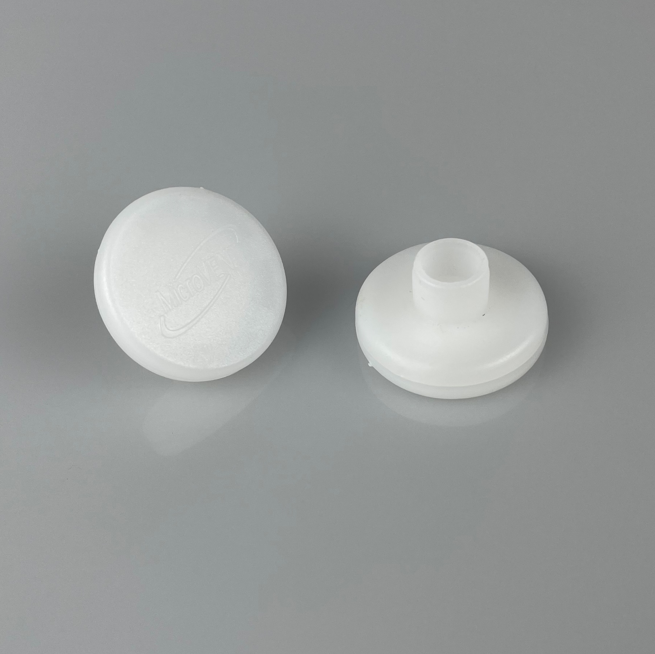
Industrial applications requiring precise moisture and pressure equalization demand specialized venting solutions that can withstand harsh environmental conditions while maintaining optimal performance. The MicroVENT eptfe membrane represents a breakthrough in protective venting technology, offering superior breathability and durability compared to conventional alternatives. Understanding when to select this advanced membrane solution over traditional options can significantly impact equipment longevity, maintenance costs, and operational reliability across diverse industrial sectors.
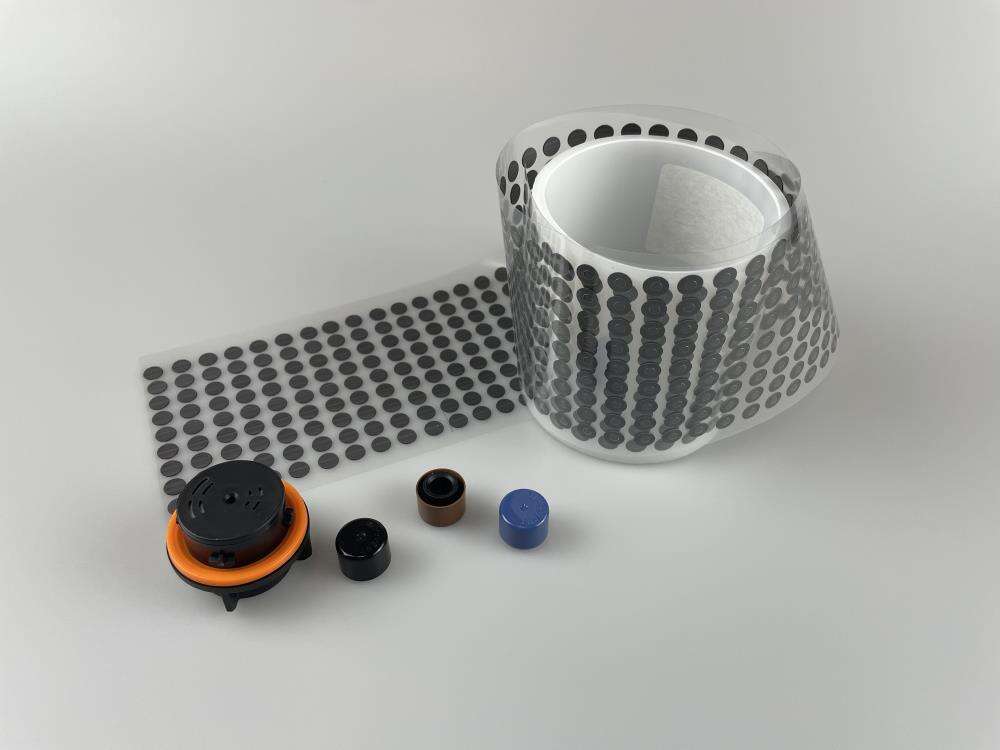
The selection of appropriate venting membranes requires careful consideration of environmental factors, performance requirements, and long-term cost implications. Modern industrial equipment faces increasingly challenging operating conditions, from extreme temperature fluctuations to chemical exposure and mechanical stress. The MicroVENT eptfe membrane addresses these challenges through its unique microporous structure, which provides exceptional protection while maintaining consistent airflow characteristics throughout its service life.
Understanding ePTFE Membrane Technology
Microporous Structure Advantages
The expanded polytetrafluoroethylene construction of MicroVENT eptfe membrane creates a three-dimensional network of interconnected micropores that enable selective permeability. This sophisticated structure allows air and water vapor to pass through while blocking liquid water, dust particles, and other contaminants. The uniform pore size distribution ensures consistent performance across varying temperature and pressure conditions, making it ideal for applications where reliability is paramount.
Unlike traditional fabric-based venting solutions, the microporous architecture of ePTFE membranes maintains structural integrity under mechanical stress and thermal cycling. The material exhibits excellent dimensional stability, preventing pore deformation that could compromise filtration efficiency or breathability. This stability is particularly crucial in applications involving vibration, thermal expansion, or frequent pressure differentials that might damage conventional venting materials.
Chemical Resistance Properties
The inherent chemical inertness of PTFE provides the MicroVENT eptfe membrane with exceptional resistance to acids, bases, solvents, and other aggressive chemicals commonly encountered in industrial environments. This resistance extends the membrane's service life significantly compared to alternatives made from polyester, polypropylene, or other synthetic materials that may degrade when exposed to harsh chemicals. The membrane maintains its performance characteristics even after prolonged exposure to challenging chemical environments.
Industrial applications involving cleaning solvents, hydraulic fluids, or corrosive atmospheres benefit tremendously from this chemical stability. The MicroVENT eptfe membrane resists swelling, hardening, or structural degradation that would compromise its protective function. This reliability translates to reduced maintenance requirements and lower total cost of ownership compared to frequently replaced conventional venting solutions.
Performance Comparison with Alternative Solutions
Breathability and Pressure Equalization
The exceptional breathability of MicroVENT eptfe membrane surpasses that of traditional woven fabrics, non-woven materials, and plastic venting solutions. The precise pore structure enables rapid pressure equalization while maintaining protective barriers against contaminants. This superior breathability prevents the buildup of internal pressure that could damage seals, gaskets, or electronic components within protected enclosures.
Comparative testing demonstrates that MicroVENT eptfe membrane maintains consistent airflow rates across wide temperature ranges, while alternative materials often exhibit significant performance variations. The membrane's ability to handle rapid pressure changes without compromising its protective function makes it particularly valuable in applications involving thermal cycling or altitude changes that create challenging venting requirements.
Durability and Service Life
Long-term performance studies reveal that MicroVENT eptfe membrane maintains its structural integrity and filtration efficiency far longer than conventional alternatives. The material's resistance to UV radiation, ozone exposure, and thermal degradation ensures consistent performance throughout extended service periods. This durability reduces replacement frequency and associated maintenance costs, particularly important in applications where accessibility is limited or downtime is costly.
The membrane's resistance to biological growth and contamination accumulation further extends its service life compared to organic alternatives. Unlike cellulose-based or natural fiber venting materials, the MicroVENT eptfe membrane does not support microbial growth that could compromise its protective function or create odor issues. This biological inertness is particularly valuable in humid environments or applications involving organic compounds.
Optimal Application Scenarios
Harsh Environmental Conditions
The MicroVENT eptfe membrane excels in applications involving extreme temperatures, high humidity, or aggressive chemical environments where conventional venting solutions fail. Outdoor equipment exposed to weather extremes benefits from the membrane's ability to maintain performance across temperature ranges from sub-zero to elevated operating conditions. The material's hydrophobic properties prevent water ingress while allowing vapor transmission, crucial for maintaining equipment functionality in marine or high-humidity environments.
Industrial processes involving chemical vapors, cleaning solutions, or corrosive atmospheres require the superior chemical resistance of MicroVENT eptfe membrane. The material's stability ensures continued protection even when exposed to solvents, acids, or bases that would quickly degrade alternative venting materials. This chemical compatibility makes it the preferred choice for pharmaceutical manufacturing, chemical processing, and laboratory equipment applications.
High-Value Equipment Protection
Critical applications involving sensitive electronic equipment, precision instrumentation, or expensive machinery justify the investment in MicroVENT eptfe membrane due to its superior protection capabilities. The membrane's ability to prevent contamination while maintaining optimal internal conditions extends equipment life and reduces costly failures. Applications in medical devices, analytical instruments, and telecommunications equipment particularly benefit from this enhanced protection.
The consistent performance of MicroVENT eptfe membrane reduces maintenance requirements and operational disruptions compared to alternatives requiring frequent replacement or cleaning. This reliability is especially valuable in remote installations, underground equipment, or applications where service access is difficult or expensive. The membrane's self-cleaning properties and resistance to contamination buildup minimize intervention requirements throughout its service life.
Cost-Benefit Analysis Considerations
Initial Investment vs Long-Term Value
While the initial cost of MicroVENT eptfe membrane may exceed that of basic venting alternatives, comprehensive cost analysis reveals significant long-term savings through reduced maintenance, extended service life, and improved equipment protection. The membrane's durability and consistent performance eliminate the frequent replacement cycles associated with conventional venting materials, reducing both material costs and labor expenses over the equipment's operational life.
The superior protection provided by MicroVENT eptfe membrane prevents costly equipment failures, corrosion damage, and contamination-related issues that could result in expensive repairs or premature replacement. This protective value becomes particularly significant in high-value applications where equipment downtime or failure costs far exceed the membrane's initial investment. The membrane's reliability contributes to improved overall system availability and reduced total cost of ownership.
Maintenance and Replacement Factors
The extended service life of MicroVENT eptfe membrane significantly reduces maintenance frequency compared to alternative venting solutions. The membrane's resistance to clogging, degradation, and performance loss minimizes the need for regular inspection, cleaning, or replacement activities. This reduction in maintenance requirements translates to lower labor costs, reduced equipment downtime, and improved operational efficiency.
The membrane's self-cleaning properties and resistance to contamination accumulation maintain consistent performance without regular intervention. Unlike fabric-based alternatives that may require periodic cleaning or replacement due to dust accumulation or biological growth, the MicroVENT eptfe membrane maintains its protective function throughout extended service periods. This reliability is particularly valuable in applications where maintenance access is difficult or where continuous operation is critical.
Installation and Integration Guidelines
Proper Mounting Techniques
Successful implementation of MicroVENT eptfe membrane requires attention to proper mounting techniques that preserve the membrane's integrity and optimize its performance. The membrane should be installed with appropriate support structures that prevent mechanical stress or deformation during operation. Proper sealing around the perimeter ensures that all air exchange occurs through the membrane rather than around its edges, maintaining the protective barrier's effectiveness.
Environmental factors such as temperature cycling, vibration, and chemical exposure must be considered during installation to ensure long-term performance. The mounting system should accommodate thermal expansion and contraction without placing stress on the membrane material. Proper orientation relative to gravity and prevailing weather conditions optimizes the membrane's self-cleaning properties and prevents water accumulation that could compromise its function.
System Integration Considerations
The integration of MicroVENT eptfe membrane into existing systems requires careful consideration of airflow requirements, pressure differentials, and environmental conditions. The membrane's size and configuration should be selected to provide adequate venting capacity while maintaining the desired protection level. System design should account for seasonal variations in temperature and humidity that affect venting requirements and membrane performance.
Compatibility with existing sealing systems and enclosure designs ensures optimal performance of the MicroVENT eptfe membrane installation. The membrane's characteristics must be matched to the specific application requirements, considering factors such as expected pressure differentials, contamination levels, and service environment. Proper system integration maximizes the membrane's protective capabilities while ensuring reliable operation throughout its service life.
FAQ
How long does MicroVENT eptfe membrane typically last compared to standard venting materials
MicroVENT eptfe membrane typically provides service life extending 3-5 times longer than conventional venting materials such as woven fabrics or non-woven alternatives. The exact service life depends on environmental conditions, but the membrane's superior chemical resistance and structural stability enable extended operation in harsh conditions where alternatives would fail within months. This extended service life significantly reduces replacement frequency and associated maintenance costs over the equipment's operational lifetime.
Can MicroVENT eptfe membrane handle extreme temperature variations effectively
Yes, MicroVENT eptfe membrane maintains consistent performance across extreme temperature ranges from -40°C to +150°C, far exceeding the capabilities of most alternative venting materials. The membrane's dimensional stability and chemical inertness prevent degradation or performance loss during thermal cycling. This temperature resistance makes it ideal for applications involving outdoor equipment, industrial processes with temperature variations, or environments with seasonal climate extremes.
What makes MicroVENT eptfe membrane more cost-effective than cheaper alternatives
The total cost of ownership for MicroVENT eptfe membrane is typically lower than cheaper alternatives due to reduced replacement frequency, minimal maintenance requirements, and superior equipment protection. While the initial investment may be higher, the membrane's extended service life, consistent performance, and ability to prevent costly equipment failures result in significant long-term savings. The membrane's reliability also reduces downtime and maintenance labor costs, contributing to improved operational efficiency and lower overall system costs.
Is MicroVENT eptfe membrane suitable for applications involving chemical exposure
MicroVENT eptfe membrane exhibits exceptional chemical resistance, making it suitable for applications involving acids, bases, solvents, and other aggressive chemicals that would quickly degrade conventional venting materials. The PTFE construction provides inherent chemical inertness that maintains membrane integrity and performance even with prolonged chemical exposure. This chemical compatibility makes it the preferred choice for pharmaceutical, chemical processing, and laboratory applications where chemical resistance is critical for reliable operation.
Table of Contents
- Understanding ePTFE Membrane Technology
- Performance Comparison with Alternative Solutions
- Optimal Application Scenarios
- Cost-Benefit Analysis Considerations
- Installation and Integration Guidelines
-
FAQ
- How long does MicroVENT eptfe membrane typically last compared to standard venting materials
- Can MicroVENT eptfe membrane handle extreme temperature variations effectively
- What makes MicroVENT eptfe membrane more cost-effective than cheaper alternatives
- Is MicroVENT eptfe membrane suitable for applications involving chemical exposure
