 EN
EN
 AR
AR
 CS
CS
 FR
FR
 DE
DE
 IT
IT
 JA
JA
 KO
KO
 PT
PT
 RU
RU
 ES
ES
 ID
ID
 VI
VI
 TH
TH
 TR
TR
 MS
MS

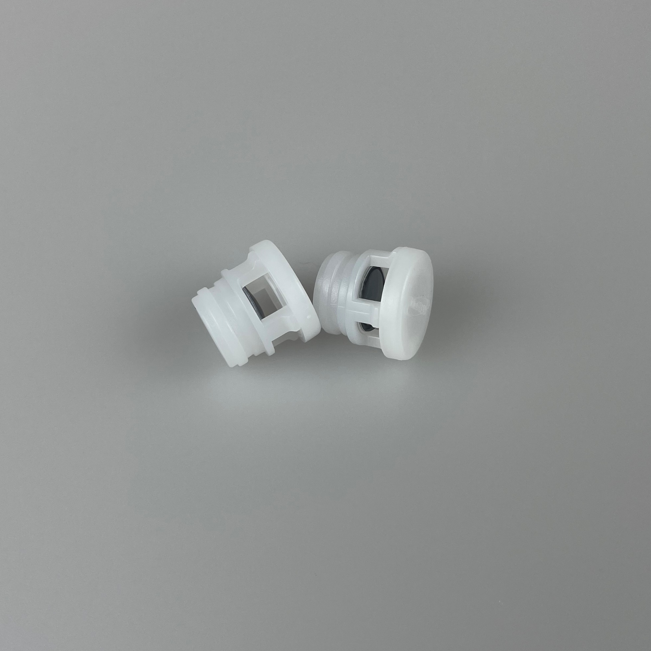
Container deformation during shipping represents one of the most significant challenges facing manufacturers across numerous industries today. When products are transported over long distances or stored in varying environmental conditions, pressure differentials can cause containers to buckle, dent, or collapse entirely. A packaging valve serves as a critical solution to this widespread problem by regulating internal pressure and maintaining structural integrity throughout the supply chain. The implementation of proper venting technology has become essential for companies seeking to reduce product loss, minimize customer complaints, and maintain brand reputation in competitive markets.
Understanding Container Deformation Mechanics
Pressure Differential Fundamentals
Container deformation occurs when external atmospheric pressure exceeds internal container pressure, creating an imbalance that forces the container walls to collapse inward. This phenomenon is particularly pronounced when containers are filled at one altitude and transported to different elevations, where atmospheric pressure variations can be substantial. Temperature fluctuations during shipping also contribute to pressure changes, as heating causes gas expansion while cooling leads to contraction. The packaging valve technology addresses these issues by allowing controlled air exchange while preventing contamination or product loss.
The severity of deformation depends on multiple factors including container wall thickness, material properties, internal volume, and the magnitude of pressure differential. Rigid containers with thin walls are especially susceptible to collapse when internal pressure drops below critical thresholds. Understanding these mechanics enables manufacturers to implement appropriate protective measures, with packaging valve systems providing the most effective solution for maintaining pressure equilibrium during transit and storage.
Common Deformation Scenarios
Shipping containers frequently encounter deformation when transported from sea level to high-altitude destinations, where reduced atmospheric pressure can create significant pressure differentials. Cold storage environments present another challenge, as temperature reduction causes internal gas contraction and subsequent vacuum formation. Long-distance transportation through varying climate zones exposes containers to multiple pressure and temperature cycles, each potentially contributing to structural compromise.
Industrial packaging often experiences deformation during warehouse storage, particularly in facilities with temperature control systems that create rapid environmental changes. Seasonal variations in temperature and humidity can also trigger deformation over extended storage periods. The packaging valve serves as a preventive measure against all these scenarios by maintaining pressure balance regardless of external environmental conditions.
MicroVent Technology and Design
Advanced Valve Engineering
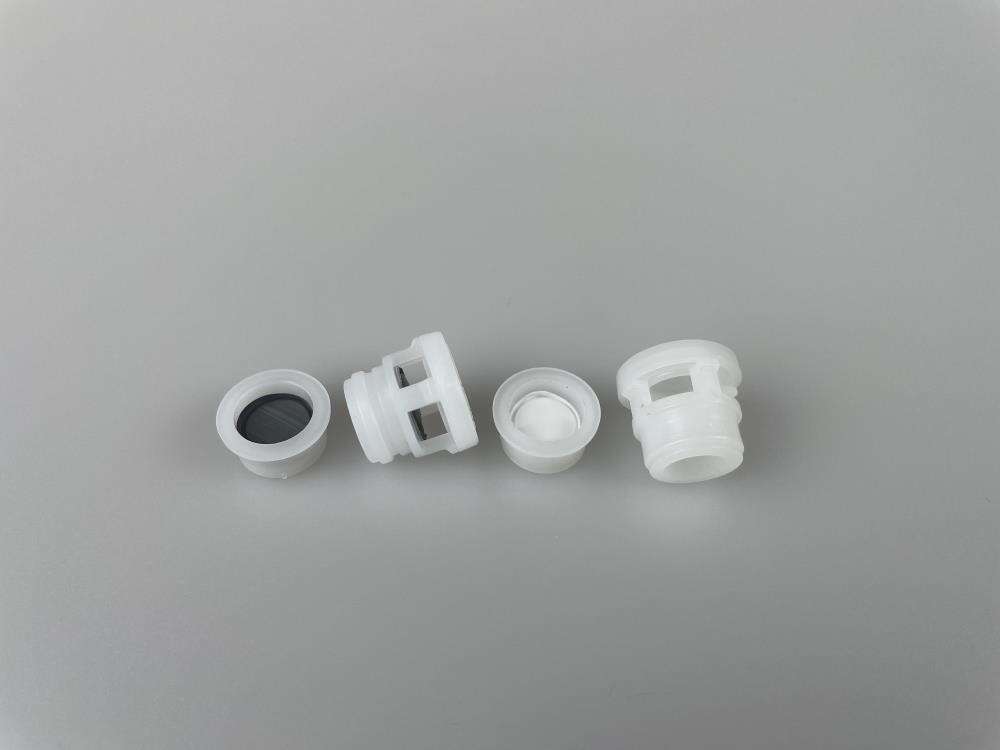
MicroVent packaging valve technology incorporates precision-engineered components designed to respond automatically to pressure differentials while maintaining product integrity. The valve mechanism features a sensitive diaphragm that opens when internal pressure drops below predetermined thresholds, allowing controlled air entry to equalize pressure. This sophisticated design ensures reliable operation across wide temperature and pressure ranges commonly encountered during shipping and storage operations.
The engineering behind MicroVent systems focuses on achieving optimal sensitivity while preventing contamination ingress. Advanced materials and manufacturing processes ensure consistent valve performance throughout the product lifecycle. The packaging valve construction incorporates multiple sealing layers and filtration elements that protect against dust, moisture, and other environmental contaminants while maintaining precise pressure regulation capabilities.
Installation and Integration
MicroVent packaging valve systems integrate seamlessly into existing container designs without requiring significant modifications to manufacturing processes. The compact valve profile allows installation in various container configurations, from small consumer packages to large industrial containers. Installation typically involves creating a precise opening in the container wall and securing the valve using specialized mounting hardware designed for permanent attachment.
Integration considerations include valve placement optimization to ensure maximum effectiveness while maintaining container aesthetics and functionality. The packaging valve must be positioned to allow unrestricted air flow while protecting the valve mechanism from physical damage during handling. Proper installation procedures ensure long-term reliability and consistent performance throughout the container's service life.
Shipping Protection Benefits
Structural Integrity Preservation
The primary benefit of implementing packaging valve technology lies in maintaining container structural integrity throughout the shipping process. By preventing vacuum formation and pressure differentials, these valves eliminate the primary cause of container deformation. This protection extends beyond cosmetic concerns to ensure product safety, reduce handling damage, and maintain packaging functionality during distribution.
Preserved structural integrity translates directly into reduced product loss and improved customer satisfaction. Containers that arrive undamaged require less handling during receiving operations and present a more professional appearance to end users. The packaging valve investment pays dividends through reduced warranty claims, decreased product returns, and enhanced brand reputation in the marketplace.
Cost Reduction and Efficiency
Implementing packaging valve systems generates significant cost savings through multiple channels, including reduced product damage, decreased packaging material requirements, and improved shipping efficiency. Containers protected by valve technology require less protective packaging, reducing material costs and shipping weights. The elimination of deformation-related damage reduces insurance claims and replacement product costs.
Operational efficiency improvements include faster loading and unloading operations due to consistent container dimensions and reduced handling precautions. Distribution centers experience fewer delays related to damaged container handling and product inspection. The packaging valve system's reliability reduces the need for specialized shipping procedures and allows standard handling protocols throughout the supply chain.
Environmental and Temperature Considerations
Climate Adaptation
MicroVent packaging valve technology demonstrates exceptional performance across diverse climatic conditions, from tropical humidity to arctic cold. The valve mechanism maintains consistent operation despite temperature extremes that would cause significant pressure variations in sealed containers. Advanced materials resist degradation from UV exposure, moisture, and temperature cycling commonly encountered during shipping operations.
Climate adaptation capabilities ensure reliable protection regardless of shipping routes or seasonal variations. The packaging valve system's robust design accommodates the expansion and contraction cycles that occur during day-night temperature variations and seasonal changes. This adaptability makes the technology suitable for global distribution networks with varying environmental challenges.
Altitude and Pressure Variations
High-altitude transportation presents unique challenges for container integrity, as atmospheric pressure decreases significantly with elevation changes. MicroVent packaging valve systems automatically compensate for these pressure variations, preventing deformation that commonly occurs when containers are transported through mountain passes or stored at high elevations. The valve's sensitivity ensures rapid response to pressure changes while maintaining precise control.
Air freight applications particularly benefit from packaging valve protection, as aircraft cargo holds experience dramatic pressure and temperature variations during flight operations. The valve technology ensures container integrity throughout the flight cycle, from ground level loading to cruise altitude and back to destination elevation. This protection eliminates altitude-related damage that can occur with traditional sealed containers.
Industrial Applications and Use Cases
Food and Beverage Industry
The food and beverage industry relies heavily on packaging valve technology to maintain product quality and container integrity during distribution. Liquid products in flexible containers are particularly susceptible to deformation when internal pressure drops, leading to handling difficulties and product presentation issues. MicroVent systems ensure containers maintain their intended shape while protecting product freshness and safety.
Beverage containers benefit significantly from packaging valve protection, as carbonated products create unique pressure challenges during storage and shipping. The valve system prevents vacuum formation while maintaining carbonation levels and container structure. Food packaging applications include everything from sauce containers to bulk ingredient storage, where maintaining container shape is critical for automated handling systems.
Chemical and Industrial Products
Chemical manufacturers face stringent safety requirements that make container integrity paramount during shipping and storage operations. Packaging valve systems provide essential protection against deformation that could compromise containment or create safety hazards. Industrial chemicals often require specific storage orientations that become impossible with deformed containers, making valve protection essential for operational safety.
Hazardous material shipping regulations often require containers to maintain structural integrity throughout transportation, making packaging valve technology a compliance necessity rather than an optional enhancement. The valve system's reliability ensures consistent performance under the demanding conditions associated with chemical transportation and storage operations.
Quality Control and Testing
Performance Validation
MicroVent packaging valve systems undergo rigorous testing to ensure consistent performance across specified operating ranges. Testing protocols include pressure differential simulation, temperature cycling, and long-term durability assessments that verify valve reliability under real-world conditions. Quality control procedures ensure each valve meets strict performance criteria before installation in production containers.
Performance validation includes compatibility testing with various container materials and configurations to ensure optimal integration and effectiveness. The packaging valve undergoes accelerated aging tests that simulate years of operational exposure in compressed timeframes. These comprehensive testing procedures provide confidence in the valve system's ability to prevent deformation throughout the product's distribution lifecycle.
Reliability Standards
Industry-standard reliability requirements guide MicroVent packaging valve development and manufacturing processes. The valve system must demonstrate consistent performance across thousands of pressure cycles while maintaining contamination protection and structural integrity. Reliability standards encompass not only valve operation but also installation durability and long-term material stability.
Manufacturing quality control includes statistical sampling and testing procedures that ensure batch consistency and performance reliability. The packaging valve production process incorporates multiple inspection points and performance verification steps that identify potential issues before products reach customers. These quality measures ensure reliable deformation prevention across diverse shipping and storage conditions.
Installation and Maintenance
Implementation Process
Successful packaging valve implementation requires careful planning and execution to ensure optimal performance and container integrity. The installation process begins with container analysis to determine optimal valve placement and sizing requirements. Precision drilling or molding creates the valve mounting location, followed by secure attachment using appropriate hardware and sealing materials.
Implementation considerations include production line integration and worker training to ensure consistent installation quality. The packaging valve installation process must maintain production efficiency while ensuring proper valve function and container seal integrity. Quality control checkpoints verify proper installation and valve operation before containers enter the distribution system.
Maintenance Requirements
MicroVent packaging valve systems require minimal maintenance once properly installed, contributing to their cost-effectiveness and operational efficiency. Regular inspection procedures can identify potential issues before they affect container protection, though valve replacement is rarely necessary during normal container lifecycles. Maintenance protocols focus primarily on installation integrity rather than valve mechanism servicing.
Long-term maintenance considerations include storage condition monitoring and handling procedure verification to ensure continued valve effectiveness. The packaging valve system's robust design minimizes maintenance requirements while providing reliable deformation prevention throughout the container's service life. Proper handling procedures protect both the valve mechanism and container integrity during shipping and storage operations.
FAQ
How does a packaging valve prevent container collapse during temperature changes
A packaging valve prevents container collapse by automatically opening when internal pressure drops below atmospheric pressure, allowing controlled air entry to equalize pressure differences. When temperatures decrease during shipping or storage, the valve responds immediately to prevent vacuum formation that would otherwise cause container deformation. This automatic pressure regulation maintains container shape regardless of temperature variations encountered during distribution.
What types of containers benefit most from MicroVent packaging valve protection
Flexible and semi-rigid containers with large internal volumes benefit most from packaging valve protection, as these designs are most susceptible to pressure-related deformation. Containers shipped over long distances, through varying elevations, or stored in temperature-controlled environments also receive significant protection benefits. Any container where structural integrity affects product safety, handling efficiency, or customer perception should consider packaging valve implementation.
Can packaging valves affect product freshness or contamination risk
Modern packaging valve systems include sophisticated filtration and sealing mechanisms that prevent contamination while allowing controlled air exchange. The valve design maintains product freshness by preventing air infiltration during normal conditions while only activating when pressure equalization is necessary. Advanced valve materials and construction ensure contamination protection while providing essential deformation prevention capabilities.
What is the typical lifespan and reliability of MicroVent packaging valve systems
MicroVent packaging valve systems demonstrate exceptional reliability with operational lifespans typically exceeding container service requirements. The valve mechanism withstands thousands of pressure cycles while maintaining consistent performance and contamination protection. Manufacturing quality control and materials selection ensure reliable operation throughout normal shipping and storage timeframes, making valve failure extremely rare during typical container lifecycles.
Table of Contents
- Understanding Container Deformation Mechanics
- MicroVent Technology and Design
- Shipping Protection Benefits
- Environmental and Temperature Considerations
- Industrial Applications and Use Cases
- Quality Control and Testing
- Installation and Maintenance
-
FAQ
- How does a packaging valve prevent container collapse during temperature changes
- What types of containers benefit most from MicroVent packaging valve protection
- Can packaging valves affect product freshness or contamination risk
- What is the typical lifespan and reliability of MicroVent packaging valve systems
