 EN
EN
 AR
AR
 CS
CS
 FR
FR
 DE
DE
 IT
IT
 JA
JA
 KO
KO
 PT
PT
 RU
RU
 ES
ES
 ID
ID
 VI
VI
 TH
TH
 TR
TR
 MS
MS

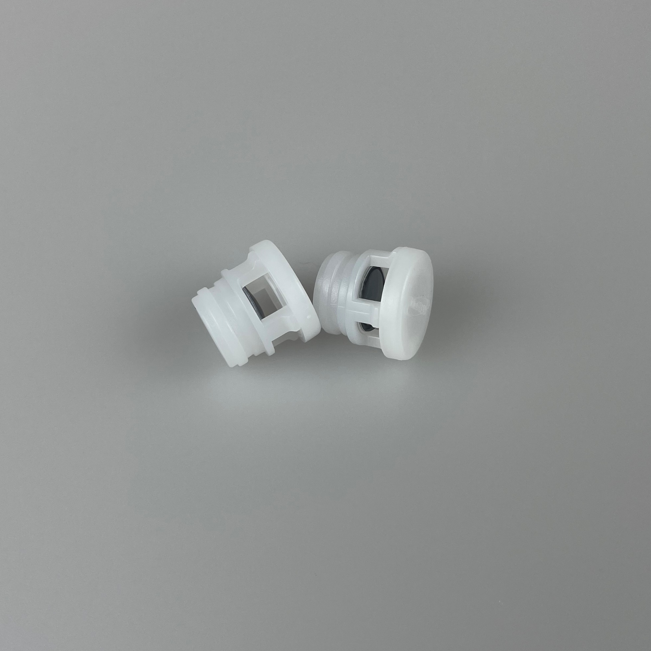
Modern electronic devices face the challenging dual requirement of maintaining waterproof protection while delivering crystal-clear audio performance. The acoustic eptfe membrane technology has emerged as the definitive solution for manufacturers seeking to balance these critical design elements. This advanced membrane system enables superior sound transmission while providing robust barrier protection against moisture, dust, and environmental contaminants that could compromise device functionality.
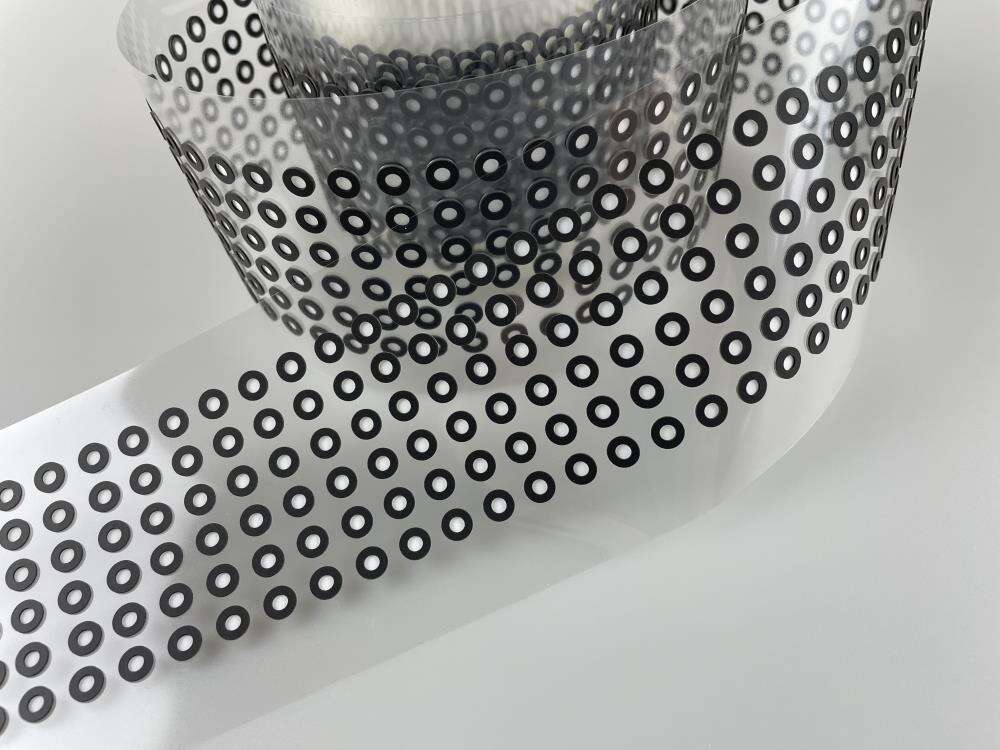
Understanding Acoustic Membrane Technology Fundamentals
Material Science Behind EPTFE Membranes
Expanded polytetrafluoroethylene represents a breakthrough in membrane engineering, offering unique properties that make it ideal for acoustic applications. The acoustic eptfe membrane structure features millions of microscopic pores that allow air and sound waves to pass freely while blocking water molecules and larger contaminants. This selective permeability ensures that audio quality remains uncompromised even in harsh environmental conditions where traditional materials would fail.
The manufacturing process involves stretching PTFE material to create a microporous structure with exceptional mechanical strength and chemical resistance. This acoustic eptfe membrane configuration maintains consistent performance across temperature variations, humidity changes, and exposure to various chemicals commonly encountered in industrial and consumer applications. The material's inherent properties make it suitable for long-term deployment without degradation in acoustic performance.
Acoustic Transmission Properties and Performance
Sound transmission through an acoustic eptfe membrane occurs through carefully engineered pore structures that optimize frequency response while maintaining protective barriers. The membrane's design allows for minimal insertion loss across critical frequency ranges, ensuring that voice clarity, music reproduction, and alert signals maintain their intended characteristics. Advanced testing protocols verify that each acoustic eptfe membrane meets stringent performance standards for both audio quality and environmental protection.
Frequency response characteristics of the acoustic eptfe membrane demonstrate exceptional linearity across the audible spectrum, with particular emphasis on voice communication ranges. This consistency enables manufacturers to predict and optimize their device performance without concerns about membrane-induced distortion or attenuation. The stable acoustic properties remain constant throughout the membrane's operational lifetime, providing reliable performance for end users.
Waterproof Protection Without Acoustic Compromise
Barrier Performance Against Environmental Factors
The protective capabilities of an acoustic eptfe membrane extend far beyond basic water resistance, encompassing protection against dust, oils, cleaning solvents, and other contaminants that could damage sensitive electronic components. IP67 and IP68 ratings are readily achievable with proper membrane integration, allowing devices to withstand submersion while maintaining full acoustic functionality. This level of protection enables deployment in challenging environments where conventional protection methods would be inadequate.
Long-term durability testing demonstrates that the acoustic eptfe membrane maintains its protective properties through thousands of pressure cycles, temperature extremes, and chemical exposure scenarios. The membrane's resistance to UV degradation, ozone exposure, and mechanical stress ensures consistent performance throughout the product lifecycle. This reliability translates to reduced warranty claims and increased customer satisfaction for device manufacturers.
Installation and Integration Considerations
Proper installation of an acoustic eptfe membrane requires attention to sealing methods, backing support structures, and acoustic chamber design to optimize performance. The membrane must be securely bonded to the housing while avoiding tension or compression that could affect its acoustic properties. Acoustic eptfe membrane systems benefit from careful consideration of the acoustic path length and chamber geometry to maximize sound transmission efficiency.
Design engineers must account for the membrane's mechanical properties when specifying mounting methods and support structures. The acoustic eptfe membrane requires adequate backing support to prevent deflection under pressure differentials while maintaining the flexibility necessary for optimal sound transmission. Proper installation techniques ensure that the membrane's performance characteristics remain stable across varying operating conditions.
Industrial Applications and Performance Benefits
Consumer Electronics and Mobile Devices
Smartphone manufacturers increasingly rely on acoustic eptfe membrane technology to enable waterproof designs without sacrificing call quality or speaker performance. The membrane's thin profile allows integration into compact device architectures while providing robust protection against moisture ingress during daily use. Advanced smartphone designs incorporate multiple acoustic eptfe membrane elements to protect speakers, microphones, and pressure sensors simultaneously.
Wearable devices present unique challenges where the acoustic eptfe membrane must withstand continuous exposure to perspiration, cleaning agents, and environmental moisture while maintaining clear audio for notifications and communication. The membrane's biocompatible properties and resistance to salt water make it ideal for fitness trackers and smartwatches that require reliable performance during intense physical activity.
Industrial and Automotive Applications
Heavy industrial equipment utilizes acoustic eptfe membrane systems to protect communication devices and alarm systems in harsh operating environments. The membrane's resistance to oils, solvents, and high-pressure wash-down procedures makes it essential for manufacturing equipment that must maintain audio functionality while meeting stringent hygiene requirements. Industrial acoustic eptfe membrane installations demonstrate exceptional longevity even under continuous exposure to challenging conditions.
Automotive applications demand acoustic eptfe membrane solutions that withstand temperature cycling, humidity variations, and exposure to automotive fluids while maintaining clear audio for hands-free communication and navigation systems. The membrane's stable performance across the automotive temperature range ensures consistent operation from arctic conditions to desert heat. Advanced automotive designs incorporate acoustic eptfe membrane technology in multiple locations to protect various audio components.
Design Optimization and Performance Enhancement
Acoustic Chamber Design Principles
Optimizing the acoustic chamber behind an acoustic eptfe membrane requires careful consideration of volume, shape, and internal surface treatments to minimize resonances and maximize frequency response uniformity. The chamber design must provide adequate air space for proper membrane operation while fitting within device size constraints. Acoustic modeling software helps engineers predict and optimize the interaction between the acoustic eptfe membrane and the surrounding acoustic environment.
Resonance control becomes critical when designing acoustic chambers for acoustic eptfe membrane systems, as unwanted resonances can create frequency response irregularities that affect audio quality. Strategic placement of damping materials and careful shaping of internal surfaces help minimize these effects while maintaining the protective benefits of the membrane system. The acoustic eptfe membrane itself contributes minimal resonance due to its low mass and high damping characteristics.
Environmental Testing and Validation
Comprehensive testing protocols for acoustic eptfe membrane systems include accelerated aging tests, cyclic pressure testing, chemical resistance evaluation, and long-term acoustic performance monitoring. These tests ensure that the membrane maintains its protective and acoustic properties throughout the expected product lifetime. Environmental testing standards specific to acoustic eptfe membrane applications help manufacturers validate their designs and meet regulatory requirements.
Quality assurance procedures for acoustic eptfe membrane production include individual membrane testing for pore structure uniformity, tensile strength verification, and acoustic transmission measurement. These quality controls ensure consistent performance across production lots and help identify any process variations that could affect membrane performance. Statistical process control methods track key parameters to maintain the high-quality standards required for acoustic eptfe membrane applications.
Future Developments and Advanced Applications
Emerging Technologies and Materials
Research into advanced acoustic eptfe membrane formulations focuses on enhancing frequency response characteristics, reducing thickness requirements, and improving integration with emerging device architectures. Nanotechnology applications promise to deliver acoustic eptfe membrane systems with even more precise pore control and enhanced performance characteristics. These developments will enable new applications where current membrane technology approaches its performance limits.
Smart membrane technologies incorporate sensing capabilities into the acoustic eptfe membrane structure, enabling real-time monitoring of environmental conditions and membrane performance. These intelligent systems can provide feedback on membrane integrity and optimize acoustic performance based on operating conditions. Advanced acoustic eptfe membrane designs may incorporate self-healing properties to maintain performance even after minor physical damage.
Market Trends and Industry Evolution
The growing demand for waterproof electronic devices drives continued innovation in acoustic eptfe membrane technology, with manufacturers seeking solutions that enable smaller, more efficient designs without compromising protection or audio quality. Industry trends toward increased device miniaturization challenge membrane manufacturers to develop thinner, more flexible acoustic eptfe membrane solutions while maintaining performance standards.
Sustainability considerations increasingly influence acoustic eptfe membrane development, with research focusing on recyclable materials and manufacturing processes that minimize environmental impact. The long service life and reliable performance of acoustic eptfe membrane systems already contribute to sustainability by reducing device replacement frequency and electronic waste generation.
FAQ
How does an acoustic eptfe membrane maintain sound quality while providing waterproof protection
An acoustic eptfe membrane achieves this balance through its unique microporous structure that allows air molecules and sound waves to pass freely while blocking water droplets and larger contaminants. The pore size is carefully controlled to be smaller than water droplets but larger than air molecules, enabling excellent acoustic transmission with reliable moisture protection. This selective permeability maintains the membrane's protective function without introducing significant acoustic losses or frequency response distortion.
What environmental conditions can acoustic eptfe membrane systems withstand
Acoustic eptfe membrane systems demonstrate exceptional durability across extreme temperature ranges from -40°C to +85°C, while maintaining performance under high humidity conditions, chemical exposure, and UV radiation. The membrane material resists degradation from oils, solvents, salt water, and cleaning agents commonly encountered in industrial and consumer applications. Pressure testing confirms reliable operation under water submersion conditions meeting IP67 and IP68 standards while preserving acoustic functionality.
How should engineers integrate acoustic eptfe membrane technology into device designs
Successful integration requires careful attention to sealing methods, acoustic chamber design, and mechanical support structures to optimize both protective and acoustic performance. The membrane must be properly sealed around its perimeter while avoiding excessive tension that could affect its acoustic properties. Engineers should design adequate backing support and consider the acoustic path geometry to maximize sound transmission efficiency while ensuring the membrane can handle expected pressure differentials and environmental stresses.
What quality standards apply to acoustic eptfe membrane manufacturing and testing
Manufacturing standards for acoustic eptfe membrane systems include rigorous pore structure analysis, tensile strength testing, acoustic transmission measurement, and environmental resistance validation. Quality control procedures verify membrane uniformity, sealing integrity, and long-term performance stability through accelerated aging tests and cyclic stress evaluation. Industry-specific standards ensure that acoustic eptfe membrane products meet the demanding requirements of consumer electronics, automotive, and industrial applications where reliable performance is critical.
Table of Contents
- Understanding Acoustic Membrane Technology Fundamentals
- Waterproof Protection Without Acoustic Compromise
- Industrial Applications and Performance Benefits
- Design Optimization and Performance Enhancement
- Future Developments and Advanced Applications
-
FAQ
- How does an acoustic eptfe membrane maintain sound quality while providing waterproof protection
- What environmental conditions can acoustic eptfe membrane systems withstand
- How should engineers integrate acoustic eptfe membrane technology into device designs
- What quality standards apply to acoustic eptfe membrane manufacturing and testing
