 EN
EN
 AR
AR
 CS
CS
 FR
FR
 DE
DE
 IT
IT
 JA
JA
 KO
KO
 PT
PT
 RU
RU
 ES
ES
 ID
ID
 VI
VI
 TH
TH
 TR
TR
 MS
MS

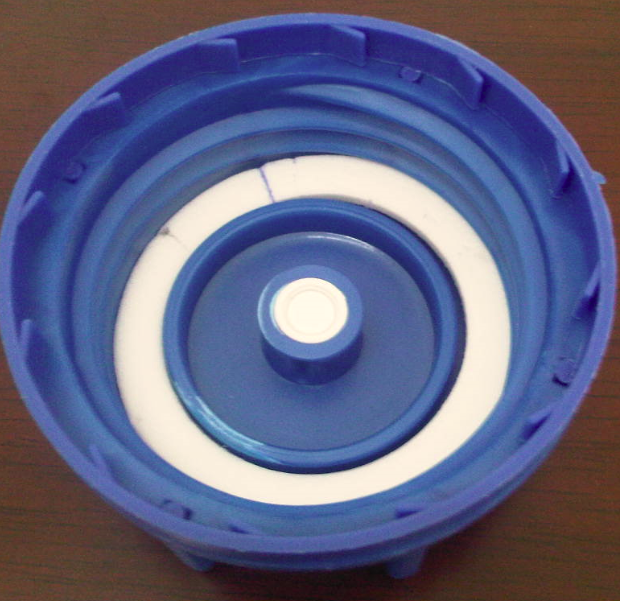
Modern industrial applications demand sophisticated solutions for pressure management and environmental protection. The ePTFE membrane technology has emerged as a critical component in ensuring optimal performance across diverse sectors including electronics, automotive, and outdoor equipment manufacturing. This advanced membrane material provides exceptional breathability while maintaining waterproof characteristics, making it an indispensable solution for applications requiring precise pressure stabilization and moisture control.
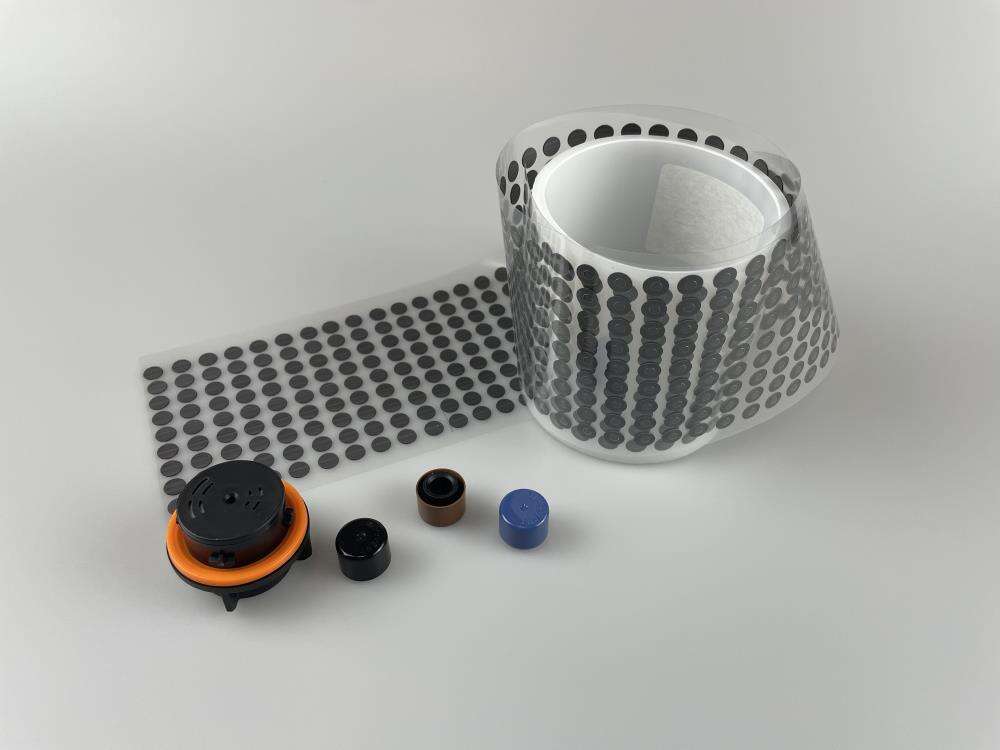
The unique microstructure of ePTFE membrane creates microscopic pores that allow air and vapor transmission while preventing liquid water penetration. This selective permeability enables enclosed systems to equalize pressure differentials caused by temperature fluctuations, altitude changes, or thermal cycling. Industries worldwide rely on this technology to protect sensitive components from moisture damage while preventing pressure-related failures that could compromise product integrity and performance.
Understanding ePTFE Membrane Technology
Material Composition and Structure
The ePTFE membrane consists of expanded polytetrafluoroethylene that undergoes a specialized stretching process during manufacturing. This expansion creates a three-dimensional microporous structure with interconnected pathways that facilitate controlled gas exchange. The resulting membrane exhibits exceptional chemical resistance, thermal stability, and mechanical durability while maintaining consistent porosity characteristics across varying environmental conditions.
Manufacturing precision ensures uniform pore distribution throughout the ePTFE membrane matrix, typically ranging from 0.1 to 0.5 microns in diameter. These precisely controlled openings permit water vapor molecules to pass through while blocking larger liquid water droplets, creating an effective barrier against moisture ingress. The membrane's hydrophobic surface properties further enhance its water-repelling capabilities while maintaining optimal breathability performance.
Performance Characteristics
Key performance metrics of ePTFE membrane include air permeability rates, water entry pressure thresholds, and temperature stability ranges. Typical air flow rates range from 5 to 50 liters per minute per square meter at standard test pressures, providing adequate venting capacity for most industrial applications. The membrane maintains consistent performance across temperature ranges from -40°C to +125°C, ensuring reliable operation in extreme environmental conditions.
The ePTFE membrane demonstrates exceptional durability under cyclic loading conditions, withstanding repeated pressure differentials without structural degradation. Chemical compatibility extends to most industrial solvents, acids, and alkaline solutions, making it suitable for harsh chemical environments. UV resistance properties ensure long-term outdoor performance without significant deterioration in membrane characteristics or functionality.
Pressure Stabilization Mechanisms
Equilibrium Pressure Management
Effective pressure stabilization through ePTFE membrane technology relies on controlled air exchange between enclosed spaces and ambient environments. Temperature-induced volume changes create internal pressure variations that must be managed to prevent component damage or seal failure. The membrane allows rapid pressure equalization while maintaining protection against contamination ingress.
Thermal cycling in electronic enclosures creates significant pressure differentials as air expands and contracts with temperature changes. The ePTFE membrane provides immediate pressure relief, preventing stress concentration on seals, gaskets, and housing materials. This rapid response capability protects sensitive components from mechanical damage while maintaining environmental isolation.
Dynamic Response Characteristics
The ePTFE membrane responds instantaneously to pressure differentials, providing real-time pressure equalization without significant flow resistance. Low differential pressure requirements ensure minimal stress on surrounding components while maintaining effective venting performance. Response time measurements typically show equilibrium achievement within seconds of pressure application, demonstrating the membrane's effectiveness in dynamic applications.
Flow rate characteristics remain consistent across varying pressure differentials, ensuring predictable performance in applications with fluctuating operating conditions. The membrane's mechanical properties prevent deformation under normal operating pressures while maintaining structural integrity during extreme pressure events. This reliability ensures consistent protection throughout the product lifecycle without performance degradation.
Industrial Applications and Benefits
Electronics and Telecommunications
Electronic enclosures require precise environmental control to protect sensitive circuitry from moisture damage while allowing thermal expansion relief. The ePTFE membrane provides optimal protection for outdoor telecommunications equipment, preventing condensation formation while maintaining pressure equilibrium during temperature cycling. Applications include cellular base stations, fiber optic junction boxes, and industrial control systems exposed to harsh environmental conditions.
Automotive electronics benefit significantly from ePTFE membrane integration, particularly in engine compartment applications where extreme temperature variations create substantial pressure differentials. Electronic control modules, sensor housings, and lighting assemblies utilize membrane technology to prevent moisture ingress while accommodating thermal expansion. The membrane's chemical resistance ensures reliable performance in presence of automotive fluids and exhaust gases.
Outdoor Equipment and Sporting Goods
Waterproof breathable textiles incorporate ePTFE membrane technology to provide comfort and protection in outdoor applications. The membrane allows body moisture vapor transmission while preventing external water penetration, creating comfortable microclimate conditions for users. Applications span from high-performance outdoor clothing to protective equipment used in industrial and military environments.
Footwear applications utilize ePTFE membrane technology to create waterproof yet breathable shoe constructions. The membrane prevents water ingress while allowing internal moisture vapor escape, reducing foot discomfort and preventing bacterial growth. Specialized lamination techniques bond the membrane to textile substrates while maintaining flexibility and durability requirements for active use applications.
Installation and Design Considerations
Membrane Integration Methods
Proper installation of ePTFE membrane requires careful attention to sealing interfaces and mounting configurations. Compression gaskets provide optimal sealing while preventing membrane damage during assembly procedures. Thread-in vent designs incorporate the membrane within threaded housings that integrate directly into equipment enclosures, providing convenient installation and replacement capabilities.
Adhesive bonding methods enable permanent membrane attachment to housing surfaces, creating seamless integration with product designs. Surface preparation requirements include thorough cleaning and degreasing to ensure optimal adhesive bond strength. Protective backing materials shield the membrane during handling and installation while providing additional mechanical support in high-stress applications.
Environmental Protection Features
The ePTFE membrane incorporates multiple protection layers to enhance durability in demanding applications. Protective screens prevent physical damage from debris while maintaining air flow characteristics. Chemical-resistant coatings provide additional protection against aggressive environmental conditions without compromising membrane permeability.
UV-stabilized materials ensure long-term outdoor performance without degradation in membrane properties. Hydrophobic treatments enhance water repellency while maintaining vapor transmission capabilities. These protective features extend membrane service life while maintaining consistent performance characteristics throughout the operational period.
Quality Standards and Testing Protocols
Performance Verification Methods
Comprehensive testing protocols verify ePTFE membrane performance across critical parameters including air permeability, water entry pressure, and burst strength characteristics. Standardized test methods ensure consistent quality control while providing reliable performance data for application engineering. Environmental testing validates membrane durability under accelerated aging conditions simulating long-term field exposure.
Quality assurance procedures include statistical process control monitoring throughout manufacturing operations, ensuring consistent membrane properties batch-to-batch. Incoming material inspection verifies raw material specifications while in-process testing validates manufacturing parameters. Final product testing confirms specification compliance before shipment to customers, ensuring reliable field performance.
Certification and Compliance
Industry certifications validate ePTFE membrane performance according to recognized international standards including IP rating specifications for ingress protection. Military standards compliance ensures suitability for defense applications requiring exceptional reliability under extreme conditions. Automotive industry certifications verify performance under vehicle operating conditions including vibration, temperature cycling, and chemical exposure requirements.
Regulatory compliance extends to food contact applications where ePTFE membrane materials meet FDA requirements for direct food contact surfaces. Biocompatibility testing validates medical device applications while ensuring patient safety in implantable and external medical equipment. Environmental regulations compliance includes RoHS and REACH requirements for hazardous substance restrictions in European markets.
FAQ
What makes ePTFE membrane different from traditional venting solutions
The ePTFE membrane offers superior performance compared to traditional mechanical venting solutions through its selective permeability characteristics. Unlike simple breather valves that may allow contamination ingress, the membrane provides continuous pressure equalization while maintaining complete environmental protection. Its microporous structure enables precise control over gas exchange rates while blocking liquid water and particulate contamination.
How does temperature affect ePTFE membrane performance
Temperature variations have minimal impact on ePTFE membrane functionality within its specified operating range of -40°C to +125°C. The membrane maintains consistent air permeability and water entry pressure characteristics across this temperature spectrum, ensuring reliable pressure stabilization regardless of environmental conditions. Thermal cycling tests demonstrate no degradation in membrane properties after thousands of temperature cycles.
What maintenance requirements apply to ePTFE membrane installations
The ePTFE membrane requires minimal maintenance due to its self-cleaning properties and contamination resistance. Periodic visual inspection ensures membrane integrity while cleaning procedures involve gentle water rinsing to remove surface debris. Replacement intervals depend on application severity but typically extend several years in normal operating conditions. No special tools or procedures are required for membrane replacement in threaded vent configurations.
Can ePTFE membrane withstand exposure to chemicals and solvents
The ePTFE membrane demonstrates exceptional chemical resistance to most industrial chemicals, solvents, and aggressive environments. Its fluoropolymer composition provides inherent inertness to acids, bases, and organic solvents commonly encountered in industrial applications. Specific compatibility information should be verified for critical applications involving unusual chemical exposures or extreme concentration levels to ensure optimal performance and longevity.
