 EN
EN
 AR
AR
 CS
CS
 FR
FR
 DE
DE
 IT
IT
 JA
JA
 KO
KO
 PT
PT
 RU
RU
 ES
ES
 ID
ID
 VI
VI
 TH
TH
 TR
TR
 MS
MS


Modern industrial packaging faces unprecedented challenges as product freshness requirements become more demanding and supply chains extend globally. The evolution of packaging valve technology has emerged as a critical solution for manufacturers seeking to maintain product integrity while optimizing storage and transportation costs. Advanced valve systems now integrate sophisticated materials science with precision engineering to deliver unparalleled performance in diverse industrial applications. Companies across sectors from food processing to pharmaceuticals are discovering how innovative valve solutions can transform their packaging operations and deliver measurable business value.
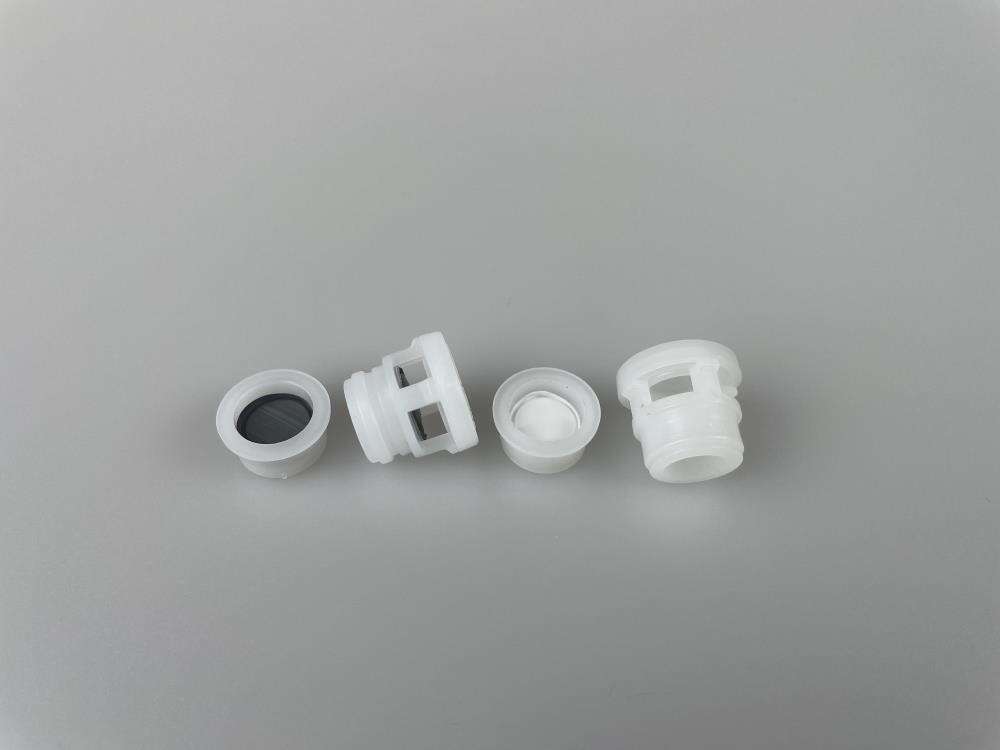
Advanced Engineering Principles Behind Modern Valve Technology
Pressure Differential Management Systems
The foundation of effective packaging valve operation relies on sophisticated pressure differential management that responds dynamically to changing internal conditions. These systems utilize advanced polymer materials that react to specific pressure thresholds while maintaining structural integrity under varying environmental conditions. The engineering principles governing these mechanisms involve precise calibration of material properties to ensure consistent performance across temperature ranges and humidity levels. Modern valve designs incorporate multi-layer construction techniques that provide redundant sealing capabilities while enabling controlled gas exchange when necessary.
Industrial applications require valve systems that can withstand extreme conditions while maintaining operational reliability over extended periods. The development of specialized elastomeric compounds has enabled manufacturers to create valve components that resist chemical degradation and mechanical wear. These materials undergo rigorous testing protocols to verify their performance under accelerated aging conditions and exposure to various industrial chemicals. The result is packaging valve technology that delivers consistent performance throughout the entire product lifecycle.
Micro-Porous Membrane Technology
Contemporary valve designs leverage advanced micro-porous membrane technology that enables selective permeability based on molecular size and chemical properties. These membranes feature precisely controlled pore structures that allow specific gases to pass while blocking moisture and contaminants. The manufacturing process involves sophisticated coating techniques that create uniform pore distribution across the membrane surface. Quality control measures ensure that each membrane meets strict performance criteria for permeability rates and selectivity ratios.
The integration of micro-porous membranes with traditional valve mechanisms creates hybrid systems that offer enhanced functionality for specialized applications. These packaging valve configurations provide manufacturers with unprecedented control over internal package environments. Advanced testing methodologies verify membrane performance under various conditions including temperature cycling, mechanical stress, and chemical exposure. The durability of these systems has been validated through extensive field testing in real-world industrial environments.
Industrial Applications and Performance Optimization
Food and Beverage Industry Solutions
The food and beverage sector presents unique challenges that require specialized packaging valve solutions designed to maintain product freshness while preventing contamination. Modern valve systems for food applications incorporate FDA-approved materials that resist bacterial growth and chemical migration. These systems must balance the need for gas exchange with strict hygiene requirements mandated by food safety regulations. Advanced sterilization compatibility ensures that valve components can withstand standard food processing sanitization procedures without performance degradation.
Coffee packaging represents a particularly demanding application where valve technology must manage carbon dioxide outgassing while preventing oxygen infiltration. Specialized valve designs for coffee applications feature enhanced sensitivity to pressure changes and rapid response characteristics. The materials used in these applications undergo extensive flavor and aroma testing to ensure they do not impact product quality. Extended shelf-life testing demonstrates how proper packaging valve selection can significantly extend product freshness compared to traditional packaging methods.
Pharmaceutical and Medical Device Applications
Pharmaceutical applications demand the highest levels of precision and reliability from packaging valve systems due to strict regulatory requirements and patient safety considerations. These applications require validated manufacturing processes that ensure consistent valve performance within narrow specification limits. Biocompatibility testing verifies that valve materials do not interact with pharmaceutical compounds or release potentially harmful substances. The documentation requirements for pharmaceutical valve applications include comprehensive validation protocols and ongoing stability studies.
Medical device packaging presents additional challenges related to sterility maintenance and package integrity throughout extended storage periods. Specialized valve designs for medical applications incorporate features that prevent bacterial ingress while allowing necessary gas exchange for certain products. The validation process for medical packaging valve systems includes accelerated aging studies and real-time stability monitoring. Regulatory compliance requires extensive documentation of material specifications, manufacturing controls, and performance testing results.
Innovation Trends and Future Developments
Smart Valve Technology Integration
The integration of smart technology with traditional packaging valve systems represents a significant advancement in package monitoring and control capabilities. These systems incorporate miniaturized sensors that provide real-time data on internal package conditions including pressure, temperature, and gas composition. Wireless communication capabilities enable remote monitoring of package integrity throughout the supply chain. Advanced data analytics help manufacturers optimize valve performance and predict potential issues before they impact product quality.
Machine learning algorithms analyze historical performance data to identify patterns that indicate optimal valve operation parameters. This technology enables predictive maintenance strategies that minimize downtime and ensure consistent performance. The development of energy-efficient sensor systems has made smart valve technology economically viable for high-volume applications. Integration with existing manufacturing systems provides seamless data flow and automated quality control capabilities.
Sustainable Materials and Environmental Considerations
Environmental sustainability concerns are driving innovation in packaging valve materials and manufacturing processes. Bio-based polymer alternatives are being developed that provide equivalent performance characteristics while reducing environmental impact. Recyclability considerations influence design decisions to ensure that valve components can be separated and processed effectively in standard recycling operations. Life cycle assessment studies quantify the environmental benefits of advanced valve systems compared to traditional packaging approaches.
The development of compostable valve materials represents a breakthrough for applications where end-of-life disposal is a critical concern. These materials maintain required performance characteristics during product storage while breaking down safely in industrial composting facilities. Testing protocols verify that compostable valve materials do not leave harmful residues or interfere with composting processes. The adoption of sustainable packaging valve technology demonstrates corporate environmental responsibility while meeting operational requirements.
Installation and Maintenance Best Practices
Proper Installation Procedures
Successful implementation of packaging valve systems requires adherence to specific installation procedures that ensure optimal performance and longevity. Pre-installation inspection protocols verify that valve components meet specification requirements and have not sustained damage during shipping or handling. Clean room procedures may be necessary for applications involving sensitive products or sterile packaging requirements. Training programs ensure that installation personnel understand critical aspects of valve handling and positioning.
Installation equipment must be properly calibrated to apply appropriate pressure levels during valve attachment without damaging delicate components. Quality control checkpoints throughout the installation process help identify potential issues before they affect production efficiency. Documentation requirements include detailed records of installation parameters and verification testing results. Proper installation techniques significantly impact long-term packaging valve performance and reliability.
Preventive Maintenance Strategies
Effective maintenance programs for packaging valve systems incorporate regular inspection schedules and performance monitoring to identify potential issues before they cause production disruptions. Visual inspection procedures focus on identifying signs of wear, damage, or contamination that could affect valve operation. Performance testing protocols verify that valve characteristics remain within acceptable limits throughout the service life. Maintenance scheduling coordinates with production requirements to minimize operational impact.
Replacement criteria are established based on performance data and manufacturer recommendations to ensure optimal system reliability. Inventory management systems maintain adequate supplies of replacement components while minimizing carrying costs. Training programs keep maintenance personnel updated on proper procedures and safety requirements. Documentation of maintenance activities provides valuable data for optimizing replacement schedules and identifying improvement opportunities in packaging valve applications.
FAQ
What factors determine the appropriate valve size for specific packaging applications
Valve size selection depends on several critical factors including package volume, product characteristics, and required gas exchange rates. The internal pressure generated by the packaged product determines the minimum valve capacity needed to prevent package distortion or failure. Environmental conditions during storage and transportation affect valve performance requirements and may necessitate oversizing for extreme conditions. Packaging valve manufacturers provide sizing guides and calculation tools to help determine optimal specifications for specific applications.
How do temperature variations affect valve performance and reliability
Temperature fluctuations can significantly impact packaging valve performance through effects on material properties and gas expansion coefficients. High temperatures may cause valve materials to soften and lose sealing effectiveness while low temperatures can make materials brittle and prone to cracking. Thermal cycling creates stress on valve components that can lead to premature failure if not properly addressed in the design. Advanced valve designs incorporate temperature compensation features and utilize materials selected for stable performance across expected temperature ranges.
What quality control measures ensure consistent valve performance in production
Comprehensive quality control programs for packaging valve production include incoming material inspection, in-process monitoring, and finished product testing. Statistical process control methods track key performance parameters to identify trends that might indicate process variations. Automated testing equipment provides consistent and repeatable performance verification for every valve produced. Batch tracking systems enable rapid identification and isolation of any products that may not meet specification requirements.
How can manufacturers evaluate the cost-effectiveness of upgrading to advanced valve technology
Cost-benefit analysis for packaging valve upgrades should consider both direct costs and indirect benefits including reduced product losses, extended shelf life, and improved customer satisfaction. Pilot testing programs allow manufacturers to evaluate performance improvements under actual operating conditions before committing to full-scale implementation. Total cost of ownership calculations include initial investment, maintenance requirements, and potential savings from improved product quality. Return on investment analysis helps justify upgrade decisions based on quantifiable business benefits.
Table of Contents
- Advanced Engineering Principles Behind Modern Valve Technology
- Industrial Applications and Performance Optimization
- Innovation Trends and Future Developments
- Installation and Maintenance Best Practices
-
FAQ
- What factors determine the appropriate valve size for specific packaging applications
- How do temperature variations affect valve performance and reliability
- What quality control measures ensure consistent valve performance in production
- How can manufacturers evaluate the cost-effectiveness of upgrading to advanced valve technology
