 EN
EN
 AR
AR
 CS
CS
 FR
FR
 DE
DE
 IT
IT
 JA
JA
 KO
KO
 PT
PT
 RU
RU
 ES
ES
 ID
ID
 VI
VI
 TH
TH
 TR
TR
 MS
MS

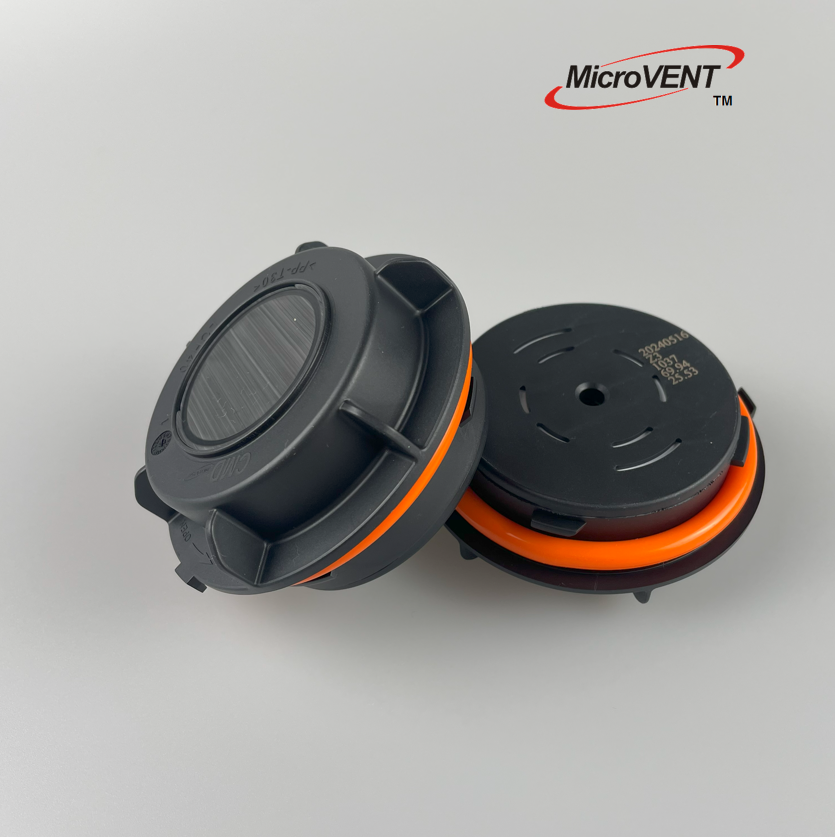
Modern smartphones integrate sophisticated audio systems that require precise engineering to deliver optimal sound quality while maintaining device integrity. The delicate balance between superior acoustic performance and robust protection against environmental factors has led manufacturers to adopt advanced acoustic membrane protection solutions. These protective barriers ensure that microphones, speakers, and other audio components function reliably across diverse operating conditions without compromising sound fidelity or device longevity.
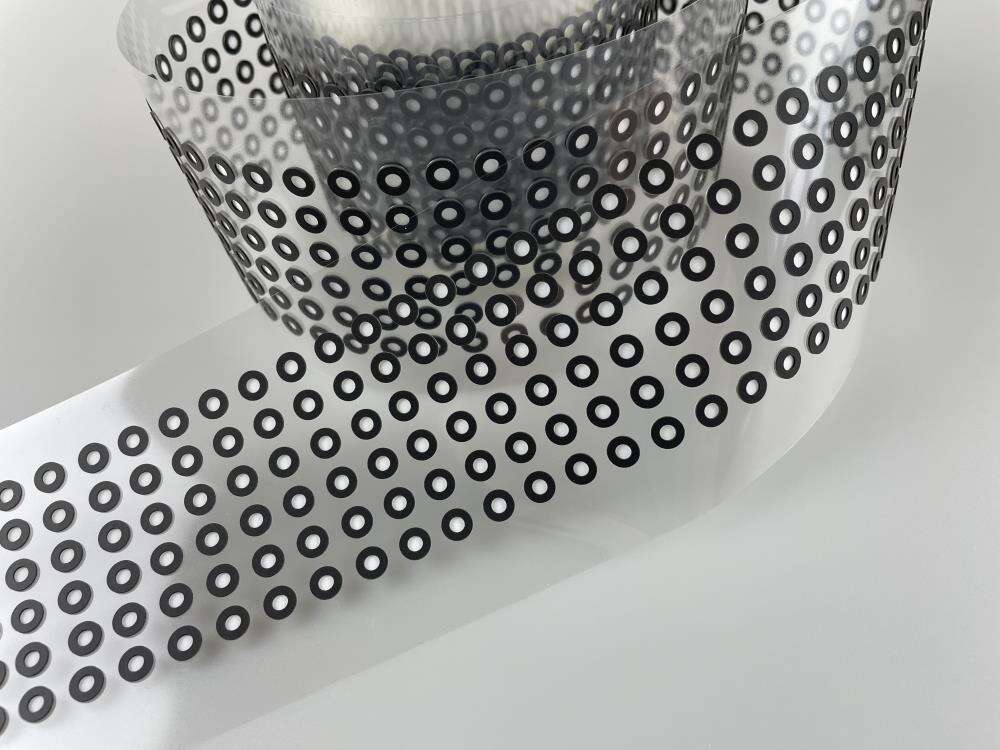
The evolution of mobile device design has created increasingly compact internal spaces where acoustic components must coexist with sensitive electronic circuits. Water ingress, dust particles, and debris represent constant threats that can permanently damage expensive audio hardware. Professional acoustic membrane protection systems address these challenges by creating selective barriers that allow sound transmission while blocking harmful contaminants. This technological approach has become essential for manufacturers seeking to meet consumer expectations for durability and performance in premium mobile devices.
Contemporary smartphone users demand consistent audio quality regardless of environmental conditions, from humid tropical climates to dusty industrial environments. The integration of effective protection systems ensures that voice calls remain clear, music playback stays crisp, and recording capabilities maintain professional standards throughout the device lifecycle. Understanding the technical requirements and implementation strategies for acoustic membrane protection helps manufacturers make informed decisions about component selection and design optimization.
Environmental Challenges Facing Smartphone Audio Systems
Moisture and Humidity Threats
Smartphone audio components face constant exposure to atmospheric moisture that can penetrate device housings through speaker grilles, microphone ports, and charging connectors. Water vapor molecules, though microscopic, accumulate over time and create corrosive conditions that degrade sensitive electronic connections. Professional acoustic membrane protection creates a hydrophobic barrier that prevents moisture ingress while maintaining excellent acoustic transparency for optimal sound transmission.
Humidity-related damage often manifests gradually, causing intermittent audio distortion, reduced microphone sensitivity, and speaker performance degradation. These issues become particularly problematic in regions with high ambient humidity or during seasonal weather changes. Advanced protection systems utilize specialized materials engineered to repel water molecules while allowing air pressure equalization and unobstructed sound wave propagation.
Temperature fluctuations compound moisture-related challenges by creating condensation cycles within device housings. Rapid temperature changes cause internal air to contract and expand, potentially drawing humid air into sensitive audio compartments. Effective acoustic membrane protection systems account for these thermal dynamics by incorporating pressure-responsive materials that maintain protective integrity across temperature ranges.
Particle Contamination and Dust Infiltration
Airborne particles represent another significant threat to smartphone audio system reliability, particularly in industrial environments, construction sites, and outdoor recreational activities. Dust particles, lint, and microscopic debris can accumulate on speaker diaphragms, clog microphone capsules, and interfere with acoustic resonance chambers. Acoustic membrane protection prevents particle infiltration while preserving the precise acoustic characteristics required for high-quality audio reproduction.
Different particle sizes require specific filtration approaches, as conventional mesh screens often prove inadequate for blocking fine dust while maintaining acoustic transparency. Advanced protection membranes utilize microporous structures that create tortuous pathways for contaminants while allowing sound waves to pass through with minimal attenuation. This selective permeability ensures consistent audio performance even in challenging environmental conditions.
Long-term particle accumulation can cause permanent damage to precision audio components, leading to frequency response changes, distortion increases, and complete component failure. Professional-grade acoustic membrane protection systems provide reliable barriers that extend component lifespan while maintaining manufacturer specifications for audio quality and performance standards.
Technical Specifications and Performance Requirements
Acoustic Transparency and Sound Quality Preservation
The primary challenge in acoustic membrane protection lies in achieving complete environmental sealing without compromising sound quality or frequency response characteristics. Professional protection systems must demonstrate minimal acoustic attenuation across the entire audible spectrum while providing reliable barriers against environmental contaminants. This balance requires sophisticated material engineering and precise manufacturing processes to ensure consistent performance.
Frequency response testing reveals that high-quality acoustic membrane protection maintains less than 1dB attenuation across critical frequency ranges for speech and music reproduction. This minimal impact ensures that microphone sensitivity remains optimal for voice recognition systems, video recording applications, and hands-free communication features. Advanced materials achieve this performance through carefully controlled pore structures that allow sound wave transmission while blocking larger contaminant particles.
Phase distortion represents another critical consideration, as protective barriers must not introduce timing delays that affect stereo imaging or directional audio processing. Professional acoustic membrane protection systems undergo rigorous testing to verify minimal phase shift across frequency ranges, ensuring that sophisticated audio processing algorithms function correctly with protection systems installed.
Pressure Equalization and Venting Requirements
Smartphone housings require pressure equalization to prevent membrane deflection that could affect speaker performance or create uncomfortable sensations during altitude changes. Acoustic membrane protection systems must allow controlled airflow while maintaining protective barriers against contaminants. This requirement necessitates careful engineering of membrane porosity and surface area to achieve optimal pressure relief without compromising protection effectiveness.
Barometric pressure variations during air travel or elevation changes can create significant pressure differentials across device housings. Unequalized pressure can cause speaker diaphragm distortion, microphone calibration drift, and user discomfort during phone calls. Advanced protection systems incorporate pressure-responsive features that automatically adjust to atmospheric changes while maintaining consistent protective performance.
Temperature-induced pressure changes also require consideration, as device heating during intensive use creates internal pressure increases that must be safely vented. Professional acoustic membrane protection addresses these thermal effects through materials that maintain structural integrity and protective effectiveness across operating temperature ranges specified for mobile devices.
Implementation Strategies and Design Considerations
Integration with Device Architecture
Successful implementation of acoustic membrane protection requires careful coordination with overall device design architecture, particularly regarding internal space allocation and acoustic chamber optimization. Protection systems must integrate seamlessly with existing speaker housings, microphone assemblies, and pressure relief pathways without creating interference or performance compromises. This integration demands close collaboration between acoustic engineers, mechanical designers, and manufacturing specialists.
Modern smartphone designs increasingly utilize shared acoustic chambers and complex internal routing to maximize space efficiency and optimize audio performance. Acoustic membrane protection must account for these sophisticated architectures by providing targeted protection at critical interfaces while maintaining the acoustic properties essential for proper system function. Advanced protection solutions offer modular approaches that adapt to diverse design requirements and manufacturing constraints.
Manufacturing considerations include assembly processes, quality control procedures, and long-term reliability testing protocols that ensure consistent protection performance throughout device lifecycles. Professional protection systems undergo extensive validation testing to verify compatibility with automated assembly equipment and adherence to strict quality standards required for consumer electronics applications.
Material Selection and Performance Optimization
The selection of appropriate materials for acoustic membrane protection involves balancing multiple performance criteria including environmental resistance, acoustic transparency, mechanical durability, and manufacturing compatibility. Advanced polymer technologies offer superior combinations of these characteristics while maintaining cost-effectiveness for high-volume production applications. Material properties must remain stable across temperature ranges, humidity conditions, and extended operational periods.
Durability testing protocols evaluate material performance under accelerated aging conditions, including thermal cycling, humidity exposure, and mechanical stress testing. These evaluations ensure that acoustic membrane protection maintains effectiveness throughout typical smartphone lifecycles of 3-5 years. Professional-grade materials demonstrate minimal property changes under these demanding test conditions, providing reliable long-term protection for critical audio components.
Surface treatments and coating technologies enhance basic material properties by improving hydrophobic characteristics, particle rejection efficiency, and acoustic transparency. These advanced treatments allow standard materials to achieve superior performance levels while maintaining manufacturing compatibility and cost objectives. Ongoing research continues to develop new material formulations that push the boundaries of protection effectiveness and acoustic performance.
Industry Applications and Market Requirements
Consumer Electronics and Premium Devices
Premium smartphone manufacturers increasingly specify advanced acoustic membrane protection systems to differentiate their products through superior durability and consistent audio performance. These applications require protection solutions that meet stringent aesthetic requirements while providing invisible operation that does not compromise user experience. Professional protection systems achieve these objectives through careful attention to visual integration and seamless performance characteristics.
Market research indicates that consumers associate audio quality with overall device premium positioning, making acoustic membrane protection an essential component for manufacturers targeting high-end market segments. Protection systems that maintain original equipment manufacturer specifications for frequency response, sensitivity, and dynamic range contribute directly to customer satisfaction and brand reputation. Advanced solutions offer manufacturers competitive advantages through demonstrable performance improvements and reliability enhancements.
Warranty considerations also drive adoption of professional acoustic membrane protection, as environmental damage represents a significant source of device returns and customer service issues. Effective protection systems reduce warranty claims related to moisture damage, particle contamination, and acoustic component failures, providing substantial cost savings for manufacturers while improving customer retention rates.
Specialized and Ruggedized Applications
Industrial smartphones and ruggedized devices require enhanced acoustic membrane protection capabilities to withstand extreme environmental conditions including chemical exposure, temperature extremes, and intensive particle contamination. These demanding applications necessitate specialized protection solutions that exceed standard consumer device requirements while maintaining compatibility with professional communication standards and emergency response protocols.
Military and aerospace applications impose additional requirements for acoustic membrane protection, including resistance to altitude changes, vibration exposure, and electromagnetic interference considerations. Professional protection systems designed for these applications undergo rigorous qualification testing to verify performance under extreme conditions while maintaining reliability standards essential for mission-critical communications equipment.
Healthcare and medical device applications require acoustic membrane protection solutions that comply with biocompatibility standards and sterilization protocols while maintaining precise acoustic characteristics essential for diagnostic and monitoring applications. These specialized requirements demand careful material selection and validation testing to ensure patient safety and regulatory compliance throughout device operational lifecycles.
Future Developments and Technological Advances
Emerging Materials and Manufacturing Technologies
Research into advanced nanomaterials promises significant improvements in acoustic membrane protection effectiveness while reducing thickness and weight constraints that affect device design flexibility. Graphene-based materials and carbon nanotube structures demonstrate exceptional strength-to-weight ratios and unique acoustic properties that could revolutionize protection system capabilities. These emerging technologies offer potential for dramatically enhanced protection performance without compromising acoustic transparency or device aesthetics.
Additive manufacturing technologies enable precise control over membrane microstructure and porosity characteristics, allowing customized protection solutions optimized for specific acoustic requirements and environmental conditions. Three-dimensional printing approaches offer unprecedented design flexibility and rapid prototyping capabilities that accelerate development cycles and enable cost-effective customization for specialized applications.
Smart materials with responsive characteristics provide opportunities for adaptive acoustic membrane protection that automatically adjusts to changing environmental conditions or device operating modes. These intelligent systems could optimize protection effectiveness and acoustic performance in real-time, providing superior user experiences while maintaining robust environmental protection throughout diverse usage scenarios.
Integration with Advanced Audio Technologies
The proliferation of advanced audio technologies including spatial audio, noise cancellation, and artificial intelligence-driven sound processing creates new requirements for acoustic membrane protection systems. These sophisticated applications demand protection solutions that maintain precise phase relationships and minimize interference with complex signal processing algorithms while providing comprehensive environmental protection for sensitive audio hardware.
Wireless audio technologies and improved codec standards require acoustic membrane protection systems that support extended frequency ranges and enhanced dynamic range capabilities. Professional protection solutions must evolve to support these advancing audio standards while maintaining backward compatibility with existing device architectures and manufacturing processes.
Machine learning applications in audio processing create opportunities for predictive acoustic membrane protection systems that can anticipate environmental challenges and adjust protective characteristics accordingly. These intelligent approaches could significantly enhance protection effectiveness while optimizing acoustic performance for specific usage patterns and environmental conditions.
FAQ
How does acoustic membrane protection affect smartphone audio quality
Professional acoustic membrane protection systems are specifically engineered to maintain original audio quality while providing environmental protection. High-quality protection membranes introduce less than 1dB attenuation across critical frequency ranges, ensuring that voice calls, music playback, and recording capabilities remain at manufacturer specifications. Advanced materials achieve this performance through carefully controlled pore structures that allow sound wave transmission while blocking contaminants, preserving the acoustic characteristics essential for premium audio experiences.
What environmental conditions require acoustic membrane protection in smartphones
Smartphones require acoustic membrane protection in virtually all operating environments due to constant exposure to moisture, dust, and airborne particles. High humidity conditions, dusty environments, and temperature fluctuations pose particular risks to sensitive audio components. Even normal indoor use exposes devices to lint, skin cells, and atmospheric moisture that can accumulate over time and cause performance degradation. Professional protection systems provide reliable barriers against these diverse environmental challenges while maintaining optimal acoustic performance.
How long does acoustic membrane protection remain effective in smartphones
Professional-grade acoustic membrane protection systems are designed to maintain effectiveness throughout typical smartphone lifecycles of 3-5 years under normal operating conditions. Advanced materials undergo extensive durability testing including thermal cycling, humidity exposure, and mechanical stress evaluation to verify long-term performance stability. Proper implementation and quality materials ensure that protection effectiveness remains consistent while acoustic properties show minimal changes over extended operational periods, providing reliable long-term protection for critical audio components.
Can acoustic membrane protection be retrofitted to existing smartphone designs
While acoustic membrane protection is most effectively implemented during original device design and manufacturing, retrofit solutions may be possible for certain applications depending on device architecture and accessibility of audio component interfaces. However, optimal protection effectiveness and acoustic performance are best achieved through integration during the design phase, allowing proper consideration of acoustic chamber optimization, pressure equalization requirements, and manufacturing processes. Professional protection systems require careful engineering integration to ensure seamless operation and maintain device reliability standards.
Table of Contents
- Environmental Challenges Facing Smartphone Audio Systems
- Technical Specifications and Performance Requirements
- Implementation Strategies and Design Considerations
- Industry Applications and Market Requirements
- Future Developments and Technological Advances
-
FAQ
- How does acoustic membrane protection affect smartphone audio quality
- What environmental conditions require acoustic membrane protection in smartphones
- How long does acoustic membrane protection remain effective in smartphones
- Can acoustic membrane protection be retrofitted to existing smartphone designs
