 EN
EN
 AR
AR
 CS
CS
 FR
FR
 DE
DE
 IT
IT
 JA
JA
 KO
KO
 PT
PT
 RU
RU
 ES
ES
 ID
ID
 VI
VI
 TH
TH
 TR
TR
 MS
MS

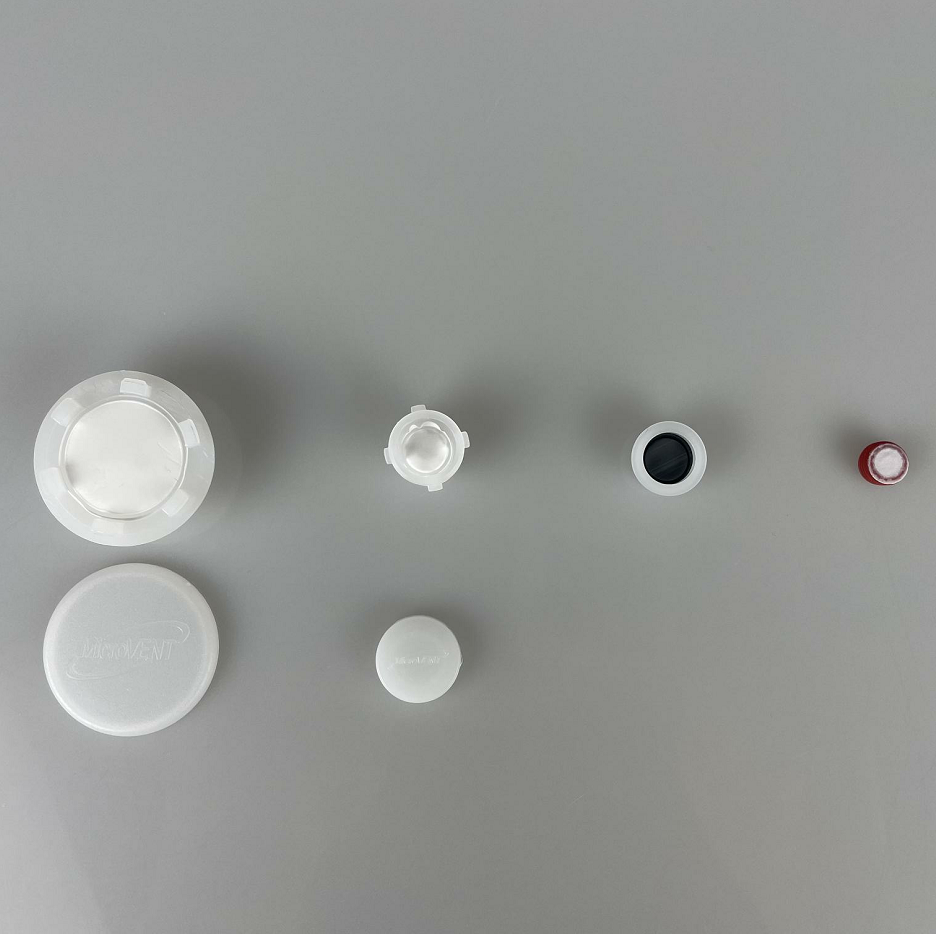
Modern electronic devices face increasing challenges in balancing protection and performance, particularly when it comes to managing pressure differentials while maintaining acoustic integrity. An acoustic membrane represents a revolutionary solution that enables sound transmission while providing robust protection against moisture, dust, and other environmental contaminants. These specialized components have become essential in applications ranging from consumer electronics to industrial equipment, where clear audio performance cannot be compromised by protective barriers.
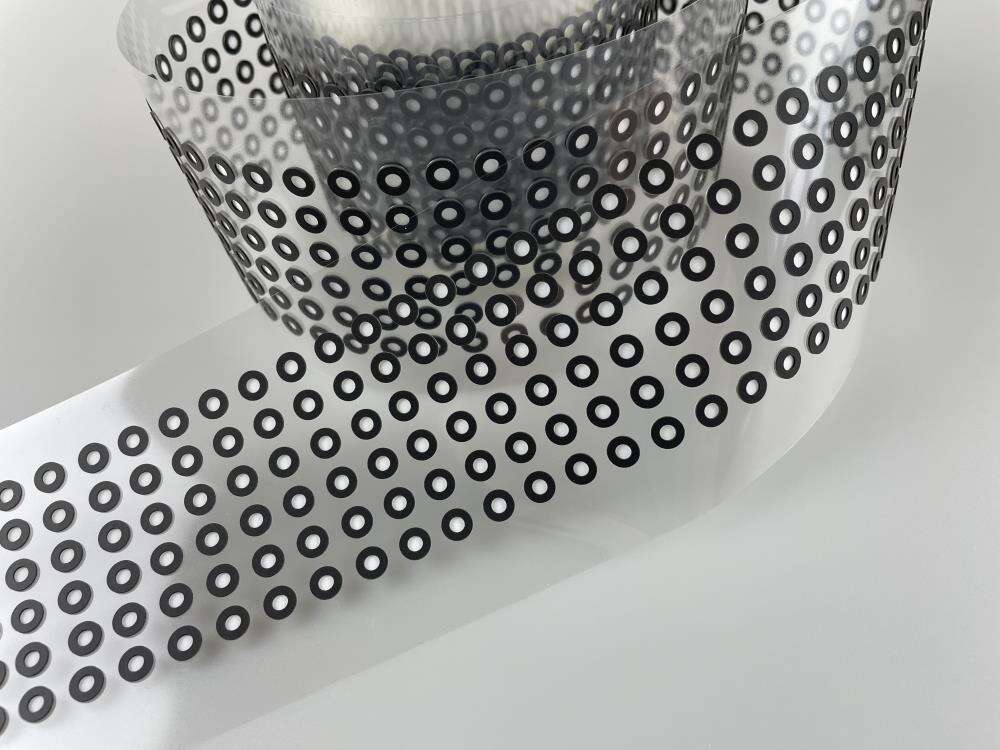
Understanding Acoustic Membrane Technology
Fundamental Design Principles
The acoustic membrane operates on sophisticated engineering principles that combine material science with acoustic engineering. These specialized membranes utilize microporous structures that allow air molecules and sound waves to pass through while blocking larger particles such as dust, moisture, and debris. The membrane material typically consists of expanded polytetrafluoroethylene (ePTFE) or similar high-performance polymers that maintain their structural integrity across varying temperature and humidity conditions. This unique construction enables the acoustic membrane to function as a selective barrier, preserving audio fidelity while providing comprehensive environmental protection.
The pore structure within an acoustic membrane is precisely engineered to achieve optimal acoustic transparency. These microscopic openings, typically measuring between 0.1 to 20 micrometers, create pathways for sound transmission without compromising the protective barrier function. The membrane thickness, pore density, and surface treatment all contribute to the overall acoustic performance characteristics. Engineers carefully balance these parameters to ensure minimal signal attenuation while maintaining the required ingress protection ratings for specific applications.
Material Composition and Properties
High-performance acoustic membrane materials exhibit exceptional chemical resistance, thermal stability, and mechanical durability. The base polymer structure provides inherent hydrophobic properties, preventing water penetration while allowing vapor transmission. This selective permeability is crucial for preventing condensation buildup inside electronic enclosures while maintaining atmospheric pressure equalization. The membrane surface often features specialized treatments that enhance acoustic transparency and improve long-term performance under varying environmental conditions.
Advanced acoustic membrane formulations incorporate additives that enhance specific performance characteristics. These may include UV stabilizers for outdoor applications, antistatic agents for electronic environments, or flame retardants for safety-critical applications. The material selection process considers factors such as operating temperature range, chemical exposure, mechanical stress requirements, and expected service life. Quality acoustic membrane materials maintain consistent performance across thousands of pressure cycles while resisting degradation from environmental factors.
Operational Mechanisms and Functionality
Sound Transmission Characteristics
The sound transmission properties of an acoustic membrane depend on several key factors including membrane thickness, pore structure, and mounting configuration. Sound waves propagate through the membrane via two primary mechanisms: direct transmission through the porous structure and mechanical vibration of the membrane material itself. The acoustic membrane design optimizes both transmission paths to minimize frequency-dependent attenuation while maintaining protective barrier integrity.
Frequency response characteristics vary depending on the specific membrane design and application requirements. Lower frequency sounds typically experience minimal attenuation due to the mechanical compliance of the membrane material. Higher frequencies may encounter slight attenuation as they interact with the porous microstructure. Advanced acoustic membrane designs incorporate tuned resonance characteristics that can actually enhance transmission at specific frequency ranges, improving overall system performance for targeted applications such as speakers, microphones, or pressure relief systems.
Pressure Equalization Functions
Beyond acoustic transmission, the acoustic membrane serves critical pressure equalization functions in sealed electronic enclosures. Temperature fluctuations, altitude changes, and atmospheric pressure variations can create significant pressure differentials across device housings. The membrane allows controlled air exchange to equalize these pressures while preventing ingress of contaminants. This pressure relief function protects sensitive internal components from stress-related failures and maintains optimal operating conditions.
The pressure equalization capability of an acoustic membrane is characterized by its air flow rate and pressure drop characteristics. These parameters determine how quickly the membrane can respond to pressure changes and the steady-state pressure differential that develops across the membrane. Proper acoustic membrane selection ensures adequate pressure relief capacity without compromising protection levels or acoustic performance requirements for the specific application.
Applications Across Industries
Consumer Electronics Integration
Consumer electronic devices represent the largest application segment for acoustic membrane technology. Smartphones, tablets, headphones, and portable speakers all utilize specialized acoustic membranes to protect internal components while maintaining audio functionality. The membrane must provide ingress protection against everyday exposure to moisture, dust, and debris while ensuring minimal impact on sound quality. Advanced smartphone designs may incorporate multiple acoustic membrane types optimized for different functions such as speaker protection, microphone environmental sealing, or pressure sensor isolation.
Wearable devices present unique challenges for acoustic membrane integration due to their exposure to perspiration, environmental moisture, and mechanical stress. Fitness trackers, smartwatches, and hearing aids require acoustic membranes that maintain performance under continuous moisture exposure while providing long-term durability. The membrane selection process considers factors such as breathability for user comfort, acoustic transparency for voice recognition, and chemical resistance to personal care products that may contact the device.
Industrial and Automotive Applications
Industrial equipment applications demand acoustic membrane solutions that withstand harsh operating environments while maintaining reliable performance. Process control instrumentation, safety alarm systems, and communication devices in industrial settings require protection from chemicals, extreme temperatures, and mechanical vibration. The acoustic membrane must provide consistent sound transmission characteristics throughout the equipment service life while maintaining ingress protection ratings required for the specific industrial environment.
Automotive applications utilize acoustic membrane technology in various systems including cabin pressure sensors, engine management systems, and infotainment components. The membrane must withstand temperature cycling from sub-zero to elevated engine compartment temperatures while maintaining performance under vibration and mechanical stress. Automotive acoustic membranes often incorporate additional features such as electromagnetic interference shielding or enhanced chemical resistance to automotive fluids and cleaning agents.
Installation and Design Considerations
Mounting Methods and Sealing
Proper installation techniques are crucial for achieving optimal acoustic membrane performance and maintaining environmental protection. The membrane typically mounts within a specially designed housing that provides mechanical support while allowing free movement for acoustic transmission. Sealing methods include adhesive bonding, mechanical clamping, or ultrasonic welding depending on the housing material and performance requirements. The mounting system must prevent bypass leakage around the membrane perimeter while avoiding excessive mechanical stress that could compromise membrane integrity.
Installation considerations include orientation, accessibility for replacement, and compatibility with manufacturing processes. The acoustic membrane orientation affects drainage characteristics and debris accumulation, particularly in outdoor or industrial applications. Some designs incorporate drain features or protective covers that prevent direct impingement of liquids or particles on the membrane surface. Manufacturing integration may require specialized tooling or assembly techniques to ensure consistent membrane positioning and sealing quality across production volumes.
Performance Optimization Strategies
Optimizing acoustic membrane performance requires careful consideration of the complete acoustic path from sound source to membrane and beyond. Housing design influences acoustic coupling, resonance characteristics, and frequency response. Internal volume behind the membrane affects low-frequency performance, while the external acoustic environment influences high-frequency transmission. Advanced designs may incorporate acoustic damping materials or resonance tuning features that enhance overall system performance.
Environmental factors significantly impact acoustic membrane performance over time. Dust accumulation can gradually reduce air flow and affect acoustic transmission, particularly in high-particulate environments. Moisture cycling may cause temporary performance changes as the membrane absorbs and releases water vapor. Design strategies to mitigate these effects include protective covers, drain features, and membrane materials with enhanced contamination resistance. Regular maintenance schedules may be necessary in critical applications to ensure continued performance.
Performance Testing and Quality Assurance
Acoustic Performance Validation
Comprehensive testing protocols validate acoustic membrane performance across the intended operating range. Frequency response testing measures transmission characteristics from low frequencies through the audible spectrum and beyond. Impedance measurements characterize the acoustic loading effects of the membrane on attached transducers or acoustic systems. Phase response testing ensures that the acoustic membrane does not introduce significant signal delays that could affect system performance in critical applications.
Long-term acoustic stability testing evaluates membrane performance under accelerated aging conditions. These tests simulate extended exposure to temperature cycling, humidity variations, and mechanical stress to predict long-term performance degradation. Contamination resistance testing exposes the acoustic membrane to representative particles, liquids, and vapors to verify maintained performance under real-world conditions. Quality acoustic membranes demonstrate consistent performance throughout these validation tests with minimal drift in key performance parameters.
Environmental Protection Verification
Ingress protection testing verifies that the acoustic membrane maintains its barrier function while providing acoustic transmission. Standardized test methods evaluate resistance to dust ingress, water penetration, and pressure differentials. These tests confirm that the membrane meets specified IP ratings while maintaining acoustic performance within acceptable limits. Additional environmental testing may include chemical resistance, UV exposure, and thermal cycling to validate performance in specific application environments.
Pressure cycle testing evaluates membrane durability under repeated pressure loading that simulates real-world operating conditions. This testing identifies potential failure modes such as membrane fatigue, seal degradation, or mounting system loosening. Quality assurance protocols establish performance criteria that ensure the acoustic membrane maintains both protective and acoustic functions throughout the specified service life. Batch testing and statistical process control methods verify consistent manufacturing quality across production volumes.
Future Developments and Innovations
Advanced Material Technologies
Emerging material technologies promise significant improvements in acoustic membrane performance and functionality. Nanoengineered membrane structures offer enhanced control over pore size distribution and surface properties. These advanced materials may provide superior acoustic transmission with improved environmental resistance and extended service life. Smart membrane materials that respond to environmental conditions or electrical signals could enable active control of acoustic properties or adaptive protection characteristics.
Biomimetic designs inspired by natural acoustic systems in plants and animals offer new approaches to acoustic membrane engineering. These designs may incorporate hierarchical pore structures, self-cleaning surfaces, or adaptive permeability characteristics that optimize performance across varying operating conditions. Advanced manufacturing techniques such as 3D printing and molecular-level assembly enable precise control over membrane microstructure and properties that were previously impossible to achieve with conventional manufacturing methods.
Integration with Smart Systems
Future acoustic membrane applications will increasingly integrate with smart sensor systems and Internet of Things platforms. Embedded sensors within the membrane structure could monitor performance parameters such as contamination levels, acoustic transmission characteristics, or environmental exposure. This data enables predictive maintenance strategies and adaptive system optimization that maintains peak performance throughout the service life. Wireless communication capabilities could provide real-time performance feedback for critical applications.
Active acoustic membrane systems may incorporate electronic control elements that adjust transmission characteristics based on operating requirements. These systems could optimize frequency response for different acoustic sources, provide variable protection levels, or implement noise cancellation features. Integration with artificial intelligence and machine learning algorithms could enable autonomous optimization based on usage patterns and environmental conditions, maximizing performance while extending membrane service life.
FAQ
What factors determine the acoustic performance of a membrane
Acoustic membrane performance depends on material properties, pore structure, membrane thickness, and mounting configuration. The pore size distribution affects frequency response characteristics, with smaller pores typically providing better high-frequency transmission while larger pores improve low-frequency performance. Membrane thickness influences mechanical compliance and resonance characteristics. Proper mounting ensures optimal acoustic coupling while maintaining environmental protection. Material selection impacts durability, temperature stability, and chemical resistance across the intended operating environment.
How long do acoustic membranes typically last in service
Service life varies significantly depending on application environment and operating conditions. Consumer electronics applications may expect 5-10 years of performance, while industrial applications could require 15-20 years or more. Factors affecting service life include temperature extremes, moisture exposure, contamination levels, and mechanical stress. Regular inspection and maintenance can extend service life by identifying potential issues before they affect performance. Quality acoustic membranes maintain consistent performance throughout their rated service life when properly installed and maintained.
Can acoustic membranes be cleaned or maintained during operation
Most acoustic membrane designs allow for limited cleaning and maintenance without disassembly. Gentle air flow or soft brush cleaning can remove surface contamination that might affect performance. However, aggressive cleaning methods or chemical exposure should be avoided as they may damage the membrane structure. Some applications incorporate replaceable membrane designs that enable periodic renewal without major system modification. Critical applications may require regular performance monitoring to determine optimal maintenance intervals based on actual operating conditions.
What are the key differences between various acoustic membrane types
Different acoustic membrane types vary in material composition, pore structure, and performance characteristics. PTFE-based membranes offer excellent chemical resistance and temperature stability but may have limited acoustic bandwidth. Polyurethane membranes provide superior low-frequency transmission but less environmental resistance. Composite designs combine multiple materials to optimize specific performance characteristics. Selection criteria include operating environment, acoustic requirements, ingress protection needs, and cost considerations. Each membrane type offers distinct advantages for specific application requirements and operating conditions.
