 EN
EN
 AR
AR
 CS
CS
 FR
FR
 DE
DE
 IT
IT
 JA
JA
 KO
KO
 PT
PT
 RU
RU
 ES
ES
 ID
ID
 VI
VI
 TH
TH
 TR
TR
 MS
MS

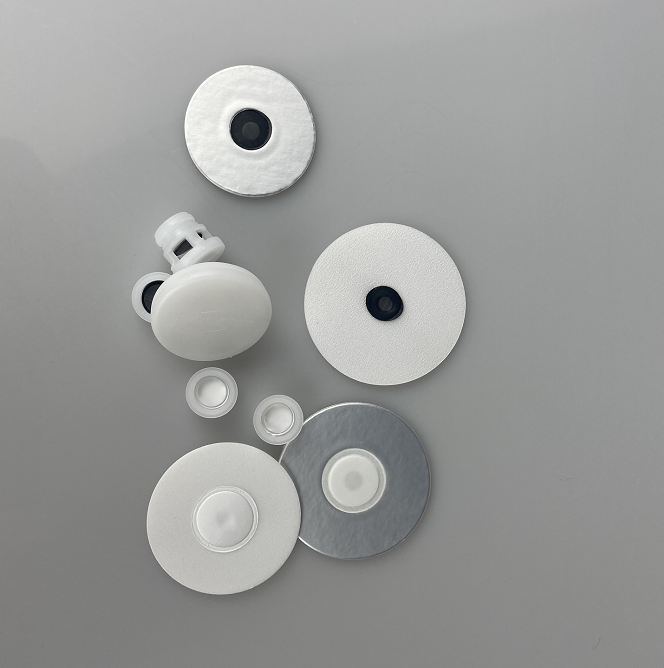
Electronic devices face constant threats from moisture, dust, and environmental contaminants that can compromise their functionality and longevity. Modern electronics require sophisticated protection systems that maintain performance while safeguarding internal components from external hazards. The waterproof eptfe membrane technology has emerged as a critical solution for protecting sensitive electronic equipment across various industries.
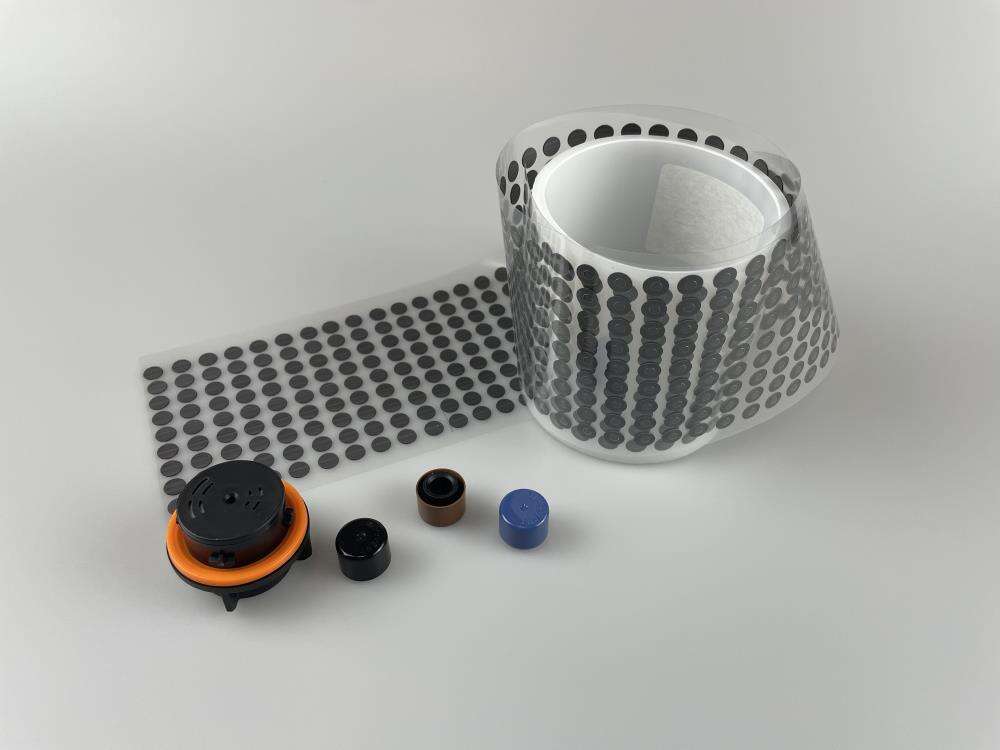
The expansion of electronic devices into harsh environments has created unprecedented demands for protective solutions. From automotive sensors to outdoor telecommunications equipment, electronics must operate reliably despite exposure to rain, humidity, temperature fluctuations, and corrosive substances. Traditional protection methods often fall short of providing comprehensive defense while maintaining optimal device performance.
Advanced membrane technologies have revolutionized electronic protection by offering selective permeability that allows air exchange while blocking liquid water and contaminants. These innovations ensure that electronic components remain dry and functional even in the most challenging conditions, extending device lifespan and reducing maintenance costs significantly.
Understanding EPTFE Membrane Technology
Material Composition and Structure
Expanded polytetrafluoroethylene (ePTFE) represents a breakthrough in membrane engineering, featuring a unique microporous structure that provides exceptional barrier properties. The waterproof eptfe membrane consists of interconnected nodes and fibrils that create millions of microscopic pores, each smaller than water droplets but larger than water vapor molecules.
This sophisticated structure enables the membrane to achieve hydrostatic pressure resistance exceeding industry standards while maintaining excellent breathability characteristics. The material's chemical inertness ensures long-term stability and resistance to degradation from environmental exposure, making it ideal for critical electronic applications.
Manufacturing processes for waterproof eptfe membrane involve precise stretching and expansion techniques that control pore size distribution and membrane thickness. These controlled parameters directly influence the membrane's protective capabilities and performance characteristics in various operating conditions.
Performance Characteristics
The performance profile of waterproof eptfe membrane technology encompasses multiple critical parameters that determine its effectiveness in electronic protection applications. Water entry pressure ratings typically exceed 1000 mmH2O, ensuring complete protection against liquid water intrusion under normal and extreme conditions.
Air permeability characteristics allow rapid pressure equalization while maintaining moisture protection, preventing condensation buildup that could damage sensitive components. The membrane's durability under cyclic loading and temperature variations ensures consistent protection throughout the electronic device's operational lifetime.
Chemical compatibility testing demonstrates that waterproof eptfe membrane materials resist degradation from common industrial chemicals, solvents, and cleaning agents. This resistance ensures maintained protection levels even when electronic devices operate in chemically aggressive environments.
Electronic Protection Applications
Automotive Electronics
Modern vehicles contain numerous electronic control units, sensors, and communication systems that require robust environmental protection. Automotive applications demand waterproof eptfe membrane solutions that withstand temperature extremes, vibration, chemical exposure, and direct water contact during washing or adverse weather conditions.
Engine management systems, brake control modules, and infotainment units benefit significantly from membrane protection that prevents moisture infiltration while allowing thermal expansion compensation. The membrane's flexibility accommodates housing movements and thermal cycling without compromising seal integrity.
Advanced driver assistance systems rely on precise sensor functionality that waterproof eptfe membrane technology helps maintain. Camera lenses, radar units, and LiDAR systems require clear optical paths and stable internal environments that membrane protection provides effectively.
Industrial Control Systems
Industrial environments present unique challenges for electronic equipment, including exposure to process chemicals, high humidity, temperature fluctuations, and particulate contamination. Control panels, motor drives, and monitoring systems require waterproof eptfe membrane protection to maintain reliable operation in these demanding conditions.
Process control instrumentation benefits from membrane technology that prevents moisture accumulation while allowing pressure equalization during temperature changes. This protection ensures accurate sensor readings and prevents corrosion of internal components that could lead to system failures.
Communication equipment in industrial settings requires waterproof eptfe membrane protection to maintain signal integrity and prevent moisture-related interference. The membrane's electromagnetic transparency ensures that communication performance remains uncompromised while providing essential environmental protection.
Technical Advantages of MicroVENT® Technology
Superior Water Resistance
MicroVENT® waterproof eptfe membrane technology achieves exceptional water resistance through advanced pore structure engineering and surface treatments. The membrane's hydrophobic properties create a barrier that prevents water penetration while allowing air and water vapor to pass freely through the material.
Testing protocols demonstrate that MicroVENT® membranes maintain water resistance even under pressure differentials that exceed typical environmental conditions. This performance margin ensures reliable protection during extreme weather events, equipment washing, or accidental submersion scenarios.
Long-term exposure testing confirms that waterproof eptfe membrane materials retain their protective properties over extended periods, maintaining consistent performance throughout the electronic device's service life. This durability reduces maintenance requirements and extends equipment replacement intervals.
Pressure Equalization Benefits
Sealed electronic enclosures experience internal pressure changes due to temperature fluctuations, altitude variations, and barometric pressure changes. Without proper venting, these pressure differentials can stress seals, create condensation, or cause mechanical damage to sensitive components.
Waterproof eptfe membrane technology provides controlled pressure relief that prevents damaging pressure buildup while maintaining environmental protection. This pressure equalization capability is particularly critical for portable electronics, aerospace applications, and equipment operating at varying altitudes.
The membrane's rapid pressure response characteristics ensure that internal and external pressures equalize quickly, minimizing stress on enclosure seals and preventing moisture infiltration that could occur during pressure cycling events.
Installation and Integration Considerations
Design Integration Strategies
Successful integration of waterproof eptfe membrane technology requires careful consideration of enclosure design, membrane positioning, and sealing methods. Design engineers must evaluate airflow requirements, pressure relief needs, and environmental exposure levels to select appropriate membrane specifications.
Membrane mounting systems must provide reliable sealing while accommodating thermal expansion and vibration without compromising membrane integrity. Proper installation techniques ensure that the waterproof eptfe membrane maintains its protective characteristics throughout the device's operational lifetime.
Integration testing validates that membrane installation methods provide adequate protection while meeting performance requirements. This testing includes water ingress testing, pressure cycling evaluation, and long-term durability assessment under simulated operating conditions.
Maintenance and Monitoring
Regular inspection and maintenance of waterproof eptfe membrane installations ensure continued protection effectiveness. Visual inspection protocols identify potential damage, contamination, or degradation that could compromise membrane performance.
Preventive maintenance procedures include membrane cleaning, seal inspection, and performance verification testing. These activities help identify potential issues before they result in moisture infiltration or electronic component damage.
Monitoring systems can track membrane performance indicators such as airflow resistance, water entry pressure, and contamination levels. This data enables predictive maintenance scheduling and helps optimize membrane replacement intervals for specific applications.
Industry Standards and Compliance
International Protection Standards
Waterproof eptfe membrane technology must comply with various international standards that define protection levels for electronic equipment. IP ratings specify dust and water ingress protection levels, while industry-specific standards address unique environmental challenges.
Automotive standards such as ISO 16750 define environmental test conditions that waterproof eptfe membrane systems must withstand. These standards ensure that membrane protection provides adequate performance margins for automotive electronic applications.
Military and aerospace applications require compliance with MIL-STD specifications that address extreme environmental conditions. Waterproof eptfe membrane technology designed for these applications undergoes rigorous testing to verify compliance with stringent performance requirements.
Quality Assurance Protocols
Manufacturing quality control procedures ensure consistent waterproof eptfe membrane performance across production batches. Testing protocols verify critical parameters such as water entry pressure, air permeability, and membrane thickness uniformity.
Statistical process control methods monitor manufacturing variables that influence membrane performance characteristics. This monitoring ensures that waterproof eptfe membrane products consistently meet specification requirements and performance standards.
Traceability systems track membrane materials and production parameters, enabling rapid identification and resolution of any quality issues that may arise. This traceability supports continuous improvement efforts and customer confidence in membrane performance.
Future Developments and Innovations
Advanced Material Engineering
Research and development efforts continue to advance waterproof eptfe membrane technology through novel material formulations and processing techniques. These innovations target improved performance characteristics, enhanced durability, and expanded application capabilities.
Nanotechnology applications offer potential improvements in membrane selectivity, chemical resistance, and mechanical properties. These advances could enable waterproof eptfe membrane technology to address even more demanding electronic protection requirements.
Smart membrane technologies incorporating sensing capabilities could provide real-time monitoring of membrane condition and performance. This integration would enable predictive maintenance strategies and optimize membrane replacement scheduling.
Application Expansion Opportunities
Emerging electronic applications create new opportunities for waterproof eptfe membrane technology deployment. Internet of Things devices, wearable electronics, and outdoor sensor networks require reliable environmental protection in compact, lightweight packages.
Renewable energy systems, electric vehicle charging infrastructure, and smart grid components present growing markets for waterproof eptfe membrane protection solutions. These applications demand long-term reliability and minimal maintenance requirements.
Medical device applications increasingly require waterproof eptfe membrane protection for portable and implantable electronics. These applications demand biocompatibility, sterilization compatibility, and long-term stability in biological environments.
FAQ
How does waterproof eptfe membrane technology differ from traditional sealing methods?
Waterproof eptfe membrane technology provides selective permeability that allows air and water vapor passage while blocking liquid water and contaminants. Traditional sealing methods create completely sealed enclosures that can experience pressure buildup, condensation, and seal stress. The membrane approach prevents these issues while maintaining superior environmental protection.
What maintenance is required for electronic devices protected by waterproof eptfe membrane?
Maintenance requirements for waterproof eptfe membrane protection are minimal compared to traditional sealing systems. Regular visual inspection for physical damage or contamination is recommended, along with periodic cleaning using appropriate solvents. The membrane's durability typically provides years of maintenance-free operation under normal conditions.
Can waterproof eptfe membrane technology be retrofitted to existing electronic enclosures?
Retrofitting existing enclosures with waterproof eptfe membrane protection is often possible, depending on the enclosure design and available mounting space. Professional evaluation is recommended to determine optimal membrane placement, sizing, and installation methods. Proper integration ensures that retrofitted protection provides equivalent performance to original equipment installations.
What environmental conditions can waterproof eptfe membrane technology withstand?
Waterproof eptfe membrane technology operates effectively across wide temperature ranges, typically from -40°C to +125°C, while maintaining protection against water, dust, chemicals, and contaminants. The membrane withstands UV exposure, thermal cycling, vibration, and chemical exposure common in industrial and automotive applications. Specific performance limits vary with membrane formulation and application requirements.
Table of Contents
- Understanding EPTFE Membrane Technology
- Electronic Protection Applications
- Technical Advantages of MicroVENT® Technology
- Installation and Integration Considerations
- Industry Standards and Compliance
- Future Developments and Innovations
-
FAQ
- How does waterproof eptfe membrane technology differ from traditional sealing methods?
- What maintenance is required for electronic devices protected by waterproof eptfe membrane?
- Can waterproof eptfe membrane technology be retrofitted to existing electronic enclosures?
- What environmental conditions can waterproof eptfe membrane technology withstand?
