 EN
EN
 AR
AR
 CS
CS
 FR
FR
 DE
DE
 IT
IT
 JA
JA
 KO
KO
 PT
PT
 RU
RU
 ES
ES
 ID
ID
 VI
VI
 TH
TH
 TR
TR
 MS
MS

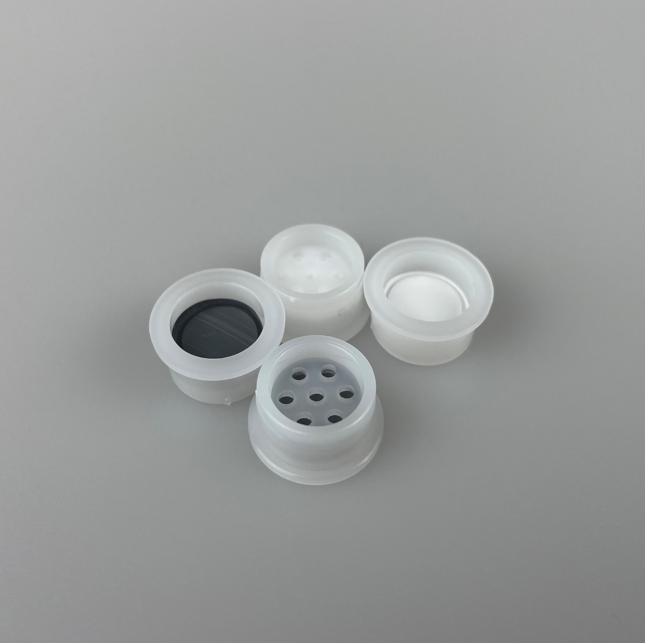
The demand for high-performance acoustic solutions in modern engineering applications has driven significant innovation in membrane technology. MicroVENT acoustic membrane systems represent a breakthrough in managing sound transmission while maintaining essential ventilation properties. These specialized membranes offer engineers and designers unprecedented control over acoustic environments without compromising functionality. Understanding where to source quality MicroVENT acoustic membrane solutions is crucial for project success and long-term performance reliability.
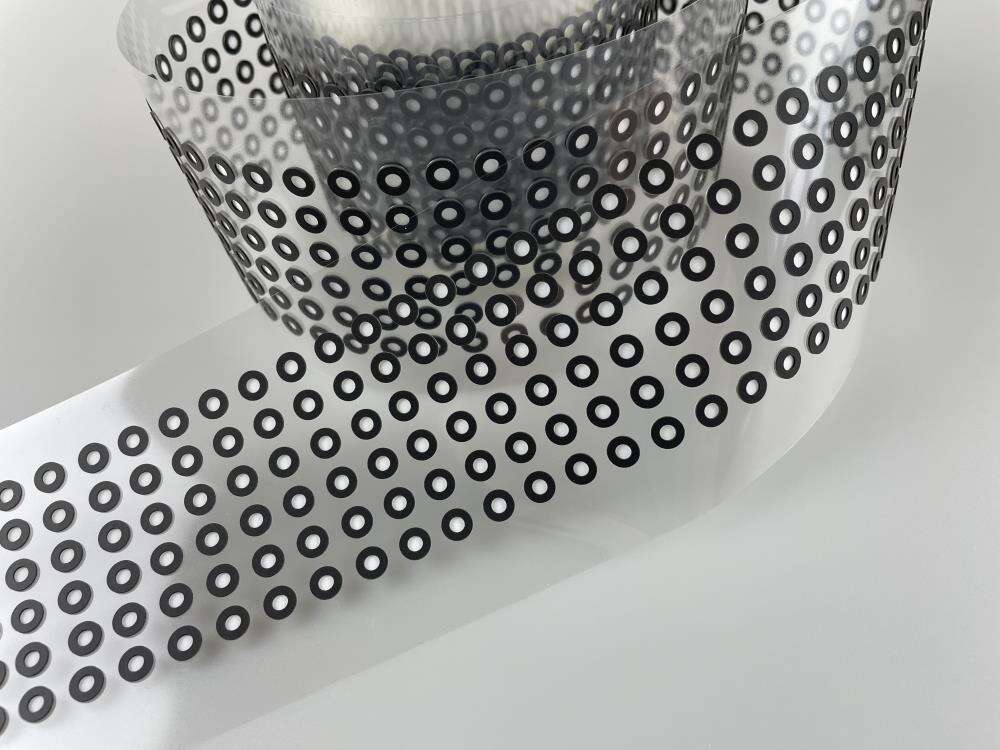
Understanding MicroVENT Acoustic Membrane Technology
Core Principles and Functionality
MicroVENT acoustic membrane technology operates on sophisticated principles that balance acoustic attenuation with air permeability. The membrane structure incorporates precisely engineered micropores that allow controlled airflow while significantly reducing sound transmission. This dual functionality makes MicroVENT acoustic membrane solutions ideal for applications requiring both ventilation and noise control. The technology utilizes advanced polymer materials that maintain structural integrity across wide temperature ranges and environmental conditions.
The acoustic performance of these membranes depends on carefully calibrated pore size distribution and membrane thickness. Engineers can specify different variants of MicroVENT acoustic membrane products to achieve specific acoustic targets while maintaining required airflow characteristics. The membrane's ability to attenuate sound frequencies across a broad spectrum makes it particularly valuable in industrial and commercial applications where noise control is critical.
Material Composition and Durability
Quality MicroVENT acoustic membrane products are manufactured using high-grade synthetic polymers that resist degradation from UV exposure, chemical contact, and mechanical stress. The material selection process ensures long-term performance stability and consistent acoustic properties throughout the membrane's service life. Advanced manufacturing techniques create uniform pore structures that maintain acoustic performance characteristics even under challenging operating conditions.
Durability testing of MicroVENT acoustic membrane materials demonstrates exceptional resistance to environmental factors that typically compromise conventional acoustic treatments. The membrane structure maintains its acoustic properties after extended exposure to temperature cycling, humidity variations, and mechanical vibration. This reliability makes MicroVENT acoustic membrane solutions particularly suitable for demanding industrial applications where performance consistency is essential.
Applications and Industry Use Cases
Automotive and Transportation
The automotive industry extensively utilizes MicroVENT acoustic membrane technology to manage cabin noise while ensuring proper ventilation system operation. These membranes are integrated into HVAC systems, door panels, and engine compartments to reduce noise transmission without impeding airflow. Automotive engineers specify MicroVENT acoustic membrane components to meet increasingly stringent noise regulations while maintaining vehicle performance standards.
Transportation applications extend beyond passenger vehicles to include commercial trucks, buses, and rail systems. MicroVENT acoustic membrane solutions provide effective noise control in these applications while accommodating the demanding environmental conditions typical of transportation use. The membrane's lightweight construction contributes to overall vehicle efficiency without compromising acoustic performance.
Building and Construction
Modern building design increasingly incorporates MicroVENT acoustic membrane technology to address complex acoustic challenges in commercial and residential structures. These membranes enable architects to design spaces that balance natural ventilation requirements with acoustic comfort standards. Building applications include ventilation grilles, acoustic panels, and specialty construction elements where sound control is paramount.
Construction professionals appreciate the versatility of MicroVENT acoustic membrane products in addressing unique acoustic challenges. The membranes can be integrated into various building systems without requiring significant structural modifications. This adaptability allows retrofitting existing buildings to improve acoustic performance while maintaining proper ventilation functionality.
Sourcing Quality MicroVENT Acoustic Membrane Solutions
Authorized Distributors and Manufacturers
Locating reliable sources for MicroVENT acoustic membrane products requires identifying authorized distributors and manufacturers with proven track records in acoustic technology. Established suppliers maintain comprehensive inventories of various membrane specifications to meet diverse application requirements. These authorized sources provide technical support, installation guidance, and quality assurance that ensures optimal performance of MicroVENT acoustic membrane installations.
Working with authorized distributors guarantees access to genuine MicroVENT acoustic membrane products that meet published performance specifications. These suppliers typically offer custom fabrication services to accommodate unique application requirements and provide technical consultation to optimize membrane selection for specific use cases. The relationship with authorized suppliers also ensures access to ongoing technical support and product updates.
Quality Verification and Certification
Quality MicroVENT acoustic membrane suppliers provide comprehensive certification documentation that verifies acoustic performance characteristics and material properties. This documentation includes test reports demonstrating sound transmission class ratings, airflow measurements, and durability test results. Buyers should verify that suppliers provide complete traceability documentation and quality certifications that meet relevant industry standards.
Certification requirements for MicroVENT acoustic membrane products vary by application and geographic region. Reputable suppliers maintain current certifications from recognized testing organizations and provide detailed technical data sheets that enable proper product selection. The certification process ensures that MicroVENT acoustic membrane products deliver consistent performance across different installation environments.
Technical Specifications and Selection Criteria
Acoustic Performance Parameters
Selecting appropriate MicroVENT acoustic membrane products requires understanding key acoustic performance parameters including sound transmission loss, noise reduction coefficient, and frequency response characteristics. These parameters determine the membrane's effectiveness in specific acoustic environments and guide proper product selection for different applications. Engineers must evaluate these specifications against project requirements to ensure optimal MicroVENT acoustic membrane performance.
Acoustic testing standards for MicroVENT acoustic membrane products follow established protocols that enable accurate comparison between different membrane variants. Test data typically includes frequency-specific performance measurements that help engineers predict membrane behavior in real-world applications. Understanding these performance parameters is essential for successful MicroVENT acoustic membrane system implementation.
Environmental and Operational Considerations
Environmental factors significantly influence MicroVENT acoustic membrane performance and longevity. Temperature ranges, humidity levels, chemical exposure, and mechanical stress all affect membrane behavior and must be considered during product selection. Quality suppliers provide detailed environmental specification data that enables proper MicroVENT acoustic membrane selection for challenging operating conditions.
Operational requirements such as airflow rates, pressure differentials, and maintenance access also influence MicroVENT acoustic membrane selection decisions. Suppliers should provide comprehensive technical support to help engineers evaluate these factors and select appropriate membrane configurations. This technical consultation ensures that MicroVENT acoustic membrane installations deliver expected performance throughout their service life.
Installation and Maintenance Considerations
Proper Installation Techniques
Successful MicroVENT acoustic membrane performance depends heavily on proper installation techniques that preserve membrane integrity and optimize acoustic characteristics. Installation procedures must account for membrane tensioning, edge sealing, and frame compatibility to ensure maximum effectiveness. Quality suppliers provide detailed installation guidance and training to ensure proper MicroVENT acoustic membrane implementation.
Installation environments present various challenges that can affect MicroVENT acoustic membrane performance if not properly addressed. Factors such as substrate preparation, environmental conditions during installation, and quality control procedures all influence final system performance. Experienced installers understand these requirements and implement appropriate measures to ensure successful MicroVENT acoustic membrane installations.
Long-term Maintenance Requirements
MicroVENT acoustic membrane systems require minimal maintenance when properly installed and operated within specified parameters. Regular inspection protocols help identify potential issues before they affect performance and extend membrane service life. Maintenance procedures typically focus on cleaning accumulated debris and verifying proper membrane tensioning and edge sealing integrity.
Maintenance schedules for MicroVENT acoustic membrane installations vary based on environmental exposure and application demands. Harsh environments may require more frequent inspection and cleaning cycles to maintain optimal performance. Quality suppliers provide maintenance guidance and replacement part availability to support long-term MicroVENT acoustic membrane system operation.
Cost Considerations and Value Analysis
Initial Investment and Total Cost of Ownership
Evaluating MicroVENT acoustic membrane solutions requires comprehensive cost analysis that considers initial purchase price, installation costs, and long-term operational expenses. While premium membrane products may require higher initial investment, their superior performance and durability often result in lower total cost of ownership. This analysis should include factors such as energy efficiency, maintenance requirements, and expected service life.
Quality MicroVENT acoustic membrane products typically demonstrate superior value propositions compared to alternative acoustic solutions when evaluated over their complete service life. The combination of acoustic performance, durability, and minimal maintenance requirements often justifies initial cost premiums. Buyers should work with suppliers to develop comprehensive cost analyses that accurately reflect long-term value propositions.
Performance versus Price Optimization
Optimizing MicroVENT acoustic membrane selection requires balancing performance requirements against budget constraints while ensuring adequate acoustic control for the intended application. This optimization process involves evaluating different membrane grades and configurations to identify solutions that meet minimum performance standards at acceptable cost levels. Quality suppliers can provide guidance in this optimization process.
Price comparison for MicroVENT acoustic membrane products should include evaluation of technical support, warranty coverage, and supplier reliability in addition to base product pricing. These factors significantly influence the overall value proposition and project success probability. Comprehensive evaluation ensures selection of MicroVENT acoustic membrane solutions that deliver optimal performance and value.
FAQ
What factors should I consider when selecting a MicroVENT acoustic membrane supplier
When selecting a MicroVENT acoustic membrane supplier, prioritize factors such as product certification, technical support capabilities, inventory availability, and proven track record in acoustic applications. Verify that the supplier provides comprehensive technical documentation, installation guidance, and quality assurance programs. Additionally, evaluate their ability to provide custom solutions and ongoing support throughout the project lifecycle.
How do I verify the quality and authenticity of MicroVENT acoustic membrane products
Verify MicroVENT acoustic membrane quality by requesting complete technical documentation, including test reports from recognized acoustic testing laboratories and material certification documents. Authentic products should include proper labeling, batch identification, and traceability information. Work only with authorized distributors who can provide verification of product authenticity and performance characteristics.
What installation requirements are critical for optimal MicroVENT acoustic membrane performance
Critical installation requirements for MicroVENT acoustic membrane systems include proper substrate preparation, accurate membrane tensioning, complete edge sealing, and environmental protection during installation. Follow manufacturer specifications for frame compatibility, mounting procedures, and quality control checkpoints. Proper installation directly impacts acoustic performance and membrane service life.
How can I evaluate the long-term cost effectiveness of MicroVENT acoustic membrane solutions
Evaluate long-term cost effectiveness by analyzing total cost of ownership including initial purchase price, installation costs, maintenance requirements, energy efficiency impacts, and expected service life. Compare these factors against alternative acoustic solutions while considering performance differences and reliability factors. Quality MicroVENT acoustic membrane products often demonstrate superior value propositions when evaluated over their complete service life.
Table of Contents
- Understanding MicroVENT Acoustic Membrane Technology
- Applications and Industry Use Cases
- Sourcing Quality MicroVENT Acoustic Membrane Solutions
- Technical Specifications and Selection Criteria
- Installation and Maintenance Considerations
- Cost Considerations and Value Analysis
-
FAQ
- What factors should I consider when selecting a MicroVENT acoustic membrane supplier
- How do I verify the quality and authenticity of MicroVENT acoustic membrane products
- What installation requirements are critical for optimal MicroVENT acoustic membrane performance
- How can I evaluate the long-term cost effectiveness of MicroVENT acoustic membrane solutions
