 EN
EN
 AR
AR
 CS
CS
 FR
FR
 DE
DE
 IT
IT
 JA
JA
 KO
KO
 PT
PT
 RU
RU
 ES
ES
 ID
ID
 VI
VI
 TH
TH
 TR
TR
 MS
MS


Modern electronic devices face increasing pressure to deliver superior audio performance while maintaining robust protection against environmental hazards. Acoustic membrane technology has emerged as a revolutionary solution that addresses these dual demands, offering manufacturers a pathway to enhanced device functionality without compromising durability. This advanced technology represents a significant leap forward in acoustic engineering, providing precise sound transmission control while safeguarding sensitive internal components from moisture, dust, and other contaminants.
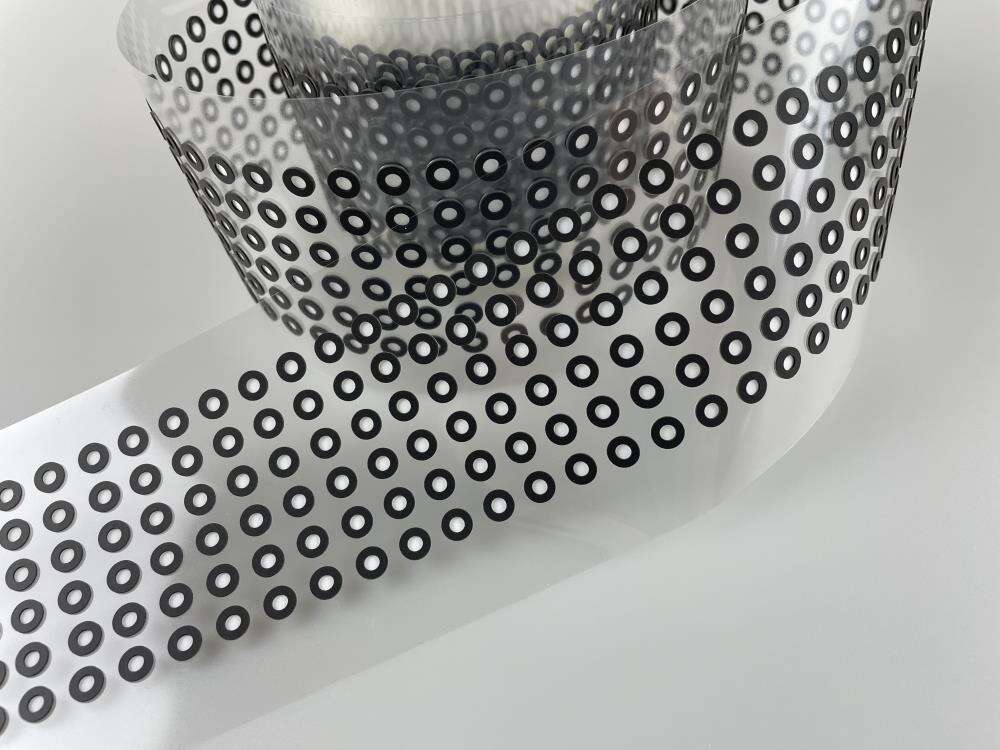
The integration of acoustic membrane technology into contemporary device design has transformed how engineers approach sound management and environmental protection. These specialized membranes operate on sophisticated principles that balance permeability and barrier properties, creating an optimal environment for audio components to function at peak performance. As consumer expectations continue to evolve, manufacturers increasingly rely on this technology to differentiate their products in competitive markets.
Fundamental Principles of Acoustic Membrane Technology
Membrane Structure and Composition
Acoustic membrane technology relies on precisely engineered microporous structures that selectively allow sound waves to pass while blocking harmful substances. These membranes typically consist of expanded polytetrafluoroethylene (ePTFE) or similar advanced polymers that exhibit exceptional chemical resistance and mechanical stability. The microscopic pore structure is carefully controlled during manufacturing to achieve optimal acoustic transparency while maintaining effective barrier properties against water, oils, and particulate matter.
The membrane's thickness and pore distribution directly influence its acoustic performance characteristics. Engineers must balance these parameters to achieve the desired frequency response while ensuring adequate protection levels. Advanced manufacturing techniques enable precise control over pore size and distribution, resulting in consistent performance across different environmental conditions and operational scenarios.
Sound Transmission Mechanisms
Sound waves interact with acoustic membrane technology through complex physical phenomena that involve both mechanical and pneumatic effects. When sound waves encounter the membrane surface, the pressure variations cause microscopic movements within the pore structure, allowing acoustic energy to transfer efficiently across the barrier. This process occurs without compromising the membrane's protective integrity, maintaining consistent audio quality throughout the device's operational lifetime.
The frequency response characteristics of acoustic membrane technology depend on multiple factors including membrane thickness, pore geometry, and backing support structure. Higher frequencies typically transmit more readily through smaller pores, while lower frequencies require careful optimization of the overall membrane assembly to prevent unwanted resonances or acoustic damping effects.
Performance Enhancement in Modern Devices
Audio Quality Improvements
Implementation of acoustic membrane technology delivers measurable improvements in audio reproduction across a wide frequency spectrum. These membranes minimize acoustic interference that commonly occurs when traditional protective barriers are employed, resulting in clearer sound transmission and reduced distortion. The technology enables device manufacturers to achieve professional-grade audio performance while maintaining the rugged construction necessary for demanding applications.
Frequency response linearity represents one of the most significant benefits of modern acoustic membrane technology. Unlike conventional protective measures that often introduce frequency-dependent attenuation, these specialized membranes maintain consistent transmission characteristics across the audible spectrum. This consistency ensures that audio reproduction remains faithful to the original source material, enhancing user experience and device performance ratings.
Environmental Protection Benefits
Beyond audio enhancement, acoustic membrane technology provides comprehensive environmental protection that extends device operational life and reliability. These membranes effectively block moisture ingress while allowing necessary pressure equalization, preventing condensation buildup that could damage sensitive electronic components. The technology's resistance to chemical exposure ensures consistent performance even in harsh industrial environments or outdoor applications.
Dust and particulate protection capabilities of acoustic membrane technology surpass traditional alternatives while maintaining superior acoustic transparency. The membrane structure filters contaminants at the microscopic level, preventing accumulation on critical audio components such as microphones, speakers, and transducers. This protection mechanism significantly reduces maintenance requirements and extends the intervals between device servicing or replacement.
Applications Across Different Device Categories
Consumer Electronics Integration
Consumer electronics manufacturers have widely adopted acoustic membrane technology to enhance smartphone, tablet, and wearable device performance. These applications demand exceptional miniaturization combined with high-performance characteristics, making advanced membrane solutions essential for competitive differentiation. The technology enables ultra-thin form factors while maintaining robust environmental protection and superior audio quality.
Smartwatch and fitness tracker applications particularly benefit from acoustic membrane technology due to the challenging environmental conditions these devices encounter. The membrane's waterproof characteristics combined with acoustic transparency allow for clear communication and audio feedback even during intense physical activities or exposure to moisture. This capability has enabled the development of fully waterproof devices that maintain voice recognition and audio playback functionality.
Industrial and Professional Equipment
Professional audio equipment and industrial communication devices leverage acoustic membrane technology to achieve reliable performance in demanding operational environments. These applications often involve exposure to extreme temperatures, chemical vapors, and mechanical stress that would quickly degrade conventional protective measures. Advanced membrane solutions provide the durability necessary for continuous operation while preserving critical acoustic performance parameters.
Two-way radio systems and public address equipment benefit significantly from acoustic membrane technology implementation. The membrane's ability to maintain consistent audio transmission under varying environmental conditions ensures clear communication in emergency situations and industrial settings. This reliability factor has made the technology indispensable for mission-critical applications where communication failure could have serious consequences.
Manufacturing and Design Considerations
Integration Challenges and Solutions
Successful implementation of acoustic membrane technology requires careful consideration of mechanical design factors that influence overall system performance. The membrane must be properly supported and sealed within the device housing to prevent damage during assembly or operation. Advanced mounting techniques and specialized adhesive systems ensure long-term reliability while maintaining optimal acoustic characteristics throughout the device lifecycle.
Thermal cycling and mechanical stress testing play crucial roles in validating acoustic membrane technology performance under real-world conditions. These membranes must withstand repeated expansion and contraction cycles without degrading their protective or acoustic properties. Comprehensive testing protocols help manufacturers optimize membrane selection and integration methods for specific application requirements.
Quality Control and Testing Protocols
Quality assurance for acoustic membrane technology involves sophisticated testing methodologies that evaluate both protective and acoustic performance characteristics. Automated testing systems measure parameters such as water ingress protection, acoustic transmission loss, and frequency response linearity across specified operational ranges. These measurements ensure that each membrane meets stringent performance standards before integration into final products.
Long-term reliability testing of acoustic membrane technology includes accelerated aging protocols that simulate extended operational exposure to environmental stressors. These tests evaluate membrane stability under conditions that might be encountered over several years of normal use, providing manufacturers with confidence in their product warranties and performance claims. Continuous monitoring during these tests helps identify potential failure modes and optimization opportunities.
Future Developments and Innovations
Advanced Material Technologies
Research and development efforts continue to advance acoustic membrane technology through the introduction of novel materials and manufacturing techniques. Nanotechnology applications enable even finer control over pore structure and distribution, potentially improving both acoustic performance and environmental protection capabilities. These advances promise to expand the application range of membrane technology into new market segments and use cases.
Smart materials integration represents an emerging frontier in acoustic membrane technology development. These materials can adapt their properties in response to environmental conditions or operational requirements, optimizing performance dynamically. Potential applications include membranes that adjust their acoustic characteristics based on ambient noise levels or environmental conditions, providing enhanced user experiences and device functionality.
Industry Standards and Compliance
Standardization efforts for acoustic membrane technology continue to evolve as the technology matures and gains wider adoption. International standards organizations are developing comprehensive testing protocols and performance criteria that enable consistent evaluation and comparison of different membrane solutions. These standards facilitate broader industry acceptance and help manufacturers specify appropriate solutions for their applications.
Regulatory compliance considerations for acoustic membrane technology encompass environmental safety, performance validation, and quality assurance requirements. As devices incorporating this technology enter regulated markets such as medical devices or automotive applications, comprehensive documentation and testing protocols become essential for approval processes. Industry collaboration helps establish best practices and streamline compliance procedures.
FAQ
What makes acoustic membrane technology superior to traditional protective barriers
Acoustic membrane technology offers superior performance compared to traditional barriers by combining exceptional environmental protection with minimal acoustic interference. Unlike conventional covers that often significantly attenuate sound transmission, these membranes maintain near-transparent acoustic properties while providing comprehensive protection against moisture, dust, and contaminants. This dual functionality eliminates the traditional trade-off between protection and performance.
How does membrane thickness affect acoustic performance
Membrane thickness directly influences both acoustic transmission characteristics and mechanical properties of the barrier system. Thinner membranes generally provide better acoustic transparency and frequency response, while thicker versions offer enhanced mechanical strength and environmental protection. Optimal thickness selection depends on specific application requirements, balancing acoustic performance needs with durability and protection specifications.
Can acoustic membrane technology withstand extreme environmental conditions
Modern acoustic membrane technology demonstrates excellent performance under extreme environmental conditions including temperature variations, chemical exposure, and mechanical stress. Advanced polymer materials used in membrane construction exhibit exceptional chemical resistance and thermal stability, maintaining consistent performance across wide operational ranges. Comprehensive testing protocols validate membrane durability under accelerated aging conditions that simulate years of operational exposure.
What maintenance requirements exist for devices using acoustic membrane technology
Devices incorporating acoustic membrane technology typically require minimal maintenance due to the self-cleaning properties and durability of the membrane materials. The microporous structure naturally resists contamination buildup, while the chemical resistance prevents degradation from environmental exposure. Regular inspection protocols may be recommended for critical applications, but routine cleaning or replacement is generally unnecessary throughout normal device operational life.
