Start With the Real Need
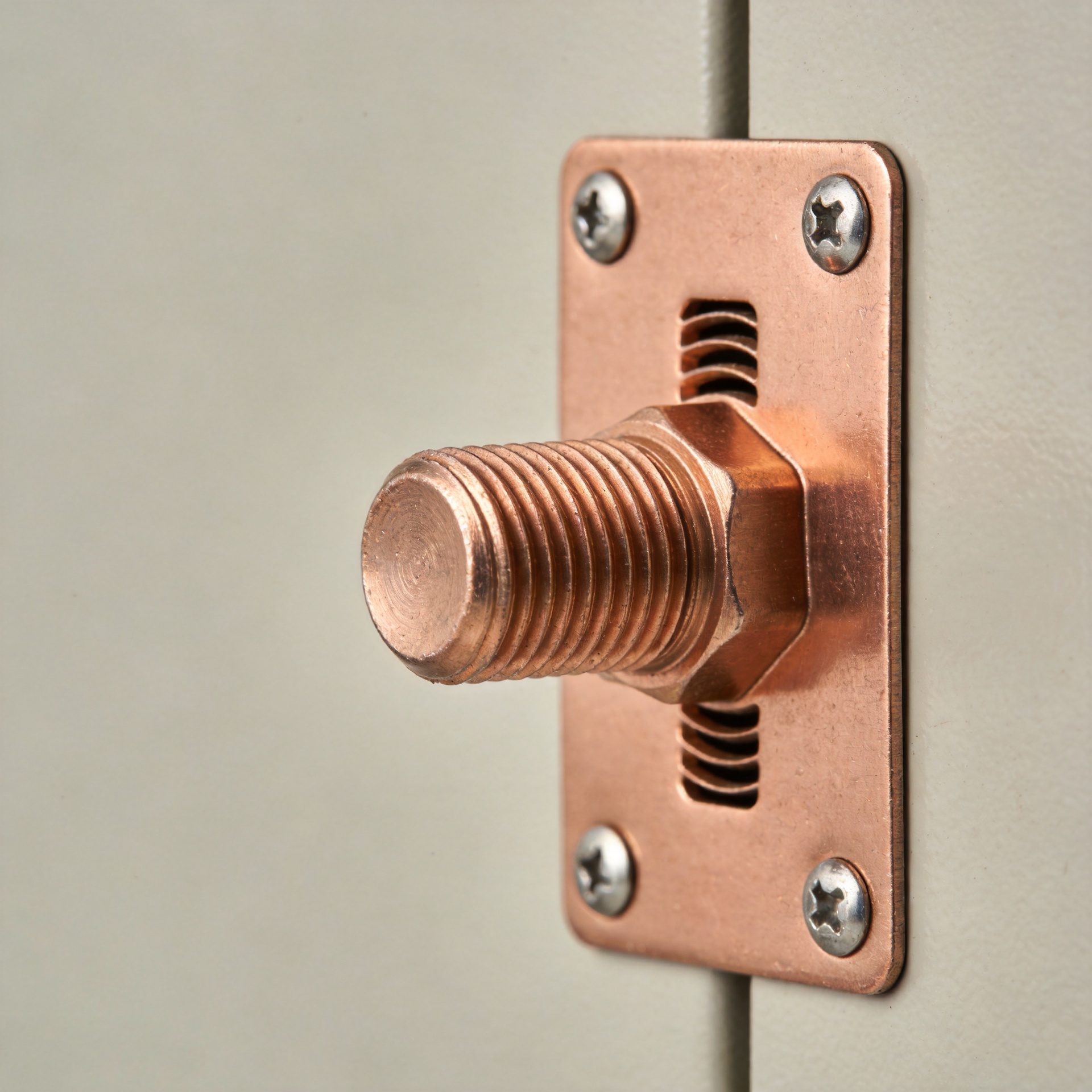
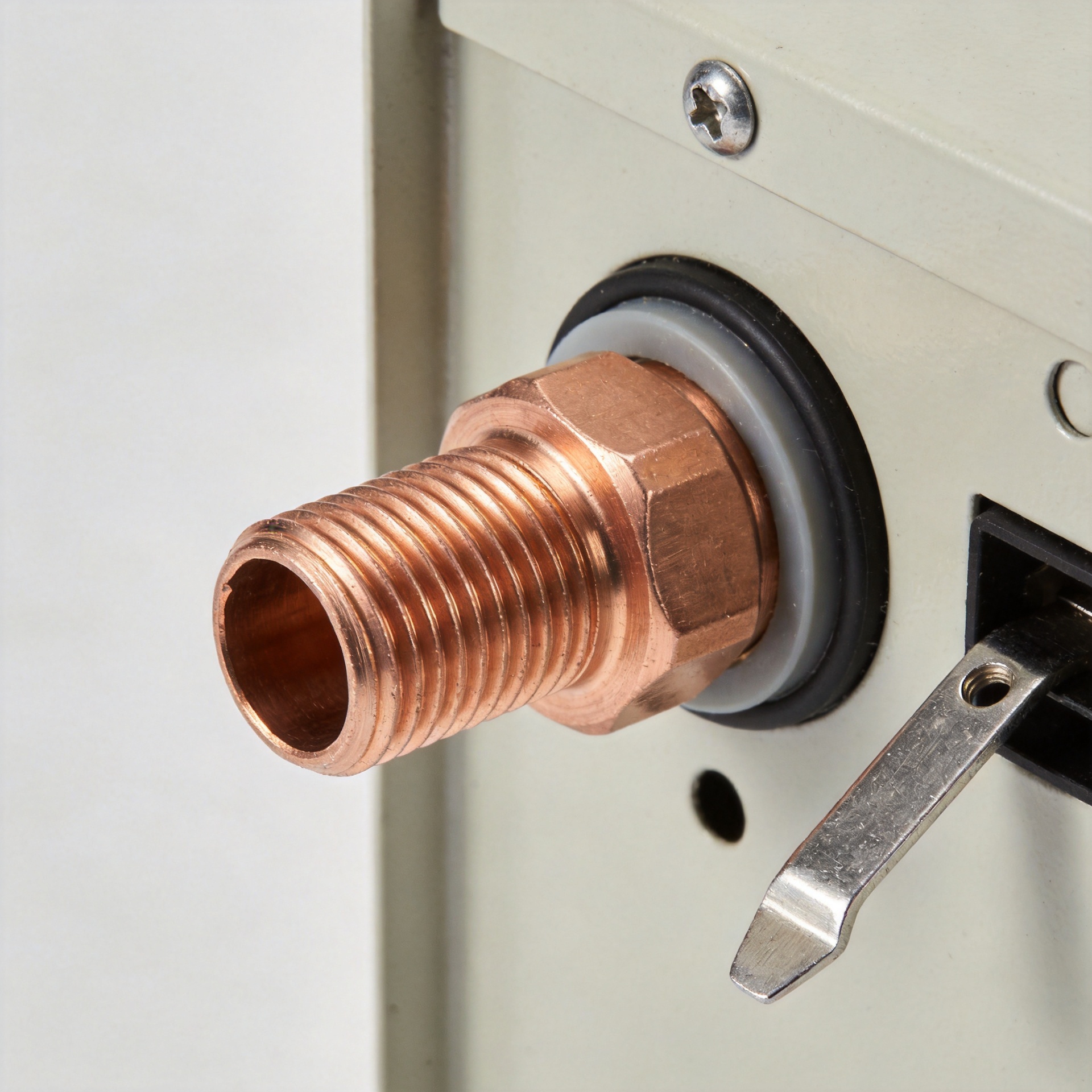
A vent copper bolt is not only a part name. It is part of an enclosure. The first question is simple: why does the enclosure need a vent? A vent copper bolt may be sought for a lamp, sensor, control box, or other closed unit. The unit may heat up, cool down, or move to a new height. Those changes can create a pressure difference. Pressure equalization is the process that the buyer may want to address. But pressure equalization is only one part of the choice.
For a vent copper bolt, list what is known and what is not known. The catalog records show screw-in vent and vent plug formats. They do not name a copper alloy. They do not give a thread size. They do not give a torque value. They do not prove fit for a given unit. Keep these as open points for review. This makes the request clear and helps avoid a choice based on a short search phrase.
Describe the Enclosure
Give the product team a simple view of the enclosure. State the housing material, wall thickness, opening size, and space around the opening. Say if the vent copper bolt will be on the top, side, or bottom of the housing. Add a photo when it helps show tool access. If there is a drawing, send the drawing. A drawing can show details that a product name cannot show.
- Say what is inside the enclosure and what needs protection.
- Say what is outside the enclosure, such as air, dust, splash, oil mist, or wash fluid.
- Say if heat or cold can cause a fast pressure change.
- Say how the vent copper bolt will be installed and removed.
These facts help frame a pressure equalization review. They also help show if a screw-in vent bolt or another vent format should be considered. Do not assume that all sealed boxes have the same need. A small sensor case and a large light housing can have different space, heat, and mounting limits.
Check the Screw-In Interface
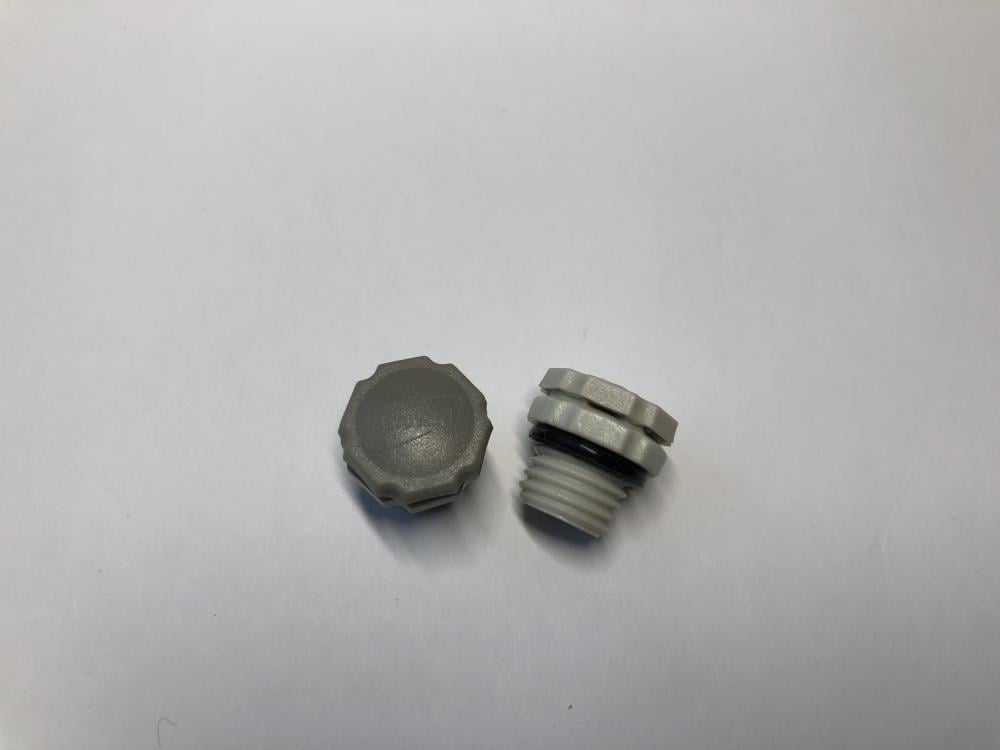
The current product list includes Screw-in Vent Bolt and screw-in bolt. A screw-in vent bolt points to a threaded mounting plan. Still, the real thread must be checked. Confirm the thread callout, hole form, wall depth, and amount of thread contact. Check if there is room for a seal face. Check if a tool can reach the part after the rest of the unit is built.
A vent copper bolt request also needs a clear material note. Give the alloy, finish, and any compatibility question that is in the project file. Do not use the word copper as a stand-in for the full material need. The housing material and outside medium can affect the review. The joining method and service plan can also matter. Where the drawing does not state these items, mark them for follow-up rather than guess.
Choose a Bolt or Plug Format
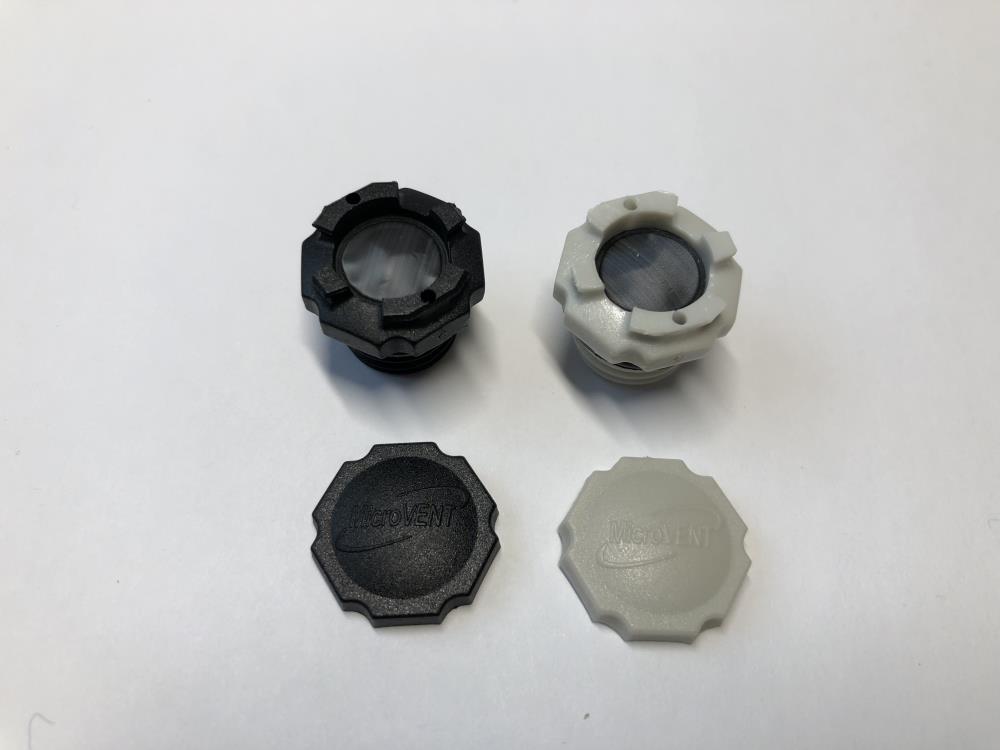
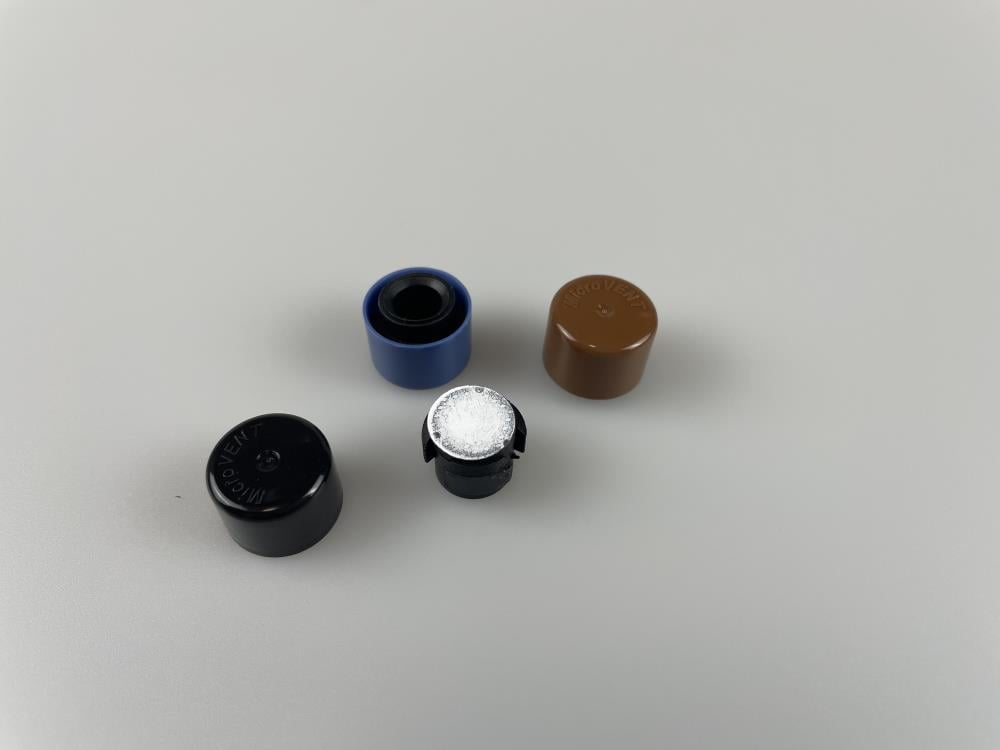
The selected records also include a vent plug. A vent plug may be worth a look if the opening or build process is different from a threaded plan. A vent copper bolt may fit a project that calls for a screw-in route. The choice should follow the opening and assembly plan. It should not follow the name alone.
| Question |
What to send |
| Mounting |
Thread note, hole drawing, wall thickness, and tool access. |
| Venting goal |
Pressure change, enclosure size, and use conditions. |
| Exposure |
Outside medium, dirt, fluid, and part location. |
| Material |
Copper alloy, finish, and drawing notes. |
Pressure equalization should be discussed with the full use case. Ask what creates the change in pressure, how often it happens, and what is inside the unit. This gives a better basis for a vent copper bolt review than a broad claim about airflow or protection.
Prepare a Clear Inquiry
MicroVENT site material describes ePTFE technology and protective venting work. For a vent copper bolt inquiry, send the enclosure details and the exact material need. Include the application, drawing, thread note, desired copper callout, and key exposure facts. State which points are fixed and which points still need review. This lets the discussion focus on product fit, pressure equalization needs, and the documents needed for the project. Do not treat a general catalog name as proof of a final design result.
 EN
 AR
 CS
 FR
 DE
 IT
 JA
 KO
 PT
 RU
 ES
 ID
 VI
 TH
 TR
 MS