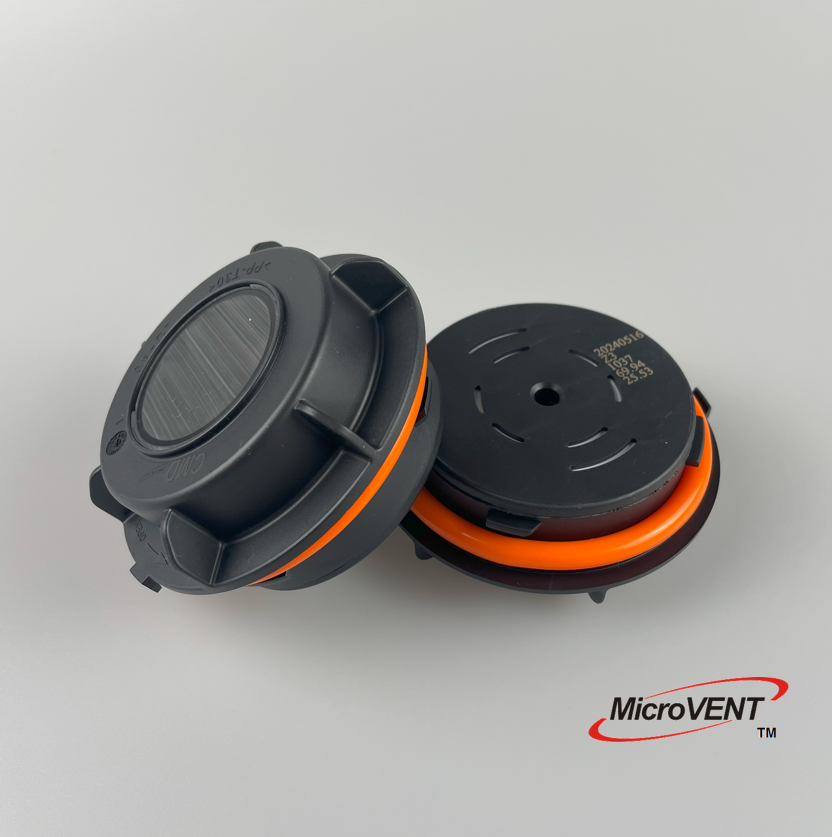
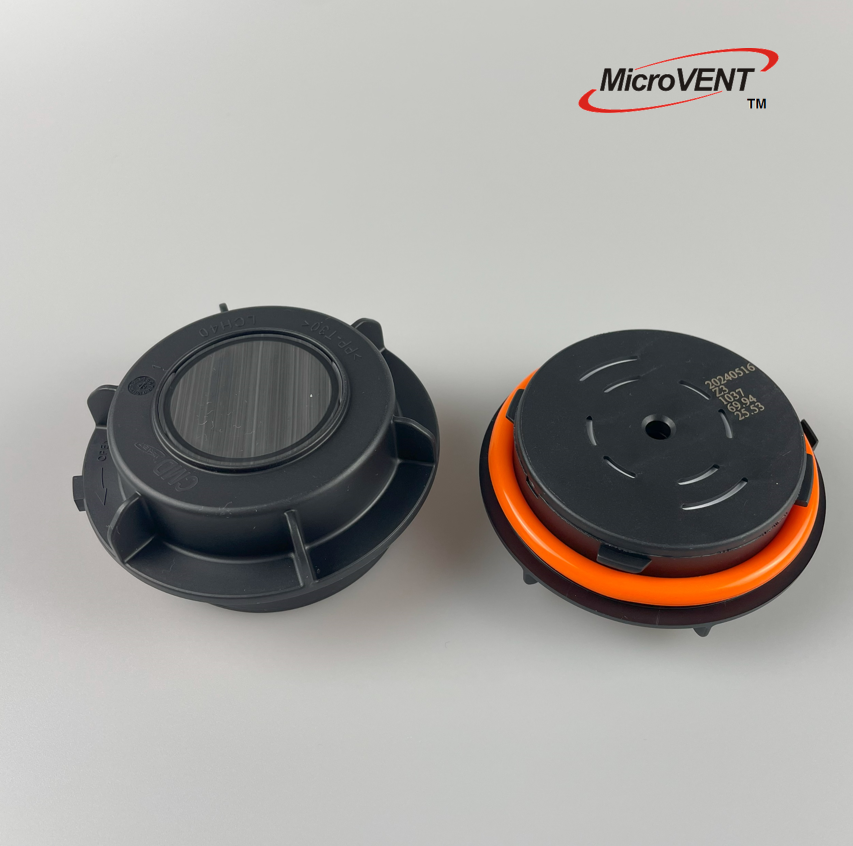
pressure release lighting
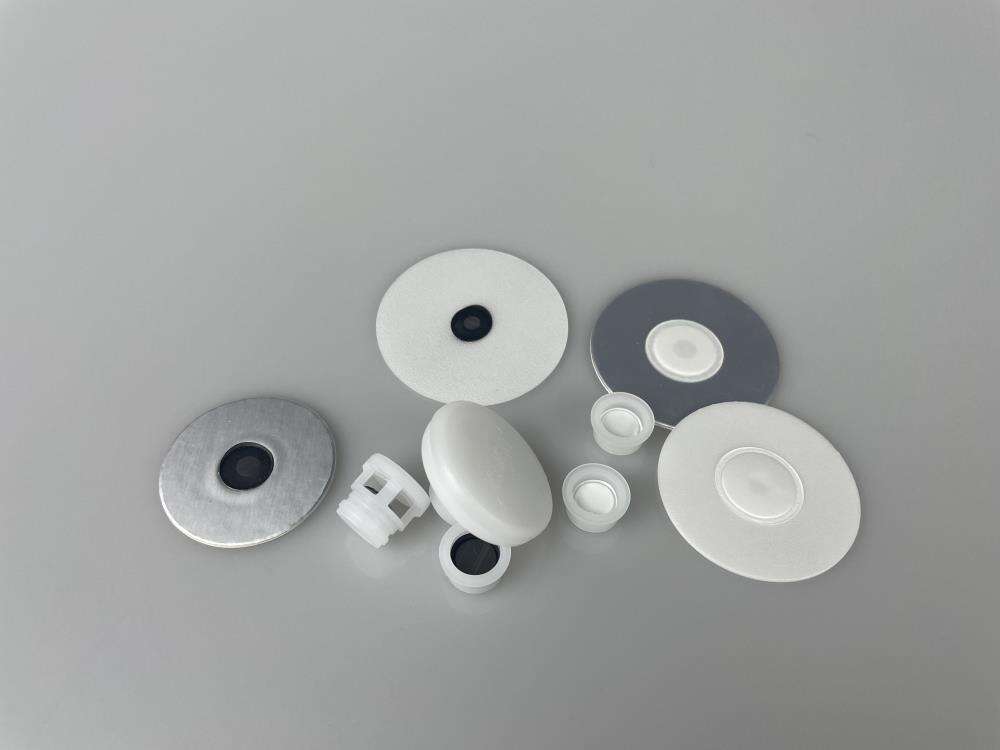
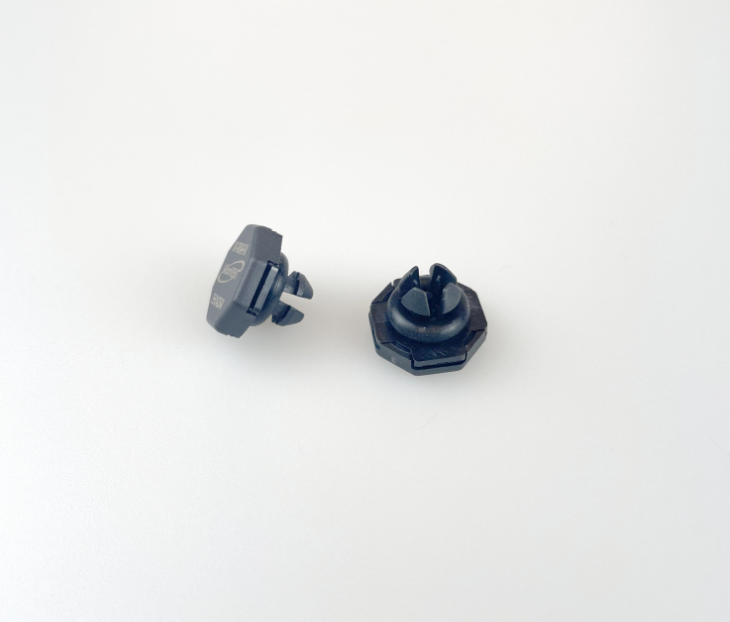
Pressure release lighting represents a revolutionary advancement in safety-critical illumination systems, designed specifically for environments where explosive atmospheres or hazardous conditions may exist. This specialized lighting technology incorporates sophisticated pressure relief mechanisms that automatically activate when internal pressure exceeds predetermined safety thresholds, preventing catastrophic failures and ensuring continuous operation in demanding industrial settings. The core functionality of pressure release lighting centers around its ability to maintain structural integrity while safely venting excess pressure that could otherwise cause equipment damage or pose serious safety risks to personnel. These systems utilize advanced pressure sensors and automated release valves that respond instantaneously to pressure fluctuations, making them indispensable for petrochemical facilities, mining operations, offshore platforms, and manufacturing plants handling volatile substances. The technological foundation of pressure release lighting incorporates multiple layers of protection, including explosion-proof housings, temperature-resistant materials, and fail-safe mechanisms that ensure reliable performance even under extreme conditions. Modern pressure release lighting systems feature intelligent monitoring capabilities that continuously assess internal conditions and provide real-time feedback to facility management systems. The applications for pressure release lighting span across numerous industries where safety cannot be compromised, including oil refineries, chemical processing plants, pharmaceutical manufacturing facilities, grain elevators, paint booths, and underground mining operations. These lighting solutions are engineered to meet stringent international safety standards and certifications, ensuring compliance with regulatory requirements while delivering superior illumination performance. The integration of LED technology with pressure release mechanisms has further enhanced the efficiency and longevity of these systems, reducing maintenance requirements and operational costs while improving overall safety margins in hazardous environments.
 EN
EN
 AR
AR
 CS
CS
 FR
FR
 DE
DE
 IT
IT
 JA
JA
 KO
KO
 PT
PT
 RU
RU
 ES
ES
 ID
ID
 VI
VI
 TH
TH
 TR
TR
 MS
MS