Start a d17 vent bolt review with the pack, not with a product name. A d17 vent bolt may be part of a cap, a bottle wall, or a molded closure. Each location has its own space and fit needs. Ask where the d17 vent bolt will sit. Ask how the part will be put in place. Then look at the opening, the mating shape, the wall thickness, and access for the install step.
Put the pack drawing in the request. Include a clear view of the cap and the area near the opening. Mark the key sizes that matter to the d17 vent bolt. If a thread, seal face, or stop point is needed, ask for the approved drawing before you choose a part. Do not use the phrase d17 vent bolt as a stand-in for those details.
A d17 vent bolt review also needs facts about use. State what the pack will hold. Note if it is a liquid, if it has active parts, and if it has a strong smell or other handling need. State how the pack is filled and closed. Add the heat range, storage time, shipping path, and pack position. A d17 vent bolt may face a different set of needs in a warm store than in a cool store.
Write down the pressure question in plain terms. Does the pack see heat and cool cycles? Does it move to a new height? Does it need to be stored on its side? These facts do not prove that a d17 vent bolt will work. They help a review team know what must be checked. If a test rule or an internal pass mark is important, name it in the request. Confirm that the rule applies to the full pack, not just one part.
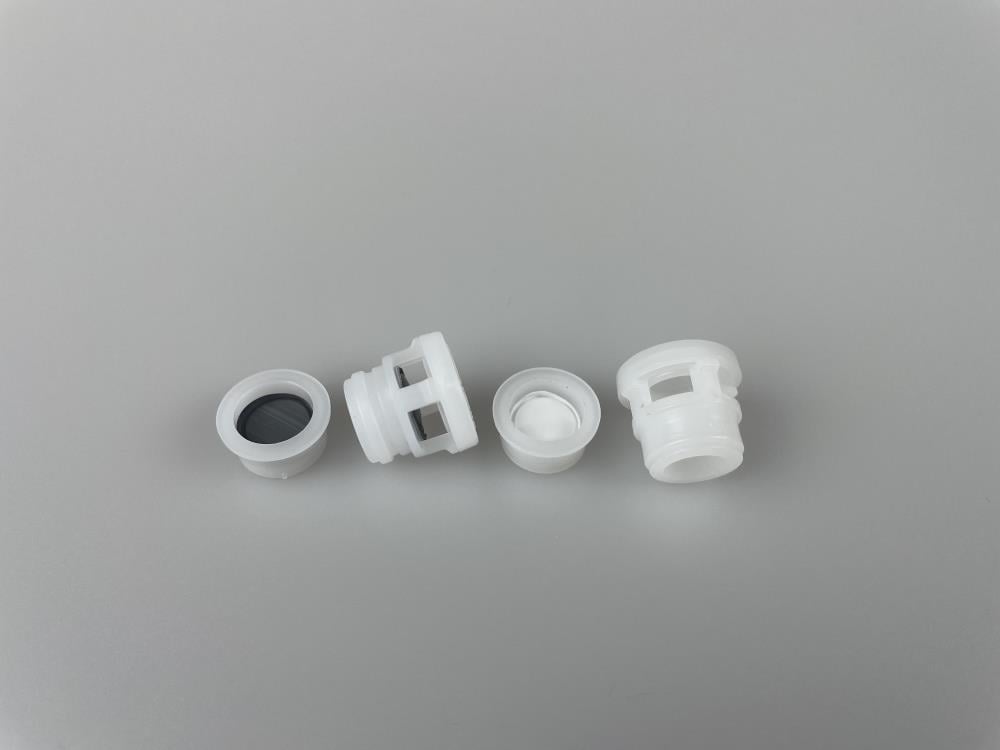
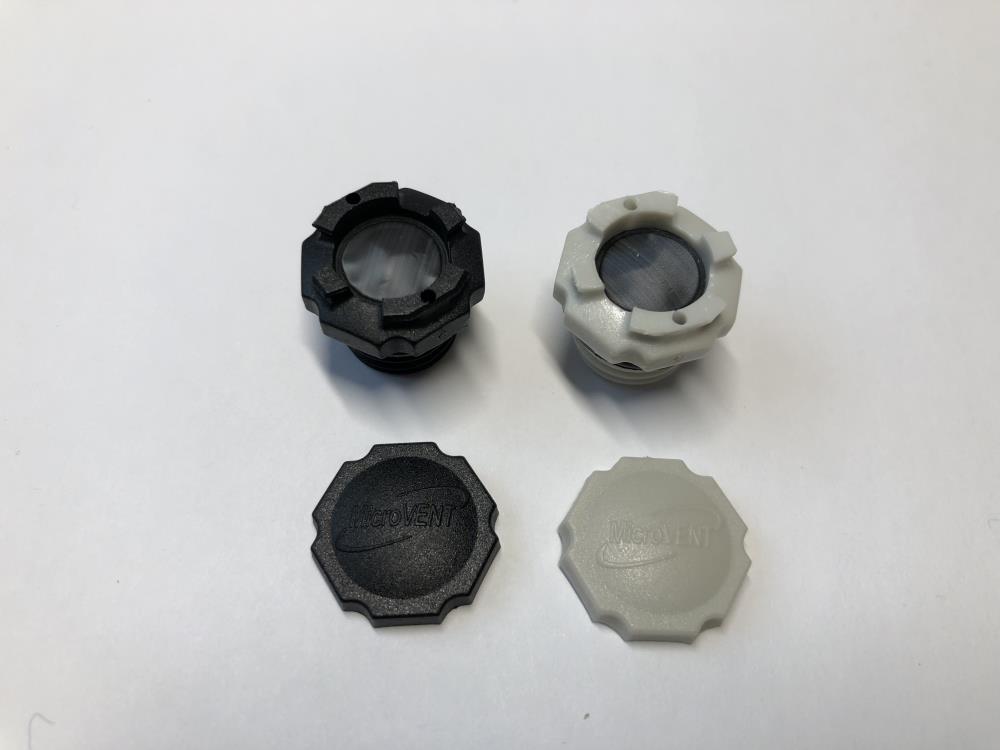
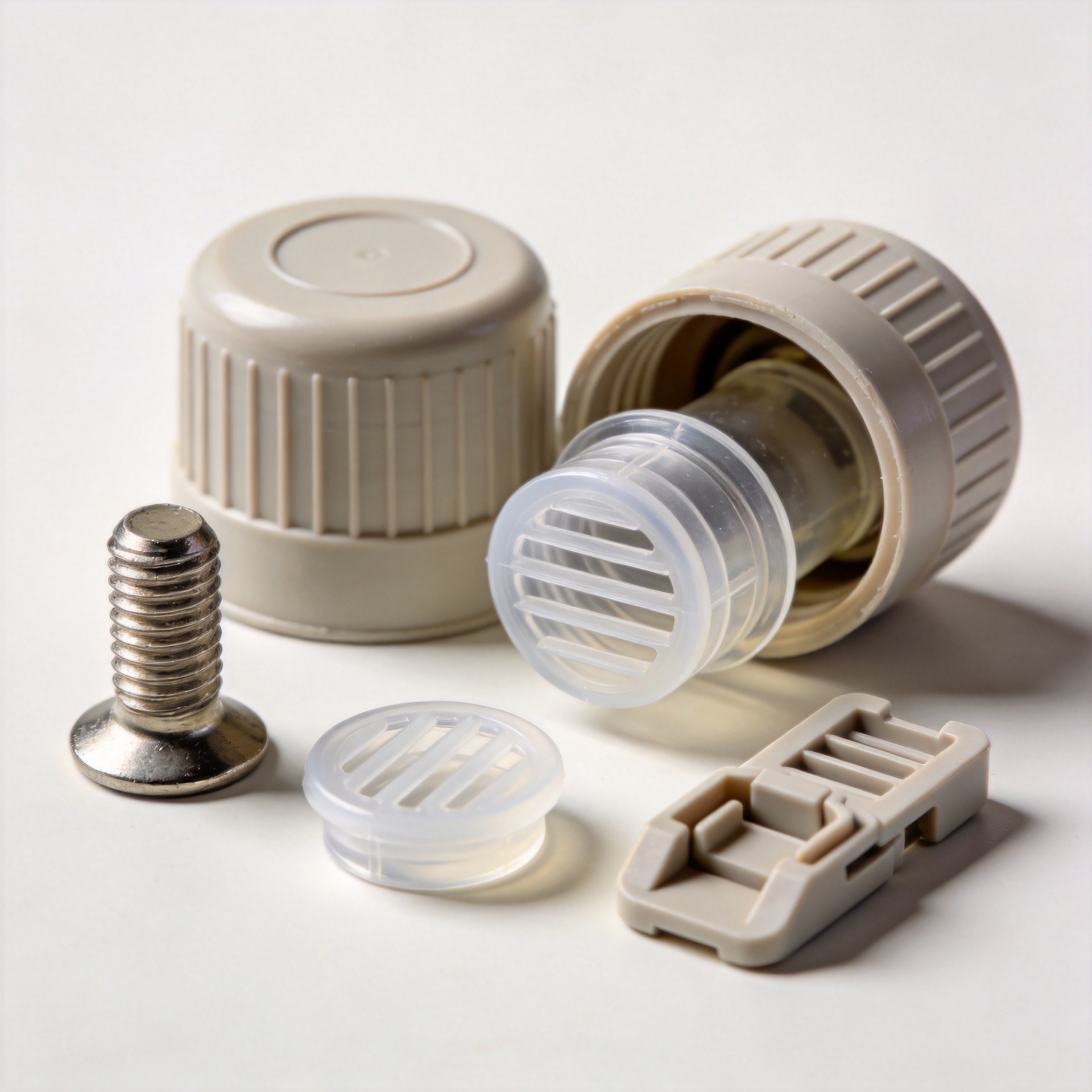
The screw-in bolt is the nearest bolt-style item for a d17 vent bolt discussion. Vent valves give a wider view of packaging vent parts. A vent plug is a plug-style option. The Snap-fit Vent is an option with a snap-in fit. These names help you compare install ideas. They do not make the products the same.
For each option, check the part drawing, opening form, hold method, and pack build. Keep a list of facts that are known and facts that still need proof. This helps avoid a match based only on a name or a photo.
The part and the pack must work as one assembly. For a d17 vent bolt, review the part location before you order a sample. Check the container material and cap material. Check the opening size and the space around it. Check how the part is held in place. Also check whether the fill or cap process can change the area near the vent.
A d17 vent bolt should be reviewed against the real pack build. The fill, heat, transport, and storage plan can add new questions. Keep the goal clear. You may want a way to manage pressure changes, a set install style, or a way to limit liquid contact. Each goal needs a product and pack review. It is not a claim that every d17 vent bolt has the same result.
First, define the d17 vent bolt interface. Second, compare the bolt, valve, plug, and snap-fit formats. Third, request the papers that show which format can be checked. Last, plan any review of the full pack. This order helps keep the fit question separate from a broad product claim.
In an inquiry, say why you need a d17 vent bolt. Add the pack drawing, pack material, cap build, fill details, and use plan. State if you want to compare screw-in bolt, vent valves, vent plug, or Snap-fit Vent. Tell the review team which facts matter most. If a fact is not in the document, leave it as a point to check.
A useful d17 vent bolt inquiry says what the pack is, what it holds, how it is made, and what may change in use. It also says what choice you need to make. This gives the team a sound base for a d17 vent bolt fit discussion. Include photos when they help show the pack shape. Include drawings when they show the opening and cap. Include your own test need when one exists. The best next step is to compare the documents with the actual enclosure, fill, and use case. That keeps the d17 vent bolt discussion tied to the facts of your pack.

As one of the leading enterprises in industry of ePTFE membranes, MicroVENT® has been engaged in design, production as well as research and development of ePTFE technology since 1995. ePTFE membrane has excellent chemical stability, heat resistance and other properties. MicroVENT® uses composite, laminated, surface modification techniques and confers the ePTFE membrane which has a porous structure for improved strength, heat sealing resistance, Hydrophobic and Oleophobic.
NO.8 QIANCAO ROAD,LIJIA,CHANGZHOU.JIANGSU.CHINA
Copyright © © 2026Pan Asian Microvent Tech (Jiangsu) Corporation.All rights reserved. | Privacy policy
 EN
 AR
 CS
 FR
 DE
 IT
 JA
 KO
 PT
 RU
 ES
 ID
 VI
 TH
 TR
 MS