Start With the Enclosure Need
An automotive screw bolt is part of a vented enclosure. It is not an isolated hardware item. Start with the housing. State what is inside it. State where the part will sit. State what changes the housing sees in use.
A lighting unit may need one review path. A sensor housing may need another. An electronic housing may need another. Motors and pumps can have their own conditions. The part shape alone does not answer these questions.
Describe the use site in plain terms. Note outdoor weather. Note washdown. Note road splash. Note oil. Note dust. Note heat and cold changes. Note moisture. These details shape the next review.
Also describe the enclosure state. It may be sealed. It may be partly vented. It may connect to another pressure path. The answer depends on this layout. It also depends on the stated use.
Review the Threaded Interface
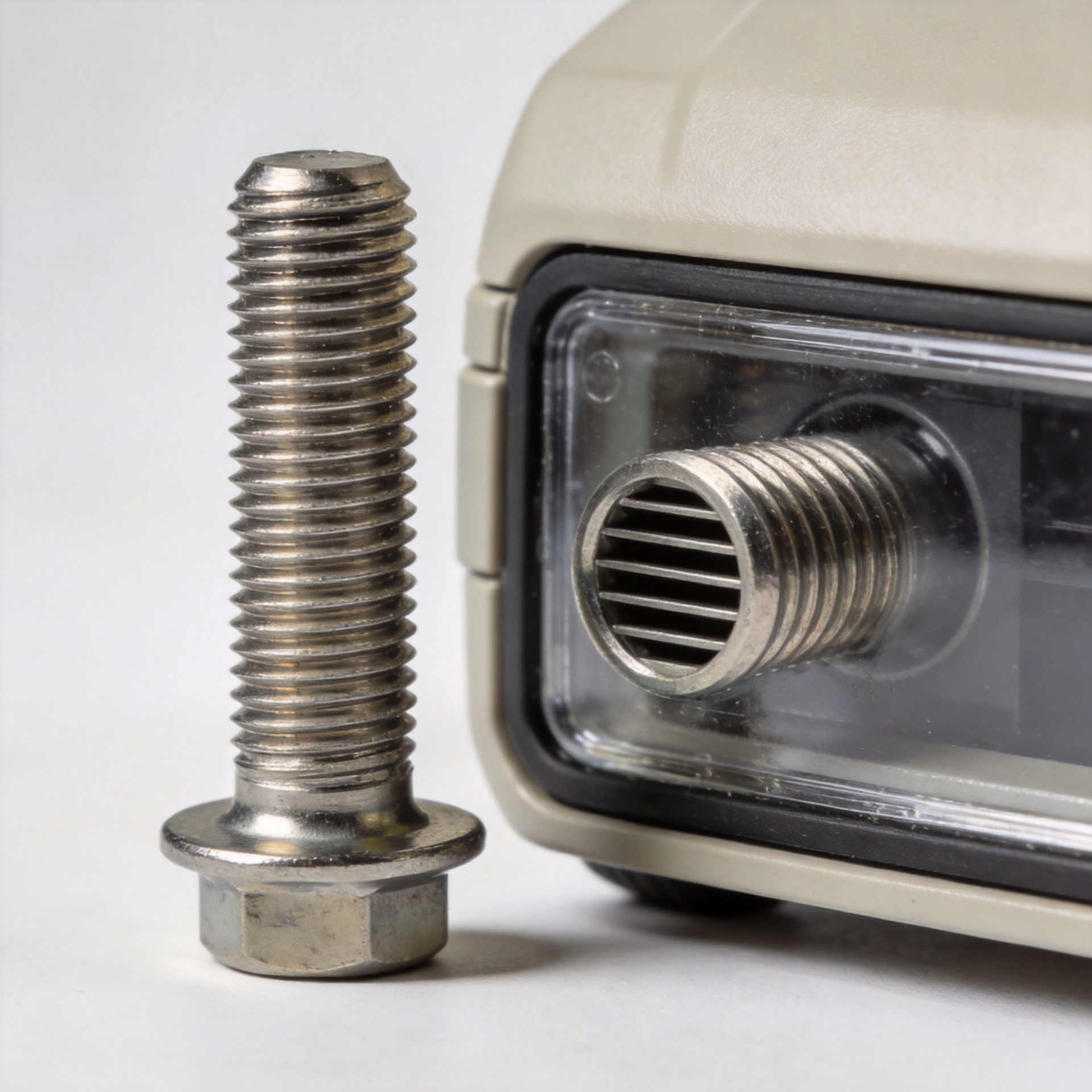
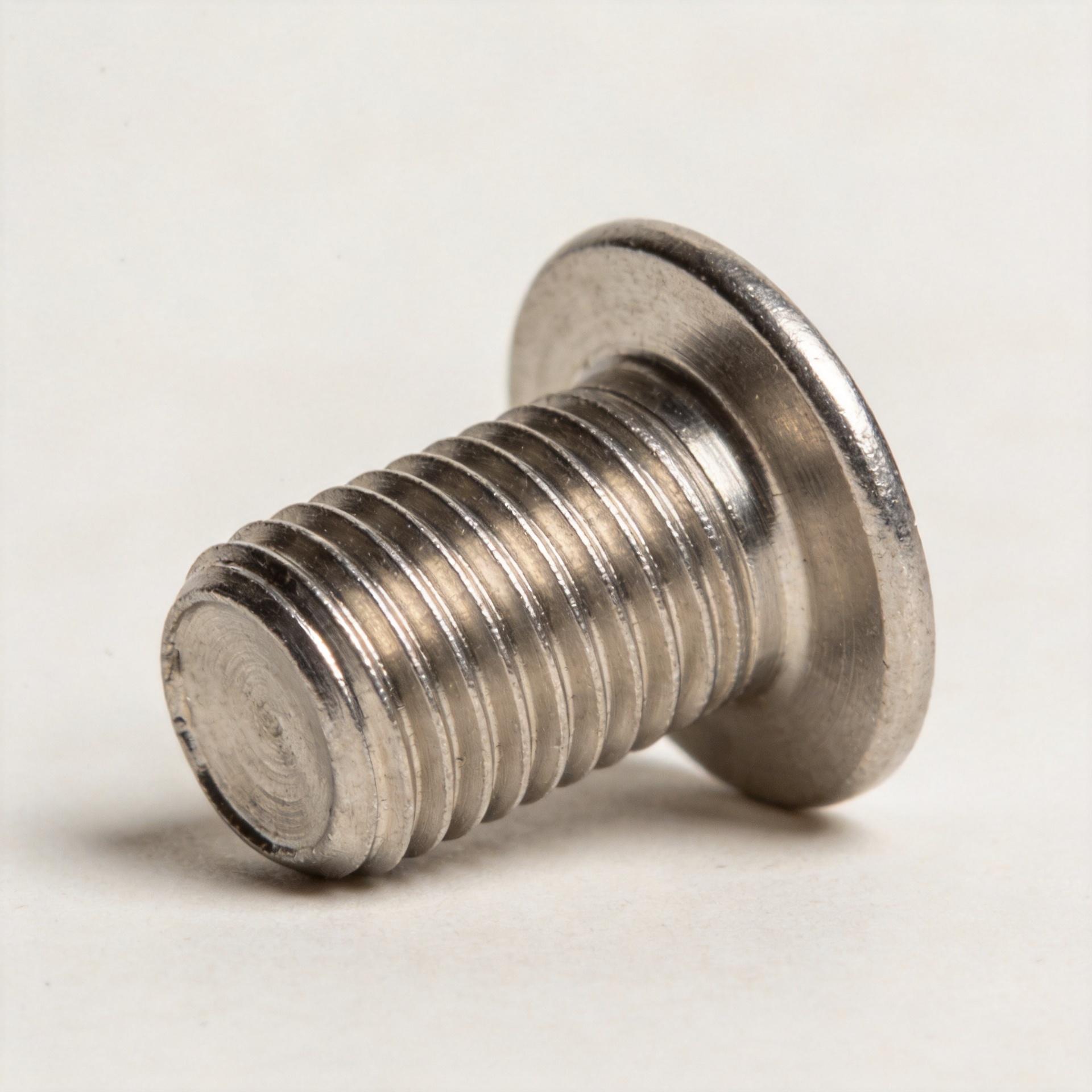
A screw-in vent bolt must match the real mounting interface. Review the drawing first. Do not let a general vent claim decide the choice. Check the thread form. Check the hole design. Check the wall thickness. Check the available clearance.
Look at the assembly path too. Nearby ribs may limit access. A cover may limit access. Wiring may limit access. Optical parts may limit access. The assembly order can also matter.
- Confirm the hole size and thread details before choosing an automotive screw bolt.
- Check the space around the opening before choosing an automotive screw bolt.
- Identify the assembly step before choosing an automotive screw bolt.
- Keep the part drawing with the use description during a review.
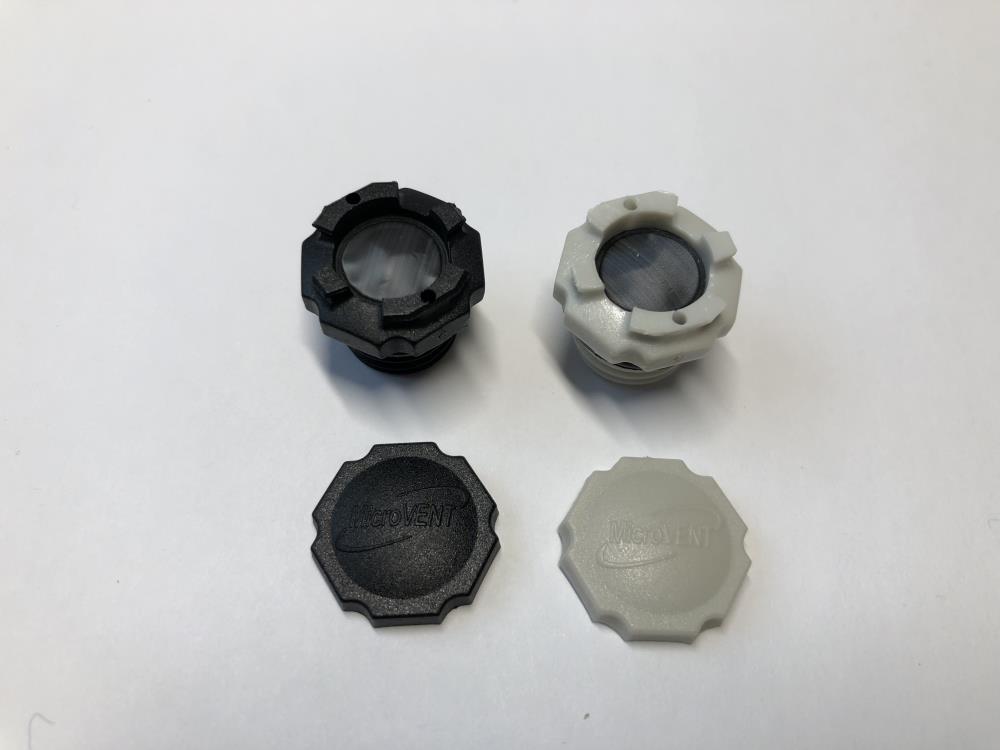
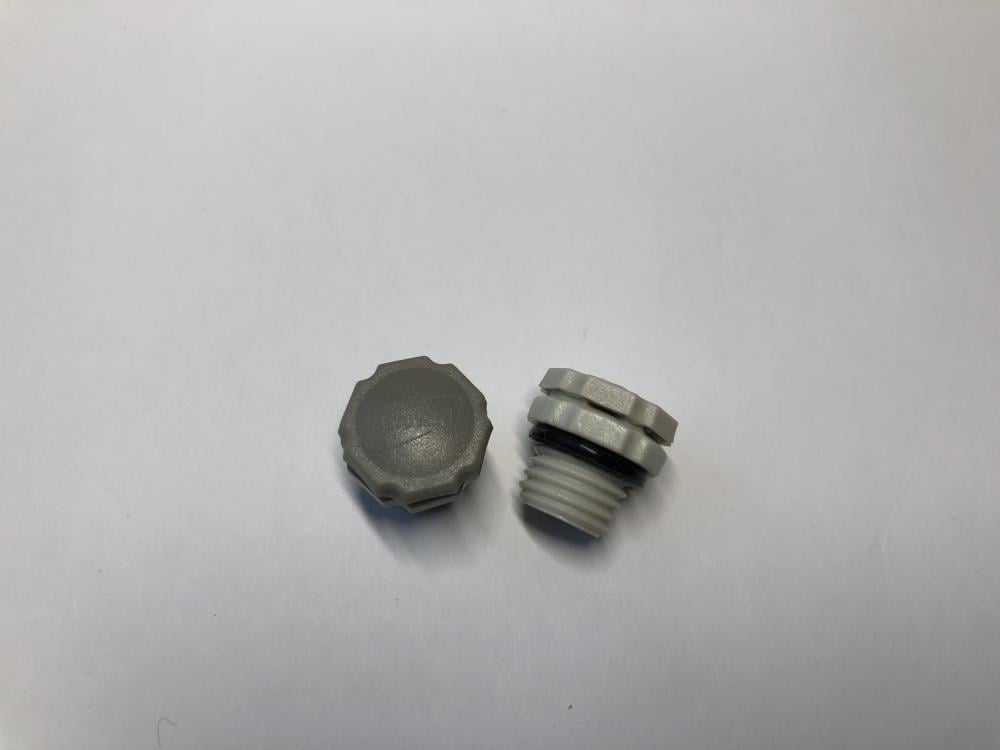
A vent plug may need review when the housing has a different opening style. It may also need review when the retention method differs. The current catalog includes that related format. Do not treat the two formats as the same part.
Define Pressure Equalization Needs
Pressure equalization is a selection topic. It is not a blanket result claim. Temperature changes can create a pressure gap across a housing. Altitude changes can do the same. The rate of change matters. The full enclosure design matters too.
Describe the expected pressure profile. State how fast conditions change. State what air movement is needed. State what exposure must also be considered. This helps frame a pressure equalization discussion. It also helps compare a screw-in vent bolt with other vent formats.
Do not assume a vented part resolves every condensation concern. Do not assume it resolves every ingress concern. Results depend on the enclosure. They depend on exposure. They depend on installation. They also depend on use validation.
The available records support a review of screw-in venting. They support a review of vent plug formats too. Product drawings can add detail. Relevant documents can add detail. Application conditions still need to be checked.
Compare the Current Records
The current selection has three records. They are Screw-in Vent Bolt. They are screw-in bolt. They are vent plug. They are related starting points. They are not stated as interchangeable parts.
The Screw-in Vent Bolt has the closest name match to automotive screw bolt. The screw-in bolt record is another threaded option. The vent plug record offers a related category. The opening design may make one category more useful than another.
Open each product card. Review its title. Review its image. Review its published content. Compare that information with the enclosure need. Make a list of missing details. Do not assume a missing feature.
For each automotive screw bolt option, keep facts separate from items to verify. The record may identify the category. The drawing may identify the interface. The use conditions may identify the remaining questions. This keeps the review clear.
Use a simple comparison list for each automotive screw bolt. Ask whether the automotive screw bolt fits the opening. Ask whether the automotive screw bolt fits the assembly path. Ask whether the automotive screw bolt supports the stated pressure equalization review. Ask whether the automotive screw bolt needs a different vent format. This list does not confirm performance. It helps define the next check.
Record the selected screw-in vent bolt category. Record why that screw-in vent bolt category was considered. Then compare the screw-in vent bolt record with the drawing. Repeat the pressure equalization review when the housing conditions change. A clear pressure equalization question helps keep the discussion focused.
Prepare a Technical Inquiry
A short inquiry can improve the first fit discussion. State the application type. State the enclosure type. State the mounting location. Add an opening drawing when it is available.
Describe likely exposure. Describe heat changes. Describe pressure changes. Describe any preferred screw-in vent bolt format. State why that format is preferred. Note any assembly limit.
Use the form to share these details. MicroVENT can compare the information with the current product category. The review can then identify documents to check. It can also identify conditions to verify. This is a better next step than relying on a product name alone.
 EN
 AR
 CS
 FR
 DE
 IT
 JA
 KO
 PT
 RU
 ES
 ID
 VI
 TH
 TR
 MS