Start with the acoustic air vent opening. Say what the opening serves. It may serve a microphone, a speaker, a sensor, or another part. Mark its size and position on the enclosure drawing. Note if the acoustic air vent faces out, sits behind a grille, or sits in a recess. These facts give the acoustic air vent review a clear start.
Next, look at the full path. The path includes the opening, the cavity, the nearby parts, and the outer housing. An acoustic air vent that fits one drawing may not fit another one. A change in cavity shape or vent position can change the design question. Keep the acoustic air vent request tied to the actual device, not to a broad claim.
Write down the conditions for the acoustic air vent. Start with the medium near the opening. It may be dust, moisture, handling residue, or another material. State if contact is rare or frequent. Then note temperature change and pressure change. These details do not prove a result. They help define what the team needs to check.
This simple list helps avoid a common gap. A team may focus on one broad feature before it checks the medium and pressure condition. The acoustic air vent should be reviewed against those conditions first. Then the team can decide what product facts and test plans it needs.
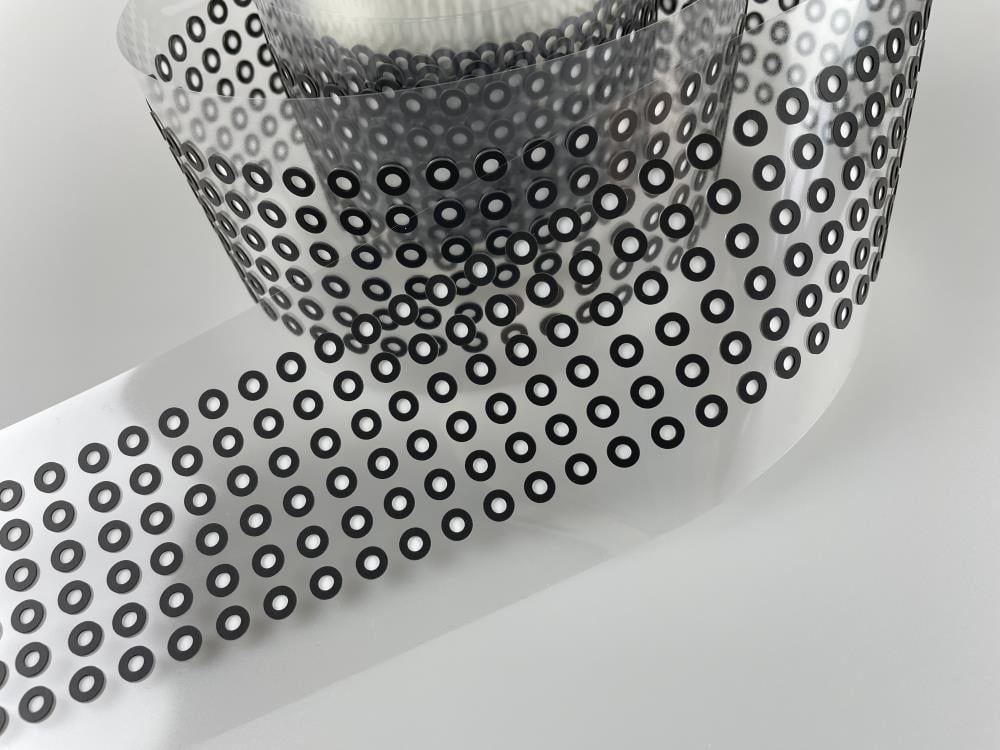
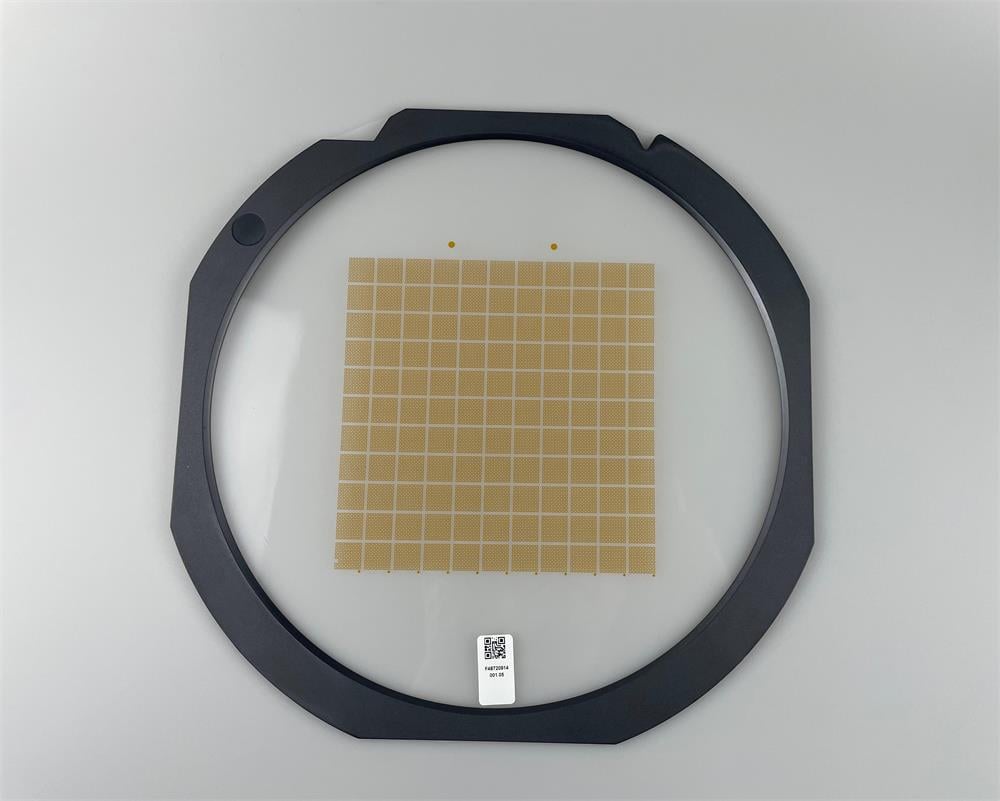
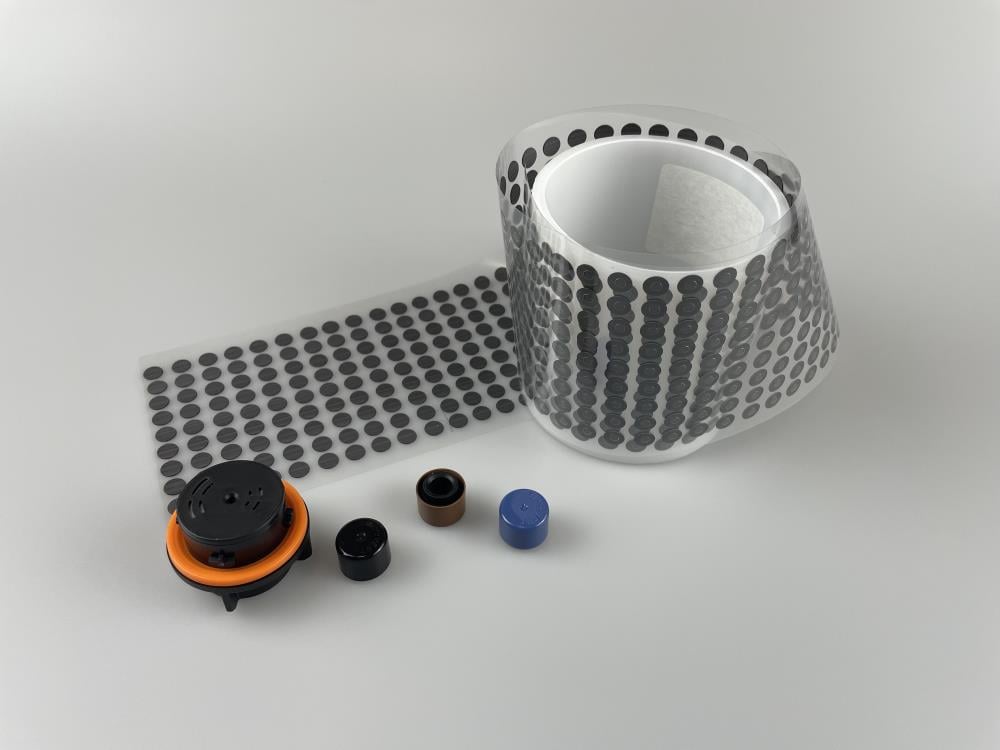
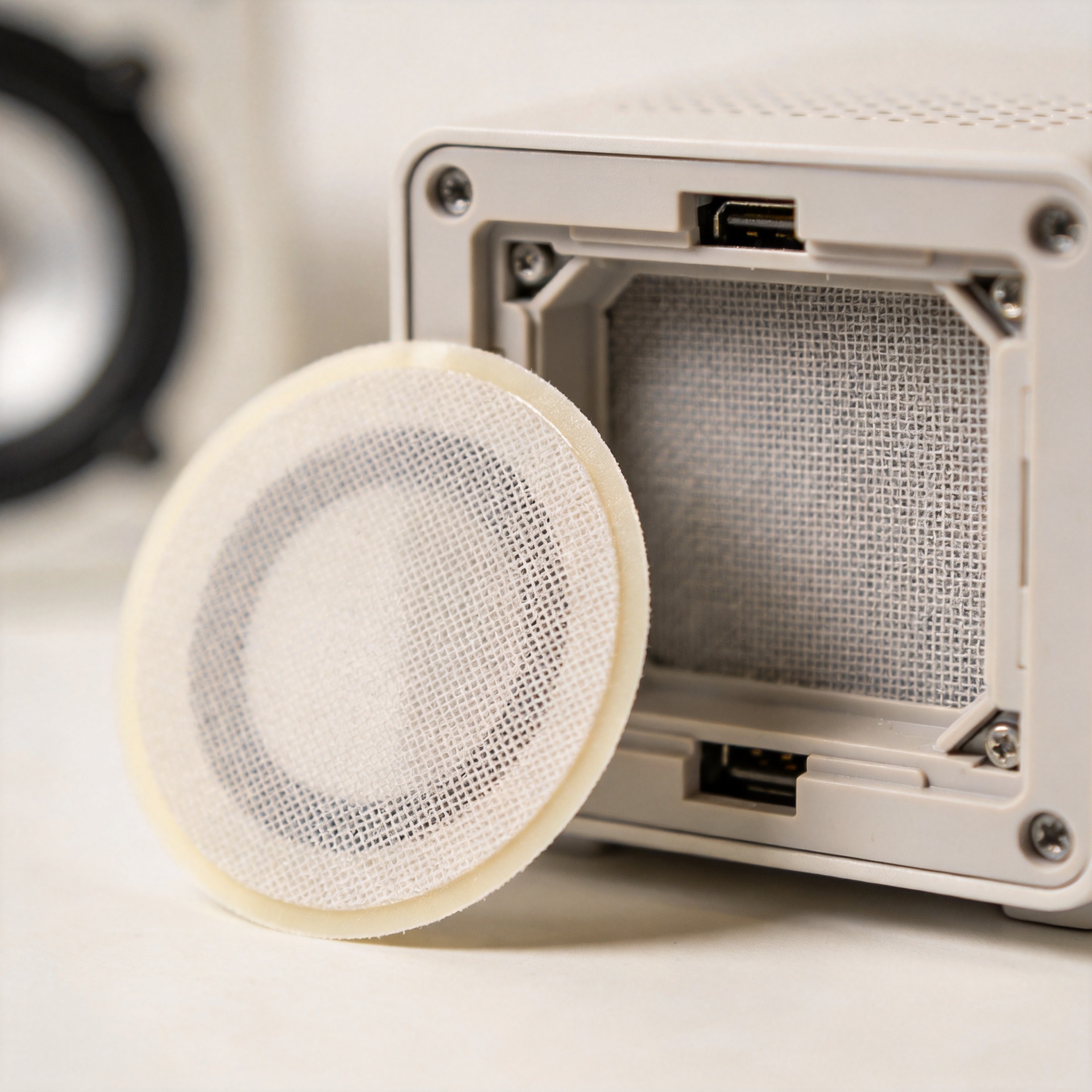
The Acoustic Vent Membrane is the direct product match for an acoustic air vent topic. The vent membrane and Adhesive Vent Membrane are related formats. They can help a team discuss the mounting area and enclosure. The MEMS protection membrane is another related format for designs with small electronic parts. These products are not stated to be the same. Each acoustic air vent option needs a review of its own fit.
For each acoustic air vent format, check the mounting method. Ask how the part will stay in place. Ask what surface touches the part. Ask how much space is around the opening. If the team looks at an adhesive route, record the substrate and contact area. If the team looks at a non-adhesive route, record the retention method. This makes an acoustic air vent comparison more useful than a list of names.
An acoustic air vent request can include several questions. The sound path is one question. The enclosure pressure is another. Environmental exposure is another. Keep these questions apart. A clear list shows where a trade-off may exist. It also helps a team ask for the right product information.
| Decision area | Question to define | Useful record |
|---|---|---|
| Acoustic path | What part does the acoustic air vent serve? | Enclosure drawing. |
| Exposure | What may reach the acoustic air vent? | Use-condition note. |
| Assembly | How will the acoustic air vent stay in place? | Process note. |
| Verification | What must the finished device check? | Validation plan. |
Do not treat a catalog page as proof for every device. The final result can depend on the enclosure, the medium, the pressure profile, and the assembly process. Keep confirmed product facts separate from items that need a device review. This gives the acoustic air vent project a more direct path from requirement to selection.
A useful acoustic air vent inquiry has a device type, an opening function, and a drawing or size outline. It also states the planned assembly method and the conditions near the device. Share whether the team is comparing the direct acoustic product with a general vent format or a MEMS-related format. These details support a fit-and-use discussion.
The available merchant information describes ePTFE membrane directions and composite, laminated, and surface-modification techniques. For an acoustic air vent project, ask for information that applies to the proposed format and condition. Then plan the checks needed for the finished assembly. This approach keeps the acoustic air vent decision based on the facts of the use case.

As one of the leading enterprises in industry of ePTFE membranes, MicroVENT® has been engaged in design, production as well as research and development of ePTFE technology since 1995. ePTFE membrane has excellent chemical stability, heat resistance and other properties. MicroVENT® uses composite, laminated, surface modification techniques and confers the ePTFE membrane which has a porous structure for improved strength, heat sealing resistance, Hydrophobic and Oleophobic.
NO.8 QIANCAO ROAD,LIJIA,CHANGZHOU.JIANGSU.CHINA
Copyright © © 2026Pan Asian Microvent Tech (Jiangsu) Corporation.All rights reserved. | Privacy policy
 EN
 AR
 CS
 FR
 DE
 IT
 JA
 KO
 PT
 RU
 ES
 ID
 VI
 TH
 TR
 MS