 EN
EN
 AR
AR
 CS
CS
 FR
FR
 DE
DE
 IT
IT
 JA
JA
 KO
KO
 PT
PT
 RU
RU
 ES
ES
 ID
ID
 VI
VI
 TH
TH
 TR
TR
 MS
MS

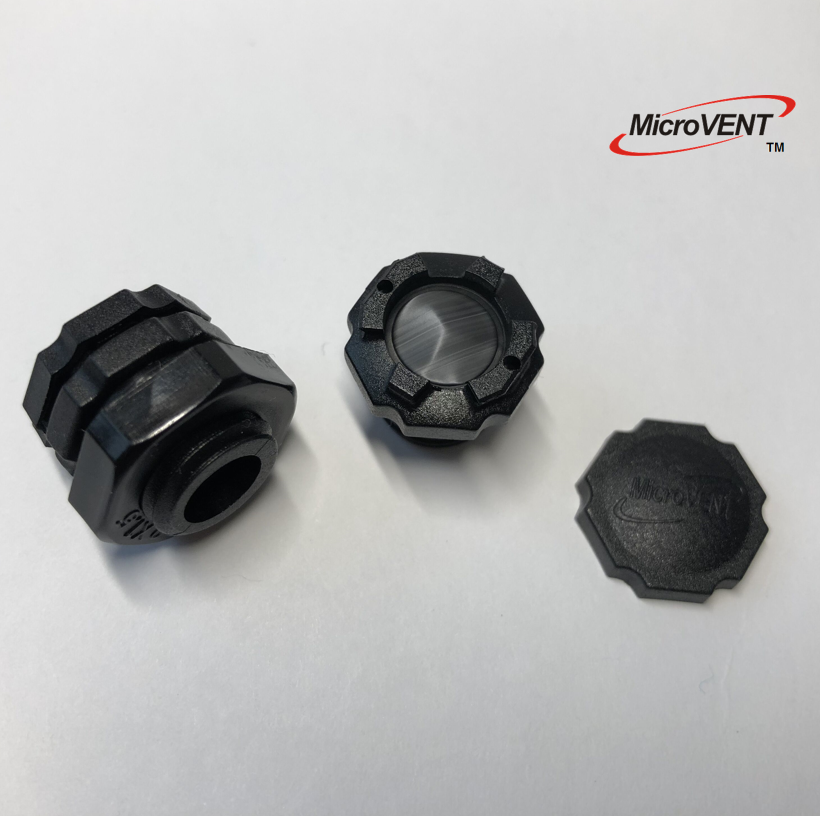
ไฟหน้ารถยนต์แบบ LED รุ่นทันสมัยให้ประสิทธิภาพการส่องสว่างที่โดดเด่นและมีประสิทธิภาพในการใช้พลังงานสูง แต่ก็สร้างความท้าทายด้านการจัดการความร้อนอย่างมีน้ำหนัก ซึ่งอาจส่งผลเสียต่อความชัดเจนของภาพแสงและความทนทานของชิ้นส่วนต่างๆ ได้ เนื่องจากเทคโนโลยี LED สร้างความร้อนน้อยกว่าหลอดฮาโลเจนแบบดั้งเดิม จึงทำให้พฤติกรรมอุณหภูมิภายในชุดไฟหน้าที่ปิดสนิทเปลี่ยนแปลงไปโดยสิ้นเชิง ส่งผลให้เกิดภาวะควบแน่นได้ง่ายขึ้นบนพื้นผิวด้านในของเลนส์ ความชื้นที่สะสมนี้จะลดประสิทธิภาพการส่องสว่าง ทำให้เกิดการบิดเบือนของภาพ และอาจเร่งกระบวนการกัดกร่อนชิ้นส่วนอิเล็กทรอนิกส์ที่ไวต่อความชื้นภายในตัวเรือนโคมไฟ ระบบ MicroVent® CMD สำหรับโคมไฟจึงถูกออกแบบมาเพื่อตอบสนองความต้องการสำคัญด้านการจัดการภาวะควบแน่นนี้ ผ่านเทคโนโลยีการระบายอากาศขั้นสูงที่พัฒนาขึ้นเป็นพิเศษเพื่อรองรับสภาวะแวดล้อมที่รุนแรงซึ่งระบบไฟส่องสว่างสำหรับยานยนต์ต้องเผชิญตลอดอายุการใช้งาน
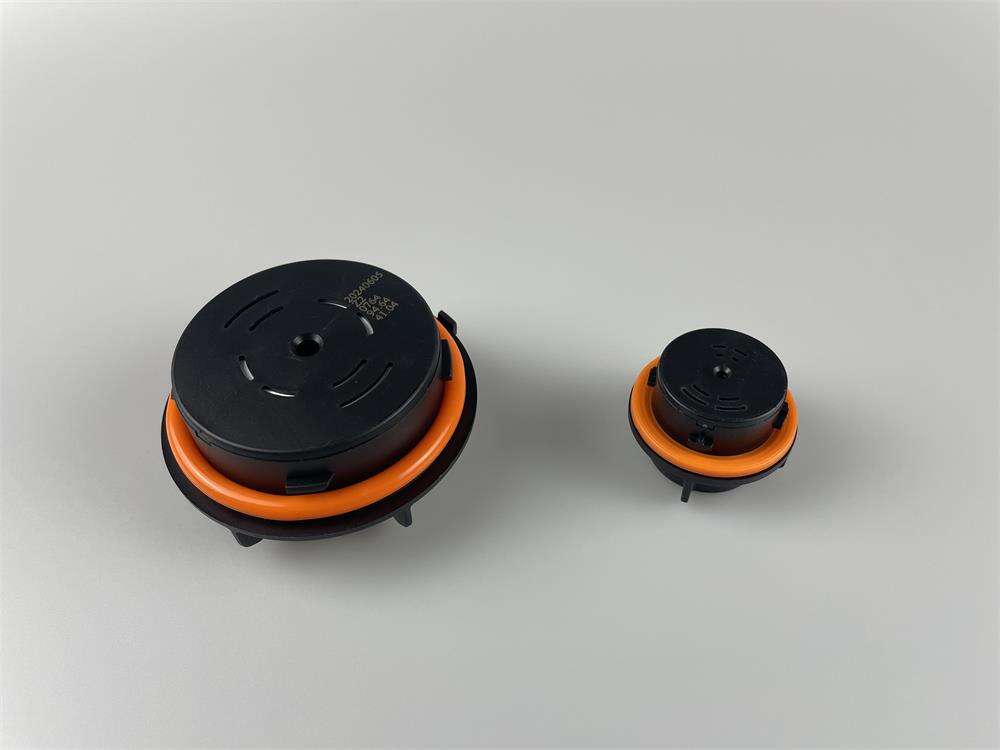
ข้อกำหนดด้านความน่าเชื่อถือสำหรับชุดไฟหน้า LED นั้นกว้างไกลเกินกว่าการป้องกันความชื้นเพียงอย่างเดียว โดยต้องการโซลูชันที่สามารถรักษาสมดุลของแรงดันอย่างแม่นยำ ขณะเดียวกันก็ป้องกันไม่ให้มีสิ่งสกปรกแทรกซึมเข้ามาได้ ตลอดช่วงอุณหภูมิที่เปลี่ยนแปลงตั้งแต่ลบสี่สิบถึงบวกแปดสิบห้าองศาเซลเซียส ผู้ผลิตรถยนต์กำลังเผชิญกับความเสี่ยงด้านการรับประกันที่เพิ่มขึ้นจากความล้มเหลวที่เกิดจากหยดน้ำควบแน่น จึงทำให้การเลือกเทคโนโลยีการระบายอากาศที่เหมาะสมกลายเป็นการตัดสินใจทางวิศวกรรมที่สำคัญยิ่ง ซึ่งส่งผลกระทบโดยตรงทั้งต่อคุณภาพของผลิตภัณฑ์และต่อความพึงพอใจของลูกค้าในระยะยาว MicroVent® CMD สำหรับโคมไฟมอบฟังก์ชันหลักนี้ผ่านสถาปัตยกรรมการระบายอากาศแบบใช้เมมเบรน ซึ่งช่วยให้เกิดการแลกเปลี่ยนอากาศอย่างต่อเนื่องโดยไม่กระทบต่อความสมบูรณ์ของการปิดผนึกที่จำเป็นสำหรับการใช้งานระบบไฟรถยนต์ จึงมั่นใจได้ว่าไฟหน้า LED จะรักษาประสิทธิภาพสูงสุดไว้ได้เสมอ ไม่ว่าจะอยู่ภายใต้สภาพอากาศภายนอกใด ๆ หรือรูปแบบการเปลี่ยนแปลงอุณหภูมิภายในที่เกิดขึ้นซ้ำ ๆ
ทำความเข้าใจความท้าทายจากปรากฏการณ์หยดน้ำควบแน่นในระบบไฟหน้า LED
กลไกเชิงพลศาสตร์ความร้อนและการเกิดความชื้น
ชุดไฟหน้า LED ทำงานภายใต้สภาวะอุณหภูมิที่ขัดแย้งกัน ซึ่งแหล่งกำเนิดแสงเองสร้างความร้อนน้อยกว่าเทคโนโลยีรุ่นก่อนอย่างมีนัยสำคัญ แต่ส่วนประกอบตัวควบคุมอิเล็กทรอนิกส์และวัสดุของโครงถังยังคงประสบกับการเปลี่ยนแปลงอุณหภูมิอย่างมากในระหว่างรอบการใช้งาน การลดความร้อนภายในลงนี้ทำให้เกิดสภาวะที่ความต่างของอุณหภูมิระหว่างภายในและภายนอกโคมไฟมีความชัดเจนยิ่งขึ้น โดยเฉพาะอย่างยิ่งในช่วงเวลาที่อุณหภูมิลดลงหลังจากรถยนต์หยุดการใช้งาน เมื่ออากาศอุ่นและชื้นที่ติดอยู่ภายในโครงถังไฟหน้ามาสัมผัสกับพื้นผิวเลนส์ที่เย็นกว่าในช่วงการเปลี่ยนแปลงอุณหภูมิดังกล่าว ไอน้ำจะควบแน่นโดยตรงลงบนองค์ประกอบทางแสง จนเกิดหยดน้ำหรือหมอกที่มองเห็นได้ ซึ่งบดบังการส่งผ่านแสงและก่อให้เกิดภาพรบกวนที่ไม่สามารถยอมรับได้
หลักฟิสิกส์ของกระบวนการควบแน่นนี้เกี่ยวข้องกับความสัมพันธ์ของอุณหภูมิจุดน้ำค้างระหว่างปริมาณความชื้นในอากาศภายในตัวเรือนโคมไฟที่ปิดสนิท กับอุณหภูมิผิวของชุดเลนส์ เมื่ออุณหภูมิแวดล้อมลดลง หรือเมื่อรถยนต์เคลื่อนย้ายจากโรงรถที่มีอุณหภูมิสูงไปยังสภาพแวดล้อมภายนอกที่มีอุณหภูมิต่ำ อุณหภูมิของอากาศภายในอาจยังคงสูงอยู่ชั่วคราว ในขณะที่เลนส์ด้านนอกเย็นตัวลงอย่างรวดเร็ว ซึ่งสร้างเงื่อนไขที่เหมาะสมสำหรับการตกตะกอนของความชื้น MicroVent® CMD สำหรับโคมไฟป้องกันการเกิดการควบแน่นนี้โดยการเปิดโอกาสให้อากาศแลกเปลี่ยนอย่างควบคุมได้ เพื่อรักษาสมดุลของแรงดันและช่วยระบายความชื้นออกก่อนที่มันจะควบแน่นบนพื้นผิวออปติคัลที่สำคัญ ทำให้รักษาความชัดเจนและคุณลักษณะด้านประสิทธิภาพไว้ได้ตามที่ระบบไฟหน้า LED ถูกออกแบบมาเพื่อส่งมอบ
ผลกระทบของการออกแบบตัวเรือนแบบปิดสนิทต่อการสะสมของความชื้น
ข้อบังคับด้านระบบไฟสำหรับยานยนต์ในปัจจุบันและความคาดหวังของผู้บริโภค ต่างเรียกร้องให้ชุดโคมไฟมีการปิดผนึกอย่างสมบูรณ์ เพื่อป้องกันไม่ให้น้ำซึมเข้ามา ป้องกันการปนเปื้อนจากฝุ่นละออง และรักษาความเที่ยงตรงของตำแหน่งทางแสงอย่างแม่นยำตลอดอายุการใช้งานของยานยนต์ ข้อกำหนดด้านการปิดผนึกเหล่านี้ส่งผลให้เกิดปริภูมิที่ถูกปิดผนึกแบบสนิทสนม (hermetically sealed) ซึ่งความชื้นใดๆ ที่ถูกกักเก็บไว้ภายในตั้งแต่ขั้นตอนการผลิต หรือแทรกซึมเข้ามาภายหลังผ่านความสามารถในการซึมผ่านของวัสดุ จะถูกกักเก็บไว้ภายในโครงสร้างของฝาครอบอย่างถาวร หากไม่มีช่องระบายอากาศที่เพียงพอ ความชื้นที่ถูกกักเก็บไว้นี้จะผ่านกระบวนการควบแน่นและระเหยซ้ำๆ ซึ่งส่งผลให้ส่วนประกอบภายในเสื่อมสภาพอย่างค่อยเป็นค่อยไป เกิดการกัดกร่อนที่ข้อต่อไฟฟ้า และทำให้พื้นผิวสะท้อนแสงเกิดรอยขุ่นถาวร ส่งผลให้ประสิทธิภาพการส่องสว่างลดลงตามระยะเวลา
วิธีการแบบดั้งเดิมในการปิดผนึกไฟหน้ามักอาศัยซีลกันน้ำและกาวที่ไม่สามารถซึมผ่านได้เลยทั้งหมด โดยมีสมมติฐานว่าการปิดผนึกอย่างสมบูรณ์แบบจะช่วยขจัดปัญหาที่เกี่ยวข้องกับความชื้นได้โดยสิ้นเชิง ด้วยการป้องกันไม่ให้น้ำแทรกซึมเข้ามาแต่อย่างใด อย่างไรก็ตาม กลยุทธ์นี้ไม่ได้คำนึงถึงความชื้นที่มีอยู่แล้วภายในวัสดุของโครงหัวไฟ ความชื้นสัมพัทธ์ที่มีอยู่ในปริมาตรอากาศซึ่งถูกปิดผนึกไว้ระหว่างกระบวนการประกอบ และความสามารถในการซึมผ่านอย่างอ่อนบางของวัสดุเลนส์แบบพอลิเมอร์ ซึ่งอาจยอมให้ไอน้ำผ่านเข้าไปได้ในระยะเวลานานๆ MicroVent® CMD สำหรับโคมไฟแก้ไขข้อจำกัดเชิงการออกแบบพื้นฐานนี้ โดยให้ทางผ่านที่ควบคุมได้สำหรับการแลกเปลี่ยนอากาศและความชื้น ซึ่งยังคงรักษาฟังก์ชันการปิดผนึกเพื่อป้องกันน้ำในรูปของของเหลวและสิ่งสกปรกต่างๆ ไว้ได้ ในขณะเดียวกันก็อนุญาตให้ความชื้นในรูปของไอน้ำระเหยออกไปได้ จึงป้องกันไม่ให้ความชื้นสะสมจนก่อให้เกิดปัญหาการควบแน่น
ข้อกำหนดเฉพาะด้านการจัดการความชื้นสำหรับเทคโนโลยี LED
การเปลี่ยนผ่านจากหลอดไส้และหลอดปล่อยแสงความเข้มสูงไปสู่เทคโนโลยีไฟ LED แบบของแข็งได้เปลี่ยนแปลงลักษณะการกระจายความร้อนของชุดไฟหน้ารถยนต์โดยสิ้นเชิง ส่งผลให้เกิดความท้าทายใหม่ด้านการจัดการความชื้น ซึ่งไม่เคยเกิดขึ้นกับชุดไฟรุ่นก่อนๆ หลอดฮาโลเจนแบบดั้งเดิมทำงานที่อุณหภูมิผิวสูงกว่าสองร้อยองศาเซลเซียส ทำให้ความชื้นภายในเรือนหลอดระเหยกลายเป็นไออย่างมีประสิทธิภาพ และรักษาความร้อนภายในให้เพียงพอเพื่อป้องกันการควบแน่นภายใต้สภาวะการใช้งานส่วนใหญ่ ขณะที่ระบบ LED กลับทำงานที่อุณหภูมิจังค์ชัน (junction temperature) ต่ำกว่ามาก และรวมศูนย์การสร้างความร้อนไว้ที่โมดูลขับเคลื่อนอิเล็กทรอนิกส์ขนาดกะทัดรัด แทนที่จะกระจายพลังงานความร้อนไปทั่วทั้งปริมาตรของชุดไฟ
การรวมศูนย์ความร้อนและการลดการเกิดความร้อนอย่างมีประสิทธิภาพนี้ส่งผลให้ส่วนใหญ่ของตัวเรือนไฟหน้า LED ยังคงมีอุณหภูมิใกล้เคียงกับอุณหภูมิแวดล้อมมากขึ้น จึงทำให้สูญเสียผลการระเหยความชื้นตามธรรมชาติที่เทคโนโลยีหลอดไส้เคยให้ไว้ อุณหภูมิในการทำงานที่ต่ำลงยังหมายความว่า วงจรการขยายตัวและหดตัวจากความร้อนจะสร้างความแตกต่างของแรงดัน ซึ่งอาจดึงอากาศภายนอกที่มีความชื้นเข้าสู่ตัวเรือนผ่านรอยปิดผนึกที่ไม่สมบูรณ์แบบในช่วงที่ระบบเย็นตัวลง ส่งผลให้มีความชื้นเพิ่มเติมเข้ามาและก่อให้เกิดการควบแน่น ระบบ MicroVent® CMD สำหรับโคมไฟได้รับการออกแบบมาโดยเฉพาะเพื่อแก้ไขปัญหาเหล่านี้ในยุค LED โดยให้การปรับสมดุลแรงดันอย่างต่อเนื่อง ซึ่งช่วยป้องกันปรากฏการณ์สุญญากาศในช่วงที่ระบบเย็นตัวลง ขณะเดียวกันก็รักษาอัตราการถ่ายเทไอน้ำออกจากตัวเรือนให้อยู่ในระดับที่เพียงพอต่อการกำจัดความชื้นก่อนที่มันจะควบแน่นบนพื้นผิวออปติคัล
สถาปัตยกรรมเทคโนโลยี MicroVent® CMD และหลักการทำงาน
การออกแบบระบบระบายอากาศแบบใช้เมมเบรน
ฟังก์ชันหลักของ MicroVent® CMD สำหรับโคมไฟนั้นอาศัยโครงสร้างเมมเบรนที่ทำจากพอลิเทตระฟลูออโรเอธิลีนแบบขยายตัวขั้นสูง ซึ่งออกแบบมาให้มีคุณสมบัติการซึมผ่านแบบเลือกสรรโดยเฉพาะสำหรับการใช้งานในระบบไฟรถยนต์ เมมเบรนชนิดนี้มีโครงสร้างแบบไมโครพอรัส โดยขนาดของรูพรุนถูกควบคุมอย่างแม่นยำเพื่อให้อนุภาคอากาศและไอน้ำสามารถผ่านเข้า-ออกได้อย่างเสรี แต่ป้องกันไม่ให้หยดน้ำ ฝุ่นละออง และสิ่งสกปรกอื่นๆ ซึ่งอาจทำลายความสะอาดภายในของตัวเรือนโคมไฟ แทรกซึมเข้าไปได้ คุณสมบัติไฮโดรโฟบิกโดยธรรมชาติของวัสดุนี้ทำให้แม้ในสภาวะที่ถูกฉีดน้ำโดยตรงหรือจุ่มลงในน้ำ น้ำในสถานะของเหลวก็ไม่สามารถซึมผ่านโครงสร้างเมมเบรนได้ จึงรักษาความสมบูรณ์ของการปิดผนึกตามที่ระบบไฟรถยนต์ต้องการไว้ได้อย่างมั่นคง
รูพรุนและความหนาของเยื่อหุ้มถูกปรับแต่งอย่างแม่นยำเพื่อให้ได้อัตราการไหลของอากาศและคุณลักษณะการถ่ายเทไอน้ำที่เฉพาะเจาะจง ซึ่งสอดคล้องกับข้อกำหนดด้านการระบายอากาศของชุดไฟหน้า LED ทั่วไป ระหว่างเหตุการณ์การขยายตัวจากความร้อน เมื่อตัวเรือนโคมไฟร้อนขึ้นขณะใช้งาน MicroVent® CMD สำหรับโคมไฟ จะช่วยให้แรงดันภายในปล่อยออกผ่านเยื่อหุ้มโดยไม่ก่อให้เกิดแรงเครื่องกลต่อซีลของตัวเรือนหรือรอยยึดด้วยกาว ในทางกลับกัน ระหว่างรอบการลดอุณหภูมิ อากาศภายนอกสามารถไหลเข้าผ่านเยื่อหุ้มเพื่อป้องกันการเกิดสุญญากาศ แต่ปริมาณความชื้นในอากาศที่ไหลเข้ามาจะถูกควบคุมโดยคุณลักษณะการถ่ายเทไอน้ำของเยื่อหุ้ม จึงป้องกันไม่ให้ความชื้นสะสมจนนำไปสู่ปัญหาการควบแน่น
ประสิทธิภาพในการสมดุลแรงดันภายใต้สภาวะการใช้งานต่าง ๆ
การจัดการการควบแน่นอย่างมีประสิทธิภาพในระบบไฟหน้า LED ต้องอาศัยการปรับสมดุลความดันอย่างต่อเนื่อง ซึ่งตอบสนองแบบไดนามิกต่อรูปแบบการเปลี่ยนแปลงอุณหภูมิที่เกิดขึ้นระหว่างการใช้งานรถตามปกติ MicroVent® CMD สำหรับโคมไฟบรรลุฟังก์ชันการปรับสมดุลนี้ผ่านการผสมผสานคุณสมบัติของเยื่อบางที่สามารถซึมผ่านได้และการติดตั้งที่เอื้อให้เกิดการไหลของอากาศสองทิศทาง ขณะเดียวกันก็ยังคงรักษาการป้องกันสิ่งปนเปื้อนไว้ได้อย่างมีประสิทธิภาพ เมื่อไฟหน้าถูกเปิดใช้งานและอุณหภูมิภายในเริ่มเพิ่มสูงขึ้น ปริมาตรของอากาศที่ขยายตัวจะสร้างความดันบวกภายในโครงหุ้มที่ปิดสนิท ซึ่งอาจทำให้ซีลเสียหายหรือสร้างช่องทางให้ความชื้นแทรกซึมเข้ามาในภายหลัง หากไม่มีการระบายอากาศอย่างเหมาะสม
เยื่อหุ้มระบายอากาศตอบสนองต่อความต่างของแรงดันนี้โดยอนุญาตให้อากาศไหลออกจากตัวเรือนในอัตราที่สัมพันธ์กับการเพิ่มขึ้นของอุณหภูมิ ซึ่งช่วยป้องกันไม่ให้เกิดการสะสมของแรงดัน ในขณะเดียวกันก็กรองอากาศที่ถูกปล่อยออกเพื่อป้องกันไม่ให้มีสารปนเปื้อนรั่วไหลออกมา ระหว่างการหยุดทำงานและการลดอุณหภูมิ ปริมาตรอากาศภายในที่หดตัวจะสร้างแรงดันลบ ซึ่ง MicroVent® CMD สำหรับหลอดไฟจะบรรเทาแรงดันลบดังกล่าวโดยการนำอากาศจากภายนอกเข้ามาผ่านเส้นทางเดียวกันของเยื่อหุ้มระบายอากาศ แต่มีข้อได้เปรียบสำคัญคือ ความชื้นของอากาศที่ไหลเข้ามาจะถูกควบคุมผ่านคุณสมบัติการแพร่ผ่านไอน้ำของวัสดุเยื่อหุ้ม สมดุลแบบต่อเนื่องนี้ช่วยกำจัดการแทรกซึมของความชื้นที่เกิดจากแรงดัน ซึ่งเป็นสาเหตุหนึ่งของปัญหาการควบแน่นในชุดหลอดไฟที่ระบายอากาศไม่เพียงพอ และรักษาสภาวะภายในให้คงที่ไม่ว่าจะมีการเปลี่ยนแปลงอุณหภูมิภายนอกหรือการเปลี่ยนแปลงสภาพแวดล้อมอย่างรวดเร็ว
การป้องกันเป็นเกราะกั้นสารปนเปื้อนและศักยภาพในการกรอง
นอกเหนือจากการปรับสมดุลความดันและการจัดการความชื้นแล้ว MicroVent® CMD สำหรับโคมไฟยังให้การป้องกันการปนเปื้อนที่จำเป็น ซึ่งช่วยรักษาคุณภาพเชิงแสงและความน่าเชื่อถือของระบบไฟหน้า LED ตลอดอายุการใช้งานจริง โดยโครงสร้างเยื่อหุ้มแบบไมโครพอรัสทำหน้าที่เป็นตัวกรองอนุภาคอย่างมีประสิทธิภาพ ซึ่งป้องกันไม่ให้ฝุ่น สิ่งสกปรก ละอองเกลือ และสารปนเปื้อนจากสิ่งแวดล้อมอื่นๆ เข้าสู่ตัวเรือนโคมไฟในระหว่างการระบายอากาศตามปกติ หน้าที่การกรองนี้มีความสำคัญอย่างยิ่งโดยเฉพาะสำหรับยานพาหนะที่ใช้งานในสภาพแวดล้อมที่รุนแรง เช่น ถนนที่ไม่ได้ลาดยาง สถานที่อุตสาหกรรม หรือพื้นที่ชายฝั่ง ซึ่งสารปนเปื้อนที่ลอยอยู่ในอากาศอาจทำให้ชิ้นส่วนภายในโคมไฟที่ไม่มีการป้องกันเสื่อมสภาพอย่างรวดเร็ว
เคมีผิวที่มีคุณสมบัติฝักน้ำของวัสดุเมมเบรนให้การป้องกันเพิ่มเติมจากการแทรกซึมของน้ำในรูปของเหลวระหว่างการล้างรถ ขณะขับขี่ใต้ฝน หรือเหตุการณ์จมน้ำชั่วคราวซึ่งยานพาหนะอาจประสบในระหว่างการใช้งานปกติ ต่างจากช่องระบายอากาศแบบกลไกทั่วไปหรือรูระบายอากาศที่อาจยอมให้น้ำไหลเข้าได้ภายใต้แรงดันหรือการดูดซึมแบบคาปิลลารี MicroVent® CMD สำหรับโคมไฟจึงยังคงรักษาความสามารถในการปิดผนึกไว้ได้แม้จะสัมผัสโดยตรงกับละอองน้ำหรืออยู่ในสภาวะจมน้ำ กำแพงกั้นการปนเปื้อนแบบครบวงจรนี้ทำให้สภาพแวดล้อมภายในเรือนโคมไฟยังคงสะอาดเท่ากับวันที่ผลิต ป้องกันไม่ให้มีการสะสมของสิ่งสกปรกอย่างค่อยเป็นค่อยไป ซึ่งอาจก่อให้เกิดจุดเริ่มต้นของการควบแน่น กระจายแสง หรือกัดกร่อนชิ้นส่วนอิเล็กทรอนิกส์ภายในชุดไฟหน้า LED
การผสานการติดตั้งและการพิจารณาด้านการออกแบบสำหรับการใช้งานในยานยนต์
การปรับแต่งตำแหน่งการติดตั้งเพื่อประสิทธิภาพสูงสุด
ประสิทธิภาพของ MicroVent® CMD สำหรับโคมไฟขึ้นอยู่กับการติดตั้งที่เหมาะสมภายในรูปทรงของโครงสร้างฝาครอบโคมไฟอย่างมาก เพื่อให้มั่นใจว่าจะเกิดรูปแบบการไหลเวียนของอากาศที่เหมาะสมและมีประสิทธิภาพสูงสุดในการระบายความชื้น ตำแหน่งการติดตั้งที่เหมาะสมมักจะวางวาล์วระบายอากาศไว้ที่จุดสูงสุดของชุดโคมไฟ ซึ่งเป็นบริเวณที่อากาศอุ่นที่มีความชื้นสูงสะสมตัวตามธรรมชาติเนื่องจากกระแสการไหลแบบคอนเวคทีฟ (convective flow) ระหว่างการใช้งาน การติดตั้งเชิงกลยุทธ์นี้ช่วยให้อากาศที่มีความชื้นถูกขับออกได้อย่างมีประสิทธิภาพสูงสุดก่อนที่อากาศดังกล่าวจะเย็นตัวลงและควบแน่นเป็นหยดน้ำบนพื้นผิวออปติคัล จึงทำให้ระบบระบายอากาศสามารถป้องกันการควบแน่นได้อย่างสูงสุด
วิศวกรด้านการออกแบบยังต้องพิจารณาเงื่อนไขการสัมผัสกับสภาพแวดล้อมภายนอกบริเวณตำแหน่งที่อาจติดตั้งอุปกรณ์ หลีกเลี่ยงตำแหน่งที่ช่องระบายอากาศอาจได้รับแรงฉีดน้ำความดันสูงโดยตรงขณะล้างรถ หรือตำแหน่งที่เศษสิ่งสกปรกบนถนนอาจกระแทกทำให้พื้นผิวของเมมเบรนเสียหาย MicroVent® CMD สำหรับโคมไฟถูกออกแบบให้มีโครงสร้างฝาครอบป้องกันซึ่งช่วยปกป้องเมมเบรนจากการสัมผัสทางกลโดยตรง ขณะเดียวกันก็ยังคงรักษาช่องทางการไหลของอากาศที่จำเป็นต่อการทำงานระบายอากาศอย่างมีประสิทธิภาพ การเลือกตำแหน่งการติดตั้งที่เหมาะสมจะต้องคำนึงถึงความต้องการที่ขัดแย้งกันทั้งสามประการ ได้แก่ การเพิ่มประสิทธิภาพการไหลของอากาศภายใน การป้องกันจากสิ่งแวดล้อมภายนอก และความสะดวกในการประกอบในกระบวนการผลิต เพื่อให้บรรลุประสิทธิภาพในการจัดการการควบแน่นอย่างเชื่อถือได้ในระยะยาว
การบูรณาการเข้ากับสถาปัตยกรรมการปิดผนึกของฝาครอบ
การผสาน MicroVent® CMD สำหรับโคมไฟเข้ากับกลยุทธ์การปิดผนึกโดยรวมของชุดไฟหน้า LED จำเป็นต้องมีการประสานงานอย่างรอบคอบกับการออกแบบซีลยาง (gasket) ข้อกำหนดด้านการยึดติดด้วยกาว และการเลือกวัสดุที่ใช้ทำฝาครอบ เพื่อให้แน่ใจว่าฟังก์ชันการระบายอากาศจะเสริม แทนที่จะลดประสิทธิภาพในการป้องกันความชื้น กระบวนการติดตั้งวาล์วระบายอากาศมักเกี่ยวข้องกับการสร้างฐานยึด (mounting boss) หรือโพรงเฉพาะในฝาครอบโคมไฟ ซึ่งทำหน้าที่ทั้งรองรับโครงสร้างของชิ้นส่วนวาล์วระบายอากาศและจัดเตรียมทางเดินอากาศที่เหมาะสมเพื่อเชื่อมต่อกับปริมาตรภายในฝาครอบ องค์ประกอบการยึดเหล่านี้ต้องรักษาความสมบูรณ์เชิงกลภายใต้สภาวะการสั่นสะเทือน การเปลี่ยนแปลงอุณหภูมิแบบไซคลิก และแรงเครียดระหว่างการประกอบ พร้อมทั้งให้การปิดผนึกที่เพียงพอรอบขอบเขตของวาล์วระบายอากาศ เพื่อป้องกันไม่ให้อากาศไหลผ่านบริเวณดังกล่าวโดยไม่ผ่านวาล์ว ซึ่งจะส่งผลให้ประสิทธิภาพการระบายอากาศลดลง
การมี MicroVent® CMD สำหรับหลอดไฟอยู่ภายในโครงสร้างการปิดผนึกของตัวเรือน ช่วยยกระดับประสิทธิภาพโดยรวมในการป้องกันความชื้นได้จริง โดยการขจัดความต่างของแรงดันซึ่งเป็นสาเหตุให้ความชื้นแทรกซึมเข้ามาผ่านรอยปิดผนึกที่ไม่สมบูรณ์แบบในแบบการออกแบบที่ปิดผนึกสนิททั้งหมดแบบดั้งเดิม ด้วยการจัดเตรียมทางเดินสำหรับการแลกเปลี่ยนอากาศที่ควบคุมได้และผ่านการกรองอย่างเหมาะสม ระบบระบายอากาศนี้จึงลดแรงเครื่องกลที่กระทำต่อซีลหลักซึ่งเกิดขึ้นระหว่างการเปลี่ยนแปลงอุณหภูมิ (thermal cycling) ส่งผลให้อายุการใช้งานของปะเก็นและรอยยึดติดด้วยกาวยาวนานขึ้น พร้อมทั้งป้องกันการเสื่อมสภาพของซีลแบบค่อยเป็นค่อยไป ซึ่งมักนำไปสู่การรั่วซึมของน้ำในชุดโคมไฟหน้าที่ใช้งานมานานแล้ว ความสัมพันธ์แบบเสริมพลังกันนี้ระหว่างการระบายอากาศแบบแอคทีฟและการปิดผนึกแบบพาสซีฟ ทำให้เกิดระบบป้องกันความชื้นที่แข็งแกร่งยิ่งกว่าเมื่อเปรียบเทียบกับการใช้แต่ละวิธีแยกกัน
ความเข้ากันได้กับกระบวนการผลิตและการควบคุมคุณภาพ
การนำ MicroVent® CMD สำหรับโคมไฟไปใช้งานอย่างประสบความสำเร็จในการผลิตรถยนต์ในปริมาณสูง จำเป็นต้องมีโซลูชันระบบระบายอากาศที่สามารถผสานรวมเข้ากับกระบวนการผลิตที่มีอยู่และขั้นตอนการประกันคุณภาพได้อย่างราบรื่น องค์ประกอบของระบบระบายอากาศต้องสามารถทนต่อสภาวะอุณหภูมิที่เกิดขึ้นระหว่างการติดตั้งเลนส์ การอบแข็งกาว และขั้นตอนการเป่าแห้งด้วยลมร้อนที่ใช้ในกระบวนการประกอบโคมไฟ โดยไม่ทำให้โครงสร้างของเยื่อระบายอากาศเสื่อมสภาพ หรือก่อให้เกิดการปนเปื้อนภายในตัวเรือน ความเข้ากันได้ของวัสดุกับตัวทำละลายสำหรับการทำความสะอาด กาว และพอลิเมอร์ที่ใช้ทำตัวเรือน จะช่วยให้มั่นใจได้ว่าการติดตั้งระบบระบายอากาศจะไม่นำสารปนเปื้อนเข้ามา และจะไม่ก่อให้เกิดปฏิกิริยาเคมีใดๆ ที่อาจส่งผลต่อประสิทธิภาพการใช้งานในระยะยาว
การตรวจสอบคุณภาพสำหรับชุดไฟหน้าที่ติดตั้ง MicroVent® CMD สำหรับโคมไฟมักประกอบด้วยการทดสอบการลดความดันเพื่อยืนยันความสมบูรณ์ของการปิดผนึกอย่างเหมาะสม การทดสอบการไหลเชิงหน้าที่เพื่อยืนยันความสามารถในการระบายอากาศที่เพียงพอ และการทดสอบการสัมผัสกับสภาพแวดล้อมแบบเร่งเวลาเพื่อยืนยันความต้านทานต่อการควบแน่นภายใต้สภาวะการใช้งานจริงที่จำลองขึ้น โปรโตคอลการรับรองเหล่านี้ทำให้มั่นใจได้ว่าระบบระบายอากาศจะทำงานตามวัตถุประสงค์ตลอดวงจรการพัฒนาผลิตภัณฑ์ และความแปรผันของกระบวนการผลิตจะไม่กระทบต่อประสิทธิภาพการจัดการการควบแน่น ซึ่งเป็นฟังก์ชันหลักที่ MicroVent® CMD สำหรับโคมไฟได้รับการออกแบบมาเพื่อให้บริการ การกำหนดเกณฑ์การยอมรับและขั้นตอนการตรวจสอบอย่างชัดเจน ช่วยให้ผู้ผลิตรถยนต์สามารถรักษามาตรฐานคุณภาพของผลิตภัณฑ์ให้คงที่ พร้อมทั้งใช้ประโยชน์จากข้อได้เปรียบด้านประสิทธิภาพที่เทคโนโลยีการระบายอากาศที่มีประสิทธิภาพมอบให้
การรับรองประสิทธิภาพและความน่าเชื่อถือในระยะยาว
มาตรฐานการทดสอบด้านสิ่งแวดล้อมและข้อกำหนดด้านการปฏิบัติตาม
ระบบไฟฟ้าสำหรับยานยนต์ที่ใช้ MicroVent® CMD สำหรับโคมไฟต้องแสดงให้เห็นถึงความสอดคล้องตามมาตรฐานอุตสาหกรรมที่เข้มงวด ซึ่งรับรองความสามารถในการต้านการเกิดหยดน้ำควบแน่น การป้องกันไม่ให้น้ำซึมผ่านเข้าไปภายใน และความทนทานภายใต้สภาวะแวดล้อมที่รุนแรงเป็นพิเศษ ขั้นตอนการทดสอบมาตรฐาน เช่น ที่กำหนดไว้ในเอกสารของ SAE, ISO และข้อกำหนดเฉพาะของผู้ผลิตรถยนต์แต่ละราย (OEM) จะทำการทดสอบชุดโคมไฟด้วยวิธีการเปลี่ยนแปลงอุณหภูมิอย่างรวดเร็วระหว่างจุดสุดขั้วของอุณหภูมิ ทดสอบภายใต้ความชื้นสูง ทดสอบความต้านทานต่อการกัดกร่อนจากละอองเกลือ และจำลองอายุการใช้งานจริงของโคมไฟเป็นเวลาหลายปีในรูปแบบของการทดสอบในห้องปฏิบัติการแบบเร่งความเร็ว โปรแกรมการตรวจสอบและยืนยันคุณภาพอย่างครอบคลุมเหล่านี้ยืนยันว่าเทคโนโลยีการระบายอากาศยังคงรักษาประสิทธิภาพในการจัดการหยดน้ำควบแน่นได้อย่างต่อเนื่องตลอดอายุการใช้งานที่คาดการณ์ไว้ของยานพาหนะ
ไมโครเวนต์® CMD สำหรับโคมไฟแสดงจุดแข็งที่โดดเด่นเป็นพิเศษในการทดสอบความทนทานต่อการเปลี่ยนแปลงอุณหภูมิอย่างรวดเร็ว (thermal shock testing) ซึ่งชุดโคมไฟจะถูกสัมผัสกับการเปลี่ยนแปลงอุณหภูมิอย่างฉับพลัน จนเกิดสภาวะที่รุนแรงที่สุดต่อการเกิดหยดน้ำควบแน่น โดยระบบระบายอากาศนี้รักษาสมดุลความดันอย่างต่อเนื่องและขจัดความชื้นออกได้อย่างมีประสิทธิภาพตลอดวงจรการเปลี่ยนแปลงอุณหภูมิสุดขั้วเหล่านี้ จึงป้องกันไม่ให้ความชื้นสะสมภายในโคมไฟ ซึ่งหากปล่อยไว้จะนำไปสู่การเกิดหยดน้ำควบแน่นที่มองเห็นได้บนพื้นผิวเลนส์ ข้อได้เปรียบด้านประสิทธิภาพนี้ส่งผลโดยตรงต่อการลดจำนวนคำร้องขอการรับประกันคุณภาพ ความพึงพอใจของลูกค้าที่เพิ่มขึ้น และชื่อเสียงของแบรนด์ที่ดีขึ้นสำหรับผู้ผลิตรถยนต์ที่นำเทคโนโลยีการจัดการความชื้นและการควบคุมการเกิดหยดน้ำควบแน่นไปใช้ในแบบการออกแบบไฟหน้า LED อย่างมีประสิทธิภาพ
ข้อมูลประสิทธิภาพจากการใช้งานจริงและการวิเคราะห์ผลกระทบต่อการรับประกันคุณภาพ
ประสบการณ์จริงจากการใช้งานในภาคสนามของชุดไฟหน้า LED ที่ติดตั้งระบบ MicroVent® CMD สำหรับโคมไฟ ให้หลักฐานที่น่าเชื่อถือยิ่งว่าเทคโนโลยีนี้มีประสิทธิภาพในการป้องกันข้อร้องเรียนจากลูกค้าและคำร้องขอการรับประกันที่เกิดจากปัญหาฝ้าหรือหยดน้ำสะสม ผู้ผลิตรถยนต์ที่ได้นำวิธีการระบายอากาศที่เหมาะสมไปใช้งานรายงานว่า มีการลดลงอย่างมีนัยสำคัญของความล้มเหลวจากการรั่วซึมของความชื้น ปัญหาการกัดกร่อนของวงจรไฟฟ้า และปัญหาการเสื่อมสภาพของคุณสมบัติการส่องสว่าง เมื่อเปรียบเทียบกับการออกแบบรุ่นก่อนหน้าที่อาศัยเพียงโครงสร้างฝาครอบแบบปิดสนิทโดยไม่มีระบบระบายอากาศแบบกระตือรือร้น ความก้าวหน้าด้านประสิทธิภาพในภาคสนามนี้ส่งผลโดยตรงต่อการลดต้นทุนการรับประกัน ภาระงานที่ศูนย์บริการลดลง และการปรับปรุงคะแนนคุณภาพของรถยนต์ในแบบสำรวจความพึงพอใจของผู้บริโภค
การตรวจสอบประสิทธิภาพของยานพาหนะที่ติดตั้งระบบ MicroVent® CMD สำหรับโคมไฟอย่างต่อเนื่องในระยะยาวแสดงให้เห็นว่า ความสามารถในการจัดการการควบแน่นยังคงสม่ำเสมอแม้หลังจากใช้งานมาหลายปีภายใต้เขตภูมิอากาศและสภาวะการใช้งานที่หลากหลาย ความเสถียรทางเคมีของวัสดุเมมเบรนและความต้านทานต่อการเสื่อมสภาพจากแสง UV การเปลี่ยนแปลงอุณหภูมิซ้ำๆ และสารปนเปื้อนในสิ่งแวดล้อม ทำให้ความสามารถในการระบายอากาศไม่ลดลงตามกาลเวลา จึงรักษาประสิทธิภาพในการจัดการความชื้นไว้ได้อย่างเท่าเทียมกันตลอดอายุการใช้งานของยานพาหนะ คุณลักษณะด้านความทนทานนี้มีความสำคัญยิ่งต่อการประยุกต์ใช้งานในยานยนต์ เนื่องจากการเปลี่ยนชิ้นส่วนนั้นไม่สามารถทำได้จริง และจำเป็นต้องรักษาประสิทธิภาพที่เชื่อถือได้ไว้เป็นระยะเวลาสิบปีหรือมากกว่านั้นภายใต้การใช้งานอย่างต่อเนื่อง
การเปรียบเทียบประสิทธิภาพกับแนวทางอื่นๆ ในการจัดการความชื้น
MicroVent® CMD สำหรับโคมไฟมอบประสิทธิภาพในการจัดการการควบแน่นที่เหนือกว่าแนวทางทางเลือกอื่นๆ เช่น ชุดดูดความชื้น (desiccant packs), รูระบายอากาศแบบง่ายๆ หรือการออกแบบฝาครอบที่ปิดผนึกสนิทอย่างสมบูรณ์โดยไม่มีระบบระบายอากาศแบบใช้งานจริง ระบบควบคุมความชื้นที่ใช้สารดูดความชื้นมีความสามารถจำกัดซึ่งอาจอิ่มตัวได้ตามระยะเวลา โดยเฉพาะในสภาพภูมิอากาศที่มีความชื้นสูง และไม่สามารถตอบสนองความต้องการในการปรับสมดุลความดันซึ่งจำเป็นอย่างยิ่งเพื่อป้องกันความเครียดที่เกิดกับซีลและป้องกันไม่ให้ความชื้นแทรกซึมเข้าไปได้ รูระบายอากาศแบบง่ายๆ หรือวาล์วระบายอากาศเชิงกลขาดการป้องกันสิ่งปนเปื้อนและเกราะกันน้ำแบบของเหลว ซึ่งเป็นสิ่งที่แอปพลิเคชันยานยนต์ต้องการ ส่งผลให้ฝุ่น คราบสกปรก และละอองน้ำสามารถแทรกซึมเข้าไปในฝาครอบโคมไฟและทำให้ความสะอาดของชิ้นส่วนภายในเสื่อมลง
การออกแบบที่ปิดผนึกอย่างสมบูรณ์แบบโดยไม่มีช่องระบายอากาศใดๆ อาจดูเหมือนให้การป้องกันความชื้นสูงสุดในเบื้องต้น แต่กลับไม่สามารถจัดการกับแหล่งที่มาของความชื้นขั้นพื้นฐานได้ ซึ่งรวมถึงความชื้นที่ค้างอยู่ภายในระหว่างการประกอบ ความสามารถในการซึมผ่านของวัสดุ และการรั่วซึมของความชื้นเข้าสู่ภายในอันเนื่องจากแรงดันที่เปลี่ยนแปลงขณะเกิดการหมุนเวียนอุณหภูมิ (thermal cycling) ผ่านรอยปิดผนึกที่ไม่สมบูรณ์แบบ ระบบ MicroVent® CMD สำหรับโคมไฟนั้นผสานฟังก์ชันการเป็นเกราะป้องกันสิ่งสกปรกของแบบปิดผนึกเข้ากับความสามารถในการขับไล่ความชื้นออกอย่างแข้งขันและปรับสมดุลแรงดันอย่างมีประสิทธิภาพ ซึ่งจำเป็นต่อการป้องกันการควบแน่นอย่างแท้จริง โดยมอบโซลูชันแบบครบวงจรที่ตอบโจทย์ทุกความต้องการด้านการจัดการความชื้นในส่วนประกอบเดียวที่ผสานรวมกันอย่างสมบูรณ์แบบ แนวทางแบบองค์รวมนี้ต่อการควบคุมการควบแน่น จึงเป็นเหตุผลที่ผู้ผลิตรถยนต์ชั้นนำทั่วโลกเริ่มระบุให้ใช้เทคโนโลยีการระบายอากาศแบบเมมเบรนมากขึ้นเรื่อยๆ สำหรับแพลตฟอร์มไฟหน้า LED ของตน
คำถามที่พบบ่อย
MicroVent® CMD สำหรับโคมไฟป้องกันการควบแน่นได้อย่างไร โดยไม่ให้น้ำไหลเข้าสู่ตัวเรือนไฟหน้า?
ไมโครเวนต์® CMD สำหรับโคมไฟใช้เมมเบรนแบบไมโครพอรัสขั้นสูงที่มีขนาดรูพรุนที่ออกแบบมาเป็นพิเศษ เพื่อให้อนุภาคอากาศและไอน้ำสามารถผ่านเข้าออกได้ แต่ยับยั้งหยดน้ำในสถานะของเหลวและสิ่งปนเปื้อนต่างๆ องค์ประกอบทางเคมีของพื้นผิวเมมเบรนที่มีสมบัติไฮโดรโฟบิกช่วยผลักไอน้ำในสถานะของเหลวออกไป จึงป้องกันการซึมผ่านของน้ำได้แม้ภายใต้สภาวะที่ถูกฉีดพ่นโดยตรงหรือจุ่มลงในน้ำอย่างเต็มที่ ในขณะที่โครงสร้างรูพรุนยังคงอนุญาตให้ความชื้นในรูปแบบไอระเหยหลุดออกจากภายในตัวเรือนได้อย่างต่อเนื่อง ความสามารถในการเลือกผ่านแบบนี้ทำให้สามารถปรับสมดุลความดันอย่างต่อเนื่องควบคู่ไปกับการควบคุมระดับความชื้น โดยไม่กระทบต่อการป้องกันแบบปิดสนิทซึ่งระบบไฟรถยนต์จำเป็นต้องมีเพื่อต้านทานการสัมผัสกับความชื้นจากสิ่งแวดล้อม
อายุการใช้งานที่คาดว่าจะได้รับของไมโครเวนต์® CMD สำหรับโคมไฟในแอปพลิเคชันยานยนต์คือเท่าใด?
MicroVent® CMD สำหรับโคมไฟถูกออกแบบมาเพื่อให้สามารถจัดการกับการควบแน่นได้อย่างน่าเชื่อถือตลอดอายุการใช้งานทั้งหมดของยานพาหนะ โดยทั่วไปมีอายุการใช้งานต่อเนื่องเกินสิบปีภายใต้สภาวะแวดล้อมที่หลากหลาย วัสดุเมมเบรนแสดงความเสถียรทางเคมีอย่างโดดเด่น และมีความต้านทานต่อการเสื่อมสภาพจากแสง UV การเปลี่ยนแปลงอุณหภูมิซ้ำๆ และสารปนเปื้อนในสิ่งแวดล้อม ซึ่งช่วยให้ประสิทธิภาพในการระบายอากาศคงที่อย่างต่อเนื่องตามระยะเวลา การทดสอบการเสื่อมสภาพแบบเร่งและข้อมูลประสิทธิภาพจากการใช้งานจริงยืนยันว่าเทคโนโลยีนี้ยังคงรักษาความสามารถในการจัดการความชื้นไว้ได้อย่างสม่ำเสมอ โดยไม่จำเป็นต้องบำรุงรักษาหรือเปลี่ยนชิ้นส่วนใหม่ในระหว่างอายุการใช้งานปกติของยานพาหนะ
MicroVent® CMD สำหรับโคมไฟสามารถติดตั้งเพิ่มเติม (retrofit) เข้ากับการออกแบบไฟหน้า LED ที่มีอยู่แล้วซึ่งประสบปัญหาการควบแน่นได้หรือไม่?
แม้ว่า MicroVent® CMD สำหรับโคมไฟจะถูกผสานเข้ากับการออกแบบโคมไฟในขั้นตอนเริ่มต้นอย่างเหมาะสม โดยพิจารณาตำแหน่งการยึดติดและทิศทางการไหลของอากาศให้เหมาะสมแล้ว แต่การติดตั้งเพิ่มเติม (retrofit) ลงในชุดโคมไฟที่มีอยู่แล้วซึ่งประสบปัญหาการควบแน่น ก็สามารถทำได้จริงในเชิงเทคนิคเช่นกัน การติดตั้งเพิ่มเติมอย่างประสบความสำเร็จจำเป็นต้องประเมินรูปร่างของเปลือกหุ้มอย่างรอบคอบ เพื่อระบุตำแหน่งที่เหมาะสมสำหรับการยึดติด ปรับเปลี่ยนเปลือกหุ้มให้รองรับชิ้นส่วนระบายอากาศ และปิดผนึกบริเวณจุดติดตั้งอย่างเหมาะสม เพื่อให้มั่นใจว่าระบบจัดการความชื้นจะทำงานได้อย่างมีประสิทธิภาพ การปรึกษากับผู้เชี่ยวชาญด้านเทคโนโลยีการระบายอากาศระหว่างขั้นตอนการวางแผนการติดตั้งเพิ่มเติม จะช่วยให้มั่นใจได้ว่าการติดตั้งจะบรรลุผลลัพธ์ที่ต้องการในการป้องกันการควบแน่น
ความสามารถในการระบายอากาศของ MicroVent® CMD สำหรับโคมไฟสัมพันธ์กับปริมาตรภายในของชุดโคมไฟหน้า LED ที่มีขนาดต่าง ๆ อย่างไร
ไมโครเวนต์® CMD สำหรับโคมไฟมีให้เลือกในหลายขนาด โดยมีพื้นที่ผิวของเมมเบรนและกำลังการไหลของอากาศที่แตกต่างกัน เพื่อให้สอดคล้องกับความต้องการการระบายอากาศของชุดโคมหน้ารถที่มีปริมาตรและลักษณะการเปลี่ยนแปลงอุณหภูมิที่หลากหลาย การเลือกขนาดของวาล์วระบายอากาศอย่างเหมาะสมจะพิจารณาปัจจัยต่าง ๆ รวมถึงปริมาตรภายในของตัวเรือน อุณหภูมิที่เพิ่มขึ้นระหว่างการใช้งาน ความถี่ของการเปลี่ยนแปลงอุณหภูมิแบบไซคลิก และสภาพความชื้นแวดล้อม เพื่อให้มั่นใจว่าสามารถปรับสมดุลความดันได้อย่างเพียงพอและขจัดความชื้นได้อย่างมีประสิทธิภาพ คู่มือแนวทางทางวิศวกรรมและเครื่องมือช่วยในการเลือกใช้จะสนับสนุนวิศวกรผู้ออกแบบในการระบุโครงสร้างของวาล์วระบายอากาศที่เหมาะสมสำหรับการใช้งานโคมหน้า LED เฉพาะของตน ซึ่งจะช่วยให้การจัดการหยดน้ำควบแน่นมีประสิทธิภาพสูงสุดภายใต้การออกแบบระบบไฟฟ้ารถยนต์ทุกรูปแบบ
สารบัญ
- ทำความเข้าใจความท้าทายจากปรากฏการณ์หยดน้ำควบแน่นในระบบไฟหน้า LED
- สถาปัตยกรรมเทคโนโลยี MicroVent® CMD และหลักการทำงาน
- การผสานการติดตั้งและการพิจารณาด้านการออกแบบสำหรับการใช้งานในยานยนต์
- การรับรองประสิทธิภาพและความน่าเชื่อถือในระยะยาว
-
คำถามที่พบบ่อย
- MicroVent® CMD สำหรับโคมไฟป้องกันการควบแน่นได้อย่างไร โดยไม่ให้น้ำไหลเข้าสู่ตัวเรือนไฟหน้า?
- อายุการใช้งานที่คาดว่าจะได้รับของไมโครเวนต์® CMD สำหรับโคมไฟในแอปพลิเคชันยานยนต์คือเท่าใด?
- MicroVent® CMD สำหรับโคมไฟสามารถติดตั้งเพิ่มเติม (retrofit) เข้ากับการออกแบบไฟหน้า LED ที่มีอยู่แล้วซึ่งประสบปัญหาการควบแน่นได้หรือไม่?
- ความสามารถในการระบายอากาศของ MicroVent® CMD สำหรับโคมไฟสัมพันธ์กับปริมาตรภายในของชุดโคมไฟหน้า LED ที่มีขนาดต่าง ๆ อย่างไร
