 EN
EN
 AR
AR
 CS
CS
 FR
FR
 DE
DE
 IT
IT
 JA
JA
 KO
KO
 PT
PT
 RU
RU
 ES
ES
 ID
ID
 VI
VI
 TH
TH
 TR
TR
 MS
MS

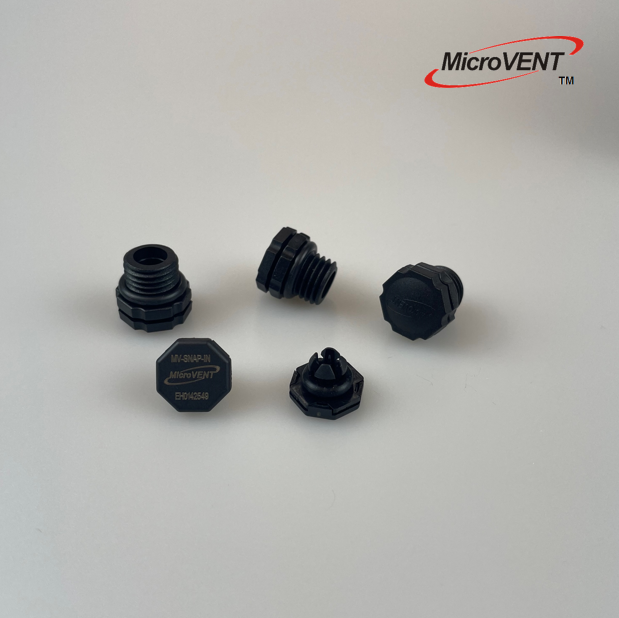
Selecionar a membrana acústica adequada para smartphones de alta gama representa uma das decisões mais críticas na engenharia moderna de dispositivos móveis. À medida que as expectativas dos consumidores continuam a aumentar e os dispositivos se tornam cada vez mais sofisticados, os fabricantes devem avaliar cuidadosamente todos os componentes que afetam o desempenho acústico e a funcionalidade geral do dispositivo. A membrana acústica atua como uma barreira vital que protege componentes internos sensíveis, ao mesmo tempo que mantém a qualidade sonora ideal e a equalização de pressão ao longo do ciclo de vida do dispositivo.
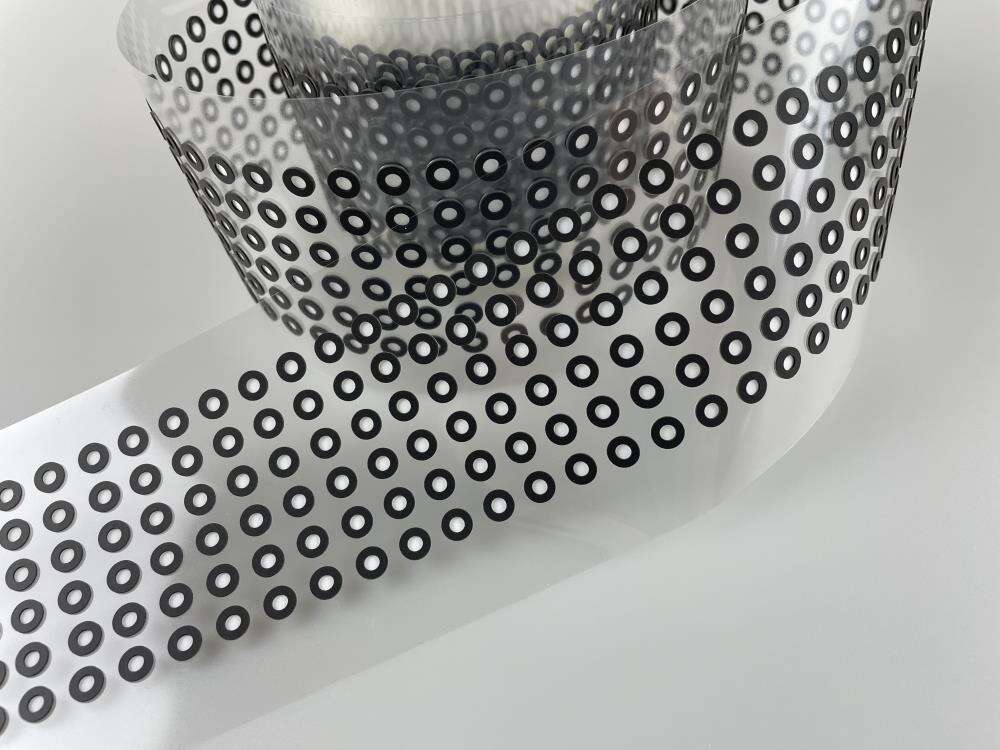
Fabricantes premium de smartphones reconhecem que a membrana acústica afeta diretamente a experiência do usuário por meio de sua influência no desempenho dos alto-falantes, na clareza dos microfones e na durabilidade do dispositivo. Quando partículas de água ou poeira comprometem a membrana acústica, a distorção sonora resultante e os possíveis danos ao hardware podem reduzir significativamente a reputação do produto e a satisfação do cliente. Portanto, compreender as especificações técnicas e as características de desempenho das diferentes opções de membranas acústicas torna-se essencial para equipes de engenharia voltadas à entrega de experiências móveis excepcionais.
A integração de uma membrana acústica eficaz exige a consideração cuidadosa de diversos fatores, incluindo as características de resposta em frequência, a resistência ambiental, a compatibilidade com os processos de fabricação e a confiabilidade a longo prazo. Os designs modernos de smartphones exigem soluções de membranas acústicas capazes de suportar variações extremas de temperatura, exposição à umidade e estresse físico, mantendo ao mesmo tempo propriedades consistentes de transmissão sonora. Esse processo abrangente de avaliação garante que a membrana acústica selecionada contribua positivamente para o desempenho geral do dispositivo, em vez de criar limitações ou compromissos.
Compreendendo a Tecnologia de Membranas Acústicas no Design de Smartphones
Funcionalidade Central e Requisitos de Desempenho
A membrana acústica funciona como um sistema de barreira sofisticado que permite a passagem de ondas sonoras, ao mesmo tempo que impede que a umidade e contaminantes atinjam componentes eletrônicos sensíveis. Smartphones de alta gama exigem soluções com membranas acústicas que mantenham uma transparência acústica precisa em uma ampla faixa de frequências, normalmente compreendida entre 20 Hz e 20 kHz, para acomodar tanto as comunicações por voz quanto a reprodução de multimídia. A membrana deve demonstrar características de desempenho consistentes, independentemente das condições ambientais ou de períodos prolongados de uso.
Projetos avançados de membranas acústicas incorporam estruturas microporosas que criam vias controladas para a transmissão sonora, ao mesmo tempo que bloqueiam partículas maiores que os limiares especificados. Esses canais microscópicos devem manter sua estabilidade sob diversas diferenças de pressão e flutuações de temperatura comumente encontradas durante a operação de smartphones. O desafio de engenharia consiste em otimizar a distribuição do tamanho dos poros para alcançar a máxima transparência acústica sem comprometer as capacidades protetoras.
Aplicações modernas para smartphones exigem soluções de membranas acústicas capazes de suportar mudanças rápidas de pressão associadas a variações de altitude, ciclos térmicos e manuseio do dispositivo. O material da membrana deve apresentar excelentes propriedades de recuperação elástica para manter sua integridade estrutural após ciclos repetidos de compressão e expansão. Essa estabilidade mecânica afeta diretamente o desempenho acústico a longo prazo e a confiabilidade geral do dispositivo, características esperadas pelos consumidores em produtos premium de smartphones.
Ciência dos Materiais e Técnicas de Construção
A fabricação contemporânea de membranas acústicas utiliza química polimérica avançada para criar materiais com porosidade e propriedades mecânicas controladas com precisão. Membranas de alto desempenho empregam, tipicamente, composições à base de fluoropolímeros, que oferecem resistência química excepcional, estabilidade térmica e características hidrofóbicas. Esses materiais mantêm suas propriedades acústicas em amplas faixas de temperatura, ao mesmo tempo em que resistem à degradação causada pela exposição a contaminantes ambientais comuns.
O processo de fabricação de produtos premium de membranas acústicas envolve técnicas sofisticadas, como estiramento biaxial, nucleação controlada e tratamentos de modificação de superfície. Esses processos criam estruturas de poros uniformes que garantem uma transmissão acústica consistente, ao mesmo tempo que mantêm a resistência mecânica necessária para a integração em smartphones. As medidas de controle de qualidade durante a produção verificam se cada membrana acústica atende às rigorosas especificações relativas à porosidade, uniformidade de espessura e desempenho acústico.
Os tratamentos de superfície aplicados aos materiais das membranas acústicas podem melhorar significativamente suas características de desempenho em aplicações para smartphones. Revestimentos hidrofóbicos aumentam a resistência à água, enquanto tratamentos oleofóbicos reduzem a contaminação por óleos da pele e produtos cosméticos. Essas modificações especializadas de superfície ajudam a manter o desempenho da membrana acústica ao longo do ciclo de vida do dispositivo, reduzindo os requisitos de manutenção e prolongando a confiabilidade operacional.
Especificações Técnicas e Critérios de Desempenho
Transparência Acústica e Resposta em Frequência
A avaliação do desempenho de uma membrana acústica exige testes abrangentes em várias faixas de frequência para garantir a compatibilidade ideal com os sistemas de áudio de smartphones. A membrana acústica ideal apresenta perda de inserção mínima ao longo do espectro audível, mantendo simultaneamente a coerência de fase necessária para preservar a qualidade do áudio. Os protocolos de medição avaliam tipicamente as características de transmissão em diversos níveis de pressão sonora, a fim de verificar o desempenho consistente sob diferentes condições operacionais.
Os designs de smartphones de alta qualidade frequentemente incorporam múltiplos alto-falantes e microfones que exigem soluções de membranas acústicas com características personalizadas de resposta em frequência. As frequências graves exigem designs de membranas acústicas com conformidade suficiente para evitar a restrição da saída de baixa frequência, enquanto aplicações de alta frequência requerem materiais que minimizem os efeitos de amortecimento acústico. A membrana acústica selecionada deve complementar o projeto acústico geral para atingir as metas desejadas de desempenho sonoro.
Metodologias avançadas de ensaio avaliam o desempenho da membrana acústica em condições simuladas do mundo real, incluindo variações de temperatura, exposição à umidade e tensão mecânica. Essas avaliações abrangentes garantem que a membrana acústica mantenha um desempenho consistente ao longo do ciclo de vida do produto. Os fabricantes devem verificar se a transparência acústica permanece estável mesmo após exposição a condições ambientais desafiadoras às quais os smartphones comumente estão sujeitos durante o uso normal.
Ensaios de Resistência Ambiental e Durabilidade
Aplicações premium para smartphones exigem soluções de membranas acústicas que demonstrem resistência excepcional a desafios ambientais, incluindo infiltração de umidade, acúmulo de poeira e exposição a produtos químicos. Protocolos padronizados de ensaio avaliam o desempenho da membrana em condições controladas que simulam exposição prolongada a diversos fatores estressantes ambientais. Essas avaliações ajudam a prever a confiabilidade a longo prazo e a identificar modos potenciais de falha que possam afetar o desempenho do dispositivo.
Os ensaios de resistência à água para produtos de membranas acústicas envolvem cenários tanto estáticos quanto dinâmicos, a fim de avaliar as capacidades protetoras sob diferentes condições. Os ensaios estáticos avaliam a integridade da membrana quando exposta à água parada, enquanto os ensaios dinâmicos simulam os efeitos da chuva, respingos ou submersão acidental. A membrana acústica deve manter suas propriedades de barreira, preservando simultaneamente as características de transmissão sonora ao longo dessas exposições desafiadoras.
Os testes de compatibilidade química garantem que a membrana acústica possa resistir à exposição a substâncias comuns encontradas durante o uso de smartphones, incluindo agentes de limpeza, cosméticos e poluentes ambientais. Essas avaliações analisam os possíveis efeitos de degradação tanto no desempenho acústico quanto na integridade estrutural. Estudos de exposição de longo prazo ajudam a prever o comportamento da membrana ao longo de períodos prolongados de serviço e a identificar eventuais necessidades de manutenção ou substituição.
Considerações de Integração e Otimização de Projeto
Métodos Mecânicos de Fixação e Vedação
A integração bem-sucedida da tecnologia de membrana acústica em designs de smartphones exige uma consideração cuidadosa dos métodos de fixação e das técnicas de vedação. O sistema de montagem deve garantir uma retenção segura, ao mesmo tempo que evita tensões mecânicas capazes de afetar o desempenho acústico ou a integridade da membrana. Os designs modernos de smartphones normalmente empregam sistemas adesivos especializados ou métodos mecânicos de retenção que se adaptam aos fatores de forma finos e aos layouts internos compactos característicos de dispositivos móveis premium.
A eficácia da vedação ao redor do perímetro da membrana acústica afeta diretamente tanto o desempenho acústico quanto as capacidades de proteção ambiental. Um projeto adequado de vedação impede vazamentos acústicos que poderiam degradar a qualidade de áudio, ao mesmo tempo que mantém as propriedades de barreira essenciais à proteção do dispositivo. As equipes de engenharia devem equilibrar os requisitos de vedação com a transparência acústica para alcançar um desempenho global ótimo do sistema integrado.
As considerações de fabricação para a integração da membrana acústica incluem requisitos de tolerância de alinhamento, compatibilidade com automação de montagem e procedimentos de verificação de qualidade. O selecionado membrana acústica deve acomodar variações razoáveis de fabricação, mantendo ao mesmo tempo características de desempenho consistentes. A otimização do projeto envolve frequentemente uma colaboração entre os fornecedores de membranas e os fabricantes de smartphones para desenvolver soluções personalizadas que atendam aos requisitos específicos de integração.
Gestão Térmica e Estabilidade de Desempenho
As considerações térmicas desempenham um papel crucial na seleção de membranas acústicas para aplicações em smartphones, devido à significativa geração de calor proveniente dos processadores modernos e dos sistemas de carregamento. O material da membrana deve manter propriedades acústicas estáveis ao longo da faixa de temperatura de operação, evitando ao mesmo tempo a degradação térmica que possa afetar o desempenho a longo prazo. As características de expansão térmica devem ser compatíveis com os componentes circundantes do smartphone, a fim de prevenir tensões mecânicas ou falhas de vedação.
A dissipação de calor através da membrana acústica pode afetar tanto o desempenho acústico quanto as capacidades de proteção ambiental. A exposição excessiva ao calor pode alterar a porosidade da membrana ou suas características de transmissão acústica, enquanto os ciclos térmicos podem induzir fadiga mecânica nos sistemas de fixação. A otimização do projeto exige uma avaliação cuidadosa das vias térmicas e das estratégias de gerenciamento térmico, garantindo assim um desempenho consistente da membrana acústica em toda a faixa operacional do dispositivo.
Técnicas avançadas de análise térmica ajudam a prever o comportamento da membrana acústica sob diversas condições de carga térmica comumente encontradas durante a operação de smartphones. Essas avaliações consideram tanto a exposição térmica em regime permanente quanto os efeitos térmicos transitórios associados à atividade do processador, à recarga sem fio ou às alterações de temperatura ambiental.
Métodos de Garantia e Teste de Qualidade
Verificação de Desempenho e Padronização
Programas abrangentes de garantia de qualidade para produtos de membrana acústica incorporam múltiplas metodologias de ensaio para verificar as características de desempenho e assegurar a consistência entre lotes de produção. Procedimentos padronizados de ensaio avaliam a transparência acústica, a resistência ambiental, as propriedades mecânicas e a estabilidade a longo prazo em condições laboratoriais controladas. Essas avaliações sistemáticas fornecem a documentação necessária para que os fabricantes de smartphones tomem decisões informadas na seleção desses produtos e mantenham seus padrões de qualidade.
Os protocolos de testes acústicos para aplicações em smartphones normalmente envolvem medições da resposta em frequência, análise de distorção harmônica e avaliação da coerência de fase ao longo do espectro audível. Essas avaliações verificam se a membrana acústica atende às especificações de desempenho e identificam quaisquer características que possam afetar a qualidade do áudio. Equipamentos avançados de teste permitem a medição precisa de parâmetros acústicos sob diversas condições ambientais, garantindo um desempenho robusto em aplicações do mundo real.
Os métodos de controle estatístico de processo ajudam a manter a qualidade consistente da membrana acústica durante as operações de fabricação. Procedimentos regulares de amostragem e ensaio verificam se os parâmetros de produção permanecem dentro das tolerâncias especificadas, assegurando características de desempenho confiáveis. A documentação de qualidade garante rastreabilidade e apoia esforços contínuos de melhoria que aumentam a confiabilidade do produto e a satisfação do cliente.
Análise de Falhas e Engenharia de Confiabilidade
Programas abrangentes de engenharia de confiabilidade para aplicações de membranas acústicas incluem testes acelerados de vida útil, análise de modos de falha e avaliação de manutenção preventiva. Essas abordagens sistemáticas ajudam a identificar possíveis problemas de confiabilidade antes que eles afetem o desempenho do smartphone ou a satisfação do cliente. Técnicas analíticas avançadas permitem a caracterização detalhada dos mecanismos de falha e apoiam esforços de otimização de projeto para melhorar a confiabilidade a longo prazo.
Testes acelerados de envelhecimento submetem amostras de membranas acústicas a condições elevadas de temperatura, umidade e tensão mecânica, simulando uma exposição prolongada ao serviço em períodos de tempo reduzidos. Essas avaliações ajudam a prever o comportamento da membrana ao longo dos ciclos de vida típicos de smartphones e a identificar quaisquer mecanismos de degradação que possam afetar o desempenho. Os resultados apoiam decisões relativas à garantia e recomendações de manutenção para os fabricantes de smartphones.
Os programas de monitoramento do desempenho em campo acompanham o comportamento das membranas acústicas em aplicações reais de smartphones, para validar os resultados dos ensaios laboratoriais e identificar quaisquer problemas de desempenho no mundo real. Os comentários dos clientes e os dados de assistência técnica fornecem informações valiosas sobre o desempenho das membranas sob diversas condições de uso e exposições ambientais. Essas informações apoiam esforços contínuos de melhoria e orientam iniciativas futuras de desenvolvimento de produtos.
Perguntas Frequentes
Quais fatores impactam mais significativamente o desempenho das membranas acústicas em smartphones
Os fatores mais críticos que afetam o desempenho da membrana acústica incluem a composição do material, a uniformidade da estrutura de poros, as capacidades de resistência ambiental e as características de estabilidade térmica. A seleção do material determina as propriedades acústicas fundamentais e a durabilidade, enquanto a estrutura de poros influencia tanto a transmissão sonora quanto as capacidades de proteção. A resistência ambiental garante um desempenho consistente sob exposição à umidade, poeira e produtos químicos, e a estabilidade térmica mantém as propriedades acústicas ao longo das faixas de temperatura de operação. Os métodos de integração e a eficácia da vedação também influenciam significativamente o desempenho geral do sistema em aplicações para smartphones.
Como a espessura da membrana acústica afeta a qualidade de áudio e a proteção do dispositivo
A espessura da membrana acústica influencia diretamente tanto a transparência acústica quanto as características de resistência mecânica. Membranas mais finas geralmente proporcionam melhor transmissão acústica, com menor perda por inserção, mas podem oferecer menor durabilidade e proteção ambiental. Membranas mais espessas proporcionam maior resistência mecânica e propriedades de barreira, mas podem introduzir efeitos de amortecimento acústico que afetam a qualidade do áudio. A seleção da espessura ideal exige um equilíbrio entre os requisitos de desempenho acústico, as necessidades de proteção e as restrições de integração mecânica específicas de cada projeto de smartphone.
Quais normas de ensaio se aplicam à qualificação de membranas acústicas para aplicações em smartphones
Os ensaios de membranas acústicas para aplicações em smartphones geralmente seguem normas industriais, incluindo os protocolos de classificação IP para proteção ambiental, as normas da IEC para medições acústicas e os requisitos específicos de desempenho definidos pelos fabricantes. Os ensaios de resistência à água seguem as especificações IPX, enquanto a avaliação da proteção contra poeira utiliza os protocolos IP5X e IP6X. Os ensaios acústicos incorporam normas de medição da resposta em frequência e métodos de avaliação da distorção harmônica. Muitos fabricantes de smartphones empregam ainda protocolos de ensaio proprietários que abordam requisitos específicos da aplicação e condições ambientais únicas ao funcionamento de dispositivos móveis.
Como as condições ambientais afetam o desempenho a longo prazo das membranas acústicas
A exposição ambiental afeta significativamente o desempenho das membranas acústicas por meio de seus efeitos nas propriedades dos materiais, na estabilidade da estrutura porosa e na integridade mecânica. A alta umidade pode afetar os tratamentos hidrofóbicos e potencialmente alterar as características de transmissão acústica. Os ciclos térmicos induzem tensões térmicas que podem causar degradação do material ou fadiga mecânica nos sistemas de fixação. A exposição à radiação UV pode degradar materiais poliméricos ao longo do tempo, enquanto contaminantes químicos podem afetar os tratamentos de superfície ou as propriedades do material em massa. A seleção adequada de materiais e a otimização do projeto ajudam a minimizar os efeitos ambientais e a manter um desempenho consistente durante todo o ciclo de vida do smartphone.
Sumário
- Compreendendo a Tecnologia de Membranas Acústicas no Design de Smartphones
- Especificações Técnicas e Critérios de Desempenho
- Considerações de Integração e Otimização de Projeto
- Métodos de Garantia e Teste de Qualidade
-
Perguntas Frequentes
- Quais fatores impactam mais significativamente o desempenho das membranas acústicas em smartphones
- Como a espessura da membrana acústica afeta a qualidade de áudio e a proteção do dispositivo
- Quais normas de ensaio se aplicam à qualificação de membranas acústicas para aplicações em smartphones
- Como as condições ambientais afetam o desempenho a longo prazo das membranas acústicas
