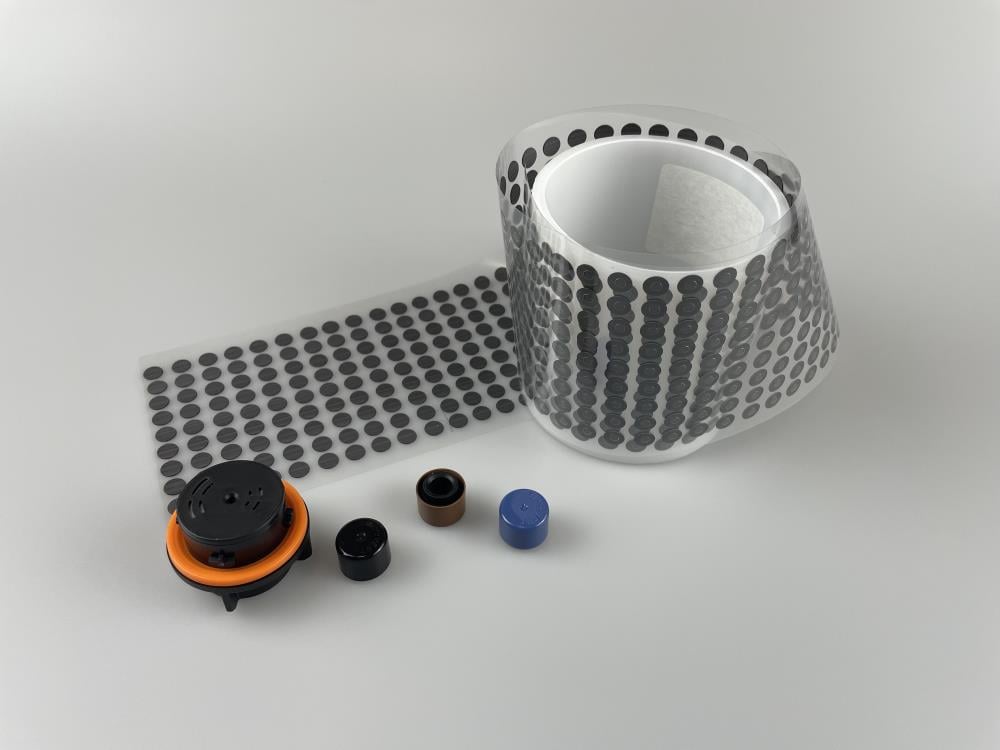
Vent Bottle Cap Liner Package Review
A vent bottle cap liner works within a full package. The package includes the bottle, cap, liner, fill, headspace, and use setting. A vent bottle cap liner should not be picked from its name alone. First, state what is in the bottle. Then state how the pack is filled, stored, moved, and used. This makes the review clear. It also helps a buyer avoid a weak claim based on one material trait. A vent bottle cap liner review begins with package facts.
Heat, cold, or a change in height can change the air pressure in a closed bottle. The effect can vary with the medium and the pack shape. A vent bottle cap liner may be part of the review when this is a concern. It is not a stand-alone answer. The best next step is to list the facts that shape the need. Give the bottle resin, size, fill level, cap type, and normal storage range. A vent bottle cap liner inquiry should include those details.
Vent Bottle Cap Liner Cap Interface
The cap and liner must work as a pair. A vent bottle cap liner needs a place in the cap. The cap shape, liner seat, neck finish, and space in the closure all matter. A drawing or a sample can show these details. It is more useful than a short product name. Share the cap inside view when you can. Show the liner area and any part that holds or seals the liner. A vent bottle cap liner fit review needs the actual cap interface.
- List the bottle-neck finish and cap size used in the package.
- State if the liner is loose, fixed, or part of a layered part.
- Show the seal land and the space open inside the cap.
- Describe how the cap and liner are put together.
These points do not prove that a vent bottle cap liner will fit. They give the team facts to review. MicroVENT lists vent bottle PE liner as a product direction. Its profile also lists composite and laminated methods. Those facts can guide a vent bottle cap liner talk about the interface. The final design still depends on the real cap and bottle.
Vent Bottle Cap Liner Medium Review
The medium is a key part of a vent bottle cap liner review. Say if the bottle holds a liquid, granules, oil, or another product. Give the fill level and headspace. State if the pack sees heat, cold, long storage, or travel. A vent bottle cap liner may face a different need if the medium or handling plan changes. Keep the facts simple and clear. Use the same details in every vent bottle cap liner request.
The merchant profile describes ePTFE material as porous. It also lists hydrophobic and oleophobic traits. These are material facts. They are not proof for each bottle or formula. A vent bottle cap liner should be checked for the actual medium and closure. Ask what data, samples, or tests are needed for the planned use. This keeps the vent bottle cap liner talk honest and useful.
Vent Bottle Cap Liner Product Records
This page shows the documented Vent PE liner and vent membrane records. The Vent PE liner is the direct match for a vent bottle cap liner topic. The vent membrane is a related record. It is not a claim that both parts do the same job. The available catalog has only these two relevant or close records for this page. No extra products have been added just to make a longer list.
Use each record to start a focused review. Ask how a vent bottle cap liner would join the cap or liner system. Ask which product facts apply to the pack. Ask what still needs proof. A good vent bottle cap liner path moves from package facts, to product records, to a check of the final build. This helps buyers compare options without treating a general statement as a promise.
Vent Bottle Cap Liner Inquiry Details
A good request makes a vent bottle cap liner review faster. Include the bottle and cap data, the medium, the fill plan, and the use setting. Add a drawing, photo, or sample note if one is ready. State why the pack needs review. For example, a buyer may want to discuss a change in fill, a new cap, or a new storage plan. Do not hide a fact that may change the result. A clear vent bottle cap liner inquiry helps frame the next discussion.
- Name the bottle, cap, liner, and medium in the same request.
- State the heat, height, storage, or travel conditions that matter.
- Attach a cap drawing or sample note for the liner interface.
- Ask what data or checks are needed for the planned package.
This approach keeps a vent bottle cap liner decision tied to the real use case. It also separates documented product context from the work still needed to review the final package. Use the inquiry form for a vent bottle cap liner discussion based on the actual pack.
 EN
 AR
 CS
 FR
 DE
 IT
 JA
 KO
 PT
 RU
 ES
 ID
 VI
 TH
 TR
 MS