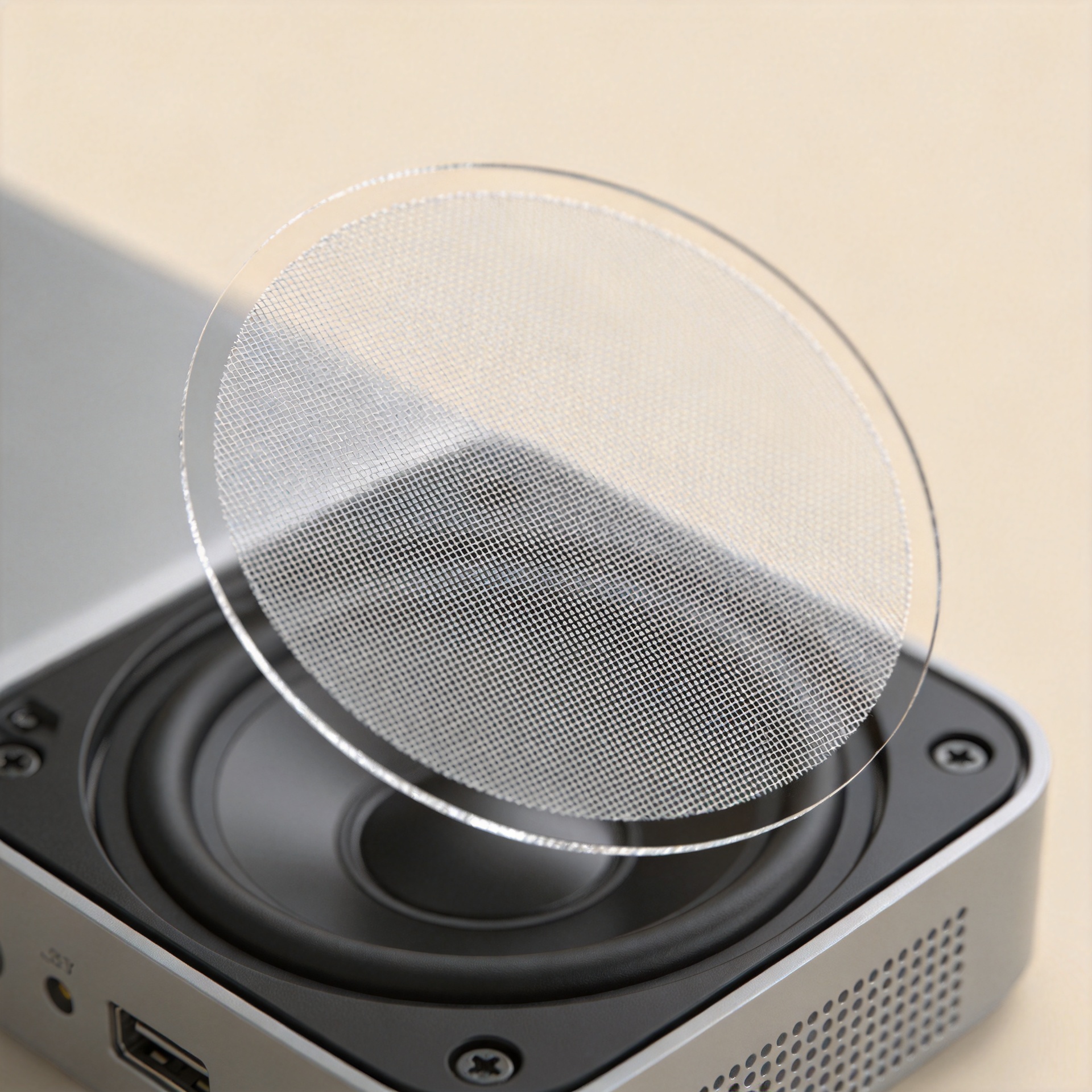
Start With the Device Opening
An acoustic ePTFE sticker works with a device opening. First, define that opening. Is it for a microphone, speaker, receiver, sensor, or other part? Is the acoustic ePTFE sticker on the outer case, behind a grille, or near a component? These simple facts guide the first product review.
Measure the open area and the space around it. Show the edge shape. Show nearby parts. State the case material. State if the surface is flat, curved, rough, or smooth. An acoustic ePTFE sticker needs a mounting area that fits the part and the build process. Do not select an acoustic ePTFE sticker from its name alone.
State What the Design Needs
Next, list what the design needs from an acoustic ePTFE sticker. The need may involve an acoustic path, a device opening, a mounting method, or electronics protection. Keep each need clear. Do not turn a general material statement into a claim about the final device.
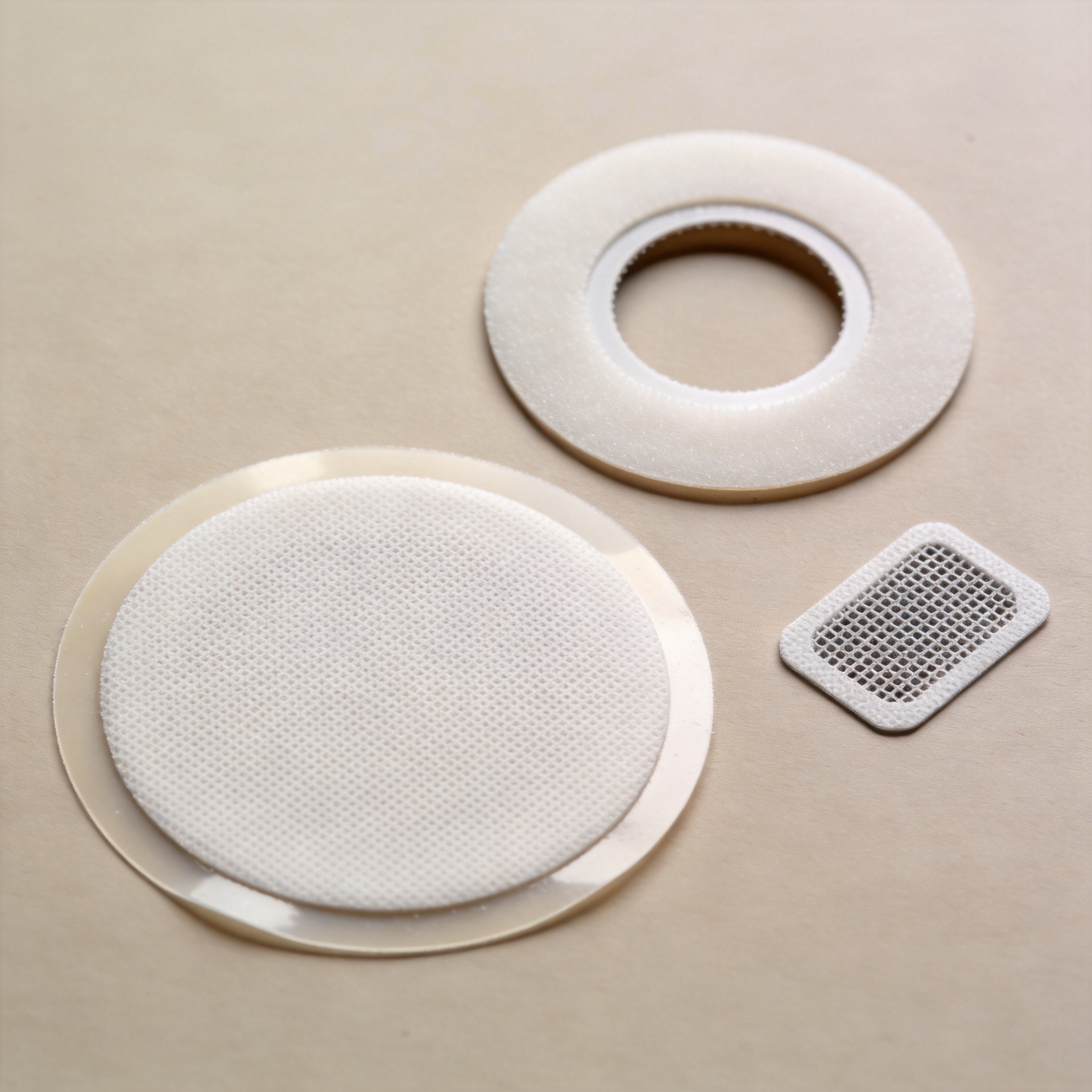
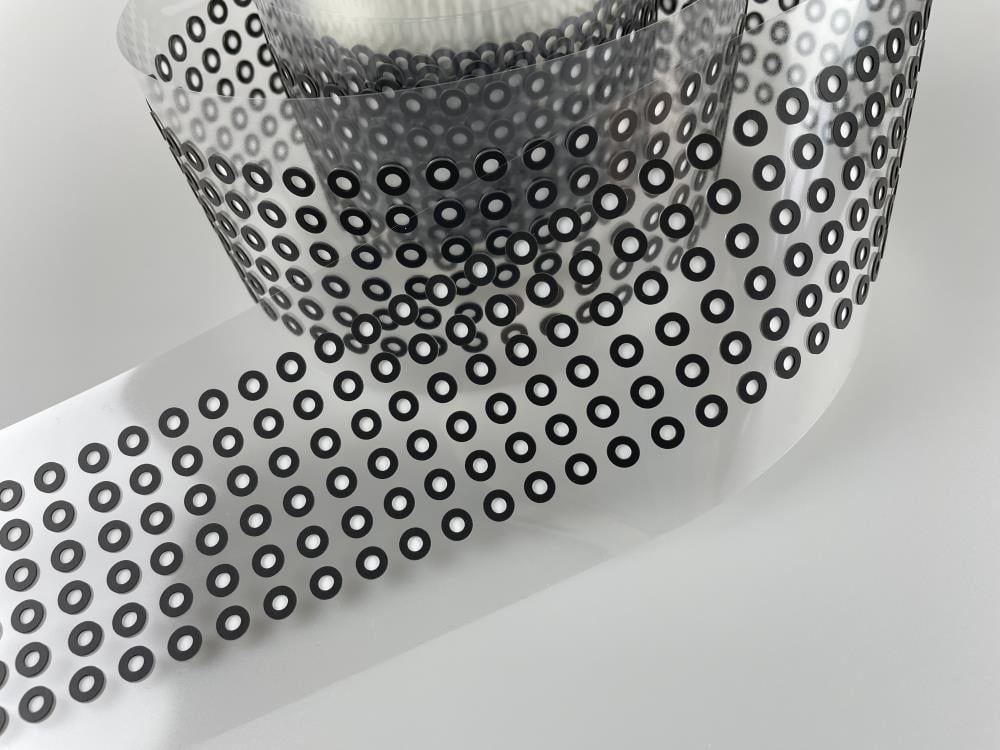
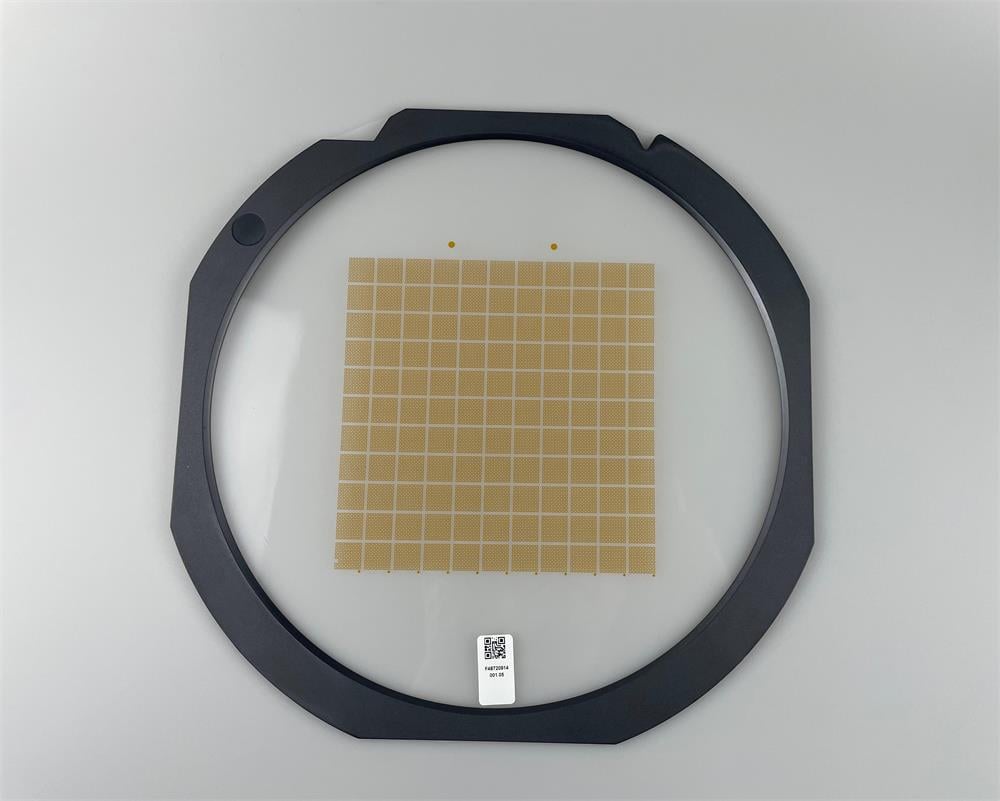
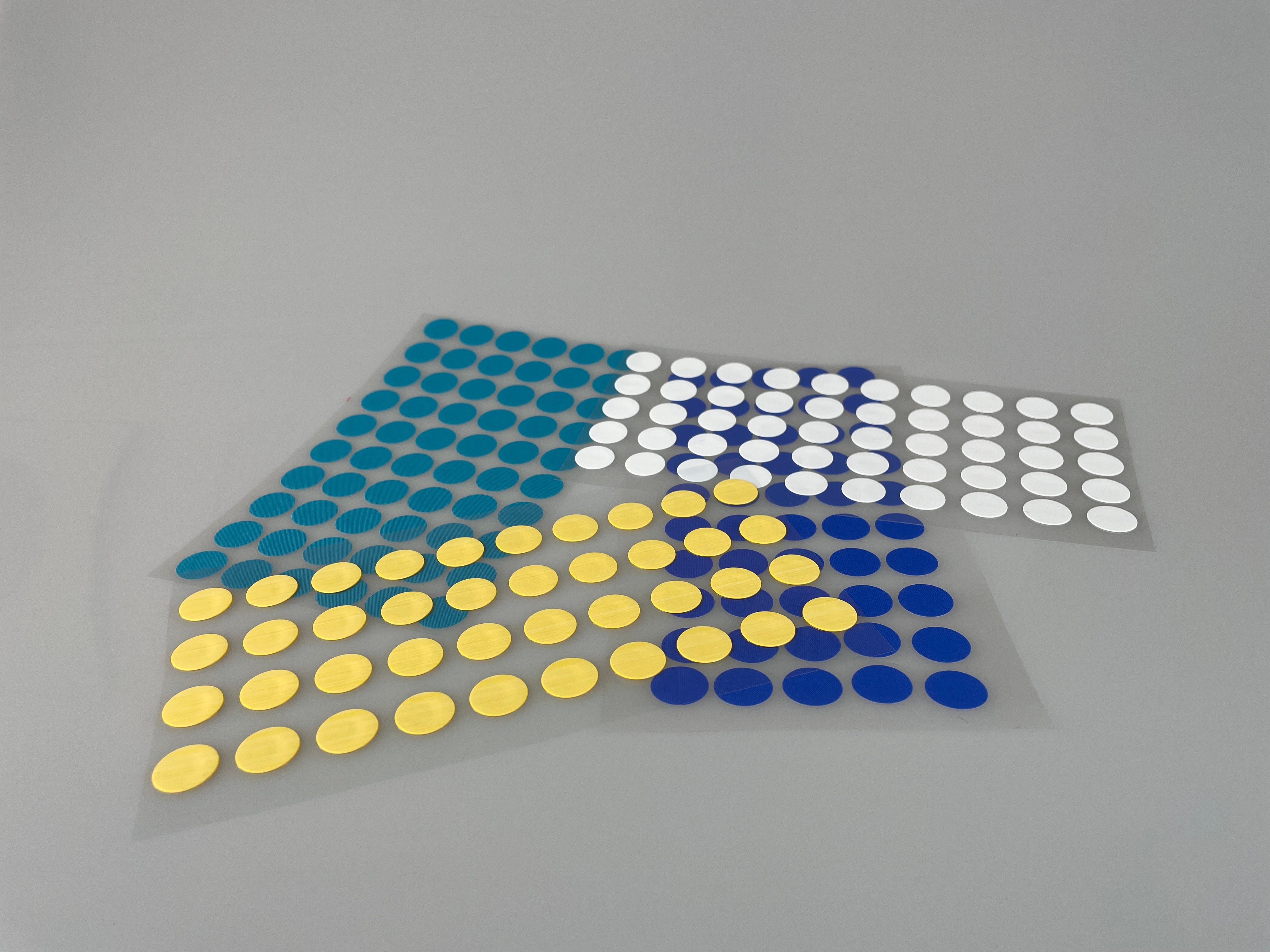
MicroVENT lists an acoustic vent membrane, a MEMS protection membrane, and an adhesive vent membrane. These are three product categories. They can help frame an acoustic ePTFE sticker discussion. They are not proof that one product fits every use. The best category depends on the real device and the data that can be checked.
- For an acoustic ePTFE sticker at an open port, describe the port shape and the sound path.
- For electronics protection, state the component location and the build step.
- For an adhesive option, state the surface, bonding area, and placement plan.
- For any acoustic ePTFE sticker, state the dust, moisture, heat, or use conditions that matter.
Review the Mounting Plan
Mounting can change the fit of an acoustic ePTFE sticker. A small port may need exact placement. A curved case may add a new question. A rough surface may need its own review. Give the supplier a drawing or a clear photo. Mark the target zone. Add the key sizes and limits.
Also describe the build plan. A sample build and a volume build may use different steps. An acoustic ePTFE sticker may be placed by hand in one case. It may be placed by a machine in another case. Do not assume that one method proves the other. Ask what product data is available for the planned method.
Compare Product Categories
The Acoustic Vent Membrane is a direct category to review for an acoustic ePTFE sticker at an acoustic opening. The MEMS protection membrane is a separate category for a MEMS-related application. The Adhesive Vent Membrane is a separate category for an adhesive mounting discussion. Use these names to narrow the search. Then compare the product record with the real drawing.
Ask for details that apply to the proposed acoustic ePTFE sticker. Ask about the part form, the mounting area, and the data that supports the intended use. If a test method or standard is needed, check its scope first. It must match the real assembly. Do not use a broad test claim as a shortcut for product fit.
Send a Clear Review Request
A short data pack can speed up an acoustic ePTFE sticker review. Include the device type, the opening drawing, the case material, and the mounting point. Include the build method. Include the use conditions. State if the main question is an acoustic path, electronics protection, or an adhesive format.
MicroVENT describes work with ePTFE membrane technology, composite methods, lamination, and surface modification. These facts give context for an acoustic ePTFE sticker inquiry. They do not promise a result for a given device. Ask which listed product category should be reviewed first. Then confirm product details and validation needs for the intended device.
 EN
 AR
 CS
 FR
 DE
 IT
 JA
 KO
 PT
 RU
 ES
 ID
 VI
 TH
 TR
 MS