EN
EN
 AR
AR
 CS
CS
 FR
FR
 DE
DE
 IT
IT
 JA
JA
 KO
KO
 PT
PT
 RU
RU
 ES
ES
 ID
ID
 VI
VI
 TH
TH
 TR
TR
 MS
MS

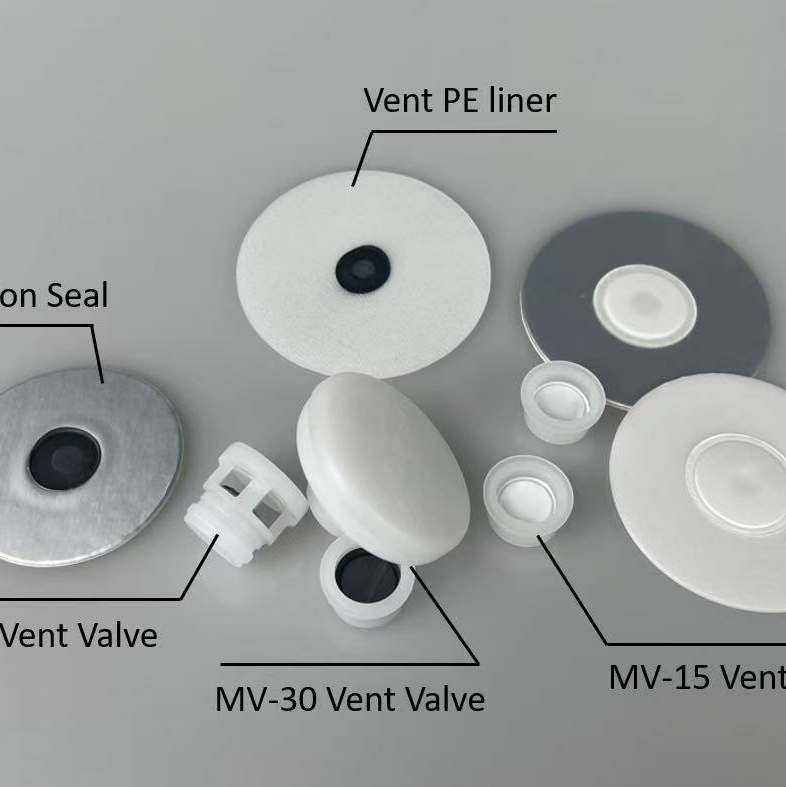
Lightweight bottles have revolutionized the packaging industry by reducing material costs and environmental impact, yet they face a critical vulnerability that manufacturers must address. When products are filled and sealed without proper venting, negative pressure builds inside the container, causing the thin walls to collapse inward. This phenomenon, known as vacuum-induced collapse, compromises product integrity, damages the bottle structure, and creates significant quality control challenges. The solution lies in implementing an advanced venting mechanism that allows air to enter the bottle during filling while preventing product leakage. MicroVent PE liner prevents vacuum-induced collapse by enabling controlled air flow that equalize internal and external pressure during the filling and cooling process.
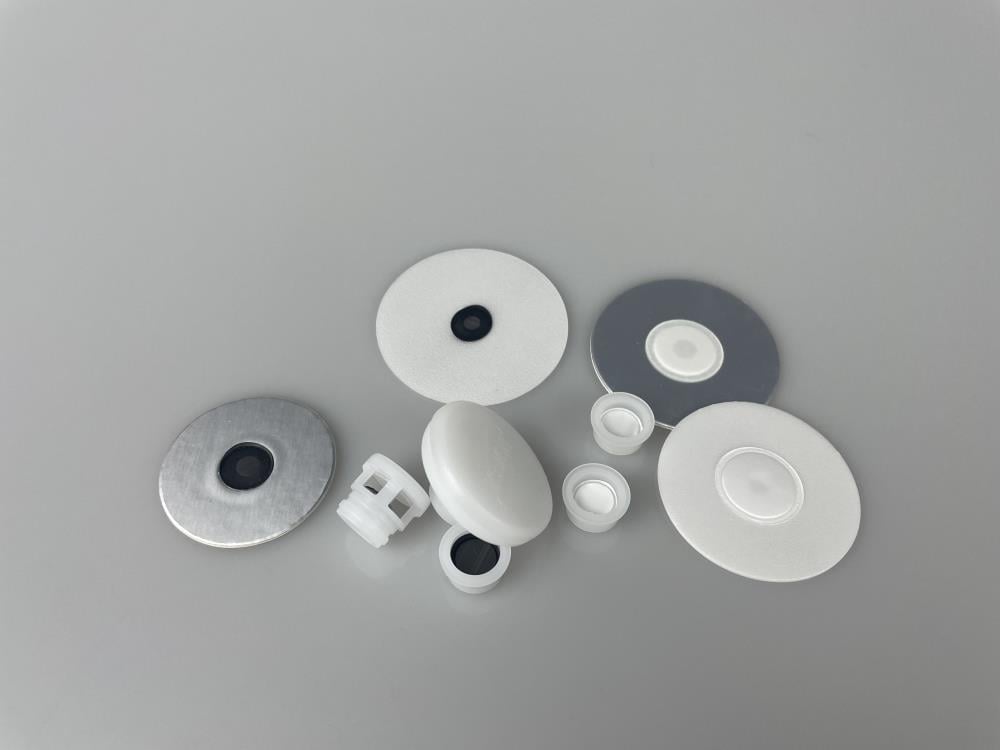
Understanding how vacuum formation occurs in sealed bottles is essential for packaging engineers and manufacturers seeking to maintain container integrity. When hot liquid fills a lightweight bottle and then cools, the air inside contracts, creating a pressure differential between the interior and exterior environment. Without a venting solution, this pressure differential causes the thin plastic walls to flex inward, deforming the bottle and potentially rendering it unusable. MicroVent PE liner prevents vacuum-induced collapse by incorporating a specialized membrane that functions as a one-way air passage. This innovative technology allows atmospheric air to flow inward when pressure drops, while simultaneously preventing product escape, ensuring your bottles maintain structural integrity throughout the entire product lifecycle.
How MicroVent PE Liner Technology Works
The Venting Mechanism and Pressure Equalization
MicroVent PE liner prevents vacuum-induced collapse through an elegantly simple yet highly effective mechanism based on controlled membrane permeability. The polyethylene liner contains microscopic channels that permit one-directional airflow during the critical filling and cooling phases. When internal pressure drops below atmospheric pressure, the differential pressure gradient automatically triggers air ingress through the membrane, preventing the vacuum that would otherwise collapse the bottle walls. This passive venting system requires no mechanical activation or external energy input, making it a cost-effective and reliable solution for high-speed production environments. The membrane structure ensures that once atmospheric equilibrium is reached, no further air exchange occurs, maintaining product freshness and shelf stability.
Integration with Lightweight Bottle Design
Lightweight bottles are engineered to minimize material usage while maintaining structural performance, yet this design philosophy creates heightened vulnerability to vacuum stress. MicroVent PE liner prevents vacuum-induced collapse specifically by addressing the unique challenges posed by ultra-thin plastic walls that lack the rigidity of heavier containers. The liner integrates seamlessly into the bottle's closure system, typically positioned within the cap or neck region where it can most effectively regulate internal pressure. This strategic placement ensures that the venting capability reaches the bottle interior at the precise moment when vacuum formation would otherwise begin. Manufacturers implementing MicroVent PE liner prevents vacuum-induced collapse report measurable improvements in first-pass quality rates, reduced customer complaints regarding deformed packaging, and enhanced overall production efficiency.
Benefits and Practical Applications
Enhanced Product Protection and Brand Reputation
Collapsed or deformed bottles damage brand perception and create significant financial losses through customer returns and warranty claims. MicroVent PE liner prevents vacuum-induced collapse, ensuring that products arrive at retail locations in perfect condition with intact, professional appearance. This protection becomes increasingly critical for premium beverages, nutritional products, and personal care items where packaging presentation directly influences purchase decisions. When bottles arrive deformed or visibly damaged, consumers perceive quality deficits regardless of actual product quality. MicroVent PE liner prevents vacuum-induced collapse by maintaining bottle geometry consistently throughout storage, transportation, and shelf display, preserving brand integrity and protecting your market reputation.
Operational Efficiency and Production Scalability
Manufacturing operations running lightweight bottle lines face production delays when vacuum collapse occurs during or after filling, forcing costly line stoppages and quality reinspection. MicroVent PE liner prevents vacuum-induced collapse passively, eliminating the need for complicated secondary venting equipment or manual intervention. High-speed filling lines can operate at maximum capacity without fear of pressure-related defects, significantly increasing throughput and reducing per-unit production costs. The simplified integration means minimal equipment modifications, shorter implementation timelines, and reduced capital investment compared to alternative venting solutions. Facilities that adopt MicroVent PE liner prevents vacuum-induced collapse consistently achieve improved overall equipment effectiveness and enhanced production predictability across multiple packaging lines.
Selection Criteria and Implementation Considerations
Compatibility Across Product Types and Fill Temperatures
Different products impose varying demands on venting systems based on fill temperature, product chemistry, and shelf stability requirements. MicroVent PE liner prevents vacuum-induced collapse across a wide range of applications including beverages, dairy products, nutritional supplements, and personal care formulations. The polyethylene membrane material demonstrates excellent chemical compatibility with acidic beverages, alkaline products, and alcohol-based formulations commonly encountered in consumer goods manufacturing. Temperature performance is critical; MicroVent PE liner prevents vacuum-induced collapse effectively during both hot-fill applications where internal temperatures exceed 80 degrees Celsius and cold-fill scenarios with ambient or refrigerated products. Manufacturers should verify specific compatibility through testing protocols to ensure optimal performance across their unique product portfolio and thermal processing requirements.
Cost-Benefit Analysis and Return on Investment
Implementing MicroVent PE liner prevents vacuum-induced collapse requires assessment of capital costs, material expenses, and expected quality improvements to justify the investment. The solution offers compelling economic returns because it eliminates the need for expensive secondary venting systems, mechanical valves, or gasket-based approaches that require frequent maintenance and replacement. Material costs per unit are minimal since the polyethylene liner represents a small fraction of overall packaging material expenses. Quality improvements generate substantial savings through reduced scrap rates, fewer customer returns, and lower warranty claim processing costs. Most manufacturers implementing MicroVent PE liner prevents vacuum-induced collapse report payback periods under twelve months, with ongoing cost reductions accumulating throughout the product lifecycle as scrap rates decrease and production efficiency improves.
FAQ
Why do lightweight bottles collapse more readily than traditional heavier containers?
Lightweight bottles use thinner plastic walls to reduce material consumption and environmental impact, but this reduced wall thickness provides less structural rigidity to resist the inward pressure created by vacuum formation. Heavier bottles with thicker walls naturally resist deformation better, whereas lightweight designs are specifically engineered to minimize material, creating greater vulnerability to pressure differential stress. MicroVent PE liner prevents vacuum-induced collapse by preventing the vacuum formation itself rather than relying on wall thickness to resist collapse forces, making it the ideal solution for modern lightweight packaging designs.
Can MicroVent PE liner be retrofitted to existing bottle designs and production lines?
MicroVent PE liner prevents vacuum-induced collapse through integration into the closure system, typically within the cap or neck components where minimal modifications are required for existing bottle designs. Most retrofits require only replacing existing closures with vented closure components containing the MicroVent PE liner prevents vacuum-induced collapse technology, without requiring changes to bottle molds or filling equipment. Existing production lines can often accommodate the new closures without significant reconfiguration, enabling rapid implementation across current manufacturing operations and minimizing disruption to established production schedules.
How does MicroVent PE liner prevent product leakage while allowing air passage?
MicroVent PE liner prevents vacuum-induced collapse through a sophisticated membrane structure that exploits pressure differentials to control fluid versus gas passage selectively. The polyethylene material permits air molecules to pass freely through microscopic channels when positive pressure differential favors air ingress, yet the liquid surface tension and capillary forces prevent liquid product from traversing the same channels under normal conditions. This elegant physics-based mechanism ensures that only air enters the bottle during the critical vacuum-formation period, while product remains sealed and protected from external contamination, delivering complete protection throughout the product shelf life.