 EN
EN
 AR
AR
 CS
CS
 FR
FR
 DE
DE
 IT
IT
 JA
JA
 KO
KO
 PT
PT
 RU
RU
 ES
ES
 ID
ID
 VI
VI
 TH
TH
 TR
TR
 MS
MS

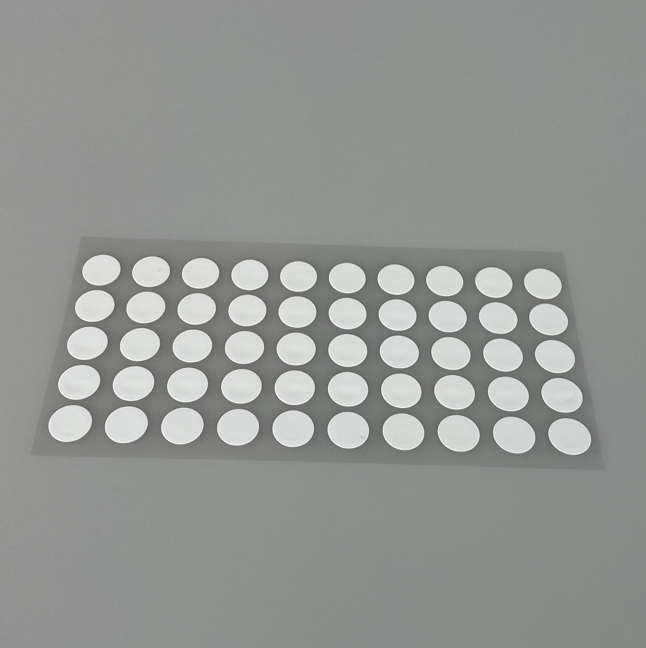
Modern packaging technology has revolutionized how manufacturers protect liquid consumer products during storage and transport. The induction seal has emerged as a critical component in ensuring product integrity, freshness, and safety across various industries. This advanced sealing method creates an airtight barrier that prevents contamination while maintaining optimal product quality from production to consumption. The dual-layer protection system offered by contemporary induction seal solutions addresses the complex challenges faced by manufacturers dealing with liquid products that require extended shelf life and tamper-evident security.
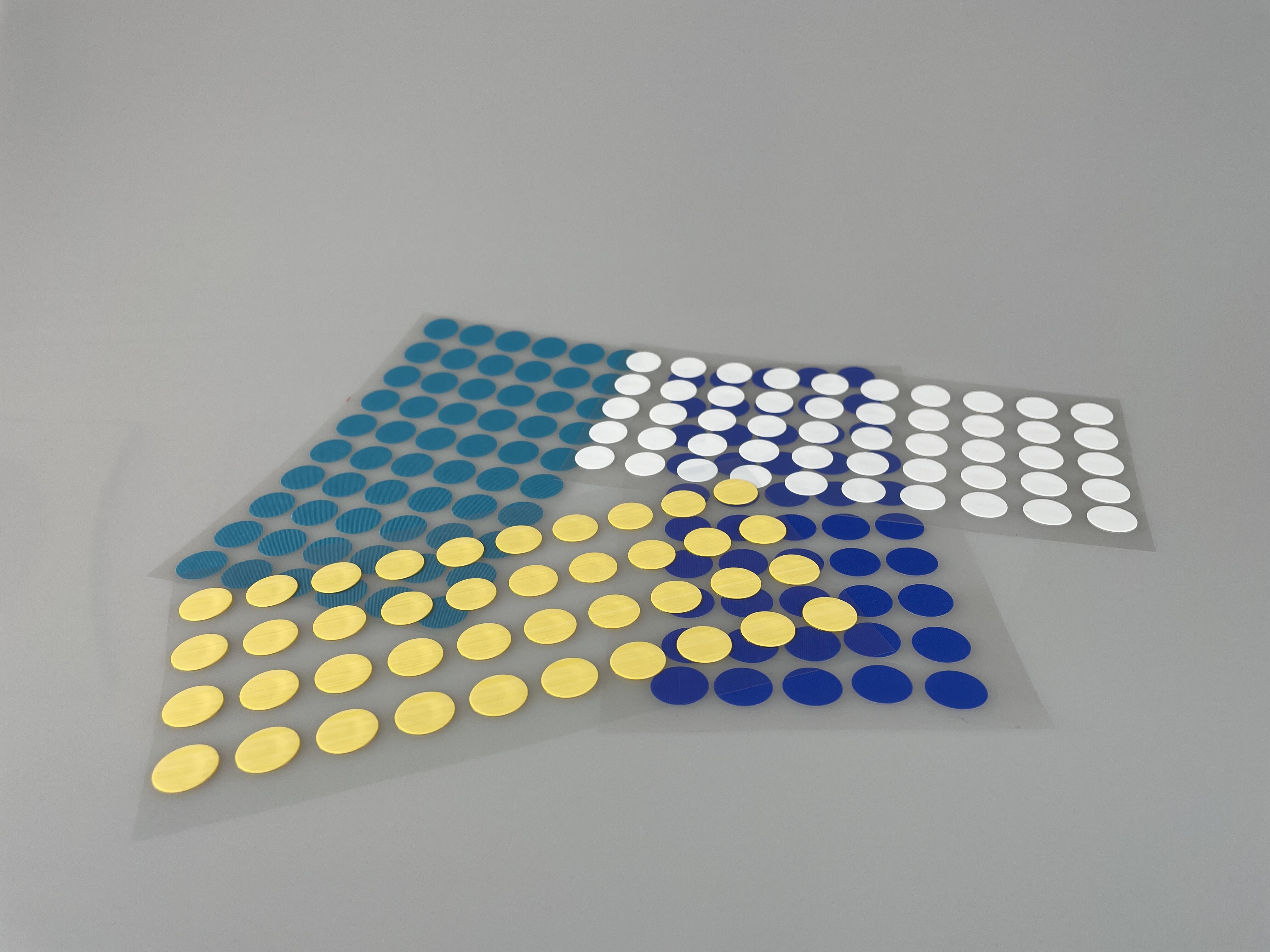
The packaging industry continues to evolve with increasing demands for sustainable, efficient, and reliable sealing solutions. Liquid consumer products face unique challenges including oxidation, contamination, spillage, and tampering during their journey from manufacturing facilities to end consumers. Traditional sealing methods often fall short of providing comprehensive protection, leading to product loss, safety concerns, and reduced consumer confidence. Advanced induction seal technology addresses these limitations by offering superior barrier properties and enhanced security features that meet modern packaging requirements.
Understanding Induction Seal Technology
Electromagnetic Sealing Process
The induction seal operates through electromagnetic heating principles that create molecular bonds between sealing materials and container surfaces. When the sealed container passes through an electromagnetic field, the metallic components within the induction seal generate heat through electromagnetic induction. This controlled heating process activates adhesive layers that form permanent bonds with the container rim, creating an impermeable barrier. The precision of this electromagnetic process ensures consistent seal quality across production runs while minimizing energy consumption compared to traditional heat-sealing methods.
Temperature control during the electromagnetic sealing process is crucial for achieving optimal adhesion without damaging heat-sensitive liquid products. Modern induction seal systems incorporate advanced temperature monitoring and control mechanisms that adjust heating parameters based on container materials, seal composition, and product characteristics. This adaptability allows manufacturers to maintain consistent sealing quality while accommodating diverse product formulations and packaging materials. The electromagnetic nature of the process also enables rapid sealing speeds, increasing production efficiency without compromising seal integrity.
Multi-Layer Construction Benefits
Contemporary induction seal designs feature sophisticated multi-layer constructions that provide enhanced protection for liquid consumer products. The outer layer typically consists of durable polymer materials that resist punctures and provide structural integrity during handling and transport. Beneath this protective layer, specialized barrier films prevent moisture transmission, oxygen infiltration, and volatile compound migration that could compromise product quality. The adhesive layer contains heat-activated compounds that create strong bonds with container surfaces during the induction sealing process.
The innermost layer of advanced induction seal systems often incorporates chemical-resistant materials that maintain compatibility with diverse liquid formulations. This chemical compatibility prevents interactions between the seal material and product contents that could affect taste, odor, or safety characteristics. Additionally, some induction seal configurations include antimicrobial properties that provide additional protection against microbial contamination during storage. The multi-layer approach ensures that each component serves specific protective functions while working synergistically to create comprehensive barrier protection.
Dual-Layer Protection Mechanisms
Primary Barrier Functions
The primary barrier function of an induction seal creates an immediate protective interface between the liquid product and external environment. This barrier prevents direct contact with atmospheric oxygen, moisture, and airborne contaminants that could initiate degradation processes or introduce harmful microorganisms. The primary barrier also maintains product carbonation levels in beverages, preserves volatile flavor compounds in food products, and prevents evaporation of liquid contents. These protective functions are essential for maintaining product quality throughout the intended shelf life period.
Integrity of the primary barrier depends on proper adhesion between the induction seal and container rim surface. Modern seal formulations include adhesive systems that accommodate slight variations in container rim geometry while maintaining consistent bond strength. The primary barrier must also resist pressure changes that occur during transport, temperature fluctuations, and normal handling conditions. Quality induction seal materials incorporate flexibility that allows accommodation of these stresses without compromising barrier properties or creating leak pathways.
Secondary Security Features
Secondary protection layers in advanced induction seal systems provide tamper-evident features that alert consumers to potential product compromise. These security elements include specialized tear patterns, color-change indicators, or structural modifications that become visible when tampering attempts occur. The secondary layer also serves as a backup barrier in case the primary seal experiences minor damage during handling or transport. This redundant protection approach significantly reduces the risk of product contamination or loss due to packaging failures.
The induction seal secondary features often include pressure-relief mechanisms that prevent container deformation under varying atmospheric conditions or temperature changes. These pressure-relief elements maintain container integrity while preserving the protective barrier functions of the primary seal. Advanced designs may incorporate smart materials that provide visual indicators of exposure to excessive temperatures, humidity, or other environmental conditions that could affect product quality. Such features enable supply chain monitoring and quality assurance throughout the distribution process.
Applications in Liquid Consumer Products
Beverage Industry Implementation
The beverage industry relies heavily on induction seal technology to maintain product quality and safety across diverse liquid formulations. Carbonated beverages require specialized induction seal designs that maintain pressure integrity while preventing gas escape during extended storage periods. Non-carbonated beverages benefit from oxygen barrier properties that prevent oxidation and preserve flavor profiles. Alcoholic beverages utilize induction seal systems that maintain alcohol content and prevent contamination while providing tamper-evident security features required by regulatory standards.
Fruit juices and dairy-based beverages present unique challenges that modern induction seal technology addresses through specialized barrier formulations. These products often contain acidic compounds or proteins that could interact with packaging materials, requiring careful selection of seal compositions that maintain chemical compatibility. The induction seal systems used in beverage applications must also accommodate high-speed filling operations while maintaining consistent seal quality across large production volumes. Temperature resistance is particularly important for products that may experience pasteurization or sterilization processes after sealing.
Personal Care and Cosmetic Products
Personal care and cosmetic liquid products benefit significantly from dual-layer induction seal protection systems. These products often contain expensive active ingredients, fragrances, or specialized formulations that require protection from environmental degradation. The induction seal prevents evaporation of volatile components that contribute to product efficacy and consumer appeal. Additionally, the tamper-evident features of modern induction seal systems help maintain brand integrity and consumer confidence in product authenticity.
Cosmetic formulations frequently include oils, emulsions, or suspension systems that could separate or degrade if exposed to air or contaminants. The barrier properties of advanced induction seal technology maintain product homogeneity and prevent oxidation that could cause color changes or texture modifications. The chemical resistance of induction seal materials ensures compatibility with diverse cosmetic ingredients including acids, bases, and organic solvents commonly used in personal care formulations. This compatibility prevents ingredient migration into seal materials and maintains product purity throughout the shelf life period.
Manufacturing and Quality Considerations
Production Line Integration
Successful implementation of induction seal technology requires careful integration with existing production line equipment and processes. Modern induction sealing systems offer adjustable parameters that accommodate different container sizes, seal materials, and production speeds without compromising quality. The electromagnetic heating systems must be properly calibrated to ensure consistent heat distribution across the sealing surface while avoiding overheating that could damage heat-sensitive products. Production line integration also involves quality control systems that monitor seal integrity and detect potential defects during the manufacturing process.
Automation compatibility is essential for high-volume production environments where induction seal application must maintain pace with filling and capping operations. Modern sealing equipment incorporates sensors and feedback systems that automatically adjust sealing parameters based on real-time conditions. These systems can detect variations in container positioning, seal material thickness, or ambient temperature that might affect sealing quality. The integration of induction seal technology with production line management systems enables comprehensive tracking and quality assurance throughout the manufacturing process.
Quality Assurance Protocols
Quality assurance protocols for induction seal applications involve multiple testing methods that verify barrier integrity, adhesion strength, and tamper-evident functionality. Leak detection systems utilize pressure decay testing, vacuum testing, or tracer gas methods to identify potential seal failures before products reach distribution channels. Adhesion testing ensures that the induction seal maintains adequate bond strength under normal handling conditions while still allowing consumer removal when intended. These testing protocols help manufacturers maintain consistent quality standards and reduce the risk of product recalls due to packaging failures.
Environmental testing simulates the conditions that sealed products may encounter during storage and transport, including temperature cycling, humidity exposure, and vibration stress. These tests validate that the induction seal maintains protective properties under realistic distribution conditions. Accelerated aging studies help predict long-term performance and identify potential degradation mechanisms that could affect seal integrity over time. Comprehensive quality assurance programs also include periodic audits of sealing equipment performance and seal material consistency to ensure continued compliance with specifications.
Environmental and Sustainability Aspects
Material Selection and Recycling
Modern induction seal technology incorporates sustainable material selection practices that minimize environmental impact while maintaining protective performance. Manufacturers increasingly utilize recyclable polymers and biodegradable components in seal construction where compatible with performance requirements. The reduction of material thickness through advanced barrier technologies decreases overall packaging material consumption while maintaining or improving protective properties. These sustainability initiatives align with growing consumer demand for environmentally responsible packaging solutions.
Recycling compatibility considerations influence induction seal design to ensure that sealed containers can be processed effectively in existing recycling streams. The removal characteristics of modern induction seal systems allow easy separation from containers during recycling operations without leaving significant residues that could contaminate recycled materials. Some advanced induction seal formulations incorporate water-soluble or biodegradable adhesive systems that facilitate container cleaning and material recovery. These environmental considerations help manufacturers meet sustainability goals while maintaining product protection requirements.
Energy Efficiency in Sealing Operations
Energy efficiency in induction sealing operations contributes to overall sustainability while reducing manufacturing costs. Modern electromagnetic induction systems achieve higher energy transfer efficiency compared to traditional heating methods, reducing power consumption per sealed unit. The precise control of heating parameters prevents energy waste while ensuring consistent seal quality. Advanced induction sealing equipment incorporates power management systems that optimize energy usage based on production requirements and seal specifications.
The rapid heating and cooling cycles characteristic of induction sealing processes minimize total energy input while achieving reliable bond formation. This efficiency advantage becomes particularly significant in high-volume production environments where energy costs represent a substantial portion of manufacturing expenses. The reduced thermal mass requirements of induction sealing systems also enable faster startup and shutdown cycles, further improving energy efficiency and operational flexibility. These efficiency improvements support both environmental sustainability goals and economic competitiveness in packaging operations.
Future Developments and Innovations
Smart Packaging Integration
The integration of smart packaging technologies with induction seal systems represents a significant advancement in product protection and supply chain monitoring. Smart induction seal designs incorporate sensors or indicators that provide real-time information about package integrity, environmental exposure, or product condition. These technologies enable proactive quality management and enhance traceability throughout the distribution process. The development of printed electronics and flexible sensors creates opportunities for incorporating sophisticated monitoring capabilities directly into induction seal structures.
Radio frequency identification technology integration with induction seal systems enables automated tracking and authentication of liquid consumer products. These smart packaging solutions can provide tamper detection, temperature monitoring, and product authentication features that enhance security and quality assurance. The miniaturization of electronic components allows integration without significantly increasing seal thickness or compromising protective properties. Future developments may include wireless communication capabilities that enable remote monitoring of product conditions during storage and transport.
Advanced Material Technologies
Advanced material technologies continue to expand the capabilities of induction seal systems for liquid consumer products. Nanotechnology applications include the development of nanocomposite barrier materials that provide superior gas and moisture protection with reduced material thickness. These advanced materials enable lighter packaging while maintaining or improving protective performance. The incorporation of functional nanoparticles can provide antimicrobial properties, oxygen scavenging capabilities, or other specialized functions that enhance product protection.
Biodegradable and bio-based materials development focuses on creating sustainable induction seal solutions without compromising protective performance. These materials utilize renewable feedstocks and designed degradation pathways that minimize environmental impact at end-of-life. Advanced polymer chemistry enables the development of materials with tailored properties that optimize performance for specific liquid product applications. The continued advancement of material science provides opportunities for creating increasingly sophisticated induction seal systems that meet evolving market requirements while supporting sustainability objectives.
FAQ
How long does an induction seal maintain its protective properties
The protective properties of a quality induction seal can maintain effectiveness for 12 to 24 months or longer, depending on storage conditions and product characteristics. The barrier integrity depends on factors including temperature exposure, humidity levels, and the specific formulation of both the seal material and the liquid product. Proper storage in controlled environments significantly extends the protective lifespan, while extreme temperatures or chemical interactions may reduce effectiveness over time.
Can induction seals be used with all types of liquid consumer products
While induction seal technology is compatible with most liquid consumer products, certain highly acidic, strongly alkaline, or solvent-based formulations may require specialized seal materials. The key is selecting appropriate induction seal compositions that provide chemical compatibility with the specific product while maintaining barrier properties. Manufacturers typically conduct compatibility testing to ensure that the seal material does not interact adversely with the product contents or compromise protective performance.
What happens if an induction seal is damaged during transport
Minor damage to an induction seal may compromise its protective properties and potentially allow contamination or product loss. However, advanced dual-layer protection systems include secondary barriers that provide backup protection in case of primary seal damage. Tamper-evident features help identify compromised packages so they can be removed from distribution channels. Quality induction seal systems are designed to withstand normal handling stresses, but significant impacts or punctures may require product inspection or replacement.
Are induction seals environmentally safe for food contact applications
Modern induction seal materials used for food contact applications comply with relevant food safety regulations including FDA standards for food contact substances. The materials undergo rigorous testing to ensure they do not migrate harmful compounds into food products under normal storage conditions. Many induction seal formulations utilize food-grade polymers and adhesives that maintain safety while providing effective barrier protection. Regular regulatory compliance testing ensures continued safety for consumer applications.
