 EN
EN
 AR
AR
 CS
CS
 FR
FR
 DE
DE
 IT
IT
 JA
JA
 KO
KO
 PT
PT
 RU
RU
 ES
ES
 ID
ID
 VI
VI
 TH
TH
 TR
TR
 MS
MS

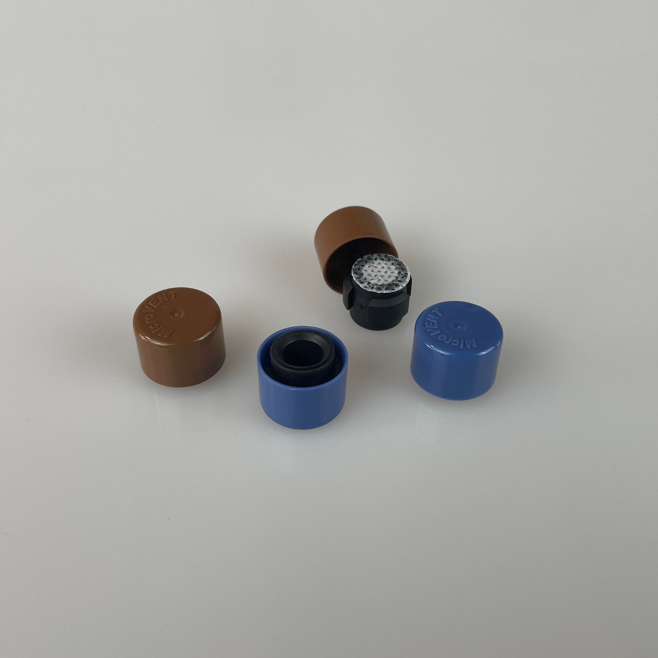
Advanced filtration applications across industrial sectors demand membrane solutions that can simultaneously provide superior water resistance while maintaining essential airflow capabilities. The breakthrough technology of breathable ePTFE membrane materials represents a significant evolution in protective barrier engineering, offering unprecedented performance characteristics that address complex environmental challenges in demanding operational conditions.
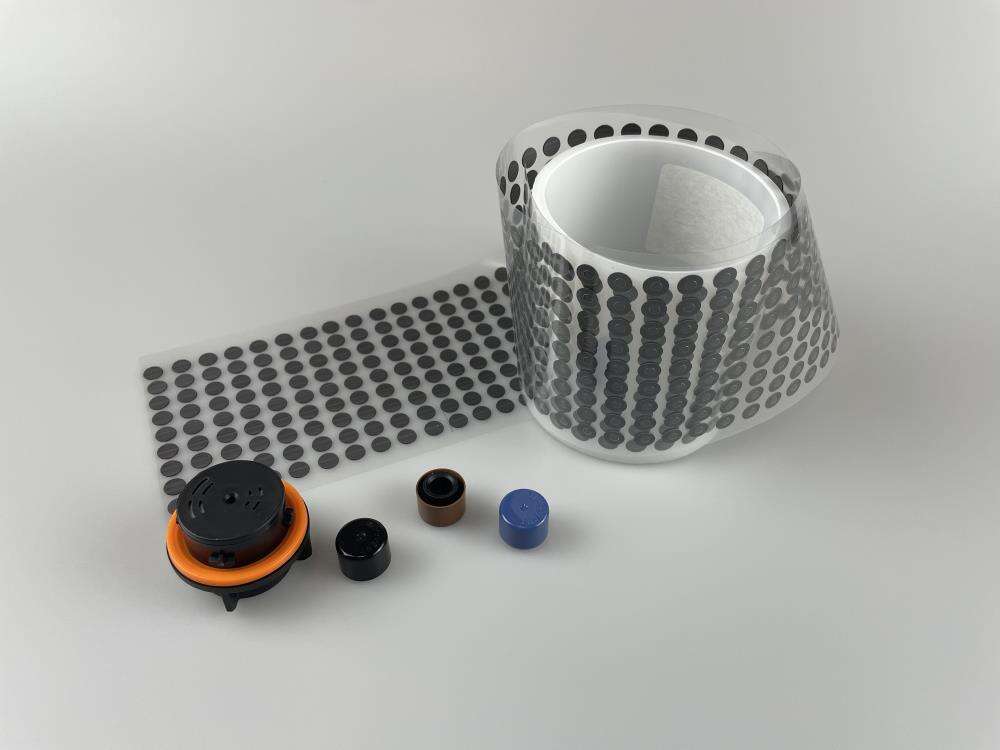
The MicroVent® technology platform leverages the unique microporous structure of expanded polytetrafluoroethylene to create membrane systems that excel in selective permeability applications. This innovative breathable ePTFE membrane architecture enables precise control over molecular transport, allowing air molecules to pass through while creating an impenetrable barrier against liquid water intrusion, making it ideal for critical protective applications across multiple industries.
Fundamental Properties of High-Performance Breathable ePTFE Membrane Technology
Microporous Structure and Selective Permeability Mechanisms
The effectiveness of breathable ePTFE membrane technology stems from its precisely engineered microporous architecture, where pore sizes typically range between 0.1 and 0.5 microns in diameter. This controlled porosity creates a selective barrier that allows gas molecules to pass freely while blocking liquid water droplets, which are significantly larger than the membrane pores. The breathable ePTFE membrane structure maintains consistent performance across varying environmental conditions, ensuring reliable protection without compromising airflow requirements.
Advanced manufacturing processes ensure that each breathable ePTFE membrane exhibits uniform pore distribution and optimal density characteristics. The membrane's hydrophobic surface properties further enhance water resistance, creating contact angles that promote liquid repulsion while maintaining gas permeability. This dual functionality makes breathable ePTFE membrane materials particularly valuable in applications where moisture protection and pressure equalization must coexist.
Chemical Resistance and Durability Characteristics
The chemical inertness of PTFE provides breathable ePTFE membrane products with exceptional resistance to aggressive chemicals, solvents, and environmental contaminants. This inherent stability ensures that membrane performance remains consistent even when exposed to harsh industrial environments, making breathable ePTFE membrane solutions suitable for chemical processing, automotive, and aerospace applications where traditional materials would degrade rapidly.
Long-term durability studies demonstrate that properly engineered breathable ePTFE membrane systems maintain their selective permeability characteristics over extended operational periods. The membrane structure resists physical degradation from thermal cycling, mechanical stress, and environmental exposure, providing reliable performance that reduces maintenance requirements and extends service life in demanding applications.
Industrial Applications and Performance Requirements
Electronic Enclosure Protection Systems
Modern electronic equipment requires sophisticated protection against moisture ingress while maintaining pressure equalization capabilities to prevent seal failure and condensation formation. Breathable ePTFE membrane solutions provide the precise balance of water resistance and airflow that sensitive electronic components demand. The membrane technology enables sealed enclosures to respond to atmospheric pressure changes without compromising their protective integrity.
High-frequency switching electronics and precision instruments benefit significantly from breathable ePTFE membrane integration, as the technology prevents pressure differential buildup that could damage delicate seals or create thermal stress on components. Advanced breathable ePTFE membrane designs accommodate rapid pressure transitions while maintaining consistent moisture barrier performance across varying operational temperatures.
Automotive and Transportation Applications
Vehicle lighting systems, engine control modules, and transmission components require reliable protection against water intrusion while allowing internal pressure regulation. Breathable ePTFE membrane technology addresses these challenges by providing durable barrier solutions that withstand the mechanical vibration, temperature extremes, and chemical exposure typical in automotive environments.
Advanced transportation systems increasingly rely on breathable ePTFE membrane integration for critical safety components, including sensor housings, battery compartments, and electronic control units. The membrane technology ensures that these systems maintain optimal performance while protecting against environmental contamination that could compromise vehicle safety and reliability.
Design Optimization and Integration Strategies
Membrane Sizing and Flow Rate Calculations
Proper breathable ePTFE membrane sizing requires careful analysis of the protected volume, expected pressure differentials, and required response times for pressure equalization. Engineering calculations must account for membrane area, thickness, and porosity characteristics to ensure adequate airflow capacity while maintaining water resistance performance. The breathable ePTFE membrane selection process involves balancing these parameters against specific application requirements.
Flow rate optimization for breathable ePTFE membrane installations depends on understanding the relationship between pressure differential and gas permeability. Higher pressure differentials increase flow rates through the membrane, but excessive pressure can compromise water resistance performance. Proper breathable ePTFE membrane design ensures that normal operating pressure ranges provide sufficient airflow without exceeding water breakthrough thresholds.
Installation Methods and Mounting Considerations
Effective breathable ePTFE membrane installation requires attention to mounting surface preparation, seal design, and environmental protection of the membrane edges. The mounting interface must provide uniform compression around the membrane perimeter while avoiding excessive force that could damage the microporous structure. Proper breathable ePTFE membrane installation ensures long-term performance and prevents edge sealing failures that could compromise system protection.
Advanced mounting systems for breathable ePTFE membrane applications incorporate protective features that shield the membrane from direct impact, UV exposure, and chemical contact while maintaining access for gas exchange. These design considerations extend membrane service life and ensure consistent performance across varying environmental conditions that could otherwise degrade breathable ePTFE membrane functionality.
Performance Testing and Quality Assurance
Water Resistance Testing Protocols
Comprehensive testing of breathable ePTFE membrane water resistance involves multiple standardized protocols that evaluate performance under varying pressure conditions, exposure durations, and water contact angles. These tests ensure that the membrane maintains its protective barrier function while confirming that airflow characteristics remain within acceptable parameters. Breathable ePTFE membrane quality control includes both initial certification testing and periodic validation throughout the product lifecycle.
Advanced testing methodologies for breathable ePTFE membrane evaluation incorporate real-world simulation conditions that replicate the environmental stresses encountered in actual applications. These comprehensive test protocols verify that membrane performance remains consistent across temperature ranges, humidity levels, and mechanical stress conditions that could affect the microporous structure integrity.
Airflow Capacity Verification Methods
Precise measurement of breathable ePTFE membrane airflow characteristics requires controlled testing environments that eliminate external variables while accurately measuring gas permeability rates. Testing protocols evaluate membrane performance across various pressure differentials to establish flow rate curves that guide proper application sizing. These measurements ensure that breathable ePTFE membrane installations provide adequate pressure equalization capabilities for their intended applications.
Long-term airflow testing of breathable ePTFE membrane samples provides valuable data on performance stability and degradation patterns under continuous operation. This testing helps establish maintenance schedules and replacement intervals that ensure continued protection without compromising system functionality. Regular verification of breathable ePTFE membrane performance supports proactive maintenance strategies that prevent system failures.
Future Developments and Technology Advancement
Enhanced Membrane Architectures
Research into advanced breathable ePTFE membrane structures focuses on developing multi-layer configurations that optimize the balance between water resistance and airflow capacity. These next-generation designs incorporate gradient porosity profiles and surface treatments that enhance performance characteristics while maintaining the fundamental advantages of ePTFE technology. Innovation in breathable ePTFE membrane manufacturing processes enables more precise control over pore structure and distribution.
Emerging breathable ePTFE membrane technologies explore integration with smart materials that can respond to environmental conditions, potentially offering variable permeability characteristics that adapt to changing operational requirements. These adaptive membrane systems could provide enhanced protection during extreme weather events while maintaining optimal airflow during normal operating conditions.
Sustainable Manufacturing and Recycling Initiatives
Environmental considerations drive development of more sustainable breathable ePTFE membrane production methods that reduce manufacturing waste and energy consumption while maintaining product quality standards. Advanced recycling techniques for end-of-life breathable ePTFE membrane materials support circular economy initiatives and reduce environmental impact across the product lifecycle.
Future breathable ePTFE membrane technologies will likely incorporate bio-based materials and renewable manufacturing processes that align with sustainability goals while preserving the essential performance characteristics that make ePTFE technology valuable for protective applications. These developments support environmental responsibility without compromising the technical advantages of breathable ePTFE membrane solutions.
FAQ
How does a breathable ePTFE membrane maintain water resistance while allowing airflow?
The breathable ePTFE membrane achieves selective permeability through its precisely controlled microporous structure, where pore sizes typically range from 0.1 to 0.5 microns. These pores are large enough for air molecules to pass through freely but too small for liquid water droplets, which are significantly larger. The hydrophobic surface properties of the ePTFE material further enhance water resistance by promoting liquid repulsion while maintaining gas permeability.
What are the typical pressure ratings for breathable ePTFE membrane applications?
Breathable ePTFE membrane pressure ratings vary depending on membrane thickness and pore structure, but typical water breakthrough pressures range from 10 to 100 psi. The specific pressure rating depends on the intended application and required safety margins. For most industrial applications, operating pressures remain well below breakthrough thresholds to ensure reliable water resistance while maintaining adequate airflow capacity.
How long do breathable ePTFE membrane installations typically last in industrial environments?
Properly installed breathable ePTFE membrane systems typically provide 3 to 5 years of reliable service in standard industrial environments, with some applications achieving longer service life depending on environmental conditions and maintenance practices. The chemical inertness and structural stability of ePTFE contribute to extended operational life, while regular inspection and replacement based on performance testing ensure continued protection.
Can breathable ePTFE membrane technology be customized for specific industrial requirements?
Yes, breathable ePTFE membrane solutions can be engineered with specific pore sizes, thicknesses, and mounting configurations to meet particular application requirements. Customization options include varying membrane area, incorporating protective backing materials, and designing specialized mounting systems that integrate with existing equipment designs. This flexibility allows breathable ePTFE membrane technology to address unique challenges across diverse industrial applications.
Table of Contents
- Fundamental Properties of High-Performance Breathable ePTFE Membrane Technology
- Industrial Applications and Performance Requirements
- Design Optimization and Integration Strategies
- Performance Testing and Quality Assurance
- Future Developments and Technology Advancement
-
FAQ
- How does a breathable ePTFE membrane maintain water resistance while allowing airflow?
- What are the typical pressure ratings for breathable ePTFE membrane applications?
- How long do breathable ePTFE membrane installations typically last in industrial environments?
- Can breathable ePTFE membrane technology be customized for specific industrial requirements?
