 EN
EN
 AR
AR
 CS
CS
 FR
FR
 DE
DE
 IT
IT
 JA
JA
 KO
KO
 PT
PT
 RU
RU
 ES
ES
 ID
ID
 VI
VI
 TH
TH
 TR
TR
 MS
MS

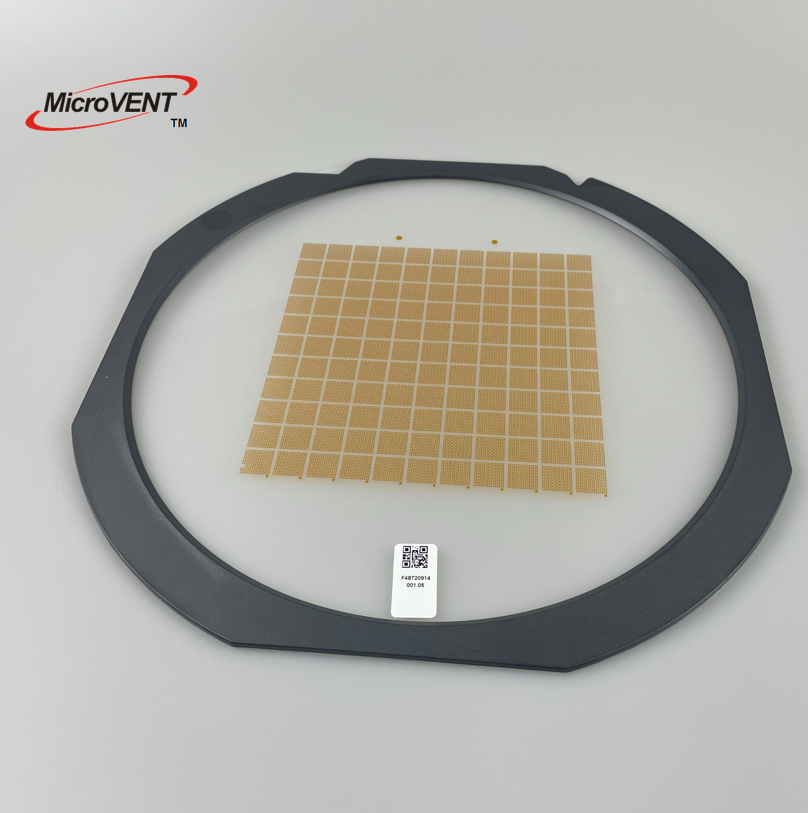
Modern electronic devices face a critical design challenge that requires sophisticated engineering solutions. When manufacturers need to protect sensitive internal components from moisture while maintaining clear audio transmission, acoustic vents emerge as the essential technology that bridges this gap. These specialized components have revolutionized how we approach waterproof design in smartphones, hearing aids, outdoor speakers, and countless other electronic applications where both protection and performance are non-negotiable requirements.
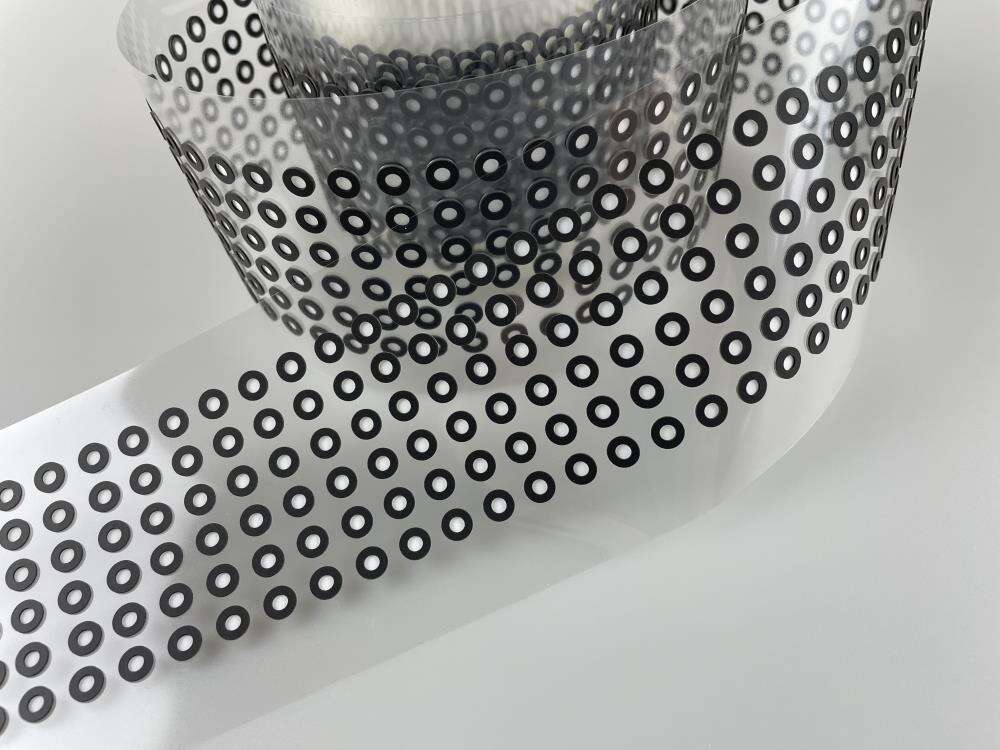
Understanding Acoustic Vent Technology
The Science Behind Sound Transmission
The fundamental principle governing acoustic vents lies in their ability to create selective permeability through microscopic membrane structures. These membranes contain precisely engineered pores that allow sound waves to pass through while blocking liquid water molecules. The pore size typically ranges from 0.1 to 20 micrometers, creating a barrier that water droplets cannot penetrate due to surface tension effects. This selective filtering mechanism ensures that audio frequencies remain unimpeded while maintaining robust waterproof protection.
Sound transmission occurs through pressure wave propagation, where alternating compressions and rarefactions move through the membrane material. The acoustic properties depend heavily on the membrane thickness, porosity percentage, and pore distribution patterns. Advanced manufacturing techniques create uniform pore structures that minimize acoustic resistance while maximizing water entry pressure. This delicate balance requires precise control over material composition and processing parameters to achieve optimal performance characteristics.
Material Engineering and Membrane Construction
Modern acoustic vents utilize expanded polytetrafluoroethylene (ePTFE) membranes that provide exceptional chemical resistance and temperature stability. The membrane manufacturing process involves stretching PTFE under controlled conditions to create a microporous structure with interconnected pathways. These pathways allow air and sound to pass freely while presenting a barrier to liquid water due to hydrophobic surface properties and capillary pressure effects.
The membrane support structure plays a crucial role in maintaining mechanical integrity while preserving acoustic performance. Protective layers, typically made from woven fabrics or perforated films, shield the delicate membrane from physical damage during assembly and use. These support materials must be carefully selected to avoid introducing unwanted acoustic resonances or reducing overall sound transmission efficiency. The complete vent assembly integrates multiple layers to create a robust solution that withstands environmental stresses while delivering consistent performance.
Waterproofing Mechanisms and Performance Standards
Water Entry Pressure Principles
The waterproofing effectiveness of acoustic vents depends on the water entry pressure, which represents the minimum pressure required to force liquid water through the membrane pores. This parameter is governed by the Young-Laplace equation, which relates surface tension, contact angle, and pore geometry to determine breakthrough pressure. Typical acoustic vents achieve water entry pressures ranging from 1 to 10 meters of water column, providing protection against rain, splashing, and temporary submersion scenarios.
Surface treatment technologies enhance the hydrophobic properties of membrane materials, increasing water entry pressure and improving long-term reliability. Fluorochemical coatings create low-energy surfaces that maximize contact angles with water droplets, effectively increasing the pressure barrier against liquid penetration. These treatments must be applied uniformly across the entire membrane surface to prevent weak points that could compromise waterproof integrity under stress conditions.
Environmental Testing and Validation Methods
Comprehensive testing protocols ensure that acoustic vents meet stringent waterproofing requirements across various environmental conditions. Standard test methods include hydrostatic pressure testing, where assembled vents are subjected to increasing water pressure until breakthrough occurs. Additional tests evaluate performance under dynamic conditions, including pressure cycling, temperature extremes, and chemical exposure scenarios that simulate real-world operating environments.
Accelerated aging tests assess long-term durability by exposing acoustic vents to elevated temperatures, humidity cycles, and ultraviolet radiation. These tests reveal potential degradation mechanisms that could compromise waterproof performance over extended periods. Salt spray testing evaluates corrosion resistance for marine applications, while freeze-thaw cycling assesses integrity under extreme temperature variations. The combination of these test methods provides comprehensive validation of waterproof performance across the expected product lifetime.
Sound Transparency Optimization
Acoustic Frequency Response Characteristics
Optimizing sound transparency requires careful analysis of frequency response characteristics across the audible spectrum and beyond. Acoustic vents must maintain consistent transmission properties from low-frequency bass tones through high-frequency harmonics to preserve audio fidelity. The membrane structure introduces acoustic impedance that varies with frequency, creating potential resonances or roll-off effects that must be carefully managed through design optimization.
Membrane thickness directly impacts acoustic performance, with thinner membranes generally providing better high-frequency transmission but potentially compromising mechanical strength. The porosity percentage affects overall acoustic resistance, where higher porosity improves sound transmission but may reduce water entry pressure. Advanced computational modeling helps optimize these competing parameters to achieve the best balance between acoustic performance and waterproof protection.
Minimizing Acoustic Losses and Distortion
Acoustic losses occur through several mechanisms including viscous friction within membrane pores, reflection at impedance discontinuities, and absorption in membrane materials. Minimizing these losses requires careful attention to pore geometry, surface smoothness, and material selection. Tapered pore structures reduce turbulent flow effects that can introduce nonlinear distortion, while smooth pore walls minimize viscous losses that attenuate high-frequency content.
Mounting design significantly influences overall acoustic performance by controlling how sound waves couple between the internal air volume and external environment. Proper vent positioning avoids acoustic short-circuits that could reduce low-frequency response, while ensuring adequate coupling for efficient sound transmission. The acoustic cavity design must consider resonances and standing wave effects that could color the frequency response or introduce unwanted peaks and nulls in the transmission characteristics.
Industrial Applications and Design Considerations
Consumer Electronics Integration
Consumer electronics applications drive significant innovation in acoustic vent technology, with smartphones representing the most demanding application environment. These devices require multiple acoustic vents to protect speakers, microphones, and pressure sensors while maintaining IP67 or IP68 waterproof ratings. The compact form factors demand miniaturized vent solutions that deliver high performance in extremely limited space allocations.
Hearing aid applications present unique challenges due to the need for superior acoustic transparency combined with moisture protection in high-humidity environments. The proximity to the human ear canal requires careful consideration of biocompatibility and long-term stability under body temperature and humidity conditions. Advanced vent designs incorporate antimicrobial treatments to prevent bacterial growth that could compromise device hygiene or user health.
Automotive and Industrial Equipment Applications
Automotive applications expose acoustic vents to extreme temperature ranges, vibration, and chemical contaminants that demand robust construction and specialized material selection. Engine control units, sensors, and communication devices require reliable pressure equalization while maintaining protection against road spray, washing, and environmental moisture. The long service life expectations in automotive applications necessitate extensive durability testing and proven material compatibility.
Industrial equipment applications often involve harsh chemical environments, extreme temperatures, and high-pressure cleaning procedures that challenge standard vent designs. Specialized acoustic vents for these applications may incorporate chemical-resistant membranes, reinforced support structures, and sealed mounting systems that withstand aggressive cleaning agents and sterilization procedures. The ability to maintain performance after repeated exposure to these conditions is critical for industrial acceptance and reliability.
Advanced Manufacturing and Quality Control
Precision Manufacturing Processes
Manufacturing acoustic vents requires precise control over membrane formation, assembly processes, and quality verification procedures. The membrane stretching process must achieve uniform pore distribution and consistent thickness across the entire membrane area. Automated control systems monitor stretching parameters including temperature, strain rate, and environmental conditions to ensure reproducible membrane properties that meet strict acoustic and waterproof specifications.
Assembly operations integrate multiple components while maintaining critical dimensional tolerances and seal integrity. Adhesive application systems ensure uniform bonding without compromising membrane porosity or acoustic pathways. Automated inspection systems verify proper component alignment, adhesive coverage, and final assembly dimensions before packaging. These quality control measures prevent defects that could compromise field performance or customer satisfaction.
Testing and Validation Protocols
Comprehensive testing protocols validate both individual component performance and complete assembly functionality across specified operating ranges. Acoustic testing measures frequency response, total harmonic distortion, and noise floor characteristics using precision measurement equipment and standardized test procedures. Waterproof testing verifies seal integrity under various pressure and environmental conditions to ensure reliable protection throughout the product lifetime.
Statistical process control methods track manufacturing variations and identify trends that could indicate process drift or quality issues. Control charts monitor key parameters including water entry pressure, acoustic transmission loss, and dimensional characteristics across production batches. This data enables proactive adjustments to maintain consistent quality and prevent customer issues that could result from specification deviations.
FAQ
What factors determine the waterproof rating of acoustic vents
The waterproof rating depends on several key factors including water entry pressure, membrane hydrophobic properties, and seal design integrity. Water entry pressure, typically measured in meters of water column, represents the maximum pressure that can be applied before water breakthrough occurs. Higher water entry pressures provide better protection against submersion and high-pressure water exposure. The membrane material and surface treatment determine hydrophobic characteristics that resist water penetration, while proper seal design ensures no bypass paths exist around the membrane edges.
How do acoustic vents affect the overall sound quality of electronic devices
Acoustic vents introduce minimal impact on sound quality when properly designed and integrated into the device architecture. The membrane structure may cause slight high-frequency attenuation or introduce subtle resonances, but advanced designs minimize these effects through careful material selection and pore optimization. The overall impact on perceived sound quality is typically negligible for most applications, with the waterproof protection benefits far outweighing any minor acoustic compromises. Proper integration with the device's acoustic design ensures optimal performance across the intended frequency range.
What maintenance requirements do acoustic vents have over their operational lifetime
Acoustic vents are designed as maintenance-free components that provide reliable performance throughout the device lifetime without user intervention. The hydrophobic membrane materials resist contamination buildup and maintain their protective properties under normal operating conditions. However, extreme environmental exposure or physical damage may compromise performance, requiring device evaluation or replacement. Regular functionality testing through device operation can identify potential issues, but the vents themselves require no periodic cleaning, adjustment, or replacement under typical use scenarios.
Can acoustic vents be customized for specific application requirements
Yes, acoustic vents can be extensively customized to meet specific application requirements including size constraints, environmental conditions, and performance specifications. Membrane materials, pore structures, and support layers can be tailored to optimize the balance between waterproof protection and acoustic transparency for each application. Custom mounting configurations, adhesive systems, and protective treatments address unique installation requirements and environmental challenges. Manufacturers work closely with customers to develop optimized solutions that meet both technical specifications and manufacturing constraints for successful integration into end products.
