 EN
EN
 AR
AR
 CS
CS
 FR
FR
 DE
DE
 IT
IT
 JA
JA
 KO
KO
 PT
PT
 RU
RU
 ES
ES
 ID
ID
 VI
VI
 TH
TH
 TR
TR
 MS
MS

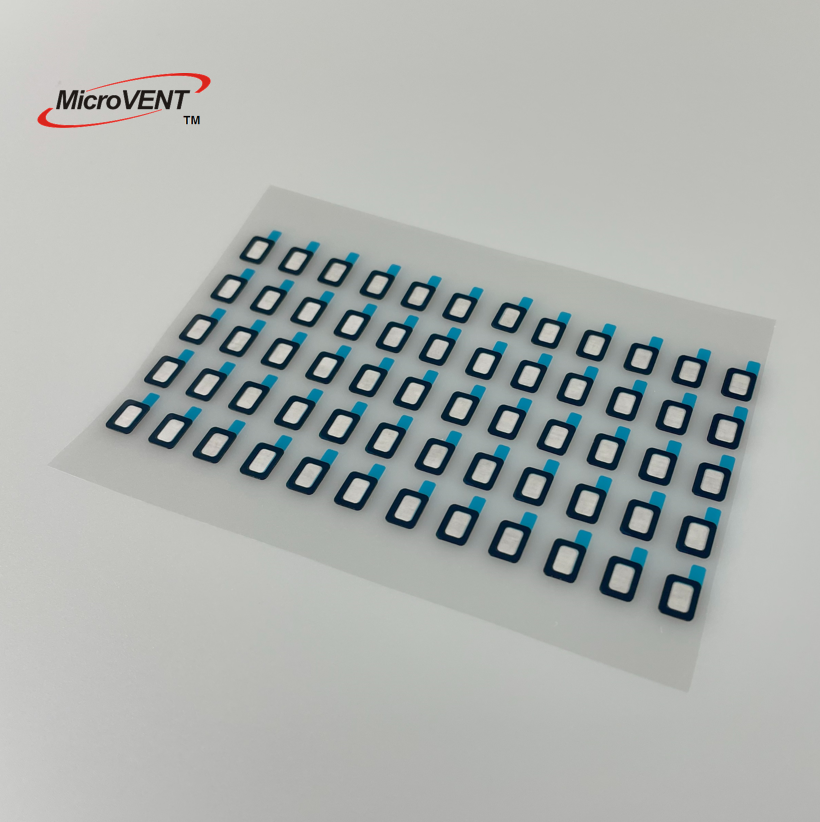
Dış mekânda kullanılan telekomünikasyon muhafazaları için doğru MicroVENT cıvatasını seçmek, çevresel faktörlerin, malzeme özelliklerinin ve montaj gereksinimlerinin dikkatli bir şekilde değerlendirilmesini gerektirir. Bu özel havalandırma çözümleri, optimum basınç koşullarını korurken hassas elektronik ekipmanları nem, toz ve diğer çevresel kirleticilerden korumada kritik bir rol oynar. Her bir MicroVENT cıvata varyantının teknik özellikleri ve performans karakteristiklerini anlamak, zorlu dış mekân uygulamalarında güvenilir uzun vadeli çalışma sağlar.
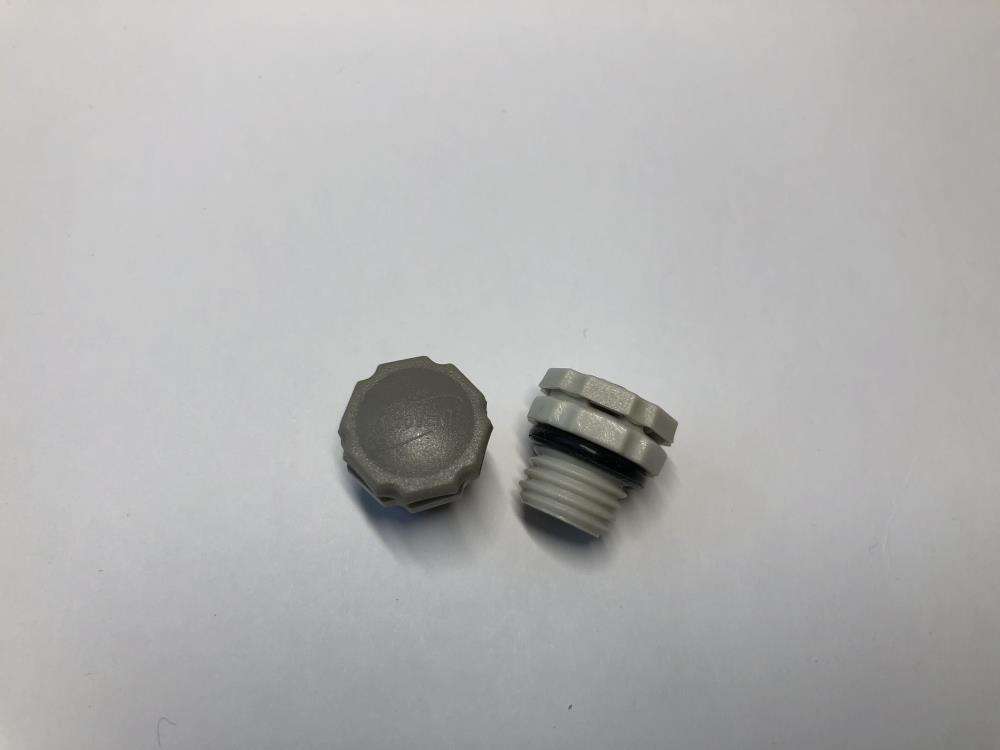
Telekomünikasyon altyapısı, aşırı hava koşulları, sıcaklık dalgalanmaları ve aşındırıcı unsurlara maruz kalma gibi artan zorluklarla karşı karşıyadır. MicroVENT cıvatası seçim süreci, bu çevresel stres faktörlerini dikkate almalı ve ekipman yaşam döngüsü boyunca tutarlı performans sağlamalıdır. Profesyonel mühendisler ve montaj ekipleri, muhafaza bütünlüğünü korumak ve basınç dengesizlikleri veya nem girişi nedeniyle oluşan maliyetli ekipman arızalarını önlemek için kanıtlanmış havalandırma teknolojilerine güvenir.
Modern telekomünikasyon muhafazaları, değişen atmosferik koşullara dinamik olarak yanıt veren gelişmiş basınç dengeleme sistemleri gerektirir. MicroVENT cıvatası, bu sistemlerde kritik bir bileşen olarak görev yapar ve dış kirleticilere karşı koruyucu bariyeri korurken kontrollü havalandırma sağlar. Doğru seçim kriterleri; malzeme uyumluluğu, vida özelliklerini, basınç sınıfını ve belirli uygulama gereksinimleriyle uyumlu çevresel sertifikaları kapsar.
Malzeme Yapısı ve Dayanıklılık Faktörleri
Korozyon Direnç Özellikleri
Bir MicroVENT cıvatasının malzeme bileşimi, açık alanda telekomünikasyon ortamlarında uzun vadeli performansını doğrudan etkiler. Paslanmaz çelikten imal edilen ürünler, özellikle tuzlu sisin metal aşınmasını hızlandırdığı kıyı bölgelerinde, standart karbon çelik alternatiflerine kıyasla üstün korozyon direnci sunar. Denizcilik sınıfı paslanmaz çelik alaşımları, sert çevresel koşullara maruz kalan telekomünikasyon altyapısında yaygın olarak görülen çukur korozyonu ve gerilim çatlamasına karşı artırılmış koruma sağlar.
Özel telekomünikasyon uygulamaları için bir MicroVENT cıvatası seçilirken kimyasal uyumluluk giderek daha önemli hâle gelir. Endüstriyel ortamlar, muhafazaları asidik bileşiklere, alkali çözeltilere veya belirli metal alaşımlarıyla olumsuz etkileşime girebilen organik çözücülere maruz bırakabilir. Detaylı malzeme testleri, seçilen MicroVENT cıvatasının uzun süreli maruziyet dönemleri boyunca yapısal bütünlüğünü ve sızdırmazlık performansını korumasını sağlar.
Yüzey işlemler ve koruyucu kaplamalar, zorlu dış mekân ortamlarında MicroVENT cıvata montajlarının işletme ömrünü uzatır. Anodizasyon, pasivasyon ve özel polimer kaplamalar, doğru sızdırmazlık performansı için gerekli olan hassas boyutsal toleransları korurken korozyona karşı ekstra bir bariyer oluşturur. Bu işlemler, sanayi bölgelerinde veya yüksek kirlilik seviyesine sahip alanlarda bulunan telekomünikasyon tesislerinde özellikle değerlidir.
Sıcaklık Kararlılığı ve Termal Döngü
Telekomünikasyon muhafazaları, günlük ve mevsimsel döngüler boyunca önemli sıcaklık değişimleri yaşar; bu da MicroVENT cıvatası dahil olmak üzere tüm monte edilen bileşenlerde termal stres oluşturur. Malzeme seçimi, cıvata ile muhafaza malzemeleri arasındaki ısısal genleşme katsayısı farklarını dikkate almalı ve sıcaklık geçişleri sırasında conta arızasını veya mekanik hasarı önlemelidir. Gelişmiş polimer conta elemanları, geniş sıcaklık aralıkları boyunca esnekliğini korurken boyutsal kararlılığını da sürdürür.
Aşırı sıcaklık ortamları, geliştirilmiş termal performans için özel olarak tasarlanmış MicroVENT cıvata konfigürasyonları gerektirir. Kutup bölgelerindeki tesisler, eksi derece sıcaklıklarda sünekliğini koruyan malzemeleri gerektirirken, çöl uygulamaları ise termal bozulmaya ve UV radyasyonuna karşı dirençli malzemeleri gerektirir. Seçim süreci, tesisin kullanım ömrü boyunca beklenen tam sıcaklık aralığını, acil işletme koşullarını ve iklim değişikliği tahminlerini de içerecek şekilde değerlendirmelidir.
Bakım işlemleri veya aşırı hava olayları sırasında hızlı sıcaklık değişimlerine maruz kalan telekomünikasyon ekipmanlarında termal şok direnci kritik hâle gelir. Doğru seçilen bir MicroVENT cıvatası, bu termal geçişler sırasında sızdırmazlık bütünlüğünü korur ve hassas elektronik bileşenlerin işlevselliğini tehlikeye atan nem girişi önler. Laboratuvar testleri, sahada yıllarca süren maruziyeti simüle eden hızlandırılmış yaşlandırma koşulları altında termal çevrim performansını doğrular.
Performans Özellikleri ve Teknik Gereksinimler
Basınç Sınıfı ve Akış Karakteristikleri
Bir MicroVENT cıvatasının basınç dengeleme yeteneği, telekomünikasyon muhafazasının tasarımına ve çalışma ortamına özel gereksinimlerle uyumlu olmalıdır. Deniz seviyesinden yükseklik farkları, hava sistemi değişiklikleri ve iç ısı üretimi, muhafaza bütünlüğünü tehlikeye atmaksızın havalandırma sisteminin karşılaması gereken basınç farklarına neden olur. Uygun akış hızı hesaplamaları, kirletici girişi karşı koruyucu sızdırmazlığı korurken yeterli basınç boşaltımını sağlar.
Bir MicroVENT cıvatası için akış hızı özellikleri, muhafaza hacmi, iç ısı dağılımı ve izin verilen maksimum basınç farkına bağlıdır. Yetersiz boyutlandırılmış havalandırma kapasitesi, muhafazada gerilime ve potansiyel sızdırmazlık arızasına yol açarken; fazla büyük sistemler kirletici korumasını zayıflatabilir. Mühendislik hesaplamaları, maksimum ekipman çalışması ve aşırı çevresel senaryolar da dahil olmak üzere tepe yüklenme koşullarını dikkate almalıdır.
Dinamik yanıt özellikleri, bir MicroVENT cıvatasının telekomünikasyon muhurunun içindeki değişen basınç koşullarına ne kadar hızlı tepki verdiğini belirler. Ekipmanların çalıştırılması veya kapatılması sırasında meydana gelen hızlı basınç değişimleri, zararlı basınç patlamalarını önlemek için uygun akış kapasitesine sahip havalandırma sistemleri gerektirir. Yanıt süresi spesifikasyonları, geçici işletme koşulları sırasında yeterli korumayı sağlarken uzun vadeli sızdırmazlık performansını da korur.
Filtreleme ve Kirlilik Kontrolü
Etkili kirlilik kontrolü, telekomünikasyon muhurları için havalandırma sistemlerinde temel bir gereksinimdir. MicroVENT cıvatası, gerekli basınç dengelemesine izin verirken toz, nem ve havada askıda kalan parçacıklara karşı yeterli korumayı sağlamalıdır. Cıvata montajı içinde yer alan çok kademe filtreleme sistemleri, hava akışını önemli ölçüde kısıtlamadan veya saha personeli için bakım yükü oluşturmadan kirleticileri tutar.
Parçacık boyutu dışlama derecelendirmeleri, bir MicroVENT cıvatasının çevresel kirleticilere karşı sağladığı koruma düzeyini belirler. Telekomünikasyon ekipmanları, hassas elektronik bileşenler ve soğutma sistemlerindeki müdahaleleri önlemek amacıyla belirtilen mikron derecelendirmesinden daha büyük parçacıklara karşı koruma gerektirir. Filtre ortamı seçimi, kirlenme korumasını akış kapasitesi ve uzun vadeli dayanıklılık gereksinimleriyle dengeler.
Nem yönetimi yetenekleri, yüksek performanslı MicroVENT cıvata tasarımlarını temel basınç boşaltma çözümlerinden ayırır. Hidrofobik membran teknolojisi, sıvı suyun nüfuzunu engellerken hava değişimine izin verir; bu, nemin geleneksel sızdırmazlık sistemlerinden geçmesine neden olabilecek basınç koşulları altında bile geçerlidir. Bu koruma, yüksek nem oranına sahip ortamlarda veya yoğun yağmura maruz kalan bölgelerde kullanılan telekomünikasyon muhafazaları için hayati öneme sahiptir.
Kurulum Dikkat Edilmesi Gerekenler ve Montaj Gereksinimleri
Dişli Özellikler ve Mekanik Arayüz
MicroVENT cıvatası ile muhafenin montaj noktaları arasındaki vida uyumluluğu, doğru kurulumu ve uzun vadeli sızdırmazlık performansını sağlar. Standart metrik ve inç vida standartları, çeşitli telekomünikasyon muhafazalarının tasarım gereksinimlerini karşılar; ancak özel uygulamalar için özel vida formları gerekebilir. Vida temas uzunluğu hesaplamaları, kurulum ömrü boyunca beklenen yük koşullarında yeterli mekanik tutunmayı doğrular.
MicroVENT cıvatasının montajı için tork özellikleri, yeterli sızdırmazlık sıkıştırması ile aşırı sıkma nedeniyle oluşabilecek hasarların önlenmesi arasında dengeli bir yaklaşım gerektirir. Doğru montaj prosedürleri, tork sırası önerilerini ve birden fazla kurulumda tutarlı performansın sağlanmasını sağlayan doğrulama yöntemlerini içerir. Alan montaj araçları ve eğitim programları, telekomünikasyon bakım personelinin MicroVENT cıvata sistemlerini güvenilir bir şekilde kurmasını destekler.
Conta arayüzü tasarımı, MicroVENT cıvata sisteminin hem montaj gereksinimlerini hem de uzun vadeli performansını etkiler. O-ring contalar, conta arayüzleri ve entegre conta elemanları her biri özel montaj prosedürleri ve yüzey hazırlama teknikleri gerektirir. Conta malzemeleri ile muhafaza yüzey işlemlerinin uyumluluğu, koruyucu performansı zamanla tehlikeye atan kimyasal bozulmayı önler.
Erişilebilirlik ve Bakım Protokolleri
Alan erişilebilirliği dikkatleri, rutin bakım ve denetim faaliyetlerinin gerçekleştiği telekomünikasyon tesislerinde MicroVENT cıvata seçimi üzerinde etkilidir. Montaj konumları, montaj araçları ve görsel denetim için yeterli açıklığa sahip olmalı, aynı zamanda genel muhafaza sisteminin koruyucu bütünlüğünü korumalıdır. Standartlaştırılmış montaj uygulamaları, eğitim gereksinimlerini azaltır ve çoklu dağıtım siteleri boyunca tutarlılığı artırır.
Bakım aralığı gereksinimleri, çevresel koşullara ve MicroVENT cıvata tasarım özelliklerine bağlı olarak önemli ölçüde değişir. Kendi kendini temizleyen filtreleme sistemleri, hava akışını kısıtlayabilecek veya sızdırmazlık performansını bozabilecek kirlilik birikimini önleyerek bakım aralıklarını uzatır. Bakım belgeleri ve takip sistemleri, performans düşüşünün telekomünikasyon ekipmanlarının çalışmasını etkilemesinden önce zamanında bakım müdahalelerinin yapılmasını sağlar.
MicroVENT cıvata sistemlerinin değiştirilmesi işlemleri, bakım süreci boyunca muhafaza korumasını korurken saha servisi kısıtlamalarına da uygun şekilde gerçekleştirilmelidir. Hızlı bağlantılı tasarım ve modüler bileşenler, kapsamlı muhafaza sökümüne veya ekipmanın kapatılmasına gerek kalmadan verimli servis işlemlerini kolaylaştırır. Servis belgeleri, değiştirilen bileşenlerin doğru bertaraf yöntemlerini ve çevreyle ilgili uyumluluk gereksinimlerini içerir.
Çevresel Test ve Sertifikasyon Standartları
Sektör Uyumluluk Gereksinimleri
Telekomünikasyon uygulamaları, çevre koruması ve güvenilirlik açısından sıkı endüstriyel standartlara uygun MicroVENT cıvata sistemleri gerektirir. Uluslararası Elektroteknik Komisyonu standartları, tam havalandırma sistemi tarafından sağlanan kirlilik dışlama seviyesini belirten giriş koruma derecelendirmelerini tanımlar. Uyumluluk sertifikası, gerçek dünya dağıtım senaryolarını simüle eden standartlaştırılmış test koşulları altında performansı doğrular.
Tuz spreyi test protokolleri, MicroVENT cıvata malzemelerinin ve kaplamalarının hızlandırılmış yaşlanma koşulları altında korozyon direncini değerlendirir. Bu testler, yıllar süren kıyı bölgelerine maruziyeti sıkıştırılmış zaman dilimlerinde simüle eder ve deniz ortamlarında kullanım ömrü tahminleri için güvenilir veriler sağlar. Sertifikasyon belgeleri, telekomünikasyon altyapısı projeleri için garanti taleplerini ve düzenleyici uyumluluk gereksinimlerini destekler.
Titreşim ve darbe testleri, MicroVENT cıvata montajlarının taşıma, kurulum ve işletme sırasında mekanik stres koşullarında sızdırmazlık bütünlüğünü korumasını sağlar. Telekomünikasyon ekipmanları, yakın çevredeki trafik, inşaat faaliyetleri veya deprem olaylarından kaynaklanan önemli düzeyde titreşimlere maruz kalabilir; bu durum, havalandırma sistemleri de dahil olmak üzere tüm muhafaza bileşenlerinin mekanik dayanıklılığını sınar.
Performans Doğrulama Yöntemleri
Kapsamlı test protokolleri, MicroVENT cıvata tasarımlarının sahaya yerleştirilmeden önce kontrollü laboratuvar koşullarında performans özelliklerini doğrular. Basınç döngüsü testleri, sızdırmazlık bütünlüğünü ve akış performansındaki bozulmayı izlerken yıllar boyu süren atmosferik basınç değişimlerini simüle eder. Sıcaklık döngüsü testleri ise uzun vadeli sızdırmazlık yeteneğini etkileyebilecek malzeme kararlılığını ve boyutsal değişiklikleri değerlendirir.
Debi doğrulama testleri, MicroVENT cıvata sistemlerinin çeşitli işletme koşulları altında yeterli basınç dengeleme kapasitesi sağladığını garanti eder. Test prosedürleri, belirtilen basınç farklarında hava akışını ölçerken kirlilik dışlama performansının kabul edilebilir sınırlar içinde kalmasını da doğrular. Bu testlerden elde edilen veriler, belirli telekomünikasyon muhafazaları uygulamaları için mühendislik hesaplamalarını destekler.
Saha doğrulama programları, temsilci telekomünikasyon ortamlarında kurulmuş MicroVENT cıvata sistemlerinin gerçek performansını izler. Uzun vadeli izleme, servis ömrü tahminleriyle ilgili geri bildirim sağlar ve gerçek dünya işletme deneyimine dayalı olarak olası tasarım iyileştirmelerini belirler. Bu veriler, sürekli iyileştirme girişimlerini yönlendirir ve ortaya çıkan telekomünikasyon uygulamaları için ürün geliştirme çalışmalarını destekler.
Seçim Kriterleri ve Karar Matrisi
Uygulama Özel Gereksinimleri
Telekomünikasyon kabin uygulamaları, ekipman türüne, çalışma ortamına ve hizmet beklentilerine bağlı olarak havalandırma gereksinimleri açısından önemli ölçüde değişir. İç mekânda yapılan kurulumlar, minimum kirlenme korumasıyla birlikte temel basınç dengelemesi gerektirebilirken, dış mekânda yapılan kurulumlar kapsamlı çevresel koruma özelliklerini gerektirir. MicroVENT cıvata seçimi süreci, optimum performans ve güvenilirliği sağlamak için tüm ilgili uygulama parametrelerini değerlendirmelidir.
Coğrafi konum, çevresel koşullar ve düzenleyici gereksinimler üzerindeki etkisiyle MicroVENT cıvata seçim kriterlerini önemli ölçüde etkiler. Kıyı bölgelerinde yapılan kurulumlar, artırılmış korozyon koruması gerektirirken, çöl ortamları UV direnci ve termal kararlılık ister. Kutup bölgelerinde yapılan kurulumlar düşük sıcaklıkta performans sağlama yeteneği gerektirirken, tropikal bölgeler yüksek nem ve biyolojik kirlenmeye karşı direnç gerektirir.
Ekipman kritiklik seviyeleri, MicroVENT cıvata montajları için gerekli yedeklilik ve güvenilirlik düzeyini belirler. Görev açısından kritik telekomünikasyon altyapısı, sürekli çalışmayı sağlamak amacıyla çift havalandırma sistemleri veya geliştirilmiş izleme yetenekleri gerektirebilir. Maliyet-fayda analizi, sistemin arızalanması durumunda ortaya çıkacak sonuçlar ve bakım erişilebilirliği kısıtlamaları temel alınarak uygun performans seviyelerinin seçimini yönlendirir.
Maliyet-Fayda Analizi Çerçevesi
MicroVENT cıvata sistemlerinin başlangıçta yapılan satın alma maliyetleri, montaj, bakım ve değiştirme gereksinimleri de dahil olmak üzere toplam yaşam döngüsü maliyetleriyle birlikte değerlendirilmelidir. Daha yüksek performanslı sistemler genellikle premium fiyatlarla satılır; ancak daha uzun servis aralıkları ve artırılmış güvenilirlik sayesinde üstün değer sağlayabilirler. Ekonomik analizde, havalandırma sistemi arızaları nedeniyle oluşan ekipman duruş süreleri ve hizmet kesintilerinin maliyetleri de dikkate alınmalıdır.
Bakım maliyeti tahminleri, MicroVENT cıvatasının tasarım karmaşıklığına, çevresel koşullara ve montaj yerindeki erişilebilirlik kısıtlamalarına bağlıdır. Kendini bakım yapan sistemler, sürekli bakım gereksinimlerini azaltır ancak düzenli bakım gerektiren temel tasarımlara kıyasla daha yüksek başlangıç yatırımı gerektirebilir. Telekomünikasyon altyapısı operatörleri için uzun vadeli işletme maliyetlerini etkileyen faktörler arasında servis sözleşmesi seçenekleri ve yedek parça mevcudiyeti yer alır.
Performans garantisi şartları ve üreticinin destek yetenekleri, MicroVENT cıvatası seçim kararlarında ek değer unsurları sağlar. Kapsamlı garanti kapsamı, erken arızalara ilişkin finansal riski azaltırken teknik destek hizmetleri doğru uygulama ve sorun giderme süreçlerine yardımcı olur. Üreticinin itibarı ve pazar varlığı, yedek parça ve servis desteği gibi unsurların uzun vadeli mevcudiyetini etkiler.
SSS
Dış mekânda kullanılan telekomünikasyon uygulamalarında bir MicroVENT cıvatasının tipik kullanım ömrü nedir?
MicroVENT cıvatasının dış mekânda telekomünikasyon uygulamalarındaki kullanım ömrü, çevresel koşullara ve malzeme yapısına bağlı olarak genellikle 5 ila 15 yıl arasında değişir. Orta iklim koşullarında kullanılan paslanmaz çelik üniteler, güvenilir çalışma açısından çoğunlukla 10 yılı aşar; ancak sert kıyı bölgeleri veya endüstriyel ortamlarda yapılan tesisatlarda bu süre 5–7 yılda bir yenileme gerektirebilir. Düzenli muayene ve önleyici bakım, sistemin performansını olumsuz etkilemeden önce potansiyel sorunları tespit ederek kullanım ömrünü önemli ölçüde uzatabilir.
Telekomünikasyon mahfazam için doğru vida boyutunu nasıl belirlerim?
Diş boyutunun belirlenmesi, mevcut montaj deliğinin dikkatli bir şekilde ölçülmesini veya muhafenin üreticisinin teknik özelliklerine başvurulmasını gerektirir. Telekomünikasyon uygulamaları için yaygın diş boyutları arasında M12, M16 ve M20 metrik dişler ile 1/2 inç ve 3/4 inç NPT dişler yer alır. Doğru sızdırmazlık ve MicroVENT cıvata montajının mekanik olarak sabitlenmesini sağlamak için diş adımı ve temas uzunluğu da doğrulanmalıdır.
MicroVENT cıvata sistemleri basınçlı telekomünikasyon muhafazalarına monte edilebilir mi?
Evet, MicroVENT cıvata sistemleri basınçlı muhafaza uygulamaları için özel olarak tasarlanmıştır ve hem pozitif hem de negatif basınç farklarını karşılayabilir. Havalandırma sistemi, kirlenme korumasını korurken otomatik olarak basınç farklarını dengelemektedir; bu nedenle iç iklim kontrol sistemine sahip telekomünikasyon muhafazaları veya önemli miktarda ısı üreten sistemler için idealdir. Basınç derecelendirmeleri, belirli uygulamada beklenen maksimum basınç farkına göre doğrulanmalıdır.
MicroVENT cıvata montajları için hangi bakım prosedürleri gereklidir?
MicroVENT cıvata montajları için bakım prosedürleri genellikle periyodik görsel muayene, dış yüzeylerin temizlenmesi ve uygun sızdırmazlık bütünlüğünün doğrulanmasını içerir. Kirlenmiş ortamlarda filtre elemanlarının değiştirilmesi, yükleme koşullarına bağlı olarak her 1–3 yılda bir gerekebilir. Bakım programları, yerel çevre koşullarına göre ayarlanmalıdır; tozlu, aşındırıcı veya yüksek nem oranına sahip ortamlarda kurulu sistemler için daha sık muayeneler önerilir.
İçindekiler
- Malzeme Yapısı ve Dayanıklılık Faktörleri
- Performans Özellikleri ve Teknik Gereksinimler
- Kurulum Dikkat Edilmesi Gerekenler ve Montaj Gereksinimleri
- Çevresel Test ve Sertifikasyon Standartları
- Seçim Kriterleri ve Karar Matrisi
-
SSS
- Dış mekânda kullanılan telekomünikasyon uygulamalarında bir MicroVENT cıvatasının tipik kullanım ömrü nedir?
- Telekomünikasyon mahfazam için doğru vida boyutunu nasıl belirlerim?
- MicroVENT cıvata sistemleri basınçlı telekomünikasyon muhafazalarına monte edilebilir mi?
- MicroVENT cıvata montajları için hangi bakım prosedürleri gereklidir?
