Start with the filled bottle. A packaging bottle cap is one part of that system. For a packaging bottle cap, record the bottle material, size, headspace, cap style, and liner layout. Note how the packaging bottle cap is fitted. Then describe the filled medium in plain terms. It may be water based, oily, or need a separate compatibility review. A packaging bottle cap review should also state where and how the package is used.
Write down what happens during filling, capping, storage, and transport. A packaging bottle cap review should include this sequence. A packaging bottle cap may face pressure change during temperature shifts or altitude changes. The key question is not only whether a bottle needs a vent. The key question is how the pressure pattern relates to the bottle, cap, liner, and free space. Do not base the choice on one broad claim.
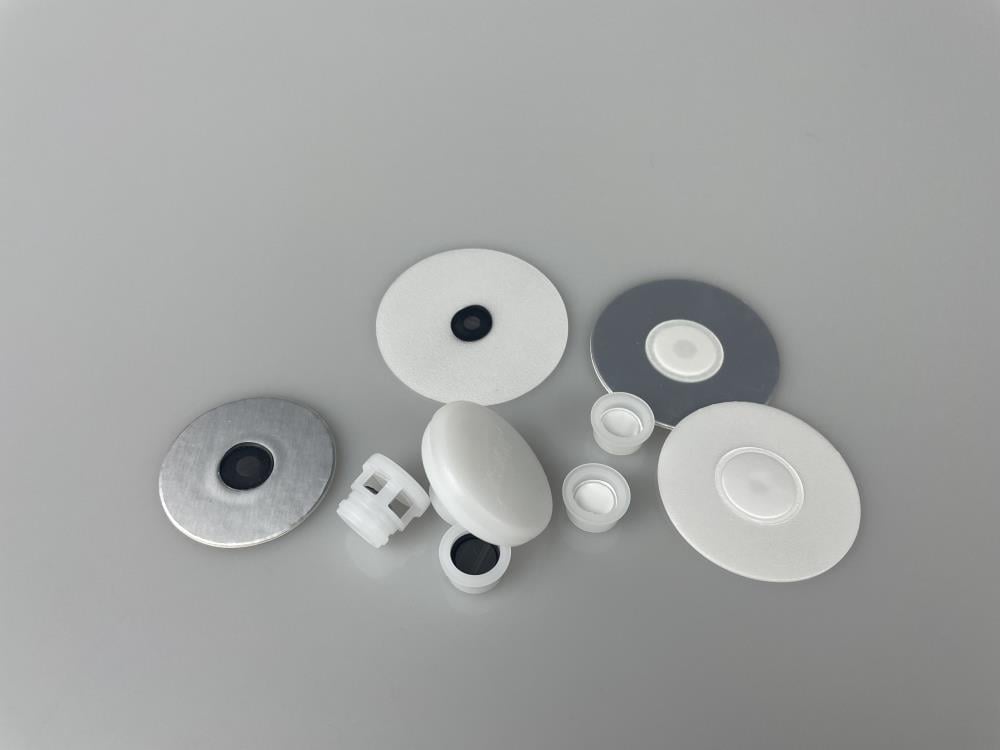
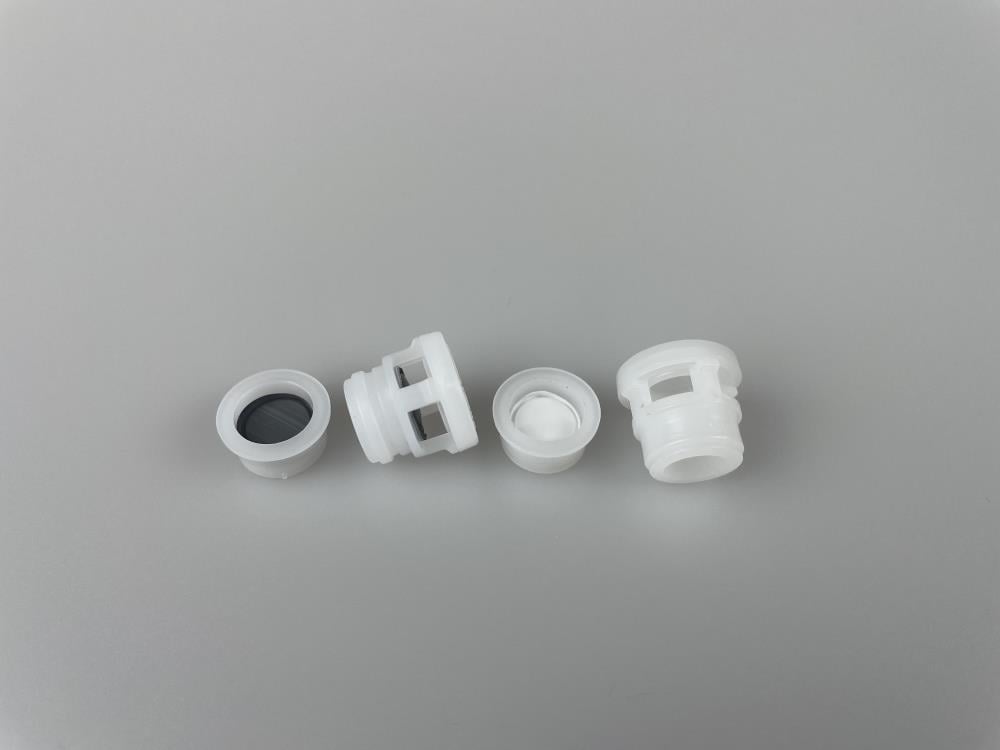
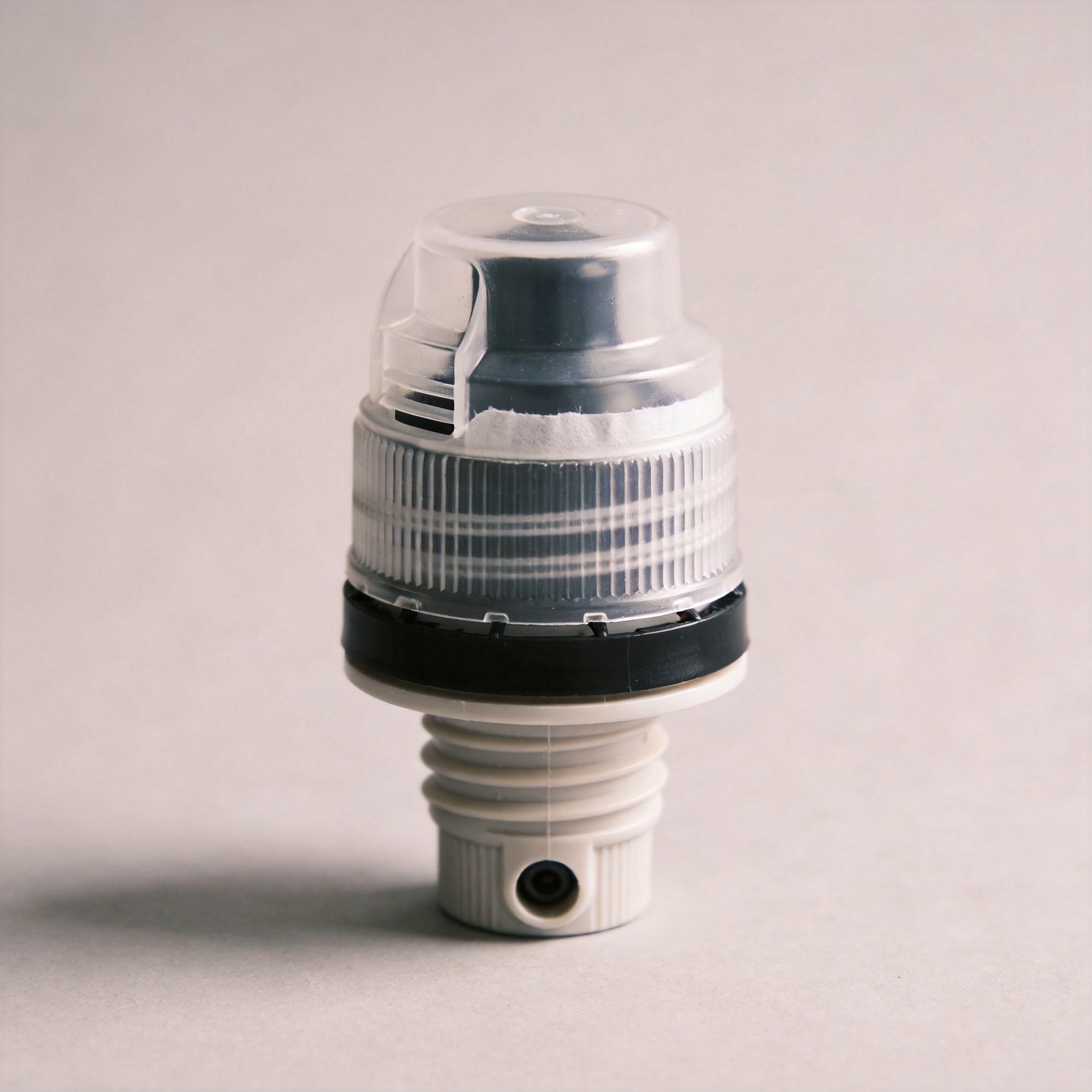
Use the cap drawing before choosing a format. A packaging bottle cap needs enough space for its planned feature. For each packaging bottle cap, check the sealing land, liner stack, wall sections, and other nearby parts. Then compare the current formats. The catalog includes vent valves, Vent PE liner, vent plug, and Snap-fit Vent. A packaging bottle cap with a liner can raise different fit questions from a cap with a plug or snap-fit part.
These catalog names show product directions. They are not equal specifications. A packaging bottle cap choice should follow the actual cap structure. It should also fit the planned assembly order. Keep the bottle and closure together in the review. A product name alone cannot show if a part fits the assembly.
A packaging bottle cap should be reviewed against the medium and its contact conditions. First identify the medium or formulation class. Then describe where it may touch the packaging bottle cap closure system. The merchant profile lists ePTFE membrane, vent bottle PE liner, and packaging vents as product directions. It also lists composite, laminated, and surface-modification techniques. These facts can guide a talk. They do not replace product documents or an application record.
Give the review team the medium name or class. Include storage conditions and known contact paths for the packaging bottle cap system. A packaging bottle cap may also see residue near the closure, vapor in the headspace, or moisture on the outside. State those facts. The next discussion can then focus on construction, fit, compatibility, and needed evidence. Do not treat one material description as proof of universal use.
Review a packaging bottle cap with the bottle and closure system. Start with drawings and samples that match the planned packaging bottle cap build. Confirm the points that affect packaging bottle cap fit. Then agree on the use condition to examine. If a test method or standard is relevant, first verify its scope. Do not claim a result from the format name alone.
Review the packaging bottle cap installed location and the closure engagement. Check the liner layout and package orientation. State the storage conditions and the pressure-change case that led to the request. A packaging bottle cap prototype may show questions that need more evidence. A product record or validation record may support a defined conclusion. Keep these two types of information separate. This makes the selection path clear.
A packaging bottle cap inquiry works best when it has practical details. Send a cap drawing or dimensions. Add photos of the packaging bottle cap, bottle, and closure. State the bottle material, filled medium, storage conditions, and transport conditions. Say whether the cap already exists or is still in design. A preferred format can be a starting point. It should not be treated as a final answer.
For a packaging designer, the next step is simple. Compare the enclosure, medium, and use condition with the available directions. A packaging bottle cap selection may depend on geometry, assembly, and the facts that can be verified. Use the inquiry form to request a fit discussion for vent valves, Vent PE liner, vent plug, or Snap-fit Vent options.

As one of the leading enterprises in industry of ePTFE membranes, MicroVENT® has been engaged in design, production as well as research and development of ePTFE technology since 1995. ePTFE membrane has excellent chemical stability, heat resistance and other properties. MicroVENT® uses composite, laminated, surface modification techniques and confers the ePTFE membrane which has a porous structure for improved strength, heat sealing resistance, Hydrophobic and Oleophobic.
NO.8 QIANCAO ROAD,LIJIA,CHANGZHOU.JIANGSU.CHINA
Copyright © © 2026Pan Asian Microvent Tech (Jiangsu) Corporation.All rights reserved. | Privacy policy
 EN
 AR
 CS
 FR
 DE
 IT
 JA
 KO
 PT
 RU
 ES
 ID
 VI
 TH
 TR
 MS