 EN
EN
 AR
AR
 CS
CS
 FR
FR
 DE
DE
 IT
IT
 JA
JA
 KO
KO
 PT
PT
 RU
RU
 ES
ES
 ID
ID
 VI
VI
 TH
TH
 TR
TR
 MS
MS

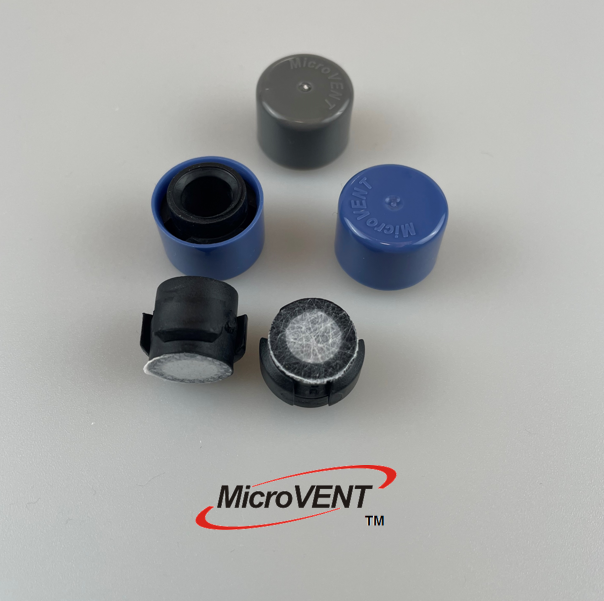
โรงงานผลิตสารเคมีประสบความท้าทายอย่างรุนแรงในการจัดการระบบการระบายก๊าส โดยเฉพาะในสภาพแวดล้อมที่การควบคุมการปนเปื้อนและการปรับสมดุลความดันมีความสำคัญยิ่ง ทางเลือกของแผ่นฟิล์มระบายก๊าสที่เหมาะสมส่งผลกระทบโดยตรงต่อประสิทธิภาพในการดำเนินงาน คุณภาพของผลิตภัณฑ์ และการปฏิบัติตามข้อกำหนดด้านกฎระเบียบ ผู้ผลิตสารเคมีสมัยใหม่กำลังตระหนักเพิ่มมากขึ้นว่า โซลูชันการระบายก๊าสแบบดั้งเดิมมักไม่สามารถตอบสนองข้อกำหนดอันเข้มงวดของอุตสาหกรรมได้อย่างเพียงพอ ส่งผลให้เกิดเวลาหยุดทำงานที่สูญเสียค่าใช้จ่าย ผลิตภัณฑ์ปนเปื้อน และความกังวลด้านความปลอดภัย
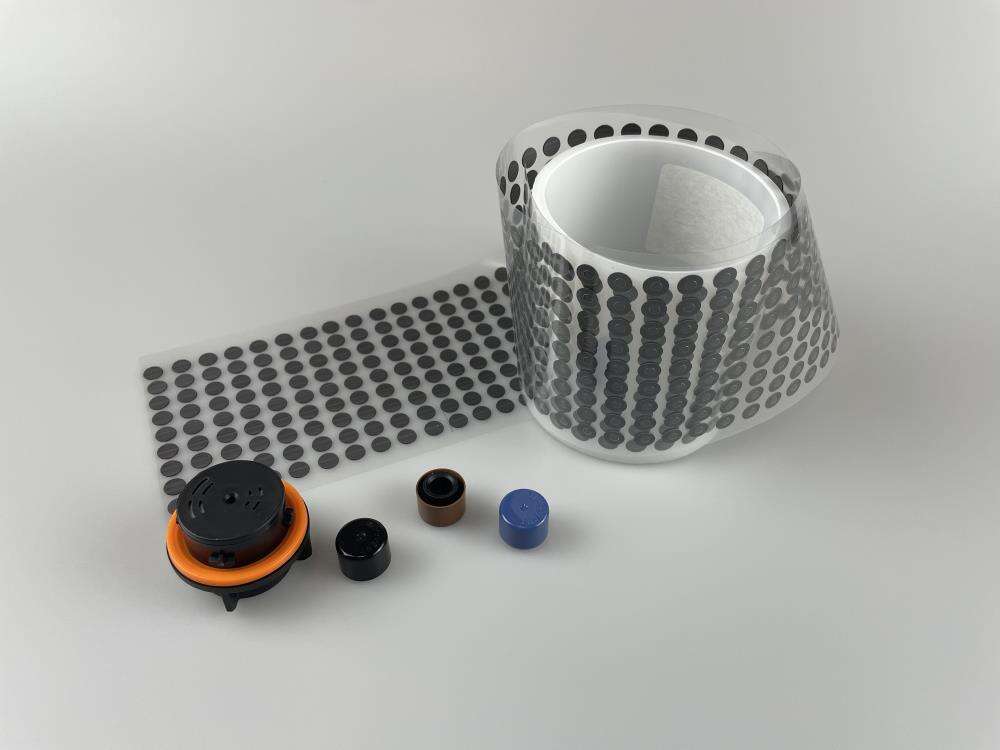
วิวัฒนาการของเทคโนโลยีเมมเบรนได้เปลี่ยนแปลงวิธีการจัดการการระบายก๊าซในโรงงานแปรรูปสารเคมีอย่างสิ้นเชิง วัสดุเมมเบรนขั้นสูงในปัจจุบันให้สมรรถนะที่เหนือกว่าที่เคยมีมา ซึ่งสามารถตอบสนองต่อความท้าทายเฉพาะที่ผู้ผลิตสารเคมีต้องเผชิญ โซลูชันเหล่านี้จำเป็นต้องทนต่อสภาพแวดล้อมที่มีฤทธิ์กัดกร่อนสูงจากสารเคมี ขณะเดียวกันก็รักษาความต่างของแรงดันอย่างแม่นยำและป้องกันไม่ให้มีสิ่งปนเปื้อนแทรกซึมเข้ามา ความเสี่ยงนั้นมีความรุนแรงเป็นพิเศษในการผลิตยา ผลิตสารเคมีเฉพาะทาง และการแปรรูปที่ต้องการความบริสุทธิ์สูง เนื่องจากแม้แต่สิ่งปนเปื้อนในระดับจุลภาคก็อาจทำให้ทั้งแบตช์ของผลิตภัณฑ์เสียหายได้
การเข้าใจข้อกำหนดด้านเทคนิคสำหรับระบบระบายอากาศในกระบวนการผลิตสารเคมี ช่วยให้เห็นว่าเหตุใดวิธีการแบบดั้งเดิมจึงมักไม่เพียงพอ การดำเนินกระบวนการทางเคมีมักก่อให้เกิดไอที่กัดกร่อน ทำงานที่อุณหภูมิสูง และต้องการสภาพแวดล้อมที่ปราศจากเชื้อ วิธีการระบายอากาศแบบดั้งเดิมอาจนำอนุภาค ความชื้น หรือสิ่งปนเปื้อนทางชีวภาพเข้าสู่ระบบ ซึ่งส่งผลให้คุณภาพของผลิตภัณฑ์เสื่อมลง นอกจากนี้ ความผันผวนของแรงดันระหว่างปฏิกิริยาเคมียังต้องการระบบระบายอากาศที่ตอบสนองได้อย่างรวดเร็ว ขณะยังคงรักษาประสิทธิภาพการทำงานอย่างสม่ำเสมอเป็นระยะเวลานาน
คุณสมบัติความต้านทานทางเคมีระดับสูง
ความเฉื่อยที่โดดเด่นต่อสารเคมีที่มีฤทธิ์รุนแรง
เยื่อหุ้ม MicroVENT ePTFE แสดงความต้านทานที่โดดเด่นต่อสารเคมีอุตสาหกรรมเกือบทุกชนิดที่พบในสภาพแวดล้อมการผลิต ต่างจากวัสดุเยื่อหุ้มแบบดั้งเดิมซึ่งเสื่อมสภาพเมื่อสัมผัสกับกรดเข้มข้น ด่างเข้มข้น หรือตัวทำละลายอินทรีย์ โดยเทคโนโลยีเยื่อหุ้มขั้นสูงนี้รักษาความสมบูรณ์ของโครงสร้างไว้ได้ตลอดช่วงค่า pH ทั้งหมด ผู้ผลิตสารเคมีที่ทำงานกับกรดไฮโดรฟลูออริก กรดซัลฟูริกเข้มข้น หรือสารประกอบอินทรีย์ที่มีฤทธิ์รุนแรง พบว่าโซลูชันการระบายอากาศแบบดั้งเดิมเสื่อมสภาพอย่างรวดเร็ว ส่งผลให้เยื่อหุ้มล้มเหลวและอาจเกิดเหตุการณ์ปนเปื้อนได้
การทดสอบในห้องปฏิบัติการยืนยันว่าเยื่อเมมเบรน MicroVENT ePTFE สามารถทนต่อการสัมผัสกับสภาพแวดล้อมทางเคมีที่รุนแรงอย่างต่อเนื่องได้โดยไม่ส่งผลต่อประสิทธิภาพการทำงาน โครงสร้างหลักของฟลูออโรโพลิเมอร์ให้ความต้านทานโดยธรรมชาติต่อการโจมตีด้วยสารเคมี ขณะที่โครงสร้างแบบไมโครพอรัสช่วยให้มั่นใจได้ถึงความสามารถในการซึมผ่านของก๊าซอย่างสม่ำเสมอ แม้หลังจากสัมผัสกับสารเคมีที่มีปฏิกิริยาเป็นเวลานาน การทนทานนี้ส่งผลโดยตรงต่อการลดต้นทุนการบำรุงรักษาและเพิ่มความน่าเชื่อถือในการดำเนินงานสำหรับโรงงานแปรรูปสารเคมี
ความเฉื่อยทางเคมีที่โดดเด่นนี้มีขอบเขตเกินกว่าการต้านทานเพียงอย่างเดียว ไปจนถึงความเข้ากันได้กับกระบวนการล้างและให้ความปลอดเชื้อที่ใช้กันทั่วไปในการผลิตสารเคมี ไม่ว่าจะเป็นการให้ความปลอดเชื้อด้วยไอน้ำ การฉายรังสีแกมมา หรือกระบวนการฆ่าเชื้อด้วยสารเคมี ต่างก็ไม่ทำให้ประสิทธิภาพของเมมเบรนลดลง ซึ่งช่วยให้สถานที่ผลิตสามารถรักษามาตรฐานด้านสุขอนามัยที่เข้มงวดได้โดยไม่กระทบต่อประสิทธิภาพในการระบายอากาศ คุณสมบัตินี้มีความสำคัญอย่างยิ่งในอุตสาหกรรมยา ซึ่งข้อกำหนดด้านกฎระเบียบจำเป็นต้องมีกระบวนการให้ความปลอดเชื้อที่ผ่านการตรวจสอบและรับรองแล้ว
เสถียรภาพในระยะยาวภายใต้สภาพแวดล้อมที่รุนแรง
สภาพแวดล้อมในการผลิตสารเคมีทำให้เยื่อหุ้มระบายอากาศ (venting membranes) ต้องรับภาระอย่างต่อเนื่องจากภาวะการเปลี่ยนแปลงอุณหภูมิ ความผันผวนของแรงดัน และการสัมผัสกับสารเคมี เยื่อหุ้ม MicroVENT ePTFE รักษาระดับสมรรถนะการทำงานที่สม่ำเสมอตลอดอายุการใช้งานที่ยาวนาน แม้ในสภาวะที่ท้าทายเช่นนี้ก็ตาม ผลการศึกษาภาคสนามจากโรงงานผลิตสารเคมีแสดงให้เห็นว่า เยื่อหุ้มยังคงรักษาสมรรถนะได้มากกว่า 95% หลังการใช้งานอย่างต่อเนื่องเป็นเวลาสองปีในสภาพแวดล้อมที่มีสารเคมีรุนแรง
โครงสร้างโมเลกุลของโพลีเตตระฟลูออโรเอทิลีนแบบขยาย (ePTFE) มีความเสถียรโดยธรรมชาติ ซึ่งช่วยป้องกันกลไกการเสื่อมสภาพที่พบได้บ่อยในวัสดุเมมเบรนชนิดอื่น ๆ ต่างจากเมมเบรนพอลิเมอร์ที่อาจบวม แตกร้าว หรือเปราะบางลงตามระยะเวลา การใช้งาน เมมเบรน ePTFE ของ MicroVENT ยังคงรักษาโครงสร้างไมโครพอรัสและคุณสมบัติเชิงกลไว้ได้อย่างสม่ำเสมอ ความเสถียรนี้จึงทำให้ประสิทธิภาพในการระบายอากาศ (venting) คาดการณ์ได้อย่างแม่นยำตลอดอายุการใช้งานของเมมเบรน ช่วยให้ผู้ผลิตสารเคมีสามารถจัดทำตารางการบำรุงรักษาที่น่าเชื่อถือได้ และหลีกเลี่ยงความล้มเหลวของระบบอย่างไม่คาดฝัน
ความต้านทานต่ออุณหภูมิถือเป็นอีกแง่มุมหนึ่งที่สำคัญยิ่งต่อความเสถียรในระยะยาวสำหรับการใช้งานในกระบวนการผลิตทางเคมี แผ่นเยื่อเมมเบรน ePTFE ของ MicroVENT สามารถทำงานได้อย่างมีประสิทธิภาพในช่วงอุณหภูมิที่กว้าง โดยรักษาความสามารถในการซึมผ่าน (permeability) และความแข็งแรงเชิงกลอย่างสม่ำเสมอ แม้ในระหว่างการเปลี่ยนแปลงอุณหภูมิแบบไซคลิก (thermal cycling) ซึ่งเกิดขึ้นตามกระบวนการผลิตแบบแบตช์ (batch processing) ความเสถียรต่ออุณหภูมินี้ช่วยขจัดความกังวลเกี่ยวกับการลดลงของประสิทธิภาพของเมมเบรนในสภาวะที่กระบวนการผิดปกติ (process upset conditions) หรือการเปลี่ยนแปลงของอุณหภูมิตามฤดูกาล
การควบคุมแรงดันอย่างแม่นยำและการซึมผ่านของก๊าซ
โครงสร้างรูพรุนที่ปรับแต่งให้เหมาะสมเพื่อการระบายอากาศที่ควบคุมได้
โครงสร้างรูพรุนที่ออกแบบมาอย่างแม่นยำของเยื่อเมมเบรน MicroVENT ePTFE ให้การควบคุมความซึมผ่านของก๊าซอย่างแม่นยำ ขณะเดียวกันก็ยังคงคุณสมบัติเป็นเกราะป้องกันที่มีประสิทธิภาพต่อการปนเปื้อนจากของเหลวและอนุภาคต่าง ๆ กระบวนการผลิตทางเคมีมักต้องการความต่างของแรงดันเฉพาะเพื่อเพิ่มประสิทธิภาพของอัตราปฏิกิริยา ป้องกันความเสียหายต่ออุปกรณ์ และรับประกันคุณภาพของผลิตภัณฑ์ โครงสร้างไมโครพรุนที่สม่ำเสมอทำให้สามารถคาดการณ์ลักษณะการไหลของก๊าซได้อย่างแม่นยำ จึงช่วยให้วิศวกรสามารถออกแบบระบบระบายอากาศได้อย่างมั่นใจในข้อกำหนดด้านประสิทธิภาพของระบบนั้น
เทคนิคการผลิตขั้นสูงสร้างการกระจายขนาดรูพรุนที่ควบคุมได้ ซึ่งเพิ่มความซึมผ่านของก๊าซสูงสุด ขณะเดียวกันก็ลดความเสี่ยงของการรั่วซึมของของเหลวให้น้อยที่สุด สมดุลนี้มีความสำคัญอย่างยิ่งในงานแปรรูปทางเคมี ซึ่งอาจมีการควบแน่น ของเหลวจากกระบวนการ หรือสารละลายสำหรับการทำความสะอาดสัมผัสกับพื้นผิวของเยื่อเมมเบรน ธรรมชาติแบบไฮโดรโฟบิกของ MicroVENT eptfe membrane ช่วยให้หยดน้ำของเหลวไม่สามารถซึมผ่านโครงสร้างรูพรุนได้ จึงยังคงรักษาความสามารถในการระบายก๊าซไว้ได้แม้ในสภาวะที่มีความชื้นสูงหรือเปียก
โครงสร้างรูพรุนที่สม่ำเสมอยังช่วยให้สามารถทำนายลักษณะการลดลงของแรงดันผ่านเยื่อเมมเบรนได้อย่างแม่นยำ วิศวกรกระบวนการเคมีสามารถคำนวณข้อกำหนดด้านแรงดันของระบบได้อย่างแม่นยำ เพื่อให้มั่นใจว่ามีความสามารถในการระบายก๊าซเพียงพอโดยไม่ต้องออกแบบระบบที่เกินความจำเป็น ความสามารถในการทำนายล่วงหน้าเช่นนี้ช่วยลดต้นทุนการติดตั้งและเพิ่มประสิทธิภาพการใช้พลังงานในแอปพลิเคชันที่ใช้ระบบสุญญากาศหรือระบบแรงดันบวก
ตอบสนองต่อการเปลี่ยนแปลงของแรงดันอย่างรวดเร็ว
กระบวนการผลิตสารเคมีมักประสบกับการเปลี่ยนแปลงความดันอย่างรวดเร็วในระหว่างการเริ่มต้นปฏิกิริยา การเพิ่มอุณหภูมิอย่างค่อยเป็นค่อยไป หรือสถานการณ์การระบายความดันฉุกเฉิน คุณสมบัติการไหลของก๊าซที่มีความต้านทานต่ำของเยื่อ MicroVENT ePTFE ช่วยให้ตอบสนองต่อความต่างของความดันได้ทันที ป้องกันไม่ให้อุปกรณ์เสียหายและรักษาการควบคุมกระบวนการไว้อย่างมีประสิทธิภาพ ต่างจากโซลูชันการระบายความดันแบบจำกัดซึ่งอาจก่อให้เกิดการสะสมความดันอันตราย เทคโนโลยีเยื่อนี้ให้การปรับสมดุลความดันอย่างรวดเร็ว ขณะยังคงรักษาคุณสมบัติเป็นอุปสรรคต่อการปนเปื้อนไว้
การดำเนินการแบบแบตช์ (Batch processing) โดยเฉพาะจะได้รับประโยชน์อย่างมากจากคุณสมบัติการตอบสนองต่อความดันอย่างรวดเร็วในระหว่างรอบการให้ความร้อนและการทำความเย็น เมื่อภาชนะปฏิกิริยาถูกทำให้ร้อนขึ้น การขยายตัวเนื่องจากความร้อนจะก่อให้เกิดการเพิ่มขึ้นของความดัน ซึ่งจำเป็นต้องระบายออกเพื่อป้องกันไม่ให้อุปกรณ์เสียหาย ความสามารถในการซึมผ่านก๊าซสูงของเยื่อ MicroVENT ePTFE ทำให้มั่นใจได้ว่าการระบายความดันจะเกิดขึ้นทันที จึงปกป้องภาชนะ ท่อ และเครื่องมือวัดจากการทำงานภายใต้สภาวะความดันเกิน
สถานการณ์ที่ต้องระบายแรงดันฉุกเฉินนั้นต้องการการลดแรงดันทันทีเพื่อป้องกันไม่ให้อุปกรณ์ล้มเหลวอย่างรุนแรงหรือเกิดเหตุการณ์ด้านความปลอดภัย แผ่นเยื่อหุ้ม ePTFE แบบ MicroVENT ให้ความสามารถในการไหลของก๊าซสูงเมื่อความต่างของแรงดันเพิ่มขึ้นเกินช่วงการดำเนินงานปกติ คุณสมบัติด้านความปลอดภัยนี้มีคุณค่าอย่างยิ่งในกระบวนการผลิตสารเคมี ซึ่งปฏิกิริยาที่ควบคุมไม่ได้หรือความผิดปกติของอุปกรณ์อาจก่อให้เกิดสภาวะแรงดันอันตรายที่จำเป็นต้องระบายออกทันที
การป้องกันการปนเปื้อนและรักษาความบริสุทธิ์ของผลิตภัณฑ์
เกราะป้องกันแบบสัมบูรณ์ต่อการปนเปื้อนของอนุภาค
การรักษาความบริสุทธิ์ของผลิตภัณฑ์ถือเป็นข้อกำหนดพื้นฐานในการผลิตสารเคมี โดยเฉพาะอย่างยิ่งสำหรับสารตั้งต้นทางเภสัชกรรม สารเคมีสำหรับอุตสาหกรรมอิเล็กทรอนิกส์ และผลิตภัณฑ์พิเศษที่มีมูลค่าสูง แผ่นกรองเมมเบรน ePTFE แบบ MicroVENT ทำหน้าที่เป็นอุปสรรคเชิงสัมบูรณ์ต่อการปนเปื้อนด้วยอนุภาค ขณะเดียวกันก็ยังคงอนุญาตให้เกิดการแลกเปลี่ยนก๊าซที่จำเป็นต่อการควบคุมแรงดันได้อย่างมีประสิทธิภาพ ขนาดรูพรุนระดับซับไมครอนสามารถกรองอนุภาคที่ลอยอยู่ในอากาศได้อย่างมีประสิทธิภาพ รวมถึงฝุ่นละออง จุลินทรีย์ และสารปนเปื้อนจากกระบวนการผลิต ซึ่งอาจส่งผลกระทบต่อคุณภาพของผลิตภัณฑ์
สภาพแวดล้อมห้องปลอดเชื้อ (Cleanroom) ในการผลิตสารเคมีสำหรับอุตสาหกรรมเภสัชกรรมและเซมิคอนดักเตอร์ จำเป็นต้องใช้ระบบระบายอากาศที่สามารถรักษาการแยกจากบรรยากาศภายนอกไว้ได้โดยไม่จำกัดการแลกเปลี่ยนก๊าซที่จำเป็น แผ่นกรองเมมเบรน ePTFE แบบ MicroVENT สอดคล้องตามข้อกำหนดที่เข้มงวดสำหรับห้องปลอดเชื้อ โดยป้องกันไม่ให้สิ่งปนเปื้อนจากภายนอกเข้าสู่ภายใน ขณะเดียวกันก็ยังคงอนุญาตให้แรงดันภายในปรับสมดุลกับภายนอกได้ ความสามารถนี้ช่วยให้ผู้ผลิตสารเคมีสามารถรักษาสภาพแวดล้อมที่ควบคุมได้อย่างแม่นยำ โดยไม่กระทบต่อความยืดหยุ่นของกระบวนการผลิต
การป้องกันการปนเปื้อนทางชีวภาพมีความสำคัญอย่างยิ่งโดยเฉพาะในกระบวนการผลิตยา เนื่องจากการเจริญเติบโตของจุลินทรีย์อาจทำให้ทั้งแบตช์ของผลิตภัณฑ์ใช้งานไม่ได้ ขนาดรูพรุนและคุณสมบัติแบบไฮโดรโฟบิกของเมมเบรน MicroVENT ePTFE สร้างอุปสรรคที่มีประสิทธิภาพต่อแบคทีเรีย ยีสต์ และสปอร์ของเชื้อรา ร่วมกับความสามารถในการเข้ากันได้กับกระบวนการฆ่าเชื้อ คุณสมบัตินี้ในการควบคุมการปนเปื้อนจึงรับประกันความปลอดเชื้อของผลิตภัณฑ์ตลอดกระบวนการผลิตและการจัดเก็บ
คุณสมบัติในการกันความชื้นและของเหลว
กระบวนการผลิตสารเคมีมักเกี่ยวข้องกับวัสดุที่ดูดความชื้นหรือปฏิกิริยาที่ไวต่อความชื้น ซึ่งจำเป็นต้องได้รับการป้องกันจากความชื้นในอากาศ ลักษณะไฮโดรโฟบิกของเยื่อ MicroVENT ePTFE ช่วยป้องกันไม่ให้น้ำในรูปของของเหลวแทรกซึมผ่านเข้ามา แต่ยังคงอนุญาตให้ไอน้ำสามารถผ่านได้ ทำให้สามารถจัดการระดับความชื้นอย่างควบคุมได้ในแอปพลิเคชันด้านการแปรรูปสารเคมี ความสามารถในการเลือกผ่านแบบนี้มีความสำคัญยิ่งในแอปพลิเคชันที่การแทรกซึมของความชื้นอาจก่อให้เกิดปฏิกิริยาที่ไม่พึงประสงค์ หรือลดคุณภาพของผลิตภัณฑ์
การควบคุมการควบแน่นถือเป็นอีกด้านหนึ่งที่สำคัญยิ่งของการกันความชื้นในกระบวนการผลิตสารเคมี ความผันแปรของอุณหภูมิระหว่างการแปรรูปอาจก่อให้เกิดการควบแน่น ซึ่งอาจหยดลงสู่อุปกรณ์การผลิต หรือสร้างสภาพที่กัดกร่อนได้ เยื่อ MicroVENT ePTFE ช่วยป้องกันไม่ให้ความชื้นจากภายนอกแทรกซึมเข้ามา ขณะเดียวกันก็ยังคงอนุญาตให้ไอน้ำภายในสามารถระบายออกได้ จึงช่วยกำจัดปัญหาที่เกิดจากการควบแน่นซึ่งมักเกิดขึ้นกับระบบระบายอากาศแบบดั้งเดิม
การดำเนินการล้างทำความสะอาดและล้างด้วยแรงดันสูงในสถานประกอบการผลิตสารเคมีสร้างสภาพแวดล้อมที่มีความชื้นสูง ซึ่งเป็นอุปสรรคต่อระบบระบายอากาศแบบดั้งเดิม คุณสมบัติในการกันของเหลวของเยื่อหุ้ม MicroVENT ePTFE ทำให้ระบบยังคงทำงานได้อย่างต่อเนื่องแม้จะสัมผัสกับกระบวนการล้างด้วยไอน้ำ ล้างด้วยแรงดันสูง หรือการทำลายเชื้อโรคด้วยสารเคมี ความทนทานนี้ช่วยขจัดความกังวลเกี่ยวกับความเสียหายจากความชื้นระหว่างการบำรุงรักษาสถานประกอบการ
ความยืดหยุ่นในการติดตั้งและการรวมระบบ
ตัวเลือกการติดตั้งที่หลากหลายสำหรับการใช้งานที่แตกต่างกัน
สถานประกอบการผลิตสารเคมีจำเป็นต้องมีโซลูชันระบบระบายอากาศที่สามารถปรับเข้ากับรูปแบบอุปกรณ์ที่หลากหลายและข้อจำกัดด้านพื้นที่ เทคโนโลยีเยื่อหุ้ม MicroVENT ePTFE รองรับรูปแบบการติดตั้งหลายแบบ ทำให้สามารถผสานเข้ากับอุปกรณ์กระบวนการที่มีอยู่แล้วได้โดยไม่จำเป็นต้องปรับเปลี่ยนโครงสร้างอย่างมาก การเชื่อมต่อแบบเกลียวมาตรฐาน ชุดข้อต่อแบบแปลน และโซลูชันการติดตั้งแบบเฉพาะตามความต้องการ สามารถรองรับขนาดถัง รูปทรงภาชนะ และระบบท่อที่พบได้ทั่วไปในสถานประกอบการแปรรูปสารเคมี
การติดตั้งระบบระบายอากาศขั้นสูงลงในอุปกรณ์การแปรรูปสารเคมีที่มีอยู่แล้วมักก่อให้เกิดความท้าทายด้านการติดตั้ง เนื่องจากข้อจำกัดด้านพื้นที่และการดำเนินงาน ซึ่งการออกแบบแบบกะทัดรัดของช่องระบายอากาศแบบเมมเบรน ePTFE รุ่น MicroVENT ทำให้สามารถติดตั้งในพื้นที่จำกัดได้ โดยยังคงประสิทธิภาพการทำงานเต็มรูปแบบไว้ ความยืดหยุ่นนี้ช่วยลดต้นทุนการติดตั้ง และลดเวลาหยุดดำเนินการของกระบวนการระหว่างการอัปเกรดหรือบำรุงรักษาระบบ
การออกแบบระบบแบบโมดูลาร์ช่วยให้ผู้ผลิตสารเคมีสามารถปรับขนาดความสามารถในการระบายอากาศให้สอดคล้องกับความต้องการเฉพาะของแต่ละกระบวนการ สามารถนำช่องระบายอากาศแบบเมมเบรนหลายหน่วยมาประกอบรวมกันเพื่อให้ได้อัตราการไหลที่ต้องการ หรือใช้หน่วยเดี่ยวที่มีกำลังการระบายอากาศสูงสำหรับถังขนาดใหญ่ ความยืดหยุ่นในการปรับขนาดนี้ช่วยให้สามารถออกแบบระบบให้มีขนาดเหมาะสมที่สุด ขณะเดียวกันก็รักษาประสิทธิภาพเชิงต้นทุนไว้ได้ทั่วทั้งขอบเขตของการประยุกต์ใช้งานที่มีทั้งขนาดและระดับความซับซ้อนที่แตกต่างกัน
การใช้งานและความน่าเชื่อถือโดยไม่ต้องบํารุงรักษา
การดำเนินงานด้านการผลิตสารเคมีต้องการระบบระบายอากาศที่ทำงานได้อย่างเชื่อถือได้โดยไม่จำเป็นต้องบำรุงรักษาบ่อยครั้ง แผ่นเยื่อหุ้ม ePTFE แบบไมโครเวนต์ (MicroVENT ePTFE) ไม่ต้องการการบำรุงรักษาตามปกติภายใต้สภาวะการใช้งานทั่วไป จึงช่วยขจัดเวลาหยุดทำงานตามกำหนดและลดต้นทุนการดำเนินงาน โครงสร้างที่ทนทานพร้อมคุณสมบัติทนต่อสารเคมีทำให้มั่นใจได้ถึงประสิทธิภาพการทำงานที่สม่ำเสมอตลอดช่วงอายุการใช้งานที่ยาวนาน
คุณสมบัติในการทำความสะอาดตัวเองของพื้นผิวแผ่นเยื่อหุ้มที่มีความเป็นไฮโดรโฟบิก (กันน้ำ) ช่วยป้องกันไม่ให้เกิดการสะสมของเศษสิ่งสกปรกจากกระบวนการหรือสิ่งสกปรกจากสิ่งแวดล้อมซึ่งอาจจำกัดการไหลของก๊าซ น้ำฝน ไอน้ำควบแน่น หรือสารละลายสำหรับการทำความสะอาดจะไหลหลุดออกจากพื้นผิวแผ่นเยื่อหุ้มโดยธรรมชาติ โดยไม่ทิ้งคราบตกค้างที่อาจส่งผลเสียต่อประสิทธิภาพการระบายอากาศ ความสามารถในการทำความสะอาดตัวเองนี้มีคุณค่าอย่างยิ่งโดยเฉพาะในกรณีติดตั้งภายนอกอาคาร หรือในสถานที่ที่มีมาตรการทำความสะอาดอย่างเข้มงวด
อายุการใช้งานที่คาดการณ์ได้อย่างแม่นยำช่วยให้ผู้ผลิตสารเคมีสามารถจัดทำตารางการบำรุงรักษาที่เชื่อถือได้ตามสภาวะการปฏิบัติงานจริง แทนที่จะใช้ช่วงเวลาที่กำหนดขึ้นอย่างไม่เป็นทางการ ประสบการณ์จากการใช้งานจริงในภาคสนามแสดงให้เห็นว่าเยื่อหุ้ม MicroVENT ePTFE สามารถรักษาคุณสมบัติในการทำงานไว้ได้นานหลายปีภายใต้สภาวะการผลิตสารเคมีทั่วไป ซึ่งมอบคุณค่าสูงสุดผ่านช่วงเวลาการใช้งานที่ยืดหยุ่นและต้นทุนการเปลี่ยนทดแทนที่ลดลง
ความสอดคล้องกับกฎหมายและมาตรฐานคุณภาพ
การรับรองจากองค์การอาหารและยาสหรัฐอเมริกา (FDA) และอุตสาหกรรมยา
การผลิตสารเคมีสำหรับอุตสาหกรรมยาและอาหารต้องใช้ระบบระบายอากาศที่สอดคล้องกับข้อกำหนดด้านกฎระเบียบที่เข้มงวดเกี่ยวกับความปลอดภัยของวัสดุและการใช้งานที่สัมผัสโดยตรงกับผลิตภัณฑ์ เยื่อหุ้ม MicroVENT ePTFE สอดคล้องกับข้อบังคับขององค์การอาหารและยาสหรัฐอเมริกา (FDA) สำหรับการใช้งานที่สัมผัสกับอาหาร และข้อกำหนด USP Class VI สำหรับการใช้งานในอุตสาหกรรมยา การรับรองเหล่านี้รับประกันว่าวัสดุของเยื่อหุ้มจะไม่ปล่อยสารที่สามารถสกัดออกได้หรือสิ่งปนเปื้อนใดๆ ที่อาจกระทบต่อคุณภาพหรือความปลอดภัยของผลิตภัณฑ์
เอกสารการตรวจสอบความถูกต้องที่จัดให้พร้อมกับระบบเมมเบรน MicroVENT ePTFE สนับสนุนความพยายามในการปฏิบัติตามข้อกำหนดด้านกฎระเบียบซึ่งจำเป็นสำหรับการผลิตยา ใบรับรองการปฏิบัติตามข้อกำหนด แผ่นข้อมูลความปลอดภัยของวัสดุ (MSDS) และข้อมูลการยืนยันประสิทธิภาพ ช่วยให้ผู้ผลิตสามารถตอบสนองข้อกำหนดของการตรวจสอบโดยสำนักงานคณะกรรมการอาหารและยาสหรัฐอเมริกา (FDA) และรักษากระบวนการผลิตที่ผ่านการตรวจสอบความถูกต้องแล้ว เอกสารเหล่านี้มีความสำคัญอย่างยิ่งสำหรับสถานประกอบการผลิตยาที่ดำเนินงานภายใต้ข้อบังคับปฏิบัติที่ดีในการผลิตยาปัจจุบัน (cGMP)
การปฏิบัติตามข้อกำหนดด้านกฎระเบียบในระดับสากลนั้นขยายขอบเขตออกไปไกลกว่าข้อกำหนดภายในประเทศ โดยรวมถึงมาตรฐานของเภสัชตำรับยุโรป ข้อบังคับด้านยาของญี่ปุ่น และข้อกำหนดอื่นๆ ทั่วโลก เมมเบรน MicroVENT ePTFE สอดคล้องตามมาตรฐานคุณภาพสากล ทำให้ผู้ผลิตสารเคมีสามารถจัดจำหน่ายสินค้าไปยังตลาดทั่วโลกได้โดยไม่ต้องกังวลเกี่ยวกับปัญหาการปฏิบัติตามข้อกำหนดด้านกฎระเบียบซึ่งเกี่ยวข้องกับวัสดุของระบบระบายอากาศ
การจัดการคุณภาพและการติดตาม
ผู้ผลิตสารเคมีที่ดำเนินงานภายใต้ระบบการจัดการคุณภาพ ISO 9001 ต้องการชิ้นส่วนระบายอากาศที่มีความสามารถในการติดตามแหล่งที่มาอย่างครบถ้วนและเอกสารรับรองคุณภาพที่สมบูรณ์ หน่วยเมมเบรน ePTFE แบบ MicroVENT แต่ละหน่วยมาพร้อมใบรับรองคุณภาพเฉพาะล็อต ข้อมูลผลการทดสอบประสิทธิภาพ และข้อมูลการติดตามแหล่งที่มาของวัสดุ ซึ่งสนับสนุนข้อกำหนดของระบบคุณภาพ เอกสารดังกล่าวทำให้สามารถติดตามแหล่งที่มาตลอดห่วงโซ่อุปทานได้อย่างครบถ้วนสำหรับการผลิตที่มีความสำคัญยิ่ง
ข้อมูลการควบคุมกระบวนการเชิงสถิติที่จัดให้พร้อมกับผลิตภัณฑ์เมมเบรนช่วยให้ผู้ผลิตสารเคมีสามารถตรวจสอบความสม่ำเสมอของประสิทธิภาพและตรวจจับความคลาดเคลื่อนใดๆ จากพารามิเตอร์ที่ระบุไว้ได้ การทดสอบควบคุมคุณภาพประกอบด้วยการตรวจสอบขนาดรูพรุน การวัดแรงดันตกคร่อม (pressure drop) และการยืนยันประสิทธิภาพของชั้นกั้นสิ่งปนเปื้อน การทดสอบอย่างครอบคลุมนี้รับประกันว่าเมมเบรนแต่ละชิ้นจะสอดคล้องกับข้อกำหนดด้านประสิทธิภาพก่อนการติดตั้ง
สภาพแวดล้อมในการผลิตที่ควบคุมได้และระบบการประกันคุณภาพช่วยให้มั่นใจในคุณภาพของผลิตภัณฑ์ที่สม่ำเสมอจากแต่ละล็อตสู่ล็อตถัดไป กระบวนการผลิตเมมเบรน MicroVENT ePTFE ดำเนินการภายใต้มาตรฐานการรับรอง ISO 9001 โดยมีการตรวจสอบและควบคุมกระบวนการด้วยสถิติ (Statistical Process Control) ที่ทุกขั้นตอนสำคัญของการผลิต แนวทางการประกันคุณภาพนี้ทำให้ผู้ผลิตสารเคมีมั่นใจในความน่าเชื่อถือของผลิตภัณฑ์และความสม่ำเสมอของประสิทธิภาพการทำงาน
ความคุ้มค่าและผลตอบแทนจากการลงทุน
ลดต้นทุนการบำรุงรักษาและการเปลี่ยนทดแทน
ความทนทานเป็นพิเศษและความต้านทานต่อสารเคมีของเมมเบรน MicroVENT ePTFE ส่งผลโดยตรงต่อการลดต้นทุนการดำเนินงานสำหรับโรงงานผลิตสารเคมี ระยะเวลาระหว่างการเปลี่ยนชิ้นส่วนที่ยาวนานขึ้นเมื่อเทียบกับวิธีการระบายอากาศแบบเดิม ช่วยลดความถี่ในการเปลี่ยนชิ้นส่วนและต้นทุนแรงงานด้านการบำรุงรักษาที่เกี่ยวข้อง ผลการศึกษาภาคสนามแสดงให้เห็นว่าอายุการใช้งานยืดหยุ่นเพิ่มขึ้น 300–500% เมื่อเทียบกับวัสดุเมมเบรนแบบดั้งเดิมในสภาพแวดล้อมที่มีสารเคมีรุนแรง
การตัดลดความจำเป็นในการบำรุงรักษาตามปกติช่วยลดทั้งต้นทุนแรงงานโดยตรงและต้นทุนทางอ้อมที่เกี่ยวข้องกับการหยุดการผลิตชั่วคราว ผู้ผลิตสารเคมีสามารถจัดสรรทรัพยากรด้านการบำรุงรักษาไปยังอุปกรณ์กระบวนการที่มีความสำคัญสูง แทนที่จะต้องใช้กับการดูแลระบบระบายอากาศ ซึ่งการลดภาระการบำรุงรักษานี้มีคุณค่าอย่างยิ่งโดยเฉพาะในกระบวนการผลิตแบบต่อเนื่อง ที่การหยุดการผลิตตามกำหนดส่งผลกระทบโดยตรงต่อศักยภาพการผลิตและผลกำไร
การลดจำนวนเหตุการณ์การบำรุงรักษาฉุกเฉินช่วยประหยัดต้นทุนเพิ่มเติมผ่านความน่าเชื่อถือในการดำเนินงานที่ดีขึ้น โครงสร้างที่แข็งแกร่งและการทนต่อสารเคมีของเยื่อหุ้ม MicroVENT ePTFE ช่วยป้องกันไม่ให้เกิดความล้มเหลวที่ไม่คาดคิด ซึ่งอาจนำไปสู่การซ่อมแซมฉุกเฉินหรือการหยุดการผลิตโดยไม่ได้วางแผนไว้ ความน่าเชื่อถือที่เพิ่มขึ้นนี้จึงช่วยลดทั้งต้นทุนการซ่อมแซมโดยตรงและต้นทุนการสูญเสียการผลิตที่เกิดจากความล้มเหลวของอุปกรณ์
การประหยัดพลังงานและการปรับปรุงประสิทธิภาพกระบวนการ
คุณสมบัติการไหลของก๊าซที่มีความต้านทานต่ำของเยื่อหุ้ม MicroVENT ePTFE ช่วยลดการใช้พลังงานในกระบวนการที่ใช้สุญญากาศช่วย หรือในแอปพลิเคชันที่ต้องการระบบระบายอากาศแบบบังคับ แรงดันตกคร่อมเยื่อหุ้มที่ต่ำลงจะลดความต้องการพลังงานของปั๊มและพัดลม ทำให้เกิดการประหยัดต้นทุนการดำเนินงานอย่างต่อเนื่อง การประหยัดพลังงานเหล่านี้จะมีความสำคัญยิ่งขึ้นโดยเฉพาะในแอปพลิเคชันที่มีปริมาณสูง หรือในกระบวนการแบบต่อเนื่องที่ทำงานตลอด 24 ชั่วโมง
โอกาสในการเพิ่มประสิทธิภาพกระบวนการเกิดขึ้นจากความสามารถในการควบคุมแรงดันอย่างแม่นยำของระบบเยื่อหุ้ม MicroVENT ePTFE ผู้ผลิตสารเคมีสามารถดำเนินกระบวนการภายใต้สภาวะแรงดันที่เหมาะสมที่สุด โดยไม่ต้องกังวลเกี่ยวกับข้อจำกัดของระบบระบายอากาศ ความสามารถในการเพิ่มประสิทธิภาพนี้มักช่วยให้อัตราการผลิตเพิ่มขึ้น คุณภาพผลิตภัณฑ์ดีขึ้น หรือการใช้วัตถุดิบลดลง ซึ่งสิ่งเหล่านี้ล้วนคุ้มค่ามากกว่าต้นทุนการลงทุนในระบบเยื่อหุ้ม
การลดการสูญเสียผลิตภัณฑ์จากเหตุการณ์การปนเปื้อนช่วยประหยัดต้นทุนได้อย่างมีนัยสำคัญในกระบวนการผลิตสารเคมีที่มีมูลค่าสูง คุณสมบัติของเมมเบรน ePTFE MicroVENT ในการกันการปนเปื้อนได้ดีเยี่ยม ช่วยป้องกันไม่ให้ผลิตภัณฑ์เกิดการปนเปื้อนซึ่งอาจทำให้ทั้งแบตช์ไม่สามารถใช้งานได้ การหลีกเลี่ยงการสูญเสียเหล่านี้มักสูงกว่าต้นทุนรวมของระบบระบายอากาศ จึงทำให้การตัดสินใจเลือกเมมเบรนมีความน่าสนใจทางการเงินอย่างมากเมื่อพิจารณาจากมุมมองของการจัดการความเสี่ยง
คำถามที่พบบ่อย
อะไรทำให้เมมเบรน ePTFE MicroVENT ดีกว่าเมมเบรน PTFE แบบดั้งเดิม?
ความแตกต่างที่สำคัญอยู่ที่โครงสร้างที่ขยายตัวของเยื่อหุ้ม MicroVENT ePTFE ซึ่งสร้างเครือข่ายไมโครพอรัสที่ควบคุมได้ ทำให้มีความสามารถในการผ่านก๊าสสูงขึ้น ขณะเดียวกันยังคงรักษาคุณสมบัติเป็นอุปสรรค (barrier properties) ได้อย่างยอดเยี่ยม เยื่อหุ้ม PTFE แบบดั้งเดิมมักมีโครงสร้างรูพรุนที่ไม่สม่ำเสมอ ซึ่งอาจจำกัดการไหลของก๊าสหรือทำให้สิ่งปนเปื้อนลอดผ่านได้ กระบวนการผลิตที่ใช้สำหรับเยื่อหุ้ม MicroVENT ePTFE สร้างการกระจายตัวของรูพรุนที่สม่ำเสมอและเชื่อมต่อกันอย่างเหมาะสมระหว่างรูพรุนแต่ละรู ส่งผลให้เกิดประสิทธิภาพเหนือกว่าในพารามิเตอร์ที่สำคัญทั้งหมด รวมถึงความต้านทานต่อสารเคมี ความเสถียรต่ออุณหภูมิ และการป้องกันการปนเปื้อน
เยื่อหุ้มนี้มีประสิทธิภาพอย่างไรในการประมวลผลทางเคมีที่อุณหภูมิสูง?
เยื่อหุ้ม MicroVENT ePTFE รักษาประสิทธิภาพอย่างสม่ำเสมอที่อุณหภูมิสูงสุดถึง 250°C (482°F) ทำให้เหมาะสำหรับการประมวลผลทางเคมีส่วนใหญ่ รวมถึงปฏิกิริยาที่อุณหภูมิสูง กระบวนการกลั่น และขั้นตอนการฆ่าเชื้อด้วยไอน้ำ โครงสร้างหลักจากฟลูออโรโพลิเมอร์ให้ความเสถียรทางความร้อนโดยธรรมชาติ ซึ่งป้องกันไม่ให้วัสดุเสื่อมสภาพ ในขณะที่โครงสร้างไมโครพอรัสยังคงมีความเสถียรตลอดวงจรการเปลี่ยนแปลงอุณหภูมิ การทดสอบในสถานที่จริงภายในโรงงานผลิตสารเคมียืนยันว่า ความสามารถในการซึมผ่านของก๊าซและคุณสมบัติเป็นฉนวนกันยังคงสม่ำเสมอแม้หลังจากผ่านวงจรการเปลี่ยนแปลงอุณหภูมิหลายพันรอบระหว่างอุณหภูมิห้องกับอุณหภูมิในการทำงาน
เยื่อหุ้มนี้สามารถทนต่อขั้นตอนการทำความสะอาดและการฆ่าเชื้อที่ใช้ในการผลิตยาได้หรือไม่?
ใช่ แผ่นฟิล์มไมโครเวนต์ ePTFE (MicroVENT ePTFE membrane) เข้ากันได้ครบถ้วนกับวิธีการล้างและให้ความปลอดเชื้อแบบมาตรฐานทั้งหมดในอุตสาหกรรมยา รวมถึงการให้ความปลอดเชื้อด้วยไอน้ำ การฉายรังสีแกมมา การฉายรังสีด้วยลำแสงอิเล็กตรอน และการฆ่าเชื้อด้วยสารเคมี เช่น ไฮโดรเจนเปอร์ออกไซด์ โอโซน หรือคลอรีนไดออกไซด์ ความเฉื่อยทางเคมีและความเสถียรทางความร้อนของวัสดุทำแผ่นฟิล์มนี้ ทำให้มั่นใจได้ว่ากระบวนการให้ความปลอดเชื้อจะไม่ส่งผลต่อประสิทธิภาพการทำงานของแผ่นฟิล์ม หรือก่อให้เกิดสารที่สามารถละลายออกมาได้ ข้อมูลการตรวจสอบและยืนยันคุณสมบัติ (validation data) ยืนยันว่า คุณสมบัติของแผ่นฟิล์มยังคงไม่เปลี่ยนแปลงแม้หลังผ่านกระบวนการให้ความปลอดเชื้อซ้ำหลายรอบ จึงเหมาะอย่างยิ่งสำหรับการใช้งานในอุตสาหกรรมยาและเทคโนโลยีชีวภาพที่ต้องการสภาพแวดล้อมในการประมวลผลที่ปราศจากเชื้อ
อายุการใช้งานโดยทั่วไปในสภาพแวดล้อมที่มีสารเคมีรุนแรงคือเท่าใด?
อายุการใช้งานขึ้นอยู่กับปัจจัยเฉพาะ เช่น การสัมผัสสารเคมีต่าง ๆ และสภาวะการปฏิบัติงาน แต่จากประสบการณ์จริงในโรงงานผลิตสารเคมี มักพบว่าเยื่อเมมเบรน MicroVENT ePTFE ยังคงรักษาคุณสมบัติในการทำงานได้นาน 2–5 ปี ภายใต้การใช้งานอย่างต่อเนื่อง ในสภาพแวดล้อมที่รุนแรงเป็นพิเศษ เช่น การสัมผัสกรดไฮโดรฟลูออริก สารออกซิไดซ์ที่มีฤทธิ์แรง หรือตัวทำละลายอินทรีย์ที่มีอุณหภูมิสูง อายุการใช้งานมักจะเกิน 18–24 เดือน โดยยังคงรักษาประสิทธิภาพการทำงานอย่างสม่ำเสมอตลอดระยะเวลาการใช้งาน ลักษณะการเสื่อมสภาพที่สามารถคาดการณ์ได้อย่างแม่นยำนี้ ช่วยให้ผู้ผลิตสารเคมีสามารถจัดทำตารางการเปลี่ยนชิ้นส่วนใหม่ได้อย่างเชื่อถือได้ โดยอิงตามสภาวะการปฏิบัติงานจริง แทนที่จะกำหนดตามช่วงเวลาที่ตั้งไว้แบบสุ่ม ซึ่งจะช่วยเพิ่มประสิทธิภาพในการควบคุมต้นทุนการบำรุงรักษาและเพิ่มความน่าเชื่อถือของระบบโดยรวม
