 EN
EN
 AR
AR
 CS
CS
 FR
FR
 DE
DE
 IT
IT
 JA
JA
 KO
KO
 PT
PT
 RU
RU
 ES
ES
 ID
ID
 VI
VI
 TH
TH
 TR
TR
 MS
MS

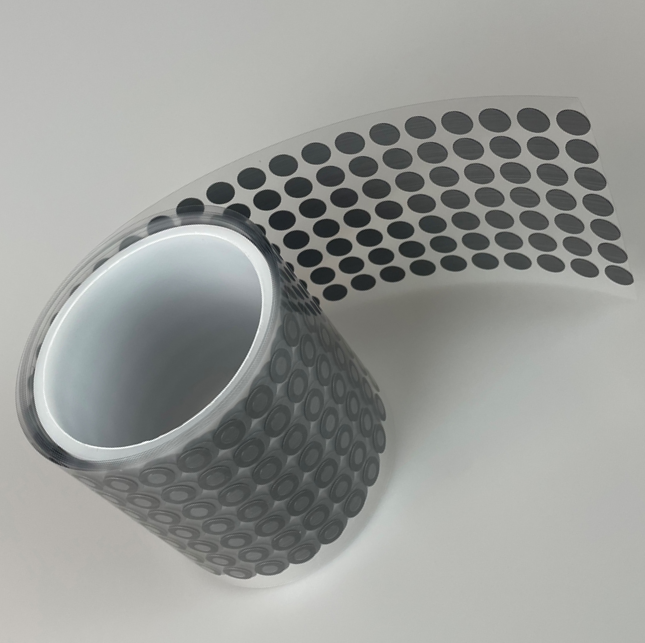
Sistemas automotivos modernos dependem fortemente de tecnologias avançadas de sensores para monitorar desde o desempenho do motor até as condições ambientais. Esses componentes críticos estão constantemente expostos à umidade, poeira, variações de temperatura e pressão, fatores que podem comprometer sua precisão e durabilidade. A membrana MicroVENT de ePTFE surgiu como uma solução protetora essencial, oferecendo propriedades de barreira incomparáveis, ao mesmo tempo que mantém a respirabilidade necessária para o funcionamento ideal dos sensores. Essa tecnologia avançada de membranas representa um avanço na proteção de sensores automotivos, garantindo desempenho confiável nas condições operacionais mais severas.
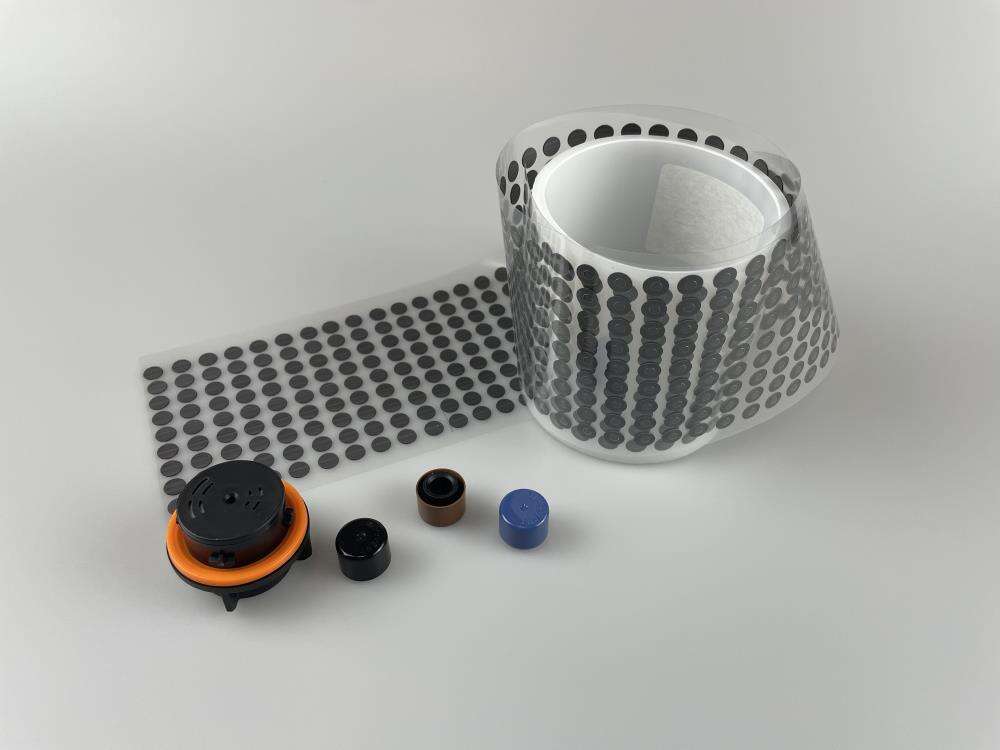
Compreendendo a Tecnologia de Membranas ePTFE
A Ciência por Trás do Politetrafluoroetileno Expandido
O politetrafluoroetileno expandido representa um dos materiais mais avançados na tecnologia de membranas. A estrutura molecular única do ePTFE cria uma rede microporosa que permite a passagem de moléculas gasosas, ao mesmo tempo que bloqueia água líquida e contaminantes. Essa permeabilidade seletiva torna a membrana ePTFE MicroVENT ideal para aplicações automotivas, nas quais os sensores exigem equalização de pressão sem comprometer a proteção. O processo de fabricação envolve o alongamento do PTFE para criar bilhões de poros microscópicos, cada um dimensionado com precisão para alcançar características de desempenho ideais.
A natureza hidrofóbica do ePTFE garante excelente resistência à água, mantendo ao mesmo tempo a transpirabilidade. Essa característica revela-se crucial em ambientes automotivos, onde as variações de temperatura geram diferenças de pressão que devem ser equalizadas para evitar mau funcionamento dos sensores. A membrana ePTFE MicroVENT mantém sua integridade estrutural em faixas extremas de temperatura, desde condições invernais abaixo de zero até ambientes de alto calor no compartimento do motor. Essa estabilidade térmica assegura desempenho consistente durante toda a vida útil operacional do veículo.
Estrutura Microporosa e Benefícios de Desempenho
A arquitetura microporosa da membrana MicroVENT de ePTFE oferece capacidades excepcionais de filtração, ao mesmo tempo que permite uma troca gasosa rápida. Cada poro mede aproximadamente 0,2 mícron de diâmetro, tamanho suficientemente pequeno para bloquear gotículas de água e contaminantes particulados, mas que permite o fluxo livre de moléculas de ar. Essa estrutura precisa de poros elimina o acúmulo de condensação que comumente afeta sensores automotivos em condições úmidas. A alta porosidade da membrana garante uma queda de pressão mínima através da barreira, mantendo a sensibilidade do sensor.
A inertidade química representa outra vantagem crítica da tecnologia ePTFE. A membrana ePTFE MicroVENT resiste à degradação causada por fluidos automotivos, sais de estrada e produtos químicos agressivos de limpeza, comumente encontrados em aplicações veiculares. Essa estabilidade química evita a deterioração da membrana, que poderia comprometer, ao longo do tempo, a proteção dos sensores. As propriedades não reativas do material asseguram sua compatibilidade com diversas carcaças de sensores e configurações de montagem, sem preocupações quanto à compatibilidade entre materiais.
Funções Críticas de Proteção em Aplicações Automotivas
Prevenção de Infiltração de Umidade e Água
A infiltração de água representa a maior ameaça à confiabilidade dos sensores automotivos, podendo causar curtos-circuitos, corrosão e erros de medição. A membrana MicroVENT de ePTFE cria uma barreira impermeável à água líquida, ao mesmo tempo que permite a saída de vapor d'água, evitando assim o acúmulo de condensação no interior das carcaças dos sensores. Essa capacidade de transmissão de vapor revela-se essencial para manter condições internas secas durante ciclos térmicos. A tensão superficial hidrofóbica da membrana impede que gotículas de água penetrem na estrutura microporosa, mesmo sob condições de lavagem sob pressão.
O gerenciamento da umidade torna-se cada vez mais importante à medida que os sensores automotivos se tornam mais sensíveis e compactos. A membrana MicroVENT de ePTFE facilita a transmissão de vapor de umidade, permitindo que a umidade aprisionada escape, ao mesmo tempo que impede a entrada de umidade externa. Esse controle bidirecional da umidade mantém níveis ideais de umidade no interior das carcaças dos sensores, prevenindo falhas relacionadas à condensação que afetam sensores sem proteção. A permeabilidade constante da membrana garante um gerenciamento confiável da umidade sob diferentes condições atmosféricas.
Filtração de Contaminantes e Propriedades de Barreira
Pó da estrada, névoa salina e partículas suspensas no ar ameaçam constantemente a precisão e a durabilidade dos sensores automotivos. A estrutura de poros submicrométricos da membrana MicroVENT de ePTFE filtra eficazmente esses contaminantes, mantendo ao mesmo tempo a respirabilidade necessária para a equalização de pressão. Essa capacidade de filtração prolonga a vida útil dos sensores, impedindo que partículas abrasivas atinjam componentes sensíveis. As propriedades superficiais da membrana resistem à obstrução, preservando a eficiência de filtração ao longo de intervalos prolongados de manutenção.
Vapores químicos e fluidos automotivos representam riscos adicionais de contaminação que podem interferir no funcionamento dos sensores. A natureza inerte da MicroVENT eptfe oferece excelente resistência a vapores de hidrocarbonetos, fluidos de freio e outros produtos químicos automotivos. Essa proteção contra agentes químicos evita desvios nos sensores e erros de calibração causados por interferência química. As propriedades estáveis da membrana garantem um desempenho consistente como barreira, mesmo sob exposição a ambientes automotivos agressivos.
Equalização de Pressão e Desempenho do Sensor
Gerenciamento dos Efeitos do Ciclo Térmico
Sensores automotivos sofrem variações drásticas de temperatura durante o funcionamento normal, gerando diferenças significativas de pressão que podem tensionar as carcaças dos sensores e afetar a precisão das medições. A membrana de ePTFE MicroVENT permite uma equalização rápida de pressão, evitando o acúmulo de pressão interna que poderia danificar componentes sensíveis do sensor. Essa capacidade de alívio de pressão revela-se particularmente importante para sensores instalados no compartimento do motor, onde as temperaturas podem variar mais de 100 graus Celsius durante os ciclos operacionais.
As rápidas propriedades de troca gasosa da membrana MicroVENT ePTFE garantem que a pressão interna acompanhe as variações da pressão atmosférica externa, mantendo a precisão da calibração do sensor. Sensores selados sem ventilação adequada frequentemente apresentam deriva nas medições, pois as alterações da pressão interna afetam o comportamento do elemento sensor. As elevadas capacidades de vazão de ar da membrana proporcionam uma resposta imediata à pressão, assegurando um desempenho consistente do sensor em diferentes condições ambientais. Essa equalização de pressão evita deformações na carcaça, que poderiam afetar a montagem e o alinhamento do sensor.
Variações de Altitude e Pressão Atmosférica
Veículos modernos operam em diversas altitudes e condições atmosféricas que geram pressões externas variáveis, afetando o desempenho dos sensores. A membrana de ePTFE MicroVENT permite que os sensores se equilibrem rapidamente com as mudanças de pressão atmosférica, mantendo leituras precisas independentemente das variações de altitude. Essa capacidade revela-se essencial para sensores compensados por altitude, que exigem referências precisas de pressão atmosférica. A permeabilidade constante da membrana garante um tempo previsível de equalização de pressão ao longo de faixas de temperatura.
As mudanças de pressão relacionadas ao clima podem afetar significativamente as leituras de sensores sem ventilação, especialmente em aplicações de monitoramento ambiental. A membrana MicroVENT de ePTFE fornece uma ventilação controlada que permite aos sensores acompanhar as variações da pressão barométrica, mantendo ao mesmo tempo a proteção contra riscos ambientais. Essa conexão atmosférica controlada possibilita o funcionamento adequado dos algoritmos de compensação meteorológica, melhorando a precisão e a confiabilidade do sensor. As propriedades estáveis da membrana garantem um desempenho consistente de ventilação sob diversas condições climáticas.
Durabilidade e Longevidade do Material
Resistência à Temperatura e Estabilidade Térmica
As aplicações automotivas exigem materiais capazes de suportar faixas extremas de temperatura sem degradação ou perda de desempenho. A membrana ePTFE MicroVENT mantém suas propriedades protetoras de -40 °C a +125 °C, abrangendo toda a faixa de condições operacionais automotivas. Essa estabilidade térmica garante uma estrutura de poros e características de permeabilidade consistentes mesmo nas extremidades da faixa de temperaturas. O baixo coeficiente de expansão térmica do material evita falhas relacionadas a tensões durante os ciclos térmicos.
A exposição a altas temperaturas nos compartimentos do motor testa os limites dos materiais protetores convencionais, muitas vezes causando fragilidade ou falha nas vedações. A membrana ePTFE MicroVENT mantém sua flexibilidade e integridade mesmo após exposição prolongada a altas temperaturas, preservando eficazmente suas propriedades de vedação e barreira. A estrutura cristalina do material permanece estável sob tensão térmica, impedindo alterações dimensionais que comprometem a eficácia da vedação. Essa durabilidade térmica se traduz em proteção prolongada dos sensores durante toda a vida útil do veículo.
Resistência aos raios UV e exposição climática
A radiação ultravioleta degrada muitos materiais poliméricos, causando fragilidade e perda das propriedades protetoras ao longo do tempo. A membrana MicroVENT de ePTFE demonstra excelente estabilidade UV, mantendo sua estrutura molecular e suas características de desempenho mesmo após exposição prolongada à luz solar. Essa resistência aos raios UV revela-se particularmente importante para sensores instalados em locais externos, onde ocorre regularmente a exposição direta à luz solar. A estabilidade inerente do material elimina a necessidade de estabilizadores UV que poderiam afetar a permeabilidade da membrana.
Os testes de exposição às condições climáticas confirmam a capacidade da membrana MicroVENT ePTFE de resistir à chuva, à neve, à névoa salina e a ciclos de temperatura sem degradação de desempenho. As propriedades hidrofóbicas da membrana impedem a absorção de água, que poderia comprometer a integridade estrutural ou o desempenho de filtração. A resistência ao sal garante um desempenho confiável em ambientes costeiros e em condições de condução invernais, onde é comum a exposição ao sal utilizado nas estradas. Essa durabilidade climática assegura proteção consistente dos sensores em diversas condições geográficas e climáticas.
Considerações sobre Instalação e Integração
Métodos de Montagem e Integridade da Vedação
A instalação adequada da membrana MicroVENT ePTFE exige atenção cuidadosa às técnicas de montagem que mantenham a integridade da vedação, sem comprometer a funcionalidade da membrana. Os métodos de vedação por compressão proporcionam fixação confiável sem danificar a estrutura delicada da membrana. A flexibilidade da membrana permite acomodar ligeiras irregularidades do invólucro, mantendo ao mesmo tempo uma vedação eficaz ao longo do perímetro. Os procedimentos adequados de instalação garantem o desempenho ideal e evitam vazamentos por derivação que possam comprometer a proteção.
As opções de fixação adesiva oferecem soluções de montagem permanente para aplicações em que não é necessário acesso removível. As propriedades superficiais da membrana MicroVENT de ePTFE garantem uma excelente ligação adesiva, mantendo ao mesmo tempo a integridade da membrana. Os adesivos compatíveis asseguram confiabilidade de fixação a longo prazo, sem afetar a permeabilidade ou as características de filtração da membrana. As orientações de instalação especificam a seleção adequada do adesivo e as técnicas de aplicação para obter resultados ideais.
Projeto da Carcaça e Posicionamento da Membrana
O projeto da carcaça do sensor influencia significativamente o desempenho da membrana e a eficácia da proteção. A membrana ePTFE MicroVENT funciona de forma ideal quando posicionada para minimizar a exposição direta a jatos de água de alta velocidade, mantendo ao mesmo tempo a conexão com a atmosfera. O posicionamento estratégico atrás de defletores ou em reentrâncias protegidas aumenta a durabilidade da membrana, preservando ao mesmo tempo sua funcionalidade de ventilação. A geometria da carcaça deve proporcionar uma área adequada da membrana para o fluxo de ar exigido, ao mesmo tempo que a protege contra danos mecânicos.
As estruturas de suporte da membrana impedem a deformação sob diferenças de pressão que poderiam afetar a permeabilidade ou causar falhas por fadiga. A membrana ePTFE MicroVENT beneficia-se de um suporte rígido traseiro que distribui uniformemente as cargas sobre a superfície da membrana. Os padrões de perfuração do suporte devem equilibrar resistência estrutural com restrição mínima ao fluxo, para manter um desempenho ideal de ventilação. Um projeto adequado do suporte prolonga a vida útil da membrana, garantindo, ao mesmo tempo, capacidades protetoras consistentes.
Validação e Teste de Desempenho
Protocolos de Testes em Laboratório
Ensaios abrangentes validam o desempenho da membrana ePTFE MicroVENT em condições operacionais automotivas. Os ensaios de entrada de água confirmam a eficácia da barreira sob diversas diferenças de pressão e durações de exposição. Métodos de ensaio padronizados avaliam a permeabilidade da membrana, assegurando um fluxo de ar adequado para equalização de pressão, sem comprometer a eficiência de filtração de partículas. Esses ensaios controlados fornecem dados quantitativos de desempenho para validação de projeto e garantia de qualidade.
Os testes em câmara ambiental submetem a membrana MicroVENT ePTFE a condições de envelhecimento acelerado que simulam a exposição prolongada em aplicações automotivas. Os ciclos térmicos, a exposição à umidade e os testes de radiação UV verificam a estabilidade do desempenho a longo prazo. Os testes de compatibilidade química confirmam a resistência a fluidos automotivos e agentes de limpeza. Esses protocolos abrangentes de ensaio garantem um desempenho confiável em campo sob condições reais de operação.
Validação de Desempenho no Campo
Os testes em condições reais fornecem a validação final da eficácia da membrana MicroVENT ePTFE em aplicações automotivas reais. Os ensaios de campo monitoram o desempenho dos sensores e a eficácia da proteção em diversos ambientes operacionais e condições de condução. Estudos de exposição a longo prazo acompanham a degradação do desempenho da membrana e identificam possíveis modos de falha. Esses dados de campo validam os resultados obtidos nos ensaios laboratoriais e conferem confiança na confiabilidade da membrana.
O monitoramento de desempenho inclui a medição dos níveis internos de umidade, da acumulação de partículas e dos tempos de resposta na equalização de pressão. Essas métricas quantificam a eficácia protetora da membrana MicroVENT ePTFE e identificam oportunidades de otimização. Testes comparativos contra outros métodos de proteção demonstram características superiores de desempenho. Dados de validação em campo apoiam a especificação da membrana e as recomendações de aplicação para proteção ideal do sensor.
Perguntas Frequentes
Como a membrana MicroVENT ePTFE se compara a outras opções protetoras?
A membrana ePTFE MicroVENT oferece desempenho superior em comparação com métodos tradicionais de proteção, como vedação de borracha ou capas plásticas. Ao contrário de barreiras sólidas que retêm umidade e pressão, a membrana fornece permeabilidade seletiva, permitindo a equalização de pressão ao mesmo tempo que impede a entrada de contaminantes. Essa dupla funcionalidade elimina o compromisso entre proteção e desempenho do sensor, característico de soluções alternativas. A inércia química e a estabilidade térmica da membrana superam as capacidades da maioria dos materiais elastoméricos de vedação.
Quais são os requisitos de manutenção para a proteção com membrana ePTFE
A membrana MicroVENT ePTFE requer manutenção mínima devido às suas propriedades autolimpantes e resistência à contaminação. A superfície hidrofóbica repele naturalmente a água e impede o acúmulo de incrustações que poderiam comprometer o desempenho. Inspeções visuais periódicas garantem a integridade da membrana e identificam quaisquer danos físicos que exijam substituição. A longa vida útil da membrana normalmente corresponde ou supera os intervalos de substituição dos sensores, minimizando os requisitos de manutenção.
A membrana suporta lavagem com jato de alta pressão e limpeza rigorosa?
A membrana MicroVENT ePTFE demonstra excelente resistência ao jato de água de alta pressão e aos produtos químicos utilizados na limpeza automotiva. Sua estrutura microporosa impede a penetração de água, mesmo sob condições diretas de lavagem com jato de alta pressão. A resistência química garante compatibilidade com agentes desengraxantes e solventes de limpeza comumente empregados na manutenção automotiva. No entanto, deve-se evitar o jato direto de alta pressão para prevenir possíveis danos à membrana ou seu deslocamento.
Como a temperatura afeta o desempenho e a durabilidade da membrana
As variações de temperatura têm impacto mínimo no desempenho da membrana MicroVENT ePTFE dentro das faixas operacionais automotivas. O material mantém permeabilidade e propriedades de barreira consistentes, desde condições abaixo de zero até as altas temperaturas do compartimento do motor. Os ciclos térmicos, na verdade, melhoram o desempenho da membrana ao prevenir o entupimento dos poros e manter características ideais de fluxo. A estabilidade térmica da membrana garante décadas de serviço confiável, sem degradação de desempenho ou necessidade de substituição.
