A waterproof bottle cap is part of a full pack. Start with the bottle and cap. Add the liner if one is used. Note the fill, headspace, and liquid. Then list the heat, cold, height, and trip path. A waterproof bottle cap request is clearer with these facts. They show what the pack must face. They also give the team a base for a useful review.
A waterproof bottle cap can raise more than one need. The main need may be liquid entry. It may be leak risk. It may be a change in inner pressure. It may be all three. State the need in plain words. Do not treat a broad water claim as a full product rule. The medium, closure, and use case still need review.
A waterproof bottle cap must fit the real closure shape. Send a drawing when one is on hand. Note the neck finish, cap wall, and liner area. Note the place where a vent part could sit. A waterproof bottle cap review should also name the way the cap is put on. That can affect the part and the pack interface.
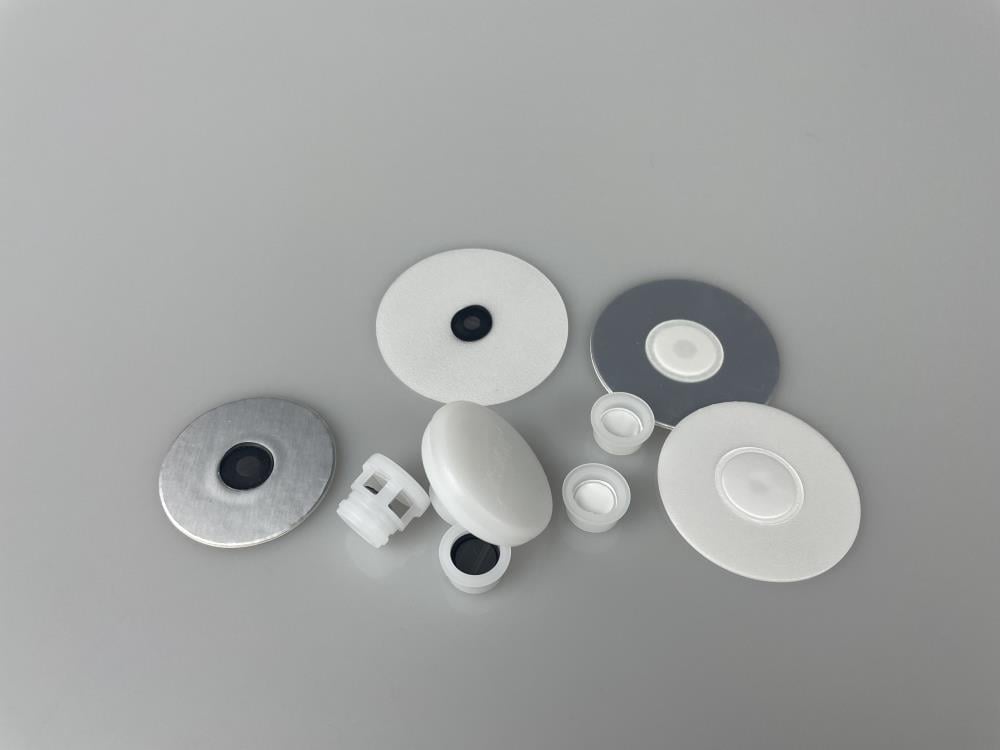
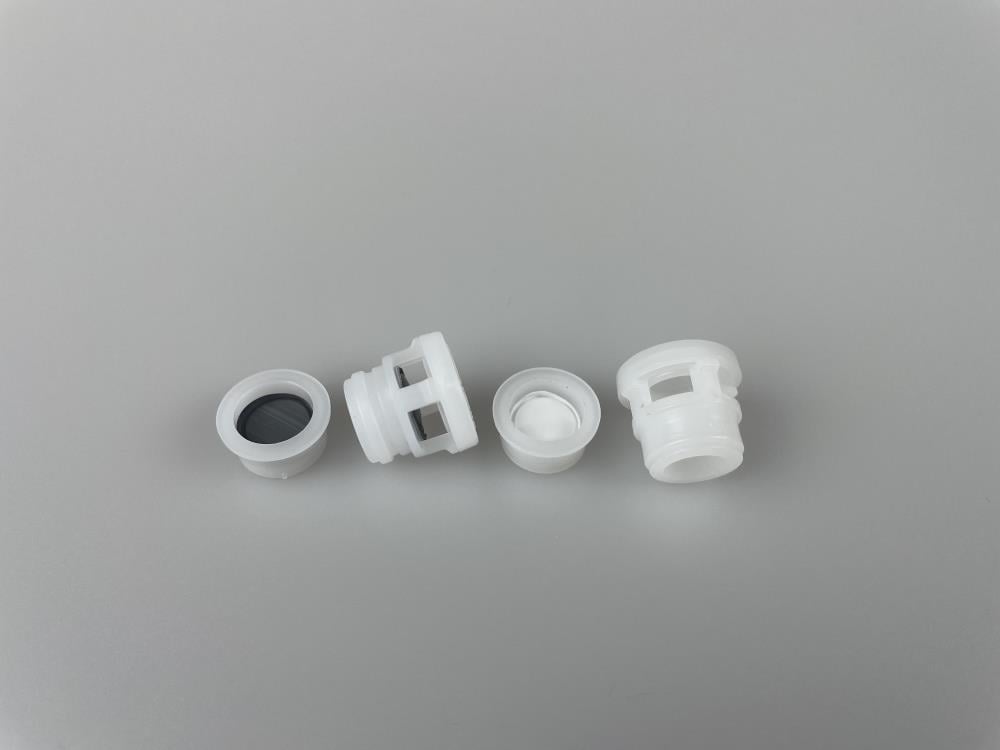
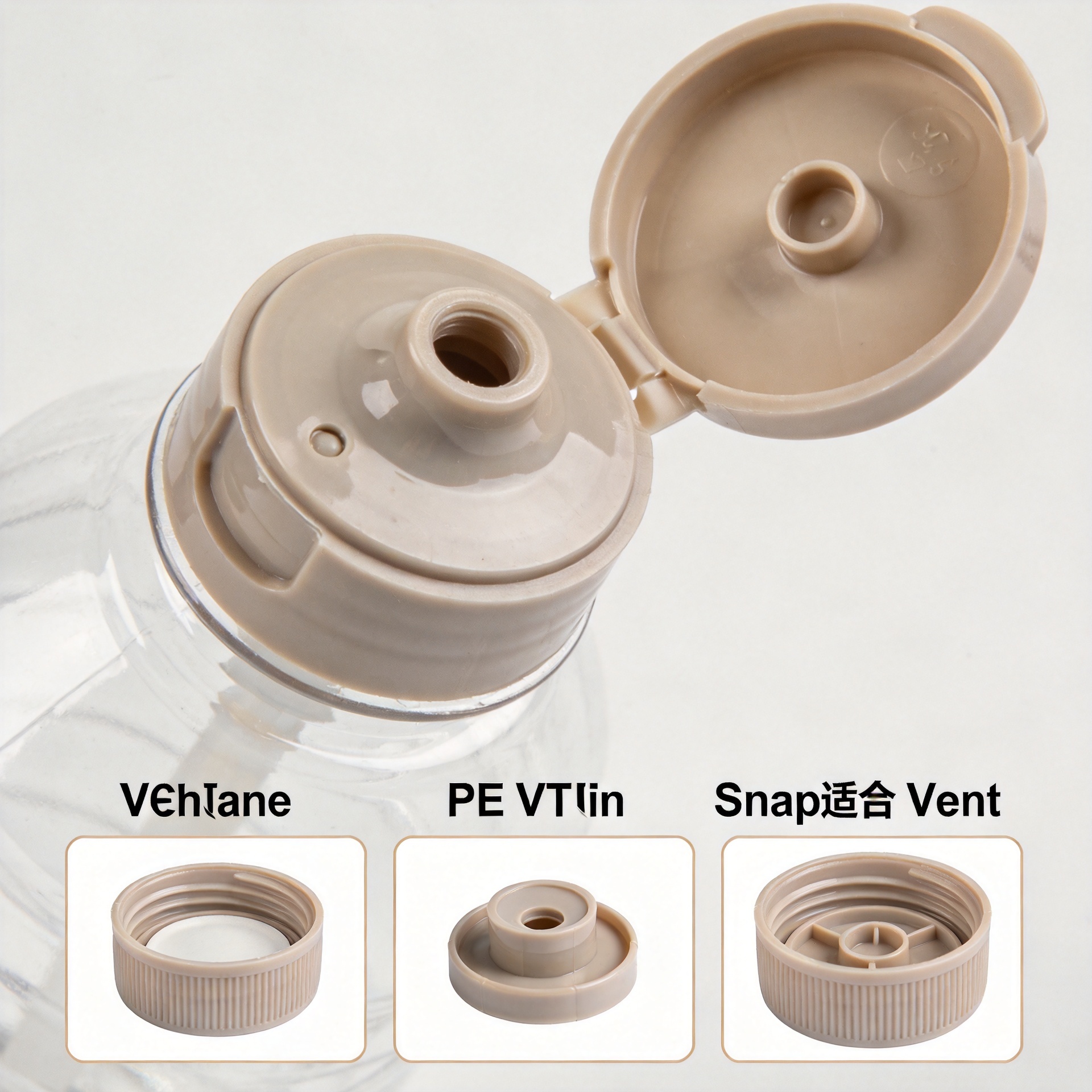
The current catalog has vent valves, Vent PE liner, vent plug, and Snap-fit Vent. Each name marks a format. Each format needs its own fit review. A waterproof bottle cap should not assume that one format can stand in for another. The bottle and closure shape guide the choice. The material stack and build step also matter.
A waterproof bottle cap needs a clear liquid-contact story. Name the packed medium. State where it may touch the cap. State if contact is brief or held. State the pack angle during use and ship. A waterproof bottle cap may face a different question at each stage. Filling, storage, and transport can each change the contact path.
The merchant profile lists ePTFE membrane product directions. It also lists composite, laminated, and surface-modification methods. These facts can guide a technical talk. They do not prove a set level of fit. A waterproof bottle cap still needs product data and an application review. A waterproof bottle cap brief should state the medium. Do not infer broad liquid, oil, or chemical use from a general material note.
A waterproof bottle cap may need a pressure-change review. Start by naming the event. It may be a heat shift. It may be a move in height. It may be a trip or a storage change. Then note what you need to check in the filled pack. A waterproof bottle cap should be judged with the medium and closure in view.
For a vented pack, check the medium and pressure condition first. Do this before a general barrier note drives the choice. A waterproof bottle cap needs a clear link between the use case and the part. This step can show a gap between the vent part and the closure shape. It can also stop a design team from using an old choice without a new review.
A waterproof bottle cap review can use five short steps. First, list the pack contents and fill state. Next, list the heat, cold, height, and trip facts. Then map the bottle and cap shape. After that, name one or more formats to compare. Last, ask which data or drawing is needed for a fit check.
A waterproof bottle cap is not a stand-alone promise. The review should stay tied to the actual pack. Keep a record of the facts used for the choice. This helps design and buy teams use the same brief. It also makes the next discussion more direct. A waterproof bottle cap request is stronger when the need and limits are clear.
A waterproof bottle cap inquiry should include the bottle and cap drawing. Add key sizes if no drawing is ready. Name the packed medium. State the fill state and use path. List the heat, cold, height, or trip factors that matter. A waterproof bottle cap inquiry can also name a format you want to compare.
MicroVENT site materials list packaging vent products and ePTFE-related product directions. Ask which product data, drawings, or use facts are needed next. A waterproof bottle cap discussion should end with a check step, not a broad claim. Confirm the shape. Define the medium and pressure profile. Then review the candidate format against those facts before an application choice is made.

As one of the leading enterprises in industry of ePTFE membranes, MicroVENT® has been engaged in design, production as well as research and development of ePTFE technology since 1995. ePTFE membrane has excellent chemical stability, heat resistance and other properties. MicroVENT® uses composite, laminated, surface modification techniques and confers the ePTFE membrane which has a porous structure for improved strength, heat sealing resistance, Hydrophobic and Oleophobic.
NO.8 QIANCAO ROAD,LIJIA,CHANGZHOU.JIANGSU.CHINA
Copyright © © 2026Pan Asian Microvent Tech (Jiangsu) Corporation.All rights reserved. | Privacy policy
 EN
 AR
 CS
 FR
 DE
 IT
 JA
 KO
 PT
 RU
 ES
 ID
 VI
 TH
 TR
 MS