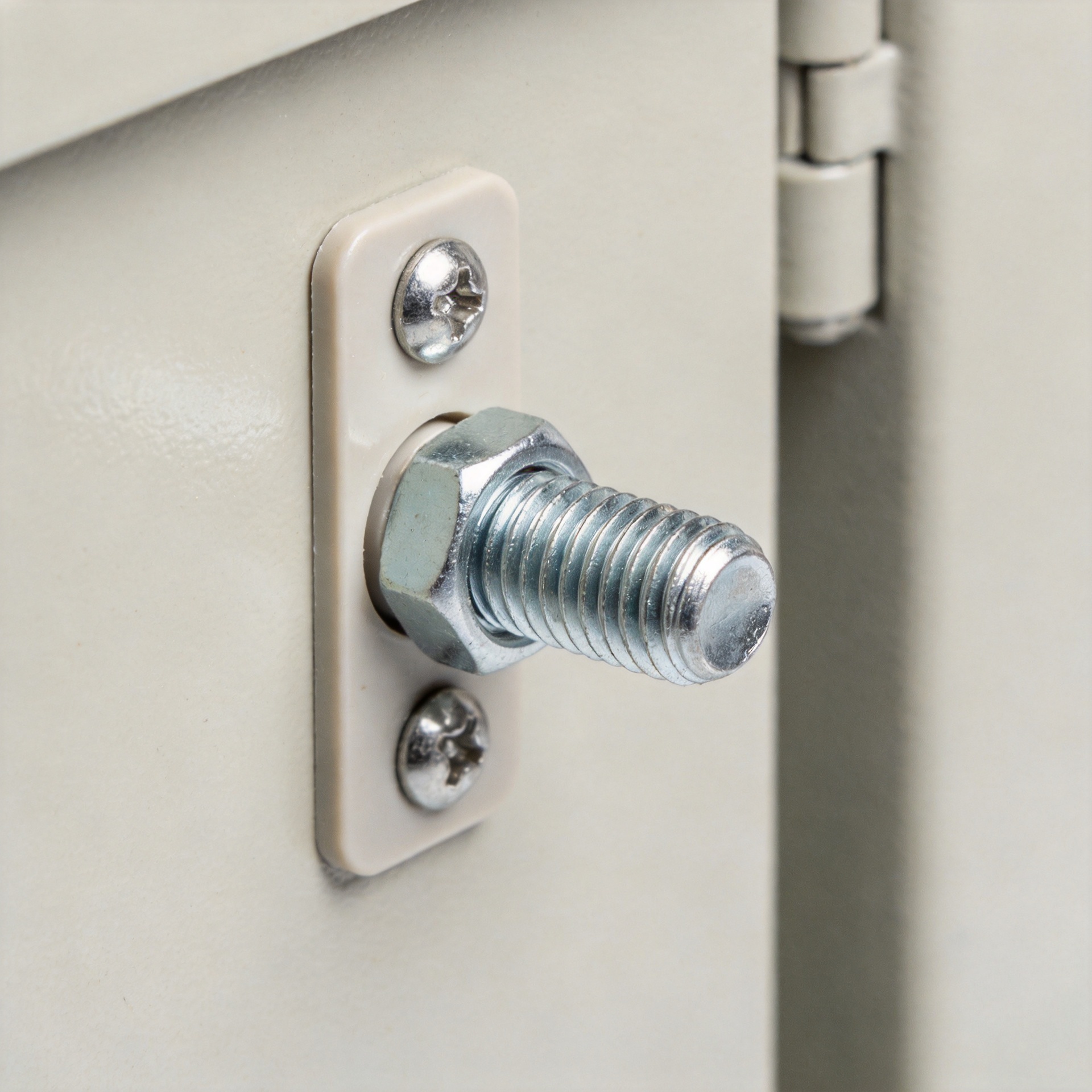
Define the Housing Need
Start with the housing. A breathable screw bolt is only one part of the full design. State what is inside the housing. State where it will be used. State what may change during use. The housing may see dust, water, oil, heat, or cold. It may see one of these. It may see more than one. Each condition can change the review.
Pressure equalization is often part of the question. Describe how the pressure changes. Say if the change is slow or fast. Say how often it happens. Say if the change comes from heat, altitude, use, or another known cause. This does not prove a result. It gives a team a clear basis for review. A breathable screw bolt should be matched to the stated condition, not to a broad name.
Check the Mounting Details
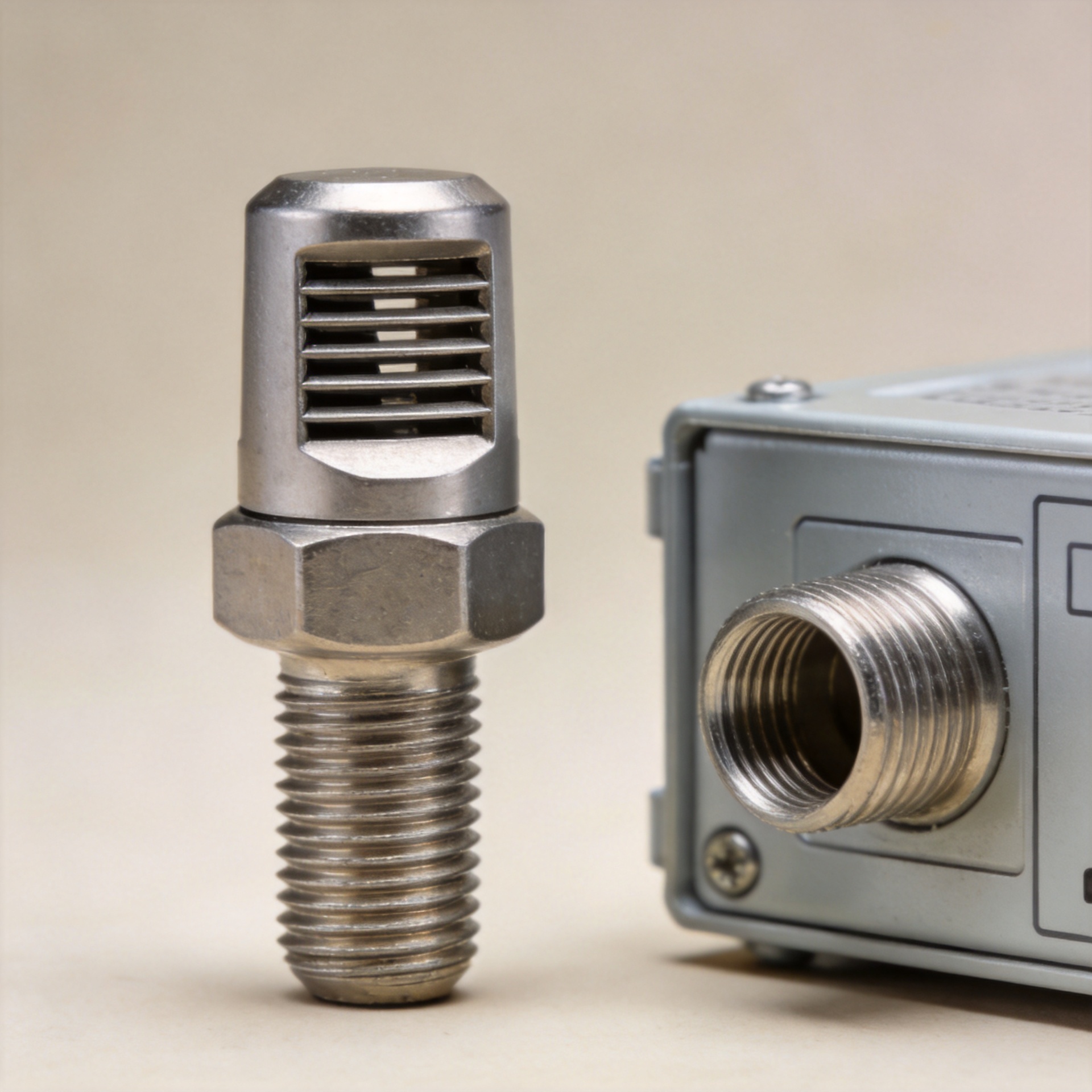
The name breathable screw bolt points to a threaded mount. The mount is a key part of the choice. Check the opening size. Check the thread detail. Check wall thickness. Check the free space around the opening. Check the tool path for assembly. A screw-in vent bolt may be a useful format when a threaded interface is planned. The drawing must still match the real part.
- Provide a drawing of the enclosure opening.
- State the planned mount method and direction.
- Show nearby parts that limit tool space.
- Note vibration, service work, or handling loads.
These are simple fit checks. They are not proof of flow or protection. A good mechanical fit should be checked before a breathable screw bolt is treated as a final choice.
Review the Medium and Exposure
List the medium on both sides of the housing. This may include air, vapor, splash, oil, dust, or fine particles. Note how long the exposure lasts. Note whether the housing is indoors or outdoors. MicroVENT site materials describe ePTFE as a porous material. The site also describes hydrophobic and oleophobic traits in general terms. Those statements give context. They do not replace product records for one use case.
Ask for the record that applies to the item and use. Ask if it covers the known medium. Ask what other checks may be needed. Do not move a general statement from one housing to another. A screw-in vent bolt needs the same fact-based review as any other part.
Compare the Catalog Records
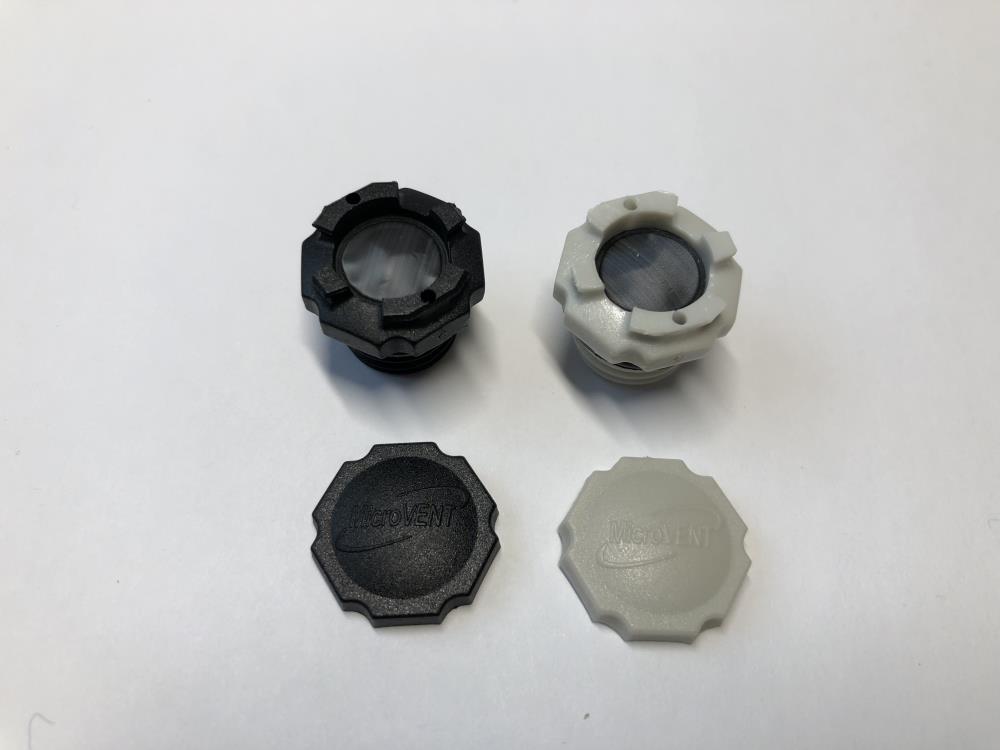
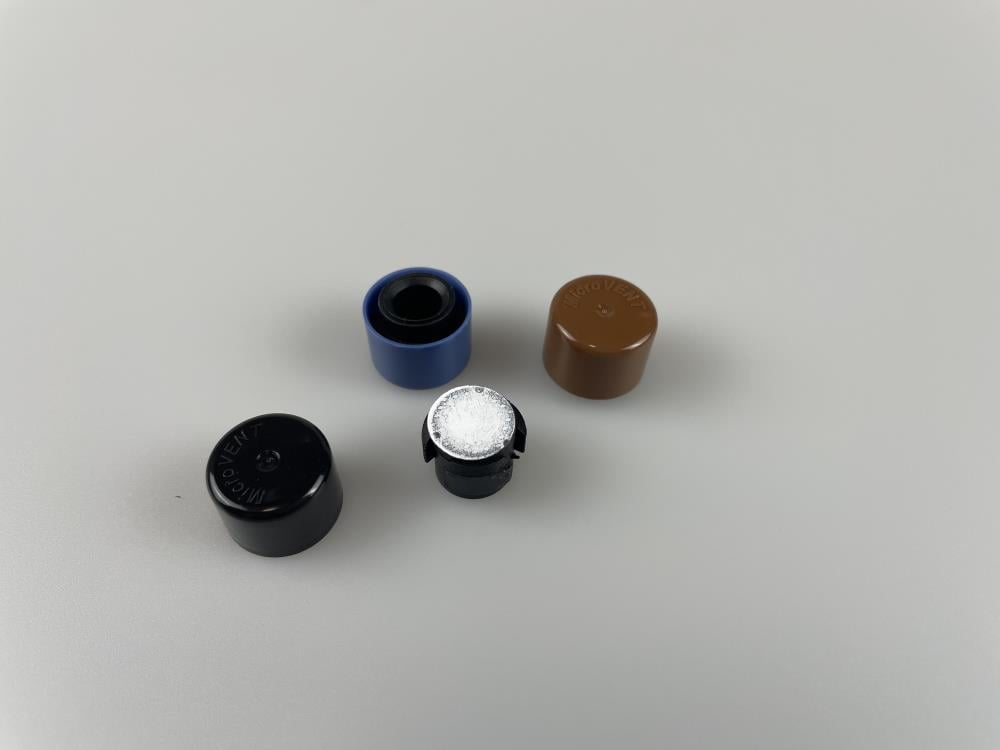
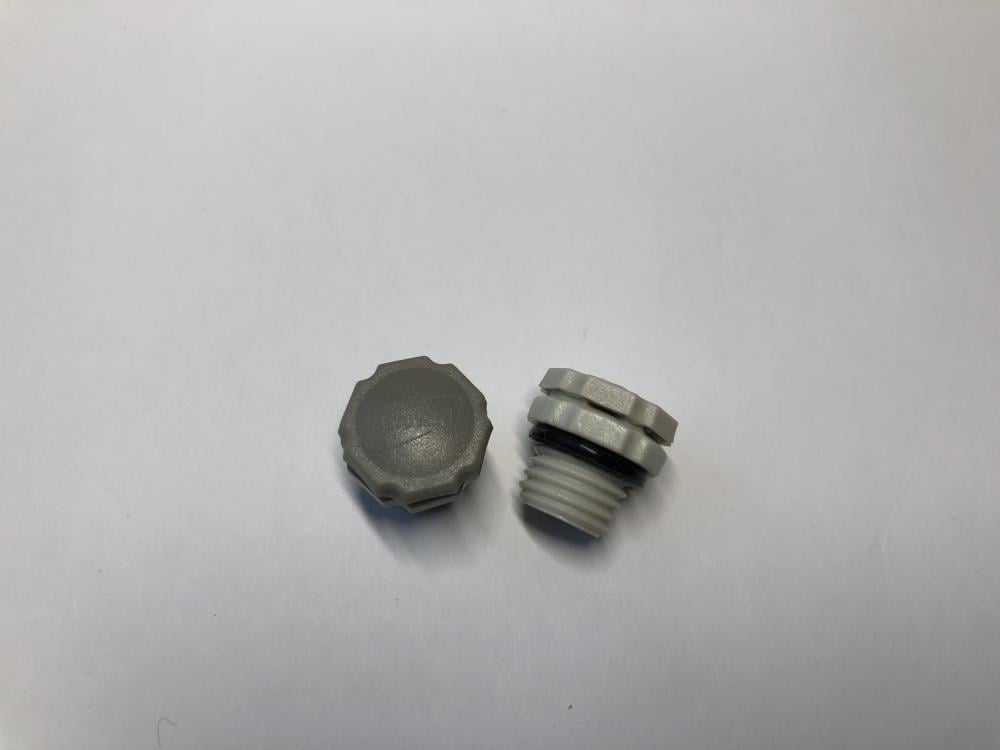
This page lists Screw-in Vent Bolt, screw-in bolt, and vent plug. They are real current-site records. They are not presented as the same product. Compare the mount format first. Then compare the product information that applies to the planned use. A breathable screw bolt may fit a threaded opening. A vent plug may be worth a separate review if the housing has a different retention need.
Use a simple path. List the housing need. List the mount limit. Then ask for the facts that relate to the proposed item. When pressure equalization is the main need, check the use condition and interface first. Do not treat a broad water or dust statement as the final choice point. Its scope must match the real housing and use.
Ask for Needed Documents
A useful request has clear details. Include the use type. Include a housing drawing. Include the mount plan. Include the temperature range. Include the pressure change and medium exposure. If a rating, test method, or material statement matters, name it. Ask if a record is available for that exact need. This keeps a breathable screw bolt review tied to facts.
MicroVENT site materials describe work with ePTFE technology, composite approaches, laminated approaches, and protective venting topics. Use that background to start a product-fit talk. Do not use it as proof of results for an unstated use. The next step is to see whether Screw-in Vent Bolt, screw-in bolt, or vent plug fits the known need. Then identify what must still be checked.
Prepare the Inquiry
Send the keyword and target use. State if pressure equalization is the main need. State if the mount or exposure is the main concern. Add the known drawing and test needs. This lets the team discuss the breathable screw bolt with the right context. It also helps show what facts are still needed before a part is specified. This breathable screw bolt review stays focused on the real enclosure. It should lead to a documented product discussion.
 EN
 AR
 CS
 FR
 DE
 IT
 JA
 KO
 PT
 RU
 ES
 ID
 VI
 TH
 TR
 MS